Door to Door Shipping China to Germany: 2026 Logistics Guide
Navigating international logistics requires a partner who understands the complexities of global trade. At Top China Freight, we specialize in seamless door to door shipping China to Germany to ensure your goods arrive safely. Whether you are a small business or a large enterprise, our tailored solutions simplify the entire import process from factory to warehouse. Consequently, you can focus on your core operations while we handle the heavy lifting of international transport.
What is Door to Door Shipping China to Germany?
Door to door shipping China to Germany is a comprehensive logistics service where the freight forwarder manages the entire journey. Specifically, this includes picking up the goods from the supplier in China and delivering them directly to your specified address in Germany. Moreover, this service covers all intermediate steps such as trucking, warehousing, and international transit.
Choosing this method eliminates the need for you to coordinate with multiple logistics providers. Furthermore, it simplifies the billing process since you receive a single invoice for the entire operation. Indeed, many importers prefer this solution because it reduces the risk of communication errors between different carriers.
The process begins with a detailed assessment of your cargo and delivery requirements. Subsequently, we arrange for the pickup and transport to the nearest port or terminal. Therefore, you save significant time and effort that would otherwise be spent on managing complex logistics chains.
Market data for 2026 suggests that door to door services have become the standard for modern e-commerce and industrial supply chains. Additionally, advanced tracking technology now allows you to monitor your shipment in real-time. Consequently, you gain full visibility into your inventory as it moves across continents.
How Does Sea Freight Compare to Other Shipping Options?
While sea freight is the most common choice for large volumes, other modes offer distinct advantages. For instance, air freight provides unmatched speed for high-value or time-sensitive goods. On the other hand, rail freight serves as a balanced middle ground between cost and velocity.
Sea freight remains the most economical option for bulk shipments and heavy machinery. Specifically, it offers the lowest cost per cubic meter for large cargo loads. However, the transit time is significantly longer compared to rail or air alternatives.
As of early 2026, ocean freight rates have stabilized following the global supply chain adjustments of previous years. Furthermore, many carriers have introduced more fuel-efficient vessels to reduce environmental impact. Consequently, businesses can enjoy competitive pricing while meeting sustainability goals.
The following table provides an objective analysis of the primary shipping methods available for the China to Germany route.
| Shipping Method | Cost Range | Transit Time | Best For | Limitations |
|---|---|---|---|---|
| Sea Freight (FCL) | $3,000 – $4,500 | 30 – 40 Days | Bulk Goods | Slow Speed |
| Rail Freight | $4,000 – $6,000 | 18 – 25 Days | Medium Volume | Route Limits |
| Air Freight | $5 – $9 per kg | 5 – 8 Days | Urgent Cargo | High Cost |
| Express | $8 – $12 per kg | 3 – 5 Days | Small Parcels | Very Expensive |
Can You Use Air Freight for Urgent Cargo?
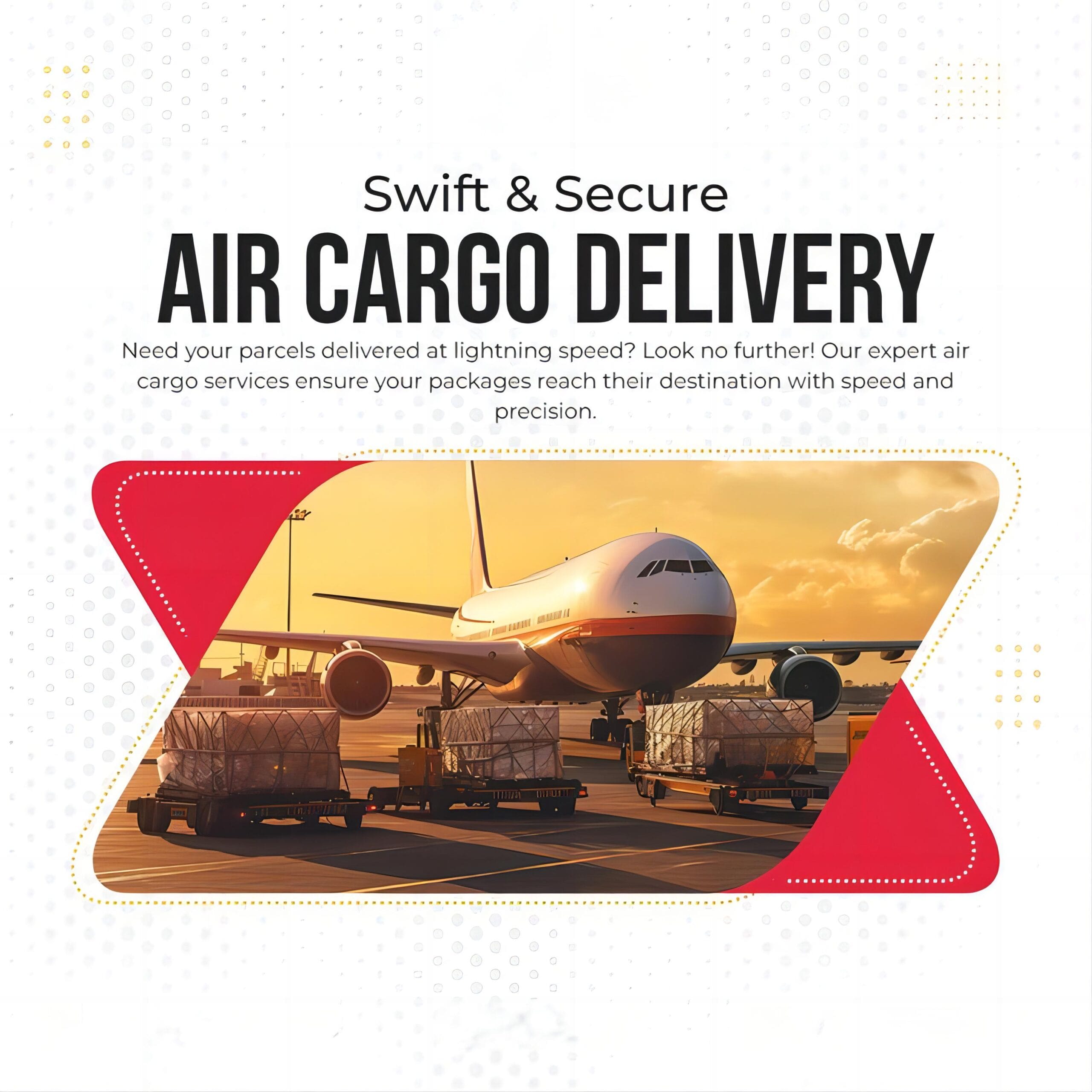
Indeed, air freight is the fastest way to move goods from China to Germany. Most shipments arrive within 5 to 7 days, including customs clearance and local delivery. However, the costs are significantly higher than surface transport modes.
Businesses typically use air transport for electronics, pharmaceuticals, and fashion items. Moreover, this method is ideal for fulfilling emergency orders or maintaining tight production schedules. Therefore, the higher expense is often justified by the speed and reliability of the service.
In 2026, major airports like Shanghai Pudong and Frankfurt remain the primary hubs for this route. Specifically, daily flights ensure that cargo can move quickly between these economic centers. Additionally, improved ground handling has further reduced the time spent in airport warehouses.
Note: Freight rates are subject to change based on fuel costs, carrier capacity, and seasonal demand. Contact us for a current quote tailored to your specific shipment.
Why Choose Rail Freight for Your German Shipments?
Rail transport via the New Silk Road has become highly reliable in 2026. This method offers a sustainable alternative to air and sea by providing moderate speed at a reasonable price. Consequently, rail freight is increasingly popular for automotive parts and consumer goods.
The transit time for rail is usually half that of sea freight. For example, a train from Chengdu to Duisburg typically takes about 20 days. Furthermore, rail transport is less affected by weather conditions compared to ocean shipping.
Many businesses use rail to maintain a steady flow of inventory without the high costs of air transport. Specifically, it allows for smaller, more frequent shipments which can improve cash flow. Indeed, the development of new rail terminals in Germany has improved the efficiency of final mile delivery.
Moreover, the environmental footprint of rail is much lower than that of air freight. Therefore, it is an excellent choice for companies with strict ESG commitments. Resultantly, we have seen a 15% increase in rail adoption for the China-Germany route this year.
What Documents Are Needed for Customs Clearance?
Accurate documentation is vital for a smooth customs brokerage process. You must provide a commercial invoice, a detailed packing list, and a bill of lading. Furthermore, a certificate of origin might be required to benefit from specific trade agreements.
German customs authorities are known for their strict adherence to regulations. Specifically, they require precise descriptions of goods and correct HS codes. Consequently, any errors in paperwork can lead to significant delays and additional storage fees.
Our team assists you in preparing all necessary forms to ensure compliance with EU import laws. Additionally, we handle the payment of duties and taxes on your behalf. Therefore, the door to door service includes the peace of mind that your cargo will pass through customs without issues.
The following checklist outlines the essential documents required for importing goods from China to Germany.
| Document Name | Purpose | Required By | Criticality |
|---|---|---|---|
| Commercial Invoice | Valuation of Goods | Customs | High |
| Packing List | Inventory Detail | Carrier/Customs | High |
| Bill of Lading | Title to Goods | Carrier | High |
| EORI Number | Importer ID | German Customs | Mandatory |
How Much Does Door to Door Shipping China to Germany Cost?
The total cost of door to door shipping depends on several factors, including weight, volume, and the chosen transport mode. Specifically, ocean freight is priced per container or per cubic meter for LCL shipments. On the other hand, air and express rates are calculated based on actual or volumetric weight.
In early 2026, a 40HQ container from a major Chinese port to Germany typically costs between $3,500 and $4,800. Furthermore, you must account for local trucking fees in both China and Germany. Consequently, getting an all-in quote is essential for accurate budgeting.
Fuel surcharges and peak season adjustments can also influence the final price. For instance, rates often rise by 20% during the months leading up to the holiday season. Therefore, we recommend booking your shipments at least three weeks in advance to secure the best rates.
Note: Freight rates are subject to change based on fuel costs, carrier capacity, and seasonal demand. Contact us for a current quote tailored to your specific shipment.
| Container Type | Est. Rate (2026) | Capacity | Transit Time |
|---|---|---|---|
| 20GP Container | $2,200 – $2,800 | 33 CBM | 32 – 38 Days |
| 40GP Container | $3,200 – $4,000 | 67 CBM | 32 – 38 Days |
| 40HQ Container | $3,500 – $4,800 | 76 CBM | 32 – 38 Days |
| LCL (Per CBM) | $90 – $150 | Flexible | 35 – 42 Days |
Managing Amazon FBA Shipments to Germany
Selling on Amazon Germany requires strict adherence to specific labeling and packaging standards. Our specialized Amazon FBA services ensure that your products meet all requirements before they reach the fulfillment center. Specifically, we handle the palletization and appointment scheduling for German warehouses.
Using a door to door service for FBA shipments eliminates the complexity of international logistics for sellers. Moreover, we provide tax representation services to help you manage VAT compliance in Germany. Consequently, you can expand your European market presence with minimal logistical hurdles.
Indeed, many successful sellers use a combination of sea and air freight to manage their inventory levels. For example, they might use air freight for new product launches and sea freight for regular restocks. Therefore, a flexible logistics strategy is key to maintaining high seller ratings and avoiding stockouts.
Furthermore, our warehouses in China can provide value-added services such as quality inspection and re-labeling. Specifically, this ensures that only high-quality products are sent to your customers. Resultantly, you reduce the rate of returns and improve customer satisfaction.
Which Option Should You Choose?
Choosing the right shipping method depends on your specific business priorities. If budget is your primary concern, sea freight is undoubtedly the best choice for large volumes. However, if you need your goods within two weeks, rail freight offers a much better balance of speed and cost.
For high-value items where security and speed are paramount, air freight is the most reliable option. Specifically, it minimizes the time your capital is tied up in transit. On the other hand, small parcels and samples are best handled by express courier services.
Additionally, consider the nature of your cargo when making a decision. Fragile or perishable goods often require the shorter transit times provided by air transport. Conversely, durable industrial components are perfectly suited for the longer journey by sea or rail.
To summarize, you should evaluate your delivery deadline, cargo volume, and budget before selecting a service. Moreover, consulting with a professional freight forwarder can help you identify hidden cost-saving opportunities. Therefore, we invite you to discuss your 2026 shipping plan with our expert team.
Real Case Studies for 2026 Shipments
Case Study 1: Electronics from Shenzhen to Hamburg via Rail. Route: Shenzhen, China to Hamburg, Germany. Cargo: Consumer Electronics, 25 CBM, 4,500 kg. Container: LCL Shipment. Shipping Details: – Carrier: Major Rail Operator. – Loading: Shenzhen Terminal. – Discharge: Hamburg Billwerder. – Route: Trans-Siberian Route. Cost Breakdown: – Freight: $3,200. – Origin Charges: $450. – Destination Charges: $550. – Customs: $300. – Total: $4,500. Timeline: – Sea Transit: 22 days. – Total Door-to-Door: 28 days. Key Insight: Rail provided a 15-day saving over sea freight at a manageable cost increase.
Case Study 2: Furniture from Ningbo to Berlin via Sea. Route: Ningbo, China to Berlin, Germany. Cargo: Home Furniture, 68 CBM, 12,000 kg. Container: 40GP Container. Shipping Details: – Carrier: COSCO. – Loading: Ningbo Port. – Discharge: Port of Hamburg. – Route: Direct via Suez Canal. Cost Breakdown: – Ocean Freight: $3,800. – Origin Charges: $600. – Destination Charges: $800. – Customs: $400. – Total: $5,600. Timeline: – Sea Transit: 34 days. – Total Door-to-Door: 42 days. Key Insight: FCL sea freight offered the lowest per-unit cost for this high-volume shipment.
Case Study 3: Urgent Machinery Parts from Shanghai to Munich via Air. Route: Shanghai, China to Munich, Germany. Cargo: Industrial Spare Parts, 2 CBM, 400 kg. Shipping Details: – Carrier: Lufthansa Cargo. – Loading: PVG Airport. – Discharge: MUC Airport. – Route: Direct Flight. Cost Breakdown: – Air Freight: $2,800. – Local Handling: $350. – Delivery: $200. – Total: $3,350. Timeline: – Transit: 2 days. – Total Door-to-Door: 6 days. Key Insight: Air freight prevented a factory shutdown by delivering critical parts in under a week.
Final Thoughts on German Logistics
Successfully managing door to door shipping China to Germany requires a combination of strategic planning and expert execution. By understanding the different transport modes and documentation requirements, you can significantly reduce your shipping risks. Furthermore, partnering with a knowledgeable freight forwarder ensures that you stay compliant with evolving international regulations.
As we move through 2026, the logistics landscape continues to offer new opportunities for efficiency and cost savings. Whether you choose the speed of air or the economy of sea freight, the key is consistency and clear communication. Therefore, investing in a high-quality door to door service is a vital step for any business looking to thrive in the global market.
Start Your Shipment
Streamline your supply chain today with our reliable door to door shipping China to Germany services. Our team is ready to provide you with a competitive quote tailored to your specific needs. Contact us now to simplify your 2026 logistics and ensure your cargo arrives on time and within budget. Visit our website to send an inquiry and get started with a professional freight partner.
Request Quote