

Cargo Shipping China to Germany: 2026 Logistics Guide and Rates
“Cargo shipping China to Germany remains a cornerstone of the modern Eurasian supply chain, facilitating the flow of billions in trade annually. Navigating the complexities of international logistics requires a deep understanding of current market trends and efficient routing strategies. Consequently, many businesses choose to partner with Top China Freight to streamline their operations and ensure timely delivery of goods across these vast distances. Whether you are importing electronics, machinery, or consumer products, selecting the right transportation mode is critical for your bottom line.”

What are the Main Methods for Cargo Shipping China to Germany?
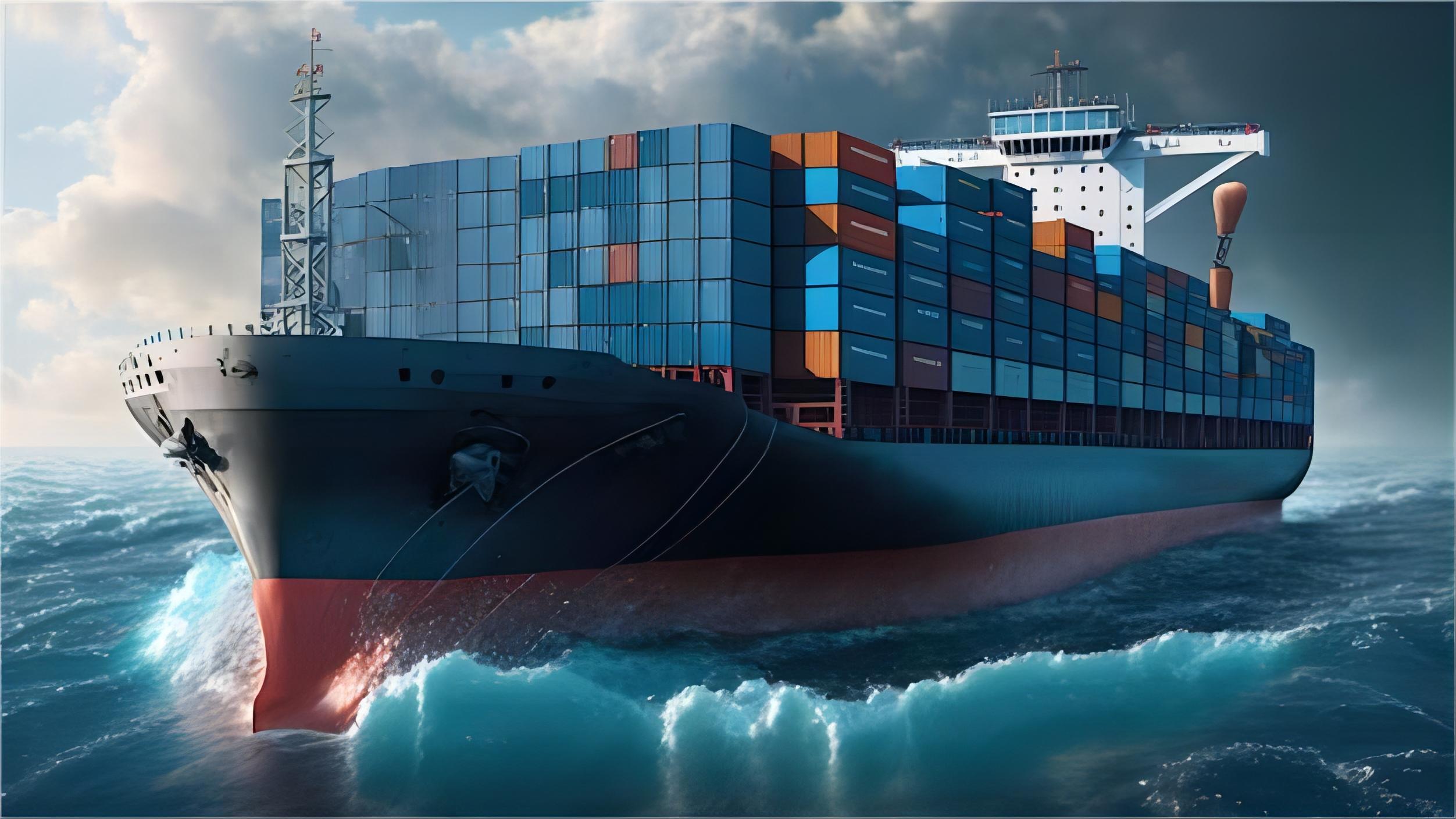
❖Shippers today have several robust options for moving goods between these two economic powerhouses. Traditionally, ocean transport has been the dominant choice due to its high capacity and cost-effectiveness for bulk shipments. However, recent years have seen a significant rise in alternative modes that offer different balances of speed and expense.
Choosing the right method depends heavily on your specific business requirements and the nature of your cargo. For instance, air freight is the preferred choice for high-value or time-sensitive items like medical equipment or luxury goods. Meanwhile, rail freight has emerged as a popular middle ground, offering faster transit than the sea at a fraction of the cost of air transport.
Each mode carries its own set of advantages and logistical considerations. Furthermore, the integration of multimodal solutions allows for flexible door-to-door delivery across the European continent.
How Does Sea Freight Compare to Other Shipping Options?
❖Sea freight remains the most economical solution for large-scale shipments despite the longer transit times involved. For businesses moving multiple containers or oversized machinery, the cost-per-unit advantage of ocean transport is virtually unbeatable. Additionally, the stability of maritime routes makes it easier to plan long-term inventory cycles.
In contrast to air or rail, sea freight provides the capacity to handle hazardous materials and extremely heavy loads that other modes might restrict. Nevertheless, the volatility of port congestion and weather conditions requires shippers to maintain a buffer in their delivery schedules.
The following table provides an objective analysis of how the primary shipping methods compare in the 2026 market.
| Shipping Method | Cost Range | Transit Time | Best For | Limitations |
|---|---|---|---|---|
| Sea Freight (FCL) | $3,000 – $4,200 | 30-40 Days | Large volumes | Slowest speed |
| Rail Freight | $2,200 – $2,800 | 18-22 Days | Mid-sized cargo | Route fixed |
| Air Freight | $5.50 – $9.00/kg | 5-8 Days | Urgent goods | High cost |
| Express Service | $9.00 – $15.00/kg | 3-5 Days | Samples/Docs | Weight limits |
Which Option Should You Choose for Your Shipments?
❖Determining the best logistics strategy requires a careful evaluation of your budget, cargo volume, and deadline. If your primary goal is cost reduction and you have a flexible timeline, ocean freight is undoubtedly the superior choice. On the other hand, if you are restocking a popular product during a peak season, the speed of rail or air might justify the higher investment.
Volume thresholds often dictate the switch between different shipping methods. For example, shipments under 15 CBM are typically more economical via LCL (Less than Container Load) sea freight, whereas larger volumes benefit from FCL (Full Container Load) pricing. Many companies now utilize door to door services to simplify the entire process from the factory floor in China to the warehouse in Germany.
Hybrid solutions like sea-air combinations are also gaining traction as a way to balance costs. These strategies involve shipping by sea to a hub like Dubai and then flying the cargo to Frankfurt, effectively cutting transit time in half compared to pure sea freight.
What is the Cost of Cargo Shipping China to Germany in 2026?
❖Freight rates in 2026 have stabilized following the disruptions of previous years, though seasonal fluctuations still occur. Currently, a standard 40HQ container from Shanghai to Hamburg typically ranges between $3,200 and $4,500 depending on the carrier and service level. These prices reflect the base ocean freight and do not include local charges or duties.
Market data suggests that rates typically increase by 15-25% during the August-October peak season as retailers prepare for the holiday rush. Consequently, booking at least 3-4 weeks in advance is highly recommended to secure the best possible pricing. Shippers should also account for the Bunker Adjustment Factor (BAF) which fluctuates with global fuel costs.
Note: Freight rates are subject to change based on fuel costs, carrier capacity, and seasonal demand. Contact us for a current quote tailored to your specific shipment.
| Route (China to Germany) | 20GP Container | 40GP Container | 40HQ Container | Transit Time |
|---|---|---|---|---|
| Shanghai to Hamburg | $1,900 – $2,400 | $3,100 – $3,900 | $3,300 – $4,300 | 32-35 Days |
| Shenzhen to Bremen | $2,000 – $2,500 | $3,200 – $4,000 | $3,500 – $4,500 | 30-33 Days |
| Ningbo to Wilhelmshaven | $1,850 – $2,350 | $3,000 – $3,800 | $3,200 – $4,200 | 34-38 Days |
How Long Does Cargo Shipping China to Germany Take?
❖Transit times vary significantly based on the port of origin and the chosen shipping lane. For instance, direct routes from major hubs like Shanghai or Ningbo to Hamburg generally take about 32 to 35 days. If the vessel makes multiple transshipment stops in Singapore or Colombo, the duration may extend to 45 days or more.
Rail transport via the New Silk Road offers a much faster alternative, with trains reaching Duisburg or Hamburg in 18 to 22 days. This method is particularly effective for inland cities like Xi’an or Chengdu, where rail hubs are located close to manufacturing centers. Indeed, the speed of rail has made it a favorite for the automotive and electronics sectors.
Air cargo remains the fastest option, with direct flights from Shenzhen or Hong Kong arriving in Frankfurt within 24 to 48 hours. However, when including ground handling and customs clearance, the total door-to-door time usually spans 5 to 7 days.
What Documents are Required for Customs Clearance?
❖Proper documentation is the foundation of a successful import process in Germany. Missing or incorrect paperwork can lead to costly delays, storage fees, and even legal penalties at the border. Therefore, working with a professional customs brokerage is essential for navigating the complex EU regulations.
Key documents include the Commercial Invoice, Packing List, and the Bill of Lading or Air Waybill. For certain goods, you may also need a Certificate of Origin or specific CE certifications to prove compliance with European safety standards. Moreover, ensuring your EORI number is active and correctly listed on all forms will prevent administrative bottlenecks.
The following checklist outlines the essential documents required for German customs.
| Document Name | Purpose | Required By | Format |
|---|---|---|---|
| Commercial Invoice | Valuation of goods | Customs / Tax | Digital/Original |
| Packing List | Detailed cargo info | Carrier/Customs | Digital/Original |
| Bill of Lading | Title of goods | Carrier | Original/Telex |
| CE Certificate | Safety compliance | EU Authorities | Digital |
Real-World Case Studies of China to Germany Shipping
❖Examining real-world examples helps illustrate the practical application of different shipping strategies. These cases reflect actual market conditions as of early 2026 and highlight the trade-offs between cost and speed.
Case Study 1: Solar Panel Distribution. Route: Shanghai to Hamburg. Cargo: 1,200 Solar Panels, 68 CBM. Container: 2 40HQ. Shipping Method: Sea Freight (Direct). Ocean Freight: $7,800. Origin Charges: $450. Destination Charges: $600. Customs and Duties: $1,200. Total Landed Cost: $10,050. Timeline: 34 days door-to-door. Key Insight: Planning 6 weeks ahead allowed the shipper to lock in lower off-peak rates.
Case Study 2: Urgent Electronics Launch. Route: Shenzhen to Frankfurt. Cargo: High-end tablets, 450kg. Container: LCL Air. Shipping Method: Air Freight (Standard). Freight Cost: $2,925. Timeline: 6 days door-to-door. Key Insight: Using air freight allowed the client to meet a strict product launch deadline despite manufacturing delays.
Case Study 3: Industrial Machinery Parts. Route: Xi’an to Duisburg. Cargo: Replacement gears, 12 CBM. Container: Rail LCL. Shipping Method: Rail Freight. Freight Cost: $2,100. Timeline: 21 days door-to-door. Key Insight: Rail provided the perfect balance for a mid-weight shipment that was too heavy for air but too urgent for sea.
How to Reduce Your Shipping Costs in 2026?
❖Reducing logistics expenses requires a proactive approach to cargo consolidation and route optimization. One of the most effective strategies is to consolidate multiple small shipments into a single FCL shipment, which significantly lowers the per-unit transport cost. Additionally, optimizing your packaging to minimize empty space within the container can lead to substantial savings over time.
Negotiating long-term contracts with freight forwarders can also provide protection against sudden market spikes. Furthermore, choosing ‘Off-Dock’ storage solutions and avoiding peak-season shipping dates whenever possible will help keep your budget under control. Finally, always request multiple quotes to ensure you are receiving the most competitive market rates available.
Final Thoughts on Shipping to Germany
Navigating cargo shipping China to Germany in 2026 requires a strategic blend of mode selection, cost management, and regulatory compliance. By understanding the differences between sea, rail, and air freight, you can tailor your logistics plan to meet your specific business goals.
Success in this route depends on staying informed about market trends and maintaining strong partnerships with reliable freight forwarders. Whether you prioritize speed or cost, a well-executed shipping strategy will ensure your goods reach the German market efficiently and safely.
Ready to streamline your logistics?
Ready to optimize your cargo shipping China to Germany? Contact the experts at Top China Freight today for a customized quote and professional logistics support. Send Inquiry: https://Top China Freight.net/contact-us/
Request Quote