
Shipping Rates China to Germany: 2026 Freight Cost Guide
“Navigating the complexities of international logistics requires a clear understanding of current market dynamics. Finding competitive shipping rates China to Germany is essential for businesses looking to maintain healthy profit margins in 2026. This guide provides a comprehensive breakdown of costs, transit times, and the best freight methods to optimize your supply chain. Furthermore, we analyze how recent infrastructure developments in both regions have impacted overall logistics efficiency.”
Understanding Shipping Rates China to Germany in 2026
❖Market conditions in early 2026 suggest a period of relative stability for Eurasian trade routes. Consequently, importers can plan their budgets with greater confidence compared to the volatility of previous years. Nevertheless, several factors continue to influence the final price you pay for logistics services.
Fuel surcharges and seasonal demand fluctuations remain the primary drivers of price changes. Additionally, port efficiency in major hubs like Shanghai and Hamburg dictates the flow of goods and associated storage costs. Therefore, staying informed about these variables is crucial for successful importing.

Typically, sea freight remains the most cost-effective choice for large volume shipments. On the other hand, urgent cargo requires more expensive but faster alternatives to meet tight deadlines. In addition, the choice between FCL and LCL shipping significantly impacts your total landed cost.
How Does Sea Freight Compare to Other Shipping Options?
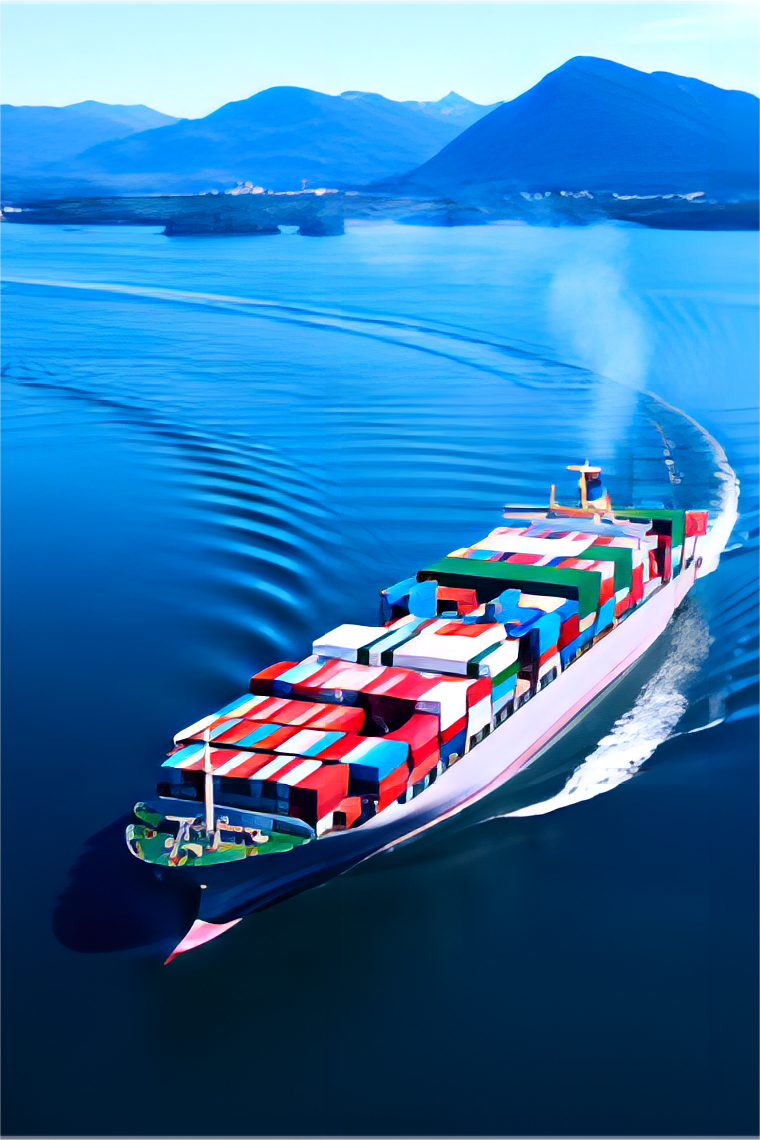
❖Ocean transport serves as the backbone of global trade, especially for heavy machinery and consumer electronics. While it offers the lowest cost per unit, it also requires the longest lead times. For example, a standard shipment might take five weeks to reach its destination.
Comparing sea freight to air or rail reveals significant trade-offs in terms of speed and budget. Specifically, sea freight costs approximately 10 to 15 percent of what you would pay for air transport. However, you must account for the inventory carrying costs associated with longer transit periods.
Alternative strategies involve balancing these methods based on your specific inventory needs. For instance, some companies use sea freight for 80 percent of their stock and air freight for urgent restocks. This hybrid approach ensures product availability without breaking the logistics budget.
| Sea Freight (FCL) | $1,900 – $4,200 | 28 – 38 Days | Bulk goods / Large volume |
| Air Freight | $4.50 – $8.50/kg | 3 – 7 Days | High-value / Urgent |
| Rail Freight | $1,200 – $2,800 | 15 – 22 Days | E-commerce / Mid-size |
| Express | $7.00 – $12.00/kg | 2 – 4 Days | Samples / Documents |
Air Freight Rates and Transit Times
❖When speed is the absolute priority, air freight provides the fastest connection between Chinese manufacturing hubs and German markets. Indeed, transit times have improved in 2026 due to increased flight frequencies and streamlined ground handling. As a result, many high-tech companies rely exclusively on this method.
Pricing for air cargo is generally calculated based on either actual weight or volumetric weight. Moreover, peak season surcharges can double the rates during the final quarter of the year. Consequently, booking at least two weeks in advance is recommended to secure better pricing.
Moreover, the security protocols for air cargo are much more stringent than other methods. This reduces the risk of theft or damage for sensitive electronics and luxury items. Nevertheless, the environmental impact and high cost make it less suitable for low-margin commodities.
Rail Freight: The Middle Ground for China-Germany Logistics
❖The expansion of the Iron Silk Road has made rail freight an increasingly popular choice for mid-range budgets. Specifically, it offers a transit time that is twice as fast as sea freight but significantly cheaper than air. Therefore, it fills a vital gap in the logistics market.
Most rail shipments depart from inland cities like Chengdu or Chongqing and arrive in Duisburg or Hamburg. Furthermore, rail transport is less affected by weather conditions compared to sea or air. Accordingly, it offers high reliability for scheduled deliveries.
In addition, rail freight is often cited as a more sustainable alternative to air transport. While it cannot match the speed of a plane, it provides a much lower carbon footprint. Indeed, many European corporations are switching to rail to meet their corporate sustainability goals.
| 20GP Container | $1,850 – $2,400 | 28,000 kg | 33 CBM |
| 40GP Container | $2,900 – $3,700 | 26,000 kg | 67 CBM |
| 40HQ Container | $3,100 – $4,100 | 26,000 kg | 76 CBM |
Which Shipping Option Should You Choose?
❖Choosing the right method depends on your specific business objectives and the nature of your cargo. If your priority is minimizing costs and you have flexible timelines, sea freight is the clear winner. Conversely, if you are launching a new product and need it in stores immediately, air freight is necessary.
Volume thresholds also play a major role in the decision-making process. For shipments under 15 CBM, LCL sea freight or rail freight often provide the best value. Meanwhile, shipments exceeding 20 CBM usually justify the cost of a full 20ft container.
Consider the following criteria for your 2026 logistics strategy: Budget priority suggests sea freight; Speed priority suggests air freight; Stability priority suggests rail freight. Without a doubt, consulting with a professional freight forwarder can help refine these choices based on real-time data.
Case Study 1: Electronics Components from Shenzhen to Berlin
❖Route: Shenzhen, China to Berlin, Germany. Cargo: Circuit boards, 8 CBM, 1,200 kg. Container: LCL shipment. Shipping Details: Carrier: Major air carrier. Port of Loading: Shenzhen Bao’an. Port of Discharge: Berlin Brandenburg. Route Type: Direct. Cost Breakdown: Air Freight: $6,600. Origin Charges: $250. Destination Charges: $320. Customs & Duties: $1,100. Total Landed Cost: $8,270. Timeline: Booking to Loading: 2 days. Air Transit: 2 days. Customs Clearance: 1 day. Total Door-to-Door: 5 days. Key Insight: Choosing air freight allowed the client to meet a critical production deadline despite a manufacturing delay.
Case Study 2: Consumer Goods from Ningbo to Hamburg
❖Route: Ningbo, China to Hamburg, Germany. Cargo: Plastic household items, 68 CBM, 12,000 kg. Container: 40HQ FCL. Shipping Details: Carrier: COSCO. Port of Loading: Ningbo-Zhoushan. Port of Discharge: Hamburg. Route Type: Direct. Cost Breakdown: Ocean Freight: $3,450. Origin Charges: $450. Destination Charges: $580. Customs & Duties: $2,100. Total Landed Cost: $6,580. Timeline: Booking to Loading: 5 days. Sea Transit: 32 days. Customs Clearance: 3 days. Total Door-to-Door: 40 days. Key Insight: Utilizing FCL instead of multiple LCL shipments saved the client approximately 18 percent in total logistics costs. Based on Q1 2026 market rates.
Customs Brokerage and Documentation
❖Navigating German customs requires precise documentation and adherence to European Union regulations. Using a professional customs brokerage service can prevent costly delays at the border. For instance, incorrect HS code classification can lead to significant fines.
Required documents typically include the Commercial Invoice, Packing List, and Bill of Lading. Additionally, certain products may require specific certificates of origin or safety compliance documents. Therefore, preparing these files well in advance is essential for a smooth clearance process.
Moreover, the German customs authorities are known for their efficiency but also their strictness. Consequently, any discrepancy in weight or value declarations can trigger a manual inspection. As a result, working with experts ensures that all paperwork meets the necessary legal standards.
Door to Door Shipping Solutions
❖For many businesses, a comprehensive door to door service offers the most convenience. This model handles everything from the initial pickup at the Chinese factory to the final delivery at the German warehouse. Indeed, it simplifies the supply chain by providing a single point of contact.
This service usually includes inland trucking, export customs, international freight, and final mile delivery. Furthermore, it often incorporates DDP (Delivered Duty Paid) terms, meaning the forwarder handles all taxes and duties. Accordingly, the buyer receives the goods without any unexpected expenses.
Meanwhile, the visibility provided by modern tracking systems allows you to monitor your shipment at every stage. Consequently, you can provide accurate delivery updates to your customers or production teams. Without a doubt, this transparency is a major advantage in the competitive 2026 market.
Final Thoughts on Shipping Rates China to Germany
In summary, securing the best shipping rates China to Germany in 2026 requires a strategic approach to selecting freight methods. While sea freight offers the lowest cost for bulk items, air and rail provide necessary speed and reliability for specific scenarios. By understanding the current market trends and working with experienced partners, you can significantly reduce your logistics overhead.
Furthermore, always remember that the cheapest rate is not always the best value if it results in delays or damaged goods. Therefore, prioritize reliability and comprehensive service when choosing your freight forwarder. We recommend requesting quotes for multiple methods to find the perfect balance for your unique cargo requirements.

Ready to streamline your logistics?
Ready to optimize your supply chain with the best shipping rates China to Germany? Contact Top China Freight today for a customized quote and expert logistics advice. Our team is dedicated to finding the most efficient and cost-effective solutions for your business. Visit our website or send an inquiry to get started with your 2026 shipping strategy.
Request Quote