

Customs Clearance China to UK: 2026 Comprehensive Guide for Importers
Navigating the complexities of customs clearance china to UK requires a deep understanding of post-Brexit regulations and international trade laws. Many businesses struggle with unexpected delays and hidden costs when importing goods from Asia. However, by partnering with experienced logistics experts, you can streamline your supply chain and ensure your cargo reaches its destination efficiently. Consequently, this guide provides the essential knowledge needed to handle the import process with confidence in 2026.

What is the Current Landscape for Customs Clearance China to UK in 2026?
Importing goods into the United Kingdom has evolved significantly since the implementation of new digital border systems in 2025. Currently, the UK government emphasizes the use of the Customs Declaration Service (CDS), which has replaced older platforms to provide more transparency. Furthermore, businesses must now account for updated environmental regulations that influence how certain products are cleared at the port of entry.
Importers often face challenges related to fluctuating freight rates and changing tariff codes. Nevertheless, staying informed about the latest policy shifts ensures that your shipments avoid unnecessary seizures or fines. In addition, the relationship between Chinese exporters and UK buyers remains robust, driven by the demand for high-quality manufacturing and competitive pricing.
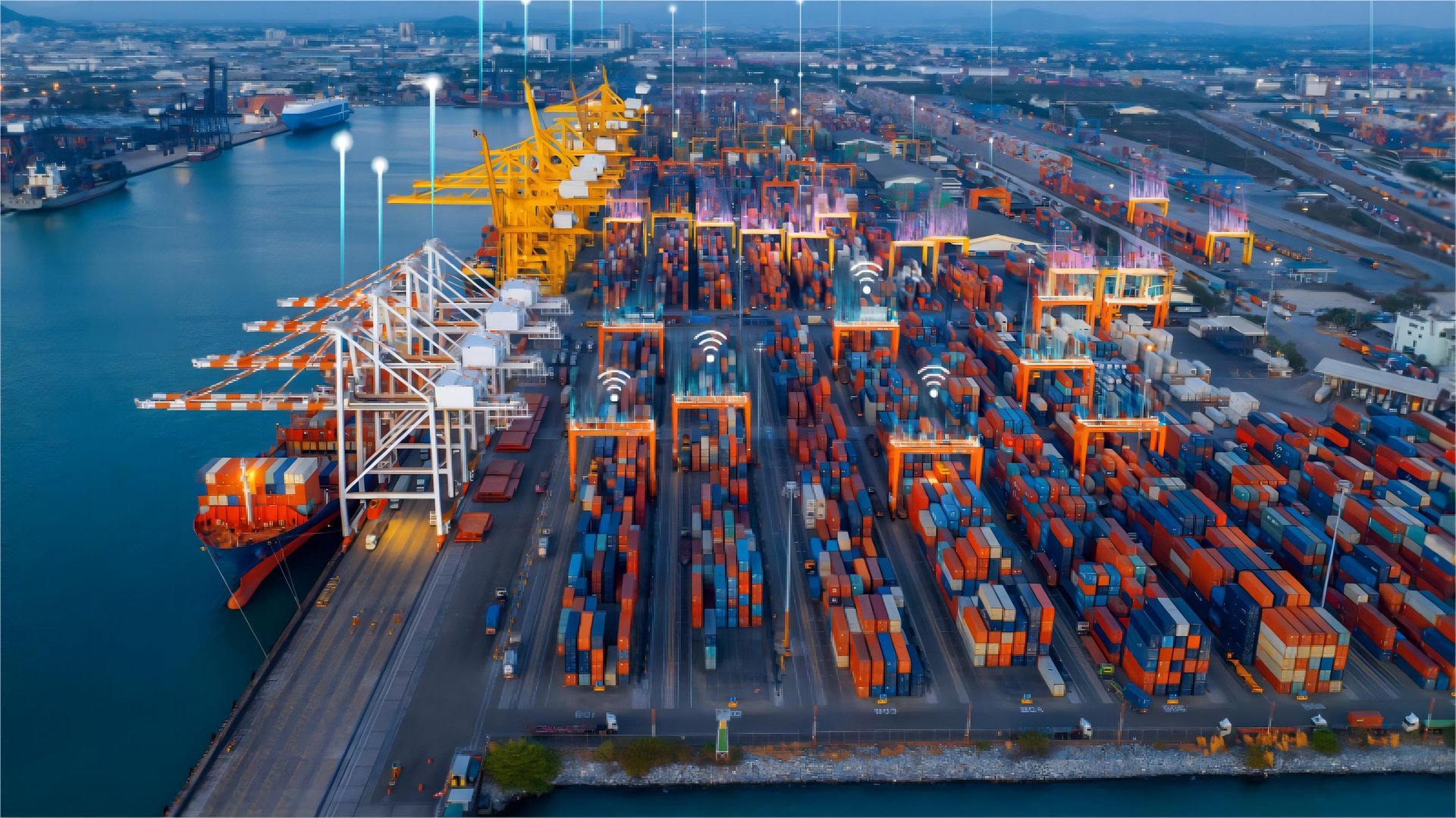
Specifically, the 2026 trade environment requires a meticulous approach to data accuracy. Therefore, ensuring that every detail on your commercial invoice matches the physical cargo is more critical than ever before. Meanwhile, the integration of AI-driven tracking systems allows for better visibility throughout the transit process from major Chinese hubs like Shanghai and Shenzhen.
The Importance of EORI Numbers
Every business importing into the UK must possess a valid Economic Operator Registration and Identification (EORI) number. Without this identifier, your goods will be held at the border indefinitely, leading to significant storage fees. Moreover, you should verify that your EORI number is linked to your VAT account to facilitate seamless tax accounting.
Why is Professional Customs Brokerage Essential for UK Imports?
Engaging a professional customs brokerage service can save your business thousands of pounds in potential errors. Experts in the field understand the nuances of commodity codes, ensuring that you pay the correct amount of duty and VAT. Consequently, they act as a vital bridge between your business and His Majesty’s Revenue and Customs (HMRC).
Additionally, brokers can assist with complex paperwork such as Certificates of Origin and specialized licenses for restricted goods. Indeed, many successful importers credit their smooth operations to the proactive management provided by their clearance agents. By outsourcing this task, you can focus on core business activities while specialists handle the regulatory hurdles.
Furthermore, a broker can provide advice on duty deferment accounts, which allow you to delay payment of import taxes. This strategy can significantly improve your cash flow, particularly when dealing with high-volume shipments. To summarize, the expertise of a broker is an investment in the stability of your international supply chain.
How Does Sea Freight Compare to Other Shipping Options?
Choosing the right transport mode is a balancing act between cost and speed. For most large-scale importers, sea freight remains the most economical choice for transporting goods from China to the UK. Although it offers the lowest cost per unit, the transit times are considerably longer than other methods.
On the other hand, businesses with time-sensitive cargo often turn to air freight to meet tight deadlines. While the expense is higher, the reduction in lead time can be a decisive factor for high-value electronics or fashion items. In contrast, rail freight has emerged as a middle-ground solution, offering faster delivery than the ocean but at a lower price point than air.
To provide a clearer picture, the following table outlines the key differences between these primary shipping methods as of early 2026 market rates.
| Shipping Method | Cost Range | Transit Time | Best For |
|---|---|---|---|
| Sea Freight (FCL) | $3,200 – $4,500 | 30 – 38 Days | Bulk Goods |
| Air Freight | $5.50 – $9.00/kg | 5 – 8 Days | Urgent Cargo |
| Rail Freight | $2,100 – $3,000 | 18 – 22 Days | Mid-range |
| Express | $9.50 – $14.00/kg | 3 – 5 Days | Small Parcels |
Cost-Saving Strategies
Importers can reduce costs by consolidating smaller shipments into a single Less than Container Load (LCL) shipment. Alternatively, booking your space several weeks in advance can help you secure lower freight rates before peak season price hikes. Finally, always compare quotes from multiple carriers to ensure you are receiving the best market value.

Exploring Alternative Strategies for China to UK Logistics
Beyond standard shipping, several hybrid solutions have gained popularity in 2026. For instance, Sea-Air solutions involve shipping goods by sea to a hub like Dubai or Singapore and then flying them to the UK. This approach provides a significant speed advantage over pure sea freight while remaining much cheaper than direct air transport.
Another alternative involves transshipment through Europe to leverage different port efficiencies. Sometimes, clearing customs in a neighboring European port and then using road freight to cross the channel can bypass congestion at major UK ports like Felixstowe. However, this requires careful coordination to manage the additional documentation required for transit.
Without a doubt, the best strategy depends on your specific cargo type and budget constraints. For example, if you are shipping non-perishable goods with a flexible timeline, the slow-steaming ocean route is unbeatable for cost efficiency. Conversely, if you are launching a new product, a split-shipment strategy using both air and sea might be the most effective way to manage inventory.
| Strategy | Pros | Cons | Suitability |
|---|---|---|---|
| Direct Sea | Lowest Cost | Longest Time | Standard Stock |
| Sea-Air Hybrid | Balanced Speed | Complex Docs | Seasonal Tech |
| Direct Air | Max Speed | High Expense | Medical/Luxury |
| Rail-Sea | Stable Rates | Geopolitical Risk | Heavy Machinery |
What Documentation is Required for Smooth Customs Processing?
Accurate documentation is the backbone of successful customs clearance china to UK operations. Primarily, you must provide a Commercial Invoice that clearly states the buyer, seller, and a detailed description of the goods. In addition, the Packing List should specify the weight, dimensions, and contents of every individual package within the shipment.
Moreover, the Bill of Lading (for sea) or Air Waybill (for air) serves as the contract of carriage and a document of title. If your goods qualify for preferential tariffs under specific trade agreements, you will also need a Certificate of Origin. Failing to provide these documents in a timely manner will inevitably lead to port demurrage charges and delivery delays.
Notably, the UK has strict requirements for safety and security declarations. Consequently, your freight forwarder must submit an Entry Summary Declaration (ENS) before the cargo arrives at the UK border. This proactive measure allows customs authorities to perform risk assessments and expedite the release of low-risk shipments.
| Document | Purpose | Required By | Criticality |
|---|---|---|---|
| Commercial Invoice | Valuation/Tax | HMRC | High |
| Packing List | Inspection | Port Authority | High |
| Bill of Lading | Title/Transit | Carrier | High |
| EORI Number | Identification | UK Border | High |
Real Case Studies: Customs Clearance China to UK in Action
Examining real-world scenarios helps illustrate the practical application of the strategies discussed above. Below are two distinct cases from our 2026 logistics records that highlight how different cargo types are handled through the UK border.
Case Study 1: Electronics from Shenzhen to London
Case Study 1: High-Value Tech Components +———————————————————+ | Route: Shenzhen, China to London, UK | | Cargo: Smart Home Sensors, 12 CBM, 2,800 kg | | Container: LCL (Less than Container Load) | | | | Shipping Details: | | – Carrier: Maersk Line | | – Port of Loading: Shenzhen (Yantian) | | – Port of Discharge: London Gateway | | – Route Type: Direct via Suez Canal | | | | Cost Breakdown: | | – Ocean Freight: $1,450 | | – Origin Charges: $320 | | – Destination Charges: $450 | | – Customs and Duties: $1,200 | | – Total Landed Cost: $3,420 | | | | Timeline: | | – Booking to Loading: 4 days | | – Sea Transit: 32 days | | – Customs Clearance: 2 days | | – Total Door-to-Door: 42 days | | | | Key Insight: Early submission of the ENS declaration | | prevented a potential 5-day delay during peak Q3. | +———————————————————+
Case Study 2: Textiles from Ningbo to Felixstowe
Case Study 2: Seasonal Apparel Shipment +———————————————————+ | Route: Ningbo, China to Felixstowe, UK | | Cargo: Organic Cotton T-shirts, 68 CBM, 14,000 kg | | Container: 40HQ (High Cube) | | | | Shipping Details: | | – Carrier: COSCO Shipping | | – Port of Loading: Ningbo-Zhoushan | | – Port of Discharge: Felixstowe | | – Route Type: Direct Service | | | | Cost Breakdown: | | – Ocean Freight: $4,100 | | – Origin Charges: $550 | | – Destination Charges: $680 | | – Customs and Duties: $2,850 | | – Total Landed Cost: $8,180 | | | | Timeline: | | – Booking to Loading: 6 days | | – Sea Transit: 35 days | | – Customs Clearance: 1 day | | – Total Door-to-Door: 48 days | | | | Key Insight: Utilizing a deferment account allowed the | | importer to maintain cash flow for local distribution. | +———————————————————+
Which Shipping Option Should You Choose for Your UK Cargo?
Determining the best logistics path requires a clear assessment of your business priorities. If your primary goal is to minimize expenditure, then sea freight is the logical choice, provided you have the inventory to cover the long transit time. However, if you are dealing with perishable goods or urgent replacements, the speed of air freight justifies the premium cost.
Specifically, consider the following decision framework to guide your choice. For shipments over 15 CBM, a full container (FCL) usually offers better security and lower per-unit costs than LCL. Conversely, for small trial orders or samples, express services provide a seamless door to door experience with minimal administrative burden on your part.
Ultimately, the most successful importers are those who remain flexible and adapt to changing market conditions. By maintaining a relationship with a versatile freight forwarder, you can pivot between shipping methods as rates and transit times fluctuate throughout the year. Always remember to factor in the total landed cost, including all duties and terminal fees, rather than just the base freight rate.
Final Thoughts on Importing from China to the UK
Successfully managing customs clearance china to UK in 2026 requires a proactive approach to documentation, a clear understanding of tax obligations, and the right logistics partners. By following the strategies outlined in this guide, you can significantly reduce the risk of delays and optimize your shipping costs. Moreover, the integration of professional brokerage services and digital tracking tools has made the process more transparent than ever.
Indeed, the landscape of international trade continues to shift, but the fundamentals of accuracy and planning remain constant. Whether you choose sea, air, or rail, ensuring your paperwork is flawless is the key to a smooth border experience. We encourage you to use this information to build a more resilient and efficient supply chain for your UK-based operations.

Ready to streamline your logistics?
Streamline your international trade today by partnering with our expert team for customs clearance china to UK. Whether you are shipping bulk containers or urgent air freight, we provide the precision and reliability your business deserves. Contact us now for a personalized quote and let us handle the complexities of the UK border for you. Visit our inquiry page to get started.
Request Quote