
Cargo Shipping China to UK: 2026 Expert Guide on Costs and Transit
Navigating the complexities of cargo shipping China to UK requires a strategic approach to balance speed and budget. As of early 2026, the logistics landscape has evolved, presenting new opportunities for importers to streamline their global supply chain operations. This guide provides comprehensive insights into the most efficient methods for transporting goods between these two major economic hubs while minimizing unexpected delays. Consequently, businesses can make informed decisions that enhance their bottom line and ensure consistent delivery schedules throughout the year.

What Are the Primary Methods for Cargo Shipping China to UK?
Choosing the right transportation mode is the first critical step in managing your international logistics effectively. Currently, importers can select from sea freight, air freight, rail freight, and express courier services based on their specific cargo requirements. Each method offers a unique balance of transit time and cost, which directly impacts your overall landing costs.
Sea freight remains the backbone of global trade, especially for large volumes of goods that do not require immediate delivery. Furthermore, the capacity of modern container ships allows for significant economies of scale that other methods cannot match. Businesses often choose this route for heavy machinery, bulk consumer goods, and raw materials.
Air freight provides the fastest possible transit for time-sensitive shipments or high-value items. Although the costs are considerably higher than sea or rail, the reduced inventory holding costs can sometimes justify the investment. Specifically, electronic components and fashion items frequently travel via air to meet tight market deadlines.
Rail freight has emerged as a powerful middle-ground solution for cargo shipping China to UK over the last decade. It offers a faster transit time than sea freight while remaining much more affordable than air transport. This method is particularly popular for automotive parts and mid-value consumer electronics.
How Much Does Cargo Shipping China to UK Cost in 2026?
Understanding the pricing structure for international shipments is essential for accurate budgeting and financial planning. Freight rates are influenced by several factors, including fuel surcharges, seasonal demand, and carrier capacity availability. In 2026, market rates have stabilized compared to previous years, yet they still fluctuate based on global economic conditions.
Ocean freight costs are typically calculated per container for Full Container Load (FCL) or per cubic meter for Less than Container Load (LCL). Additionally, air freight is priced based on chargeable weight, which considers both the actual weight and the volumetric size of the cargo. Consequently, optimizing your packaging can lead to significant cost savings over time.
Rail freight pricing is generally more stable than sea freight, providing a predictable expense for long-term planning. Moreover, express services offer all-inclusive pricing that covers door-to-door delivery, making them ideal for smaller parcels. For those looking to save, booking shipments at least three to four weeks in advance is highly recommended.
| Shipping Method | Average Cost (2026) | Transit Time | Capacity Type |
|---|---|---|---|
| Sea Freight (40HQ) | $3,500 – $4,500 | 30 – 38 Days | Full Container |
| Sea Freight (LCL) | $60 – $90 / CBM | 35 – 42 Days | Shared Container |
| Air Freight | $5.50 – $8.50 / kg | 5 – 8 Days | Cargo Plane |
| Rail Freight | $140 – $190 / CBM | 18 – 25 Days | Block Train |
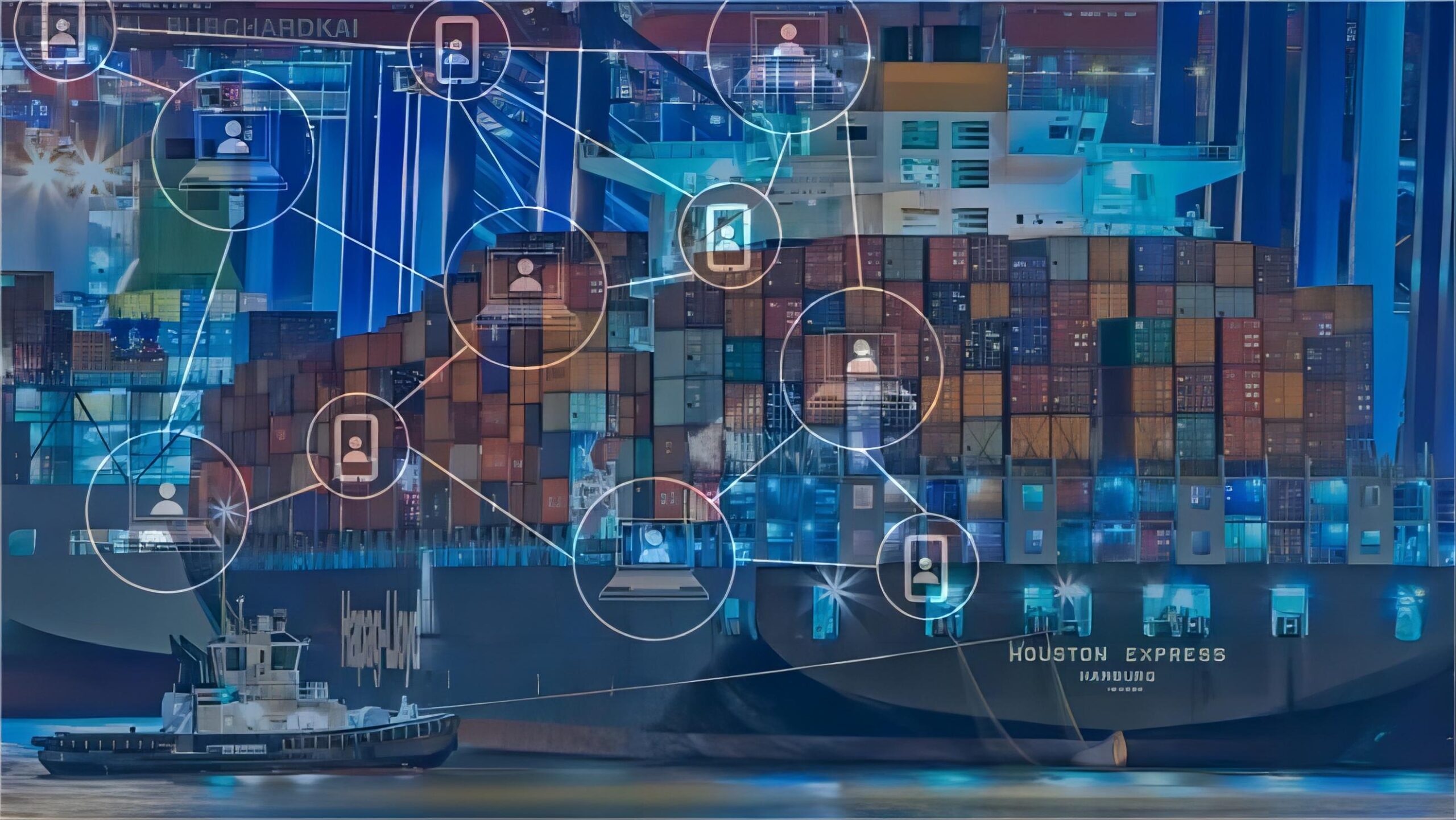
Understanding Sea Freight: FCL vs LCL Options
Utilizing sea freight is the most cost-effective strategy for shipping large quantities of goods to the UK. When using this method, you must decide between Full Container Load (FCL) and Less than Container Load (LCL). This decision usually depends on your total cargo volume and how quickly you need the goods to arrive.
FCL shipping means you have exclusive use of a 20ft or 40ft container, which reduces the risk of damage from other shippers’ cargo. Furthermore, FCL shipments are generally faster because they do not require the consolidation and deconsolidation processes associated with LCL. For shipments exceeding 15 cubic meters, FCL is almost always the more economical choice.
LCL shipping allows multiple importers to share space within a single container, making it perfect for smaller shipments. However, you should account for an extra 5 to 7 days in transit time to allow for the sorting of goods at both the origin and destination ports. Nevertheless, LCL remains a vital tool for small businesses testing new products in the UK market.
Why Choose Air Freight for Urgent Shipments?
Speed is the primary advantage of air freight, making it indispensable for urgent cargo shipping China to UK. For instance, if a production line in the UK is halted due to a missing component, the high cost of air transport is negligible compared to the cost of downtime. Most air shipments reach their destination within a week, including customs clearance.
Security is another significant benefit, as airports maintain very high levels of surveillance and cargo handling standards. Consequently, the risk of theft or damage is significantly lower compared to sea or rail transit. This makes air freight the preferred choice for high-value items like jewelry, premium electronics, and pharmaceuticals.
Inventory management becomes much simpler when transit times are measured in days rather than weeks. In addition, shorter transit times mean you can react more quickly to changing market trends in the UK. While the price per kilogram is high, the overall reduction in insurance premiums and warehousing costs can be substantial.
The Strategic Advantage of Rail Freight from China
Reliability has become the hallmark of rail freight as it connects major Chinese industrial hubs directly to European rail networks. For many businesses, this method offers the perfect middle ground between the slow speed of sea and the high cost of air. Indeed, the China-Europe Railway Express has revolutionized how mid-value goods are moved across the continent.
Environmental impact is also a growing concern for many UK companies looking to reduce their carbon footprint. Rail transport is significantly greener than air freight and often more efficient than long-haul sea routes that involve multiple transshipments. Therefore, choosing rail can help your business meet its sustainability goals while maintaining a competitive supply chain.
Transit times for rail shipments typically range from 18 to 25 days, depending on the specific origin city in China. Moreover, the rail route is less susceptible to the weather-related delays that often plague sea shipping during typhoon seasons. This consistency allows for much more accurate inventory planning and customer delivery promises.
How Does Sea Freight Compare to Other Shipping Options?
Analyzing the trade-offs between different logistics methods is essential for any professional importer. While sea freight is the cheapest, it requires the most capital to be tied up in transit for over a month. On the other hand, air freight offers rapid turnover but can quickly erode profit margins if not used sparingly. Rail freight serves as a strategic alternative that balances these extremes effectively.
Direct sea routes from China to the UK are generally more expensive but save valuable time compared to transshipment options. For example, a direct vessel to Southampton might cost 15 percent more than a route via Singapore but arrives a week earlier. Meanwhile, hybrid solutions like sea-air combinations are gaining popularity for shipments that are urgent but not critical.
Cost-saving strategies often involve mixing these methods based on seasonal demand and product lifecycle. For instance, you might use air freight for a product launch and then switch to sea freight for regular replenishment. This hybrid approach ensures you capture market share immediately without sacrificing long-term profitability.
| Shipping Method | Cost Range | Transit Time | Best For | Limitations |
|---|---|---|---|---|
| Sea Freight | $2,000 – $4,500 | 30 – 40 Days | Heavy Cargo | Slow Speed |
| Air Freight | $5,000 – $15,000 | 3 – 7 Days | High Value | High Cost |
| Rail Freight | $3,000 – $5,500 | 18 – 25 Days | E-commerce | Route Limits |
| Express | $8.00 – $12.00/kg | 3 – 5 Days | Samples | Weight Limits |
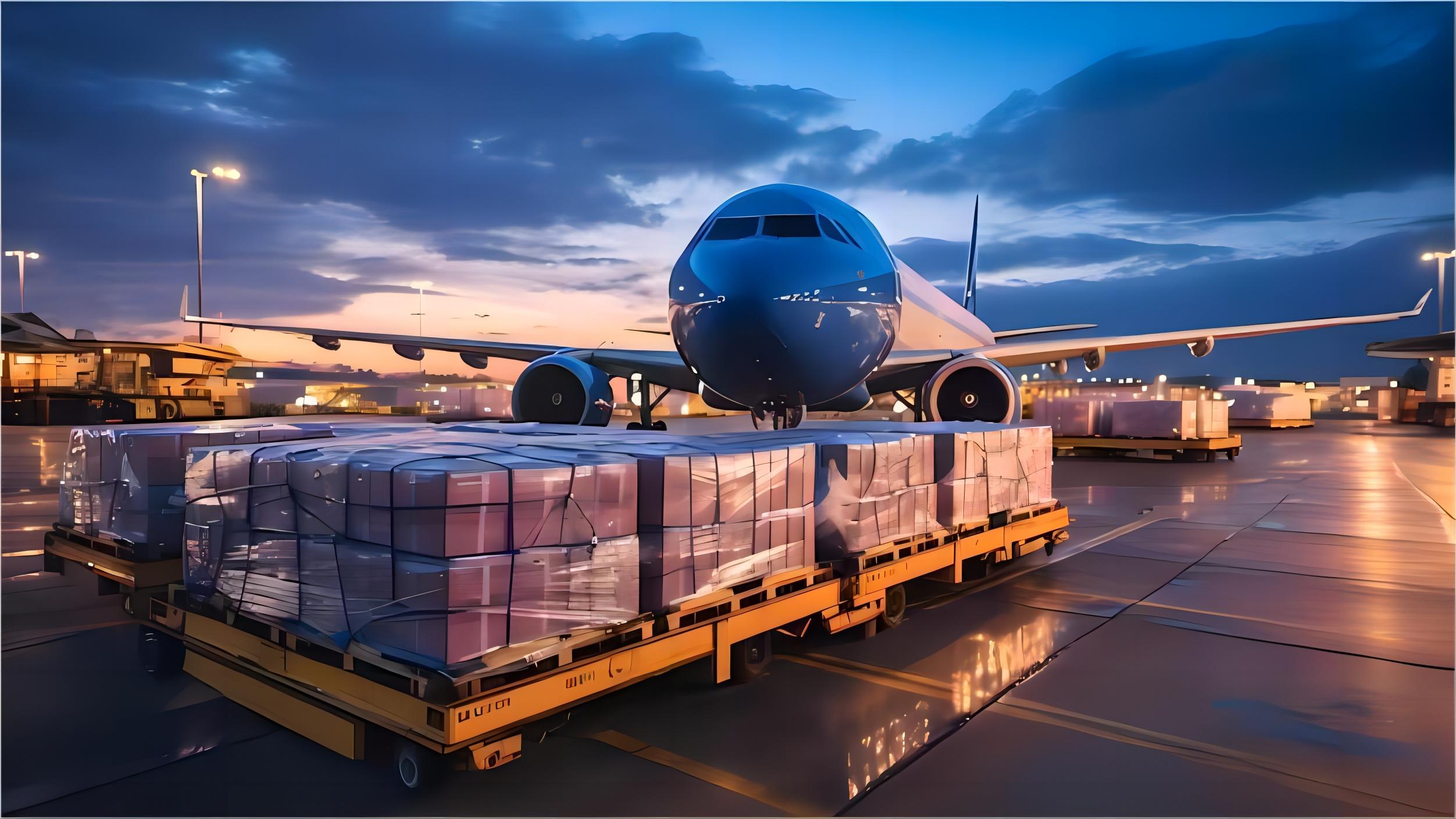
Navigating Customs Clearance and UK Import Regulations
Professional customs brokerage services are vital for ensuring your cargo shipping China to UK complies with all legal requirements. Since Brexit, the UK has implemented its own set of customs rules and tariff codes that differ from the European Union. Failing to provide the correct documentation can result in heavy fines and prolonged cargo seizures at the port of entry.
Documentation requirements usually include a commercial invoice, a detailed packing list, and a bill of lading or airway bill. Additionally, you must ensure your goods are classified under the correct Commodity Code to determine the accurate rate of import duty and VAT. Mistakes in classification are the most common cause of customs delays in the UK.
Applying for an EORI number is a mandatory step for any business importing goods into the UK. Furthermore, understanding Incoterms like DDP (Delivered Duty Paid) or FOB (Free on Board) is crucial for defining the responsibilities between the buyer and seller. Working with an experienced freight forwarder can simplify this process significantly and prevent costly errors.
Real-World Case Studies: Cargo Shipping China to UK
Reviewing actual shipping scenarios can provide valuable context for your own logistics planning. These examples reflect the typical costs and timelines experienced by importers in the current 2026 market. Each case highlights how different methods can be applied to solve specific business challenges effectively.
Case Study 1: Electronics from Shenzhen to London Gateway. A tech company needed to ship 15 CBM of high-end tablets. They chose LCL Sea Freight to balance cost and safety. The shipment took 36 days door-to-door, with a total landed cost of $2,450. The key insight was that early booking secured a lower rate during the pre-CNY peak.
Case Study 2: Industrial Parts via Rail from Xi’an to London. A manufacturing firm required urgent spare parts that were too heavy for air freight. They opted for Rail Freight, which delivered the 2,500kg shipment in 22 days. The total cost was $4,800, which was 60 percent cheaper than the air freight quote they initially received.
Case Study 3: Furniture from Ningbo to Felixstowe. A retailer imported a 40HQ container of home office furniture using FCL Sea Freight. The ocean transit took 32 days, and the total cost including UK drayage was $4,200. This successful shipment was attributed to meticulous packing that maximized container space and reduced the per-unit shipping cost.
Door to Door Cargo Shipping China to UK: Is it Worth It?
Choosing door to door shipping simplifies the entire logistics chain by providing a single point of contact for the whole journey. This service covers everything from the initial pickup at the factory in China to the final delivery at your UK warehouse. Consequently, you do not have to worry about coordinating between different carriers and customs agents.
Efficiency is the main reason many small and medium enterprises prefer this all-inclusive model. Instead of managing multiple invoices and tracking numbers, you receive one comprehensive quote and one tracking update. This allows your team to focus on sales and marketing rather than getting bogged down in administrative logistics tasks.
Transparency in pricing is another major benefit, as door-to-door rates typically include all local charges and port fees. In contrast, port-to-port shipping often involves hidden destination charges that can surprise inexperienced importers. While the upfront quote might seem higher, the lack of hidden fees often makes it more cost-effective in the long run.
Which Shipping Option Should You Choose?
Deciding on the best method for cargo shipping China to UK depends on several variables unique to your business. If your primary goal is to minimize costs and your lead times are flexible, sea freight is the clear winner. However, if you are shipping perishable goods or high-value electronics, the speed and security of air freight are worth the premium.
Volume thresholds often dictate when it is time to switch from LCL to FCL or from express to air freight. For instance, once your shipment exceeds 100kg, air freight becomes more economical than express courier services. Similarly, when your cargo reaches 15 CBM, a 20GP container usually offers a lower per-unit cost than LCL shipping.
Strategic planning should also account for seasonal fluctuations in the shipping industry. Rates typically spike during the Golden Week in October and the weeks leading up to the Chinese New Year. By planning your shipments around these periods, you can avoid both the highest prices and the most severe port congestion.
Final Thoughts on Cargo Shipping China to UK
Successful cargo shipping China to UK in 2026 requires a deep understanding of the available transport modes and the regulatory environment. By carefully weighing the pros and cons of sea, air, and rail freight, you can build a resilient supply chain that supports your business growth. Furthermore, staying informed about market trends and customs requirements will help you avoid unnecessary delays and expenses.
Partnering with a reliable freight forwarder is often the most effective way to navigate these complexities. Whether you are a first-time importer or an established business, having expert support ensures that your goods arrive safely and on time. Start optimizing your logistics strategy today to gain a competitive edge in the UK market. Note: Freight rates are subject to change based on fuel costs, carrier capacity, and seasonal demand. Contact us for a current quote tailored to your specific shipment.
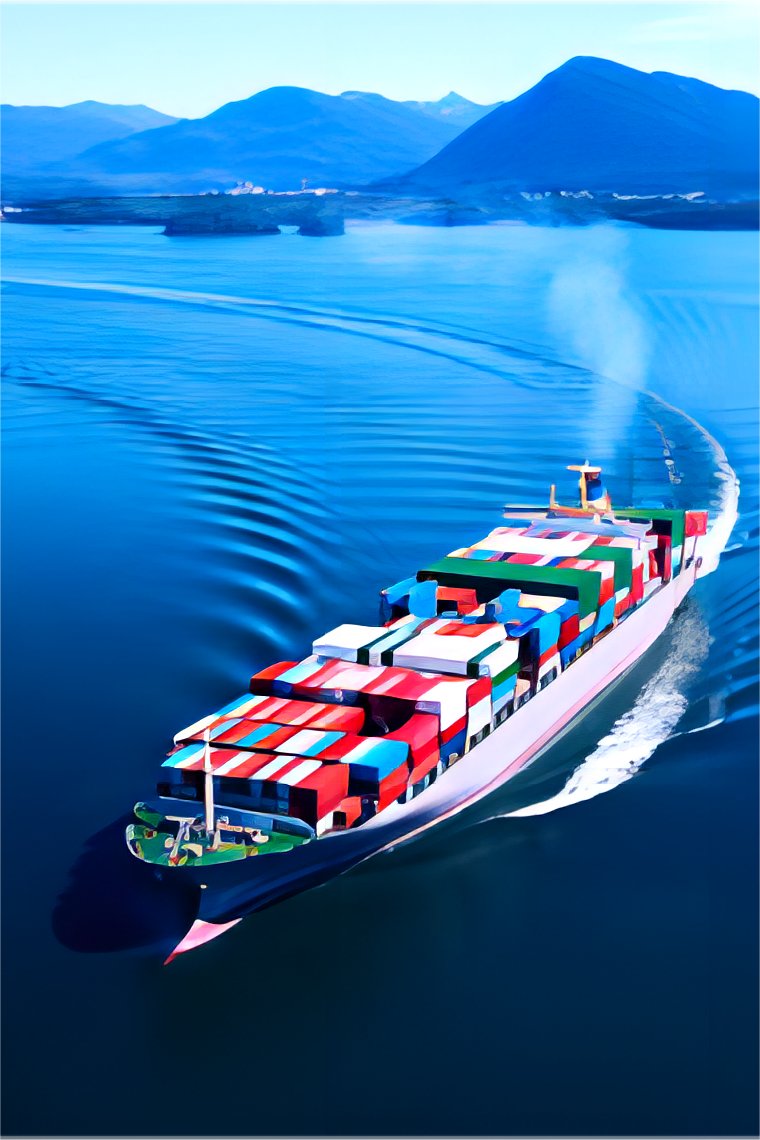
Get Your Shipping Quote Today
Ready to streamline your cargo shipping China to UK operations? Contact Top China Freight today for a customized quote and expert logistics advice. Our team is dedicated to finding the most efficient and cost-effective shipping solutions for your business. Visit our website to learn more about our comprehensive freight services and start your next shipment with confidence.
Request Quote