Import Shipping from China to UK: 2026 Logistics Guide
Successfully managing import shipping from china to UK requires a deep understanding of global logistics and local regulations. As of 2026, businesses must navigate a complex landscape of shifting trade routes and evolving customs protocols. By partnering with Top China Freight, importers can streamline their supply chain and ensure timely delivery of goods. This comprehensive guide explores every facet of the shipping process to help you make informed decisions for your enterprise.
How Does Sea Freight Compare to Other Shipping Options?
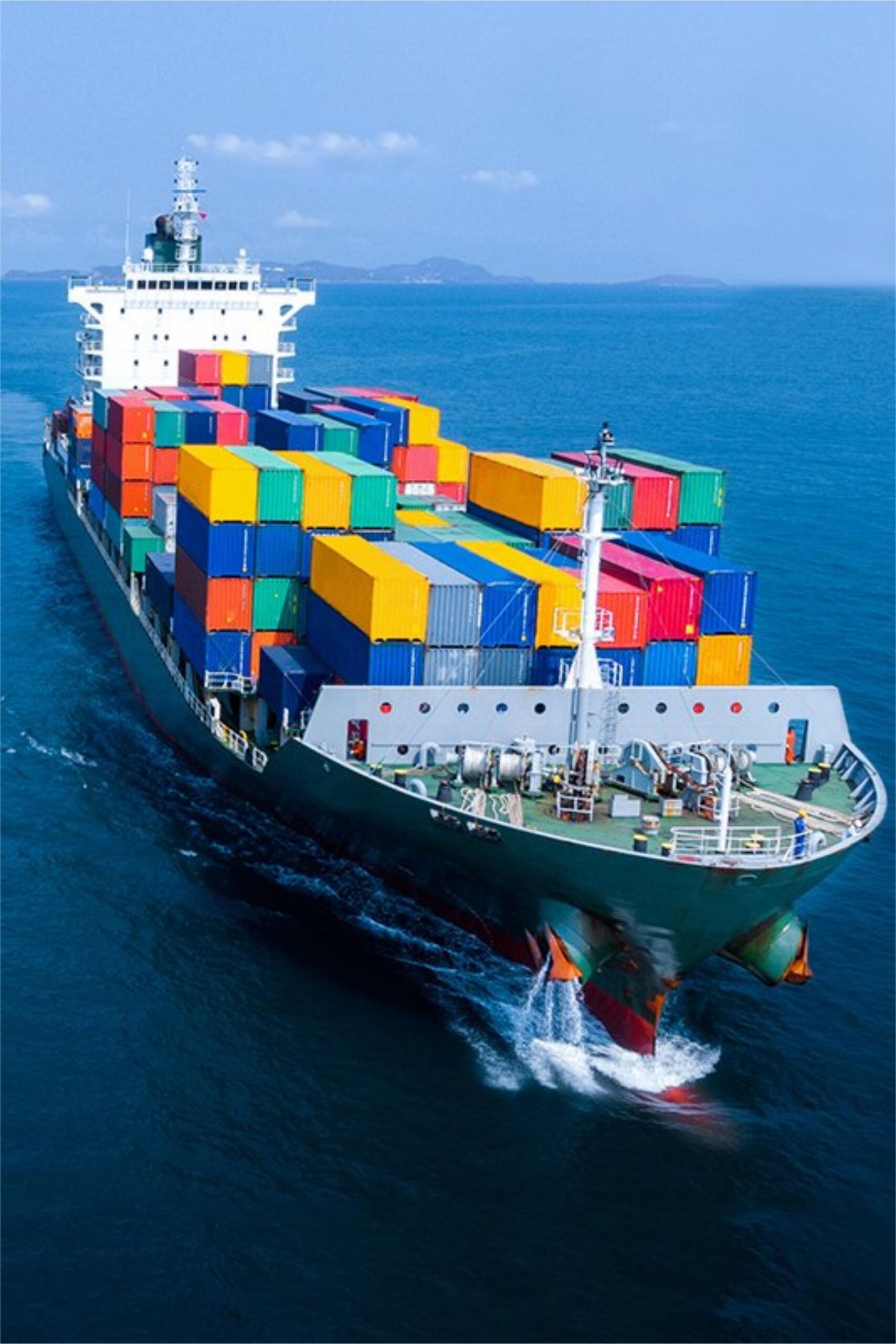
Ocean transport remains the backbone of international trade for companies involved in large-scale manufacturing. When you choose sea freight, you benefit from the lowest cost per unit for high-volume shipments. However, this method requires significant lead time due to the long transit distances involved. Consequently, importers must plan their inventory cycles several months in advance to avoid stockouts.
Moreover, sea shipping is divided into Full Container Load (FCL) and Less than Container Load (LCL). FCL is ideal for businesses that can fill a 20ft or 40ft container, offering better security and faster handling. On the other hand, LCL allows smaller businesses to share container space, which reduces costs for minor shipments. Nevertheless, LCL often involves longer transit times due to the consolidation and deconsolidation processes at the ports.
In addition, 2026 market data suggests that ocean freight rates have stabilized compared to the volatility of previous years. While sea freight is the slowest option, it is also the most environmentally friendly per ton of cargo. Therefore, it remains the preferred choice for bulk commodities, heavy machinery, and non-urgent consumer goods. Indeed, the trade-off between speed and cost is the primary consideration for UK-based importers.
| Shipping Method | Cost Range | Transit Time | Best For |
|---|---|---|---|
| Sea Freight (FCL) | $3,200 – $4,500 | 30 – 40 Days | Bulk Goods |
| Air Freight | $5.50 – $9.00/kg | 5 – 8 Days | High-Value Items |
| Rail Freight | $2,500 – $3,800 | 18 – 25 Days | Mid-sized Cargo |
| Express Service | $9.00 – $15.00/kg | 3 – 5 Days | Samples / Urgent |
The Strategic Advantage of Air Freight for Urgent Cargo
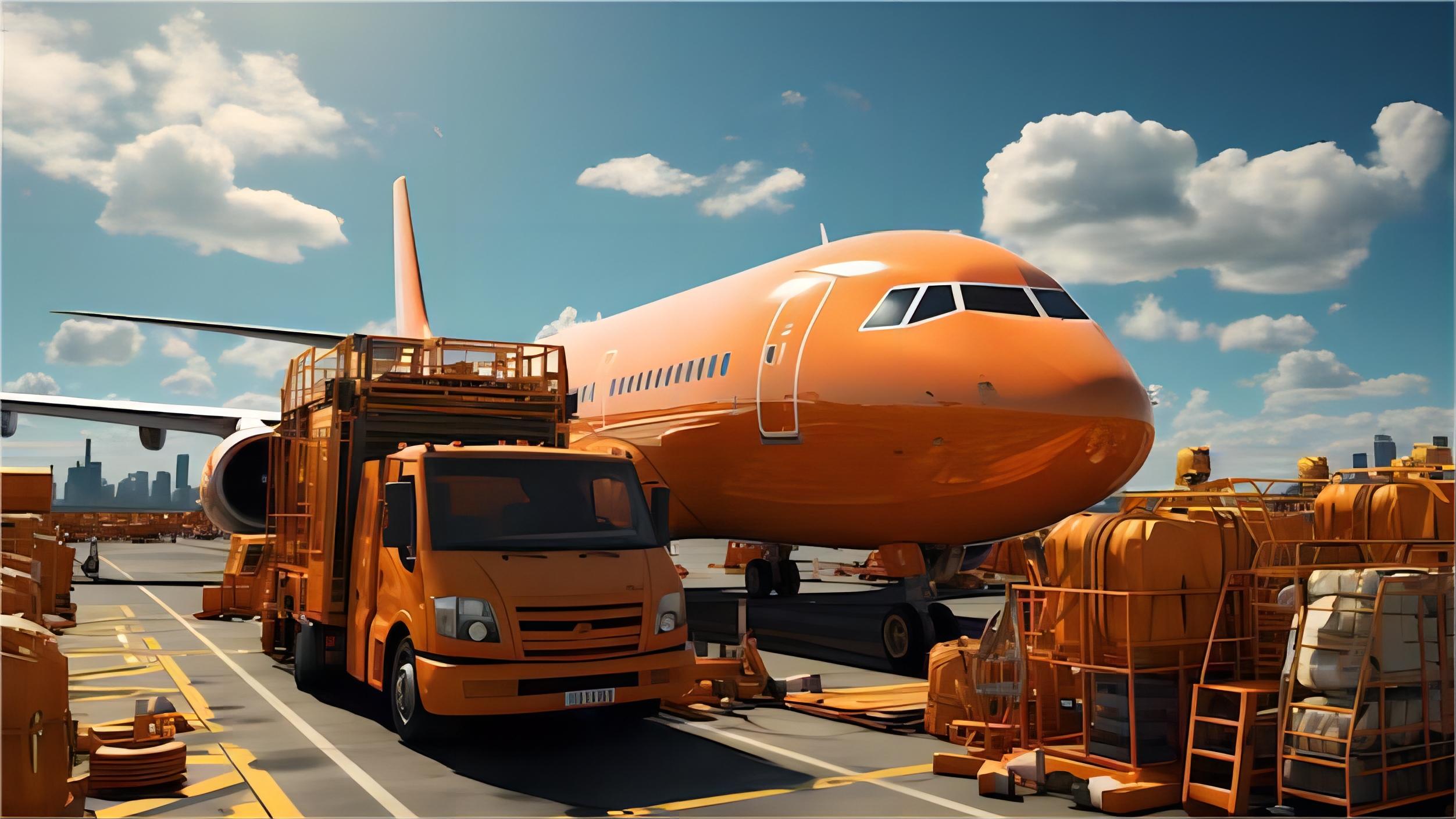
When speed is the highest priority for your business, air freight provides the fastest connection between China and the UK. This method is particularly suitable for electronics, fashion items, and perishable goods that require rapid turnover. Furthermore, air transport significantly reduces the risk of damage or theft compared to longer sea voyages. As a result, insurance premiums for air cargo are often lower than those for ocean shipments.
Additionally, the reliability of flight schedules allows for precise inventory management and just-in-time delivery strategies. Meanwhile, the higher cost of air transport means it should be used strategically for high-margin products. For instance, a shipment of high-end smartphones might justify the expense, whereas low-cost plastic toys would not. Consequently, many businesses use a hybrid approach, combining air and sea freight to balance cost and speed.
Typically, air freight from major Chinese hubs like Shanghai or Shenzhen to London Heathrow takes less than a week. However, importers must account for time spent in customs clearance and local delivery at both ends. Without a doubt, the efficiency of air logistics can provide a competitive edge in fast-moving markets. Therefore, understanding the weight and volume calculations for air cargo is essential for accurate budgeting.
Rail Freight: The Middle Ground for UK Importers
In recent years, rail freight has emerged as a viable alternative for shipping between China and Europe. This method offers a transit time that is roughly half that of sea freight while costing significantly less than air transport. Consequently, it has become a popular choice for automotive parts and industrial components. Moreover, the expansion of the rail network across Eurasia has improved the frequency and reliability of these services.
Furthermore, rail transport is less affected by weather conditions compared to sea and air routes. This consistency allows for better planning within the supply chain and more predictable delivery dates for customers. On the other hand, rail shipments are subject to different customs regulations as they pass through multiple transit countries. Nevertheless, the environmental impact of rail is much lower than air freight, appealing to eco-conscious brands.
As of early 2026, the rail route from Xi’an to London has seen increased capacity to meet growing demand. Indeed, many companies now view rail as a strategic buffer between the slow ocean routes and expensive air options. For example, if a sea shipment is delayed, a subsequent rail shipment can help maintain stock levels. Accordingly, rail freight is now a standard component of many modern logistics portfolios.
Navigating Customs Brokerage and Import Documentation
Clearance through UK customs is often the most challenging part of the import shipping from china to UK process. Utilizing a professional customs brokerage service can prevent costly delays and ensure compliance with all regulations. Furthermore, the UK has specific requirements for VAT and import duties that vary depending on the product classification. Consequently, having accurate documentation is vital for a smooth transition through the border.
Additionally, every shipment must be accompanied by a commercial invoice, a packing list, and a bill of lading or airway bill. For certain goods, certificates of origin or safety inspections may also be required by UK authorities. Meanwhile, misclassifying goods under the wrong HS code can lead to significant fines or even seizure of the cargo. Therefore, it is highly recommended to verify all codes before the shipment departs from China.
Moreover, the introduction of new digital customs systems in 2025 has streamlined some aspects of the filing process. However, the complexity of the rules means that human expertise is still essential for navigating edge cases. For instance, items with lithium batteries or chemical components require specialized handling and declarations. Without a doubt, preparation is the key to avoiding the common pitfalls of international trade.
| Document Name | Purpose | Required By | Typical Format |
|---|---|---|---|
| Commercial Invoice | Valuation of Goods | Customs / Bank | PDF / Digital |
| Packing List | Inventory Details | Warehouse / Customs | |
| Bill of Lading | Title to Goods | Carrier / Consignee | Original / Telex |
| EORI Number | UK Importer ID | HMRC | Registration Code |

Case Studies: Real-World Import Scenarios in 2026
Case Study 1: Large Scale Furniture Import. Route: Ningbo, China to Felixstowe, UK. Cargo: Office Furniture, 68 CBM, 14,500 kg. Container: 40HQ. Shipping Details: Major carrier, Direct route. Cost Breakdown: Ocean Freight $4,100, Origin Charges $450, Destination Charges $600, Customs and Duties $1,200. Total Landed Cost: $6,350. Timeline: Booking to Loading 4 days, Sea Transit 34 days, Customs Clearance 2 days. Total Door-to-Door: 45 days. Key Insight: Booking 3 weeks in advance secured a lower rate during the Q3 peak season.
Case Study 2: High-Value Electronics Launch. Route: Shenzhen, China to London Heathrow, UK. Cargo: Smart Home Devices, 4 CBM, 850 kg. Shipping Method: Air Freight. Shipping Details: Direct flight via Cathay Cargo. Cost Breakdown: Air Freight $5,200, Documentation $150, UK Delivery $300, Customs and Duties $4,500. Total Landed Cost: $10,150. Timeline: Booking to Loading 2 days, Air Transit 1 day, Customs Clearance 1 day. Total Door-to-Door: 6 days. Key Insight: Using air freight allowed the client to meet a strict product launch deadline despite manufacturing delays.
Case Study 3: Industrial Component Supply. Route: Chengdu, China to London, UK. Cargo: Mechanical Valves, 12 CBM, 3,200 kg. Shipping Method: Rail Freight (LCL). Shipping Details: Transshipment via Duisburg. Cost Breakdown: Rail Freight $2,900, Handling $400, Customs $850. Total Landed Cost: $4,150. Timeline: Transit 22 days, Total Door-to-Door 30 days. Key Insight: Rail provided the perfect balance of cost and speed for restocking inventory without the high cost of air freight.
Choosing Between FCL and LCL for Your Business
Selecting the right container type is a critical decision for managing your shipping costs effectively. If your cargo volume exceeds 15 cubic meters, choosing FCL is generally more economical than paying for multiple LCL shipments. Furthermore, FCL shipments are handled less frequently, which reduces the risk of damage during transit. Consequently, many growing businesses aim to consolidate their orders into full container loads to maximize efficiency.
On the other hand, LCL is an excellent entry point for small businesses or those testing new products in the UK market. This method allows you to pay only for the space you use, making international trade accessible with lower capital requirements. However, you must be aware that LCL rates per cubic meter are higher than FCL rates. In addition, the extra handling at consolidation warehouses can add several days to the total transit time.
Meanwhile, the choice between FCL and LCL also affects your insurance and packaging requirements. FCL cargo can often be packed more densely, while LCL cargo needs robust protection to withstand shared space with other shipments. Therefore, you should consult with your freight forwarder to calculate the break-even point for your specific cargo. Indeed, a careful analysis of your shipping volume can save thousands of dollars over the course of a year.
Which Option Should You Choose?
Determining the best shipping method depends on your specific business priorities and the nature of your goods. If your primary goal is to minimize expenditure and you have flexible deadlines, sea freight is the clear winner. However, if you are dealing with seasonal products or urgent repairs, air freight becomes a necessity. Furthermore, rail freight serves as an excellent middle ground for those who need faster delivery than sea but cannot afford air rates.
Additionally, you should consider the total landed cost rather than just the freight rate itself. This includes duties, taxes, insurance, and local trucking fees which can vary significantly between methods. For example, while air freight has a higher initial price, it may reduce your warehousing costs by allowing for lower inventory levels. Consequently, a holistic view of your supply chain is required to make the most profitable choice.
Finally, always factor in a margin for error in your delivery schedules. Global logistics is subject to various external factors such as port congestion, weather events, and labor strikes. Therefore, choosing a method that offers a bit more speed than strictly necessary can provide a valuable safety net. Without a doubt, a diversified shipping strategy is the most resilient approach for long-term success in the UK market.
| Priority | Recommended Method | Threshold | Key Benefit |
|---|---|---|---|
| Lowest Cost | Sea Freight (FCL) | >15 CBM | Maximum Savings |
| Highest Speed | Air Freight | Any Volume | Market Agility |
| Balanced | Rail Freight | 2 – 20 CBM | Predictable Time |
| Small Scale | Express / LCL | <2 CBM | Low Entry Cost |
Mastering Your UK Import Strategy
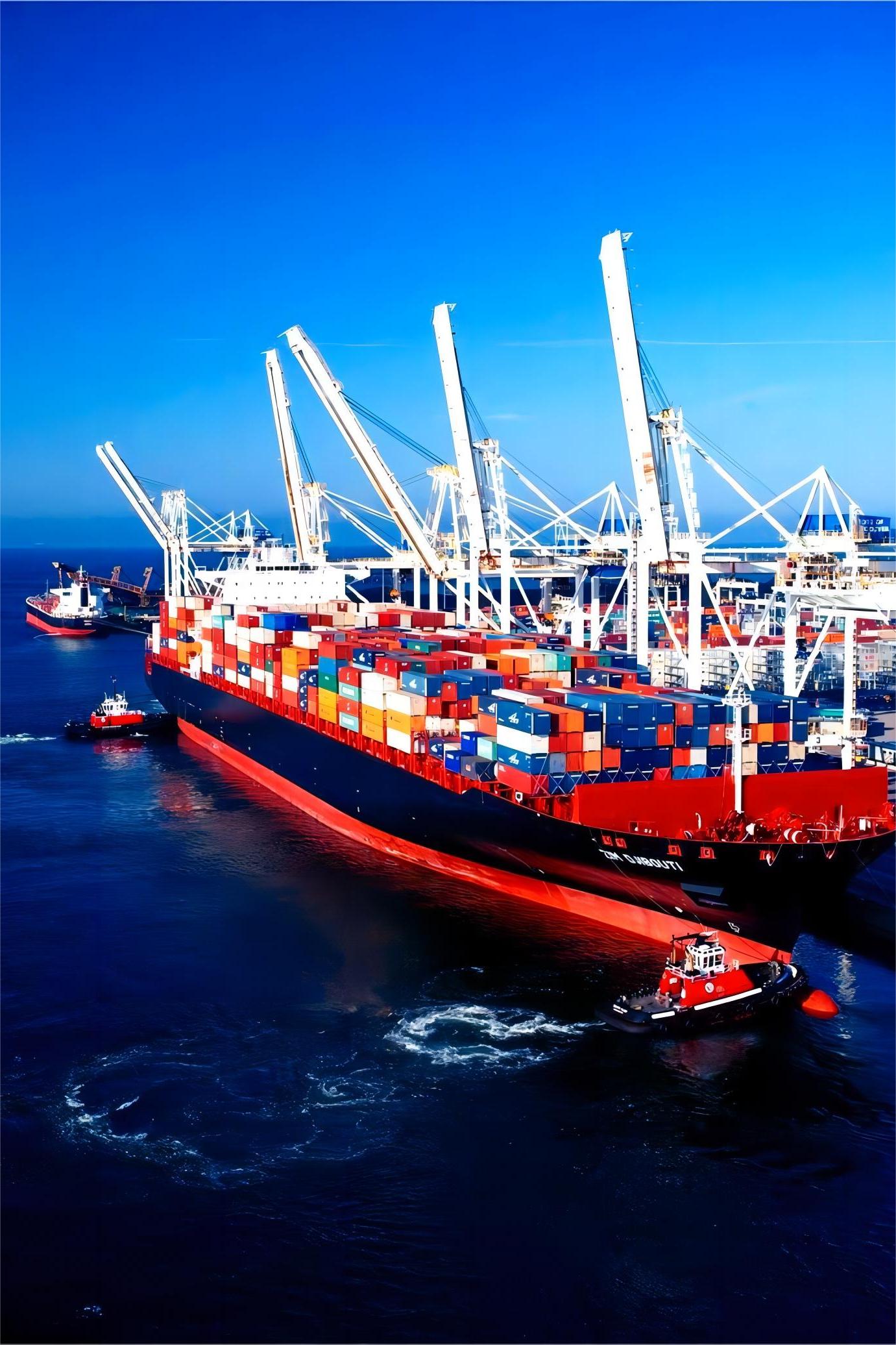
In conclusion, successful import shipping from china to UK in 2026 requires a proactive approach and a reliable logistics partner. Whether you prioritize the cost-effectiveness of sea freight, the speed of air transport, or the balance of rail, understanding the trade-offs is essential. By focusing on accurate documentation and strategic method selection, you can significantly enhance your business efficiency.
Furthermore, the landscape of international trade continues to evolve with new technologies and regulations. Staying informed and adaptable will ensure that your supply chain remains resilient against global disruptions. Ultimately, the right shipping strategy is one that aligns with your financial goals while meeting the expectations of your UK customers.
Need a tailored shipping solution?
Streamline your supply chain today with expert support for import shipping from china to UK. Contact the team at Top China Freight for a personalized quote and professional logistics advice tailored to your 2026 business goals. Send Inquiry: https://Top China Freight.net/contact-us/