

China FCL container loading service to France: A Complete Guide
Reliable logistics solutions are essential for businesses importing goods from Asia to the European market. By choosing a professional Top China Freight partner, you ensure your China FCL container loading service to France is handled with precision and care. This comprehensive guide explores the complexities of full container load shipping, helping you navigate the journey from Chinese manufacturing hubs to French ports like Marseille and Le Havre.
What is a China FCL container loading service to France?
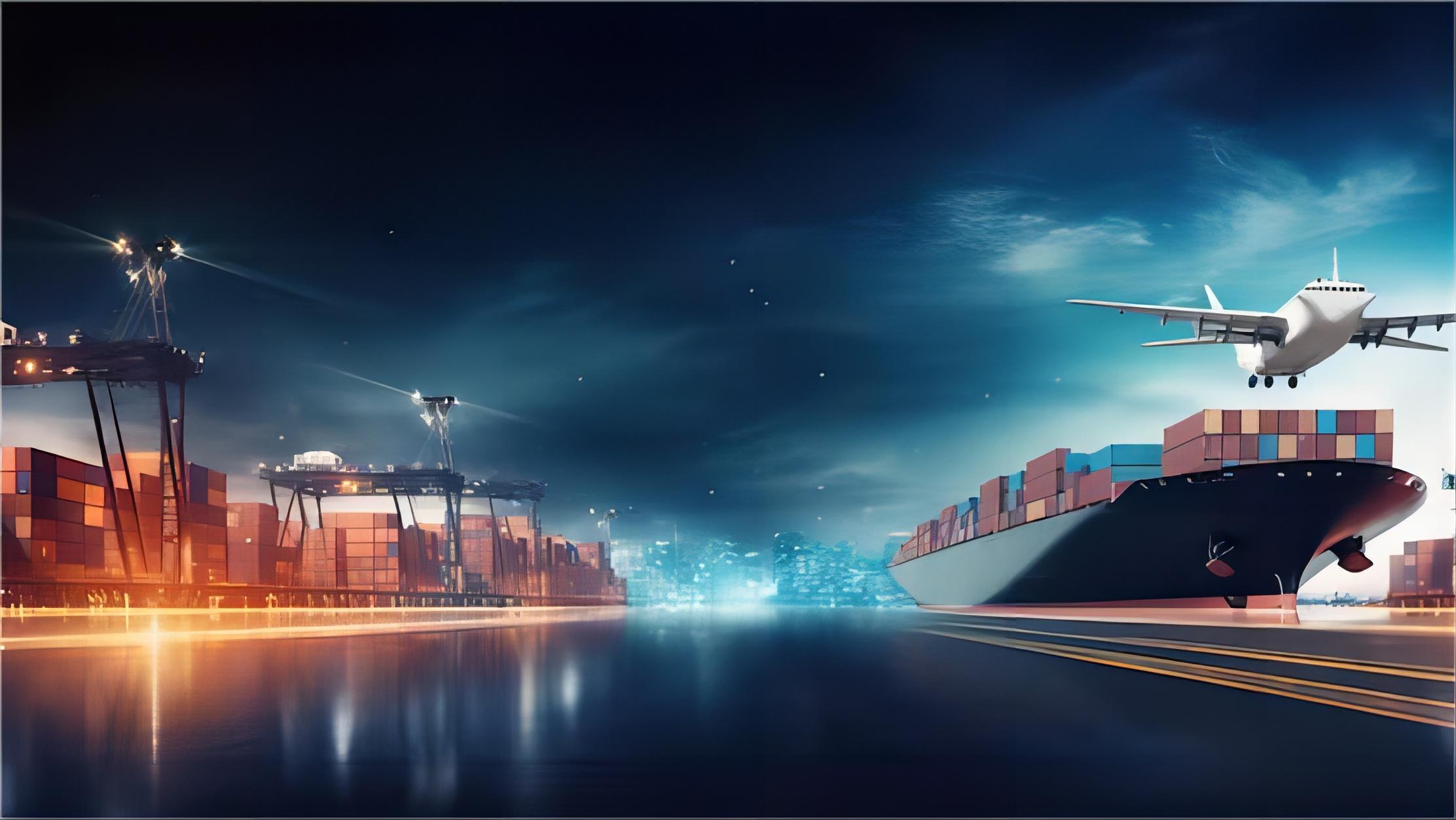
Full Container Load (FCL) refers to a shipping mode where one importer occupies an entire shipping container. This service is ideal for businesses with enough cargo to fill a 20ft or 40ft unit, providing maximum security and efficiency.
Moreover, using a dedicated China FCL container loading service to France minimizes the risk of damage since the cargo is not co-loaded with other shippers’ goods. Consequently, your products undergo fewer handling stages during the transit process.
Additionally, FCL shipments generally offer faster transit times compared to Less than Container Load (LCL) options. Therefore, importers who prioritize speed and cargo integrity often select this method for their high-volume logistics needs.
How Does FCL Compare to Other Shipping Options?
While FCL is a powerhouse for large volumes, it is important to understand how it stacks up against alternatives. For instance, sea freight offers various configurations depending on your specific budget and timeline requirements.
On the other hand, smaller shipments might benefit from LCL, though this often involves longer waiting times for consolidation. In contrast, businesses with urgent deadlines might consider air or rail options instead of traditional ocean routes.
Furthermore, choosing between these methods depends on your total landed cost and inventory turnover goals. Use the following table to compare the primary shipping modes available for the China to France route.
| Shipping Method | Cost Range | Transit Time | Best For |
|---|---|---|---|
| FCL Sea Freight | $2,200 – $4,500 | 30 – 45 Days | High volume, bulk cargo |
| LCL Sea Freight | $80 – $150 / CBM | 35 – 50 Days | Small shipments < 15 CBM |
| Rail Freight | $3,500 – $6,000 | 18 – 25 Days | Mid-range speed and cost |
| Air Freight | $5 – $12 / kg | 5 – 9 Days | Urgent or high-value goods |
Transit Times and Port Logistics for France
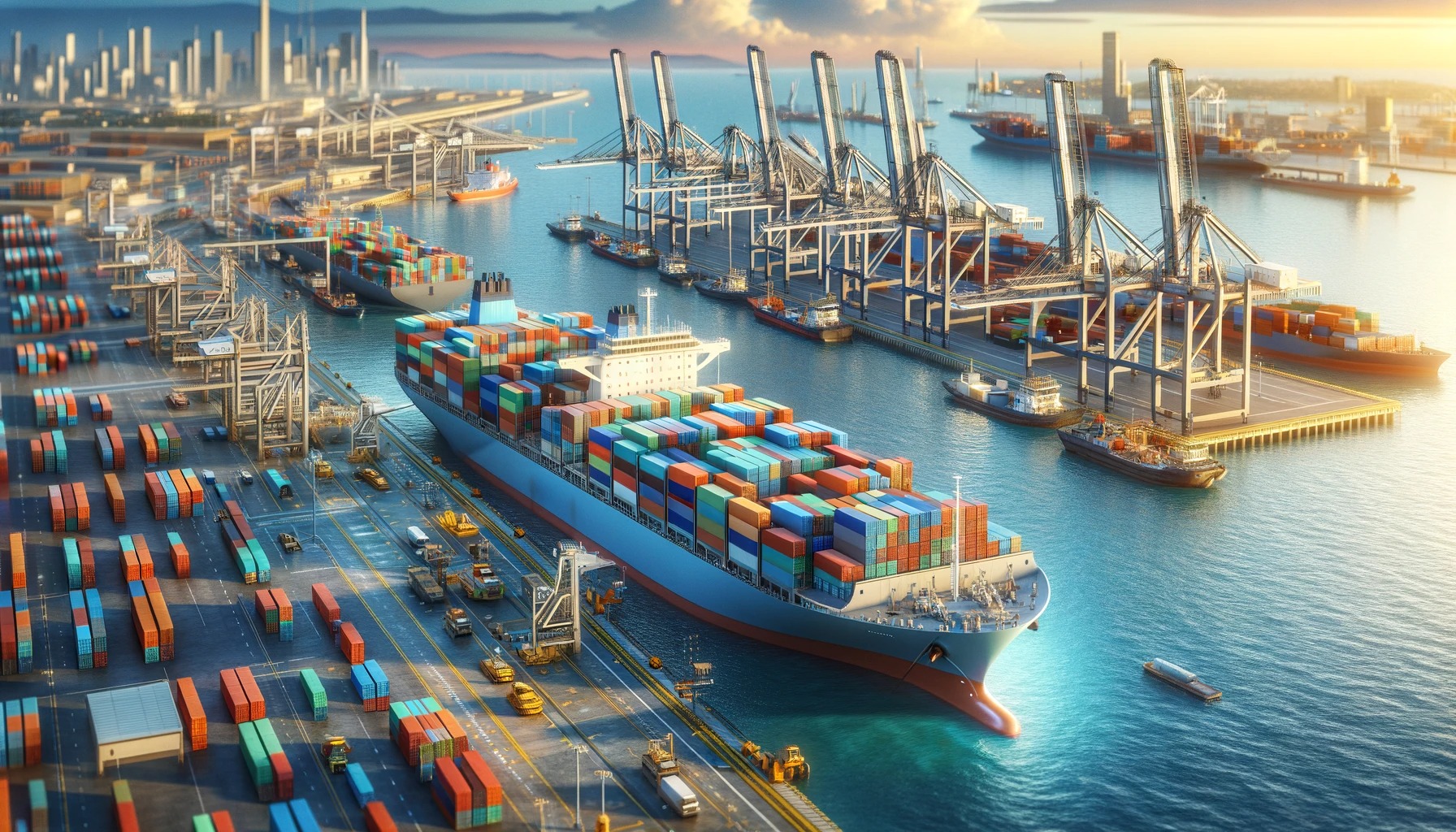
Shipping from China to France typically involves a journey through the Suez Canal. For example, vessels departing from Shenzhen or Shanghai usually take about 30 to 35 days to reach the Mediterranean port of Marseille.
However, shipments destined for Northern France via Le Havre or Dunkirk may take slightly longer due to the extra sailing distance around the Iberian Peninsula. Indeed, weather conditions and port congestion can also impact these schedules significantly.
Meanwhile, rail freight serves as a viable alternative for those needing faster delivery to inland French cities like Lyon. Nevertheless, sea freight remains the most cost-effective solution for massive quantities of consumer goods.
Cost Factors for China FCL container loading service to France
Several variables influence the final price of your container shipment. Primarily, ocean freight rates fluctuate based on seasonal demand, fuel surcharges, and global economic trends.
In addition, origin charges such as terminal handling and documentation fees must be factored into your budget. For instance, peak seasons like the weeks leading up to the Chinese New Year often see significant rate spikes.
According to industry benchmarks for early 2025, a 40HQ container from Ningbo to Le Havre typically ranges between $3,500 and $4,200. Note: Freight rates are subject to change based on fuel costs, carrier capacity, and seasonal demand. Contact us for a current quote tailored to your specific shipment.
| Container Type | Typical Rate (USD) | Capacity (CBM) | Max Weight (KG) |
|---|---|---|---|
| 20GP Container | $1,900 – $2,600 | 33 CBM | 28,000 kg |
| 40GP Container | $2,900 – $3,800 | 67 CBM | 26,000 kg |
| 40HQ Container | $3,200 – $4,500 | 76 CBM | 26,000 kg |
Essential Customs Documentation for French Imports
Navigating the French customs landscape requires precise documentation to avoid costly delays. Therefore, engaging a professional customs brokerage is highly recommended for first-time importers.
Moreover, you must provide a Commercial Invoice, Packing List, and Bill of Lading for every FCL shipment. Additionally, certain products may require certificates of origin or CE marking compliance to enter the Europe single market.
Consequently, any errors in paperwork can lead to container inspections and additional storage fees at the port. Without a doubt, preparing these documents in advance ensures a smoother transition through the customs clearance process.
Real Case Studies: Successful FCL Shipments to France
Case Study 1: Electronics Distribution. Route: Shenzhen to Marseille. Cargo: Consumer electronics, 65 CBM, 12,000 kg. Container: 40HQ. Shipping Details: Direct route via COSCO. Ocean Freight: $3,850. Timeline: 32 days port-to-port. Key Insight: Early booking during the Q4 peak season saved the client 15% on freight costs.
Case Study 2: Furniture Import. Route: Ningbo to Le Havre. Cargo: Home furniture, 28 CBM, 8,000 kg. Container: 20GP. Shipping Details: Transshipment via Singapore. Ocean Freight: $2,100. Timeline: 38 days. Key Insight: Professional container loading prevented damage to fragile wooden components during the long voyage.
Case Study 3: Industrial Machinery. Route: Shanghai to Dunkirk. Cargo: Specialized machinery, 60 CBM, 18,000 kg. Container: 40GP. Shipping Details: Major carrier service. Total Landed Cost: $5,200 including duties. Timeline: 42 days door-to-door. Key Insight: Utilizing a door to door service simplified the complex inland transport in France.
Which Shipping Option Should You Choose?
Selecting the right method depends on your specific business priorities. If budget is your primary concern, FCL sea freight is almost always the best choice for large volumes.
On the other hand, if speed is critical, you might consider hybrid solutions or rail transport. For example, a sea-rail combination can sometimes offer a middle ground between cost and delivery time.
Ultimately, you should choose FCL when your volume exceeds 15 CBM or when the security of a sealed container is paramount for your goods. Furthermore, always consult with your freight forwarder to evaluate the current market conditions before making a final decision.
Mastering Your FCL Logistics to France
In summary, a China FCL container loading service to France offers the most balanced approach for high-volume importers. By understanding the nuances of transit times, container types, and customs requirements, you can significantly reduce your logistics overhead.
Furthermore, partnering with an experienced freight forwarder ensures that your cargo is handled professionally from the factory floor to the final destination. Always stay informed about market trends and maintain organized documentation to ensure a seamless shipping experience.
Indeed, the right strategy for your China FCL container loading service to France will empower your business to compete effectively in the French market. Take the first step toward optimized shipping by choosing a partner that understands your unique logistics needs.
Ready to streamline your logistics?
Streamline your supply chain today with our expert China FCL container loading service to France. Whether you are shipping electronics, textiles, or industrial machinery, our team provides the reliability your business deserves. Visit Top China Freight to request a personalized quote and secure the best rates for your next shipment. Send Inquiry: See our contact page for immediate assistance.
Request Quote