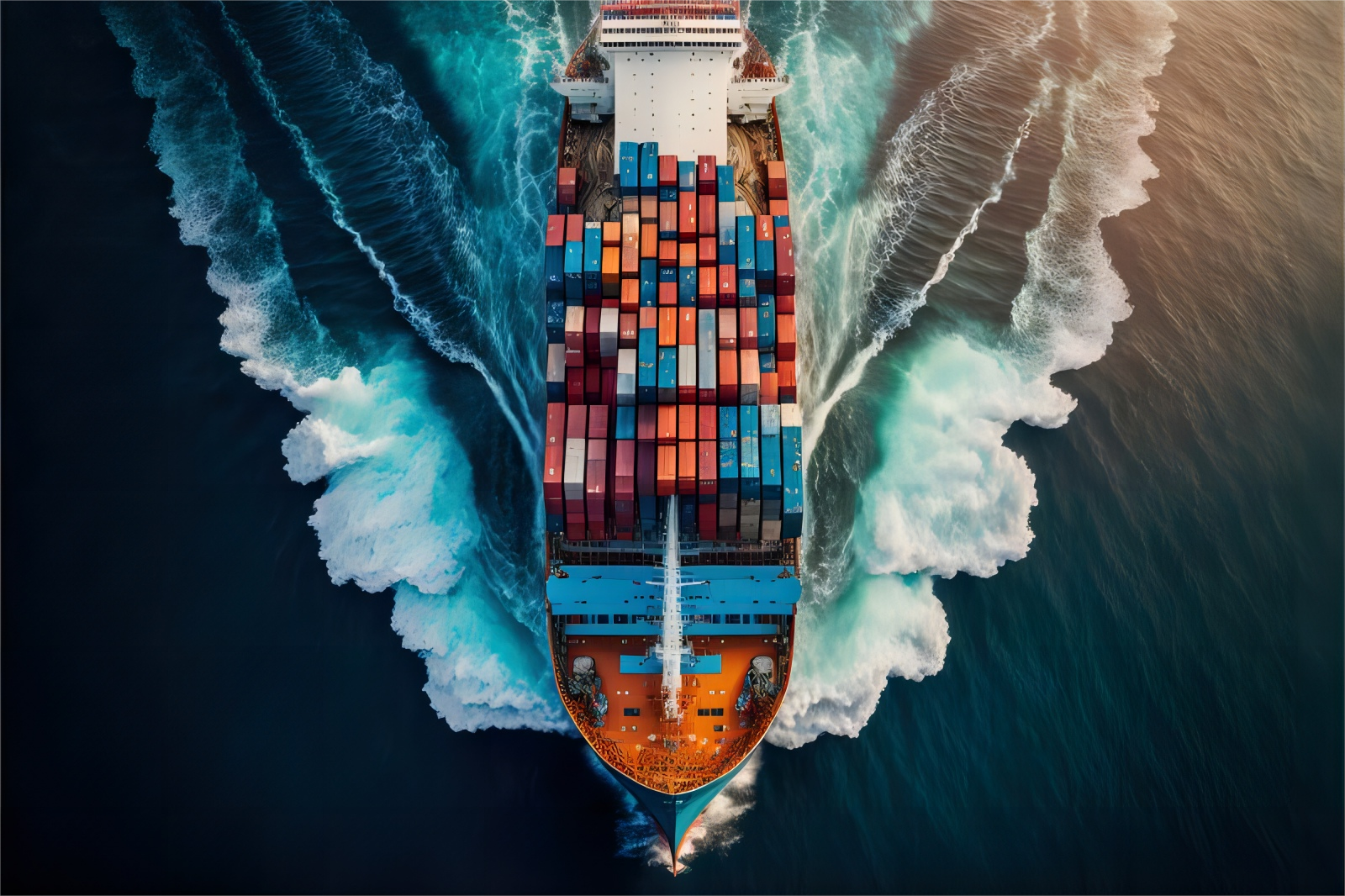
40GP FCL shipping cost for machinery from China to Norway: 2025 Guide
Navigating the complexities of the 40GP FCL shipping cost for machinery from China to Norway is a critical task for modern industrial importers. Establishing a reliable supply chain requires more than just finding a carrier; it demands a strategic partnership with experts like Top China Freight. This guide provides a comprehensive breakdown of current market rates, transit expectations, and logistical strategies to help you manage your machinery imports effectively.
Factors Influencing 40GP FCL shipping cost for machinery from China to Norway
Determining the final 40GP FCL shipping cost for machinery from China to Norway involves analyzing several dynamic market variables. Most industrial equipment requires precise handling, which can influence the overall pricing structure beyond the base freight rate.
Consequently, seasonal demand fluctuations play a significant role in how much you will pay for a full container load. During peak seasons, such as the lead-up to the Golden Week or the Lunar New Year, prices often surge due to limited vessel capacity.
Furthermore, the specific weight and dimensions of your machinery can trigger additional surcharges if the cargo is classified as heavy or oversized. It is essential to choose sea freight solutions that account for these technical specifications to avoid unexpected expenses at the port.
Additionally, fuel surcharges, known as the Bunker Adjustment Factor, vary monthly based on global oil prices. Therefore, keeping a close eye on energy market trends is vital for accurate long-term budgeting for your machinery shipments.
Finally, the choice of departure port in China significantly impacts the total cost. Major hubs like Shanghai or Ningbo often offer more competitive rates compared to smaller inland ports due to higher sailing frequencies and carrier competition.
Detailed Cost Breakdown for Industrial Machinery Shipping
Analyzing the cost breakdown is necessary for any business looking to optimize its heavy machinery logistics China to Norway. A standard quote for a 40GP container includes ocean freight, local charges, and various administrative fees.
Specifically, the ocean freight portion typically covers the port-to-port transport. However, you must also consider the Terminal Handling Charges at both the origin and destination ports, which cover the movement of the container by shore cranes.
Moreover, the complexity of industrial equipment often requires professional customs brokerage to ensure all tariff codes are correctly applied. Incorrect classification can lead to expensive delays or even fines from Norwegian customs authorities.
Security fees and documentation charges are also standard components of the total landed cost. These fees cover the processing of the Bill of Lading and the mandatory manifest filings required by international maritime law.
Indeed, it is wise to include a buffer for container cleaning or inspection fees, especially when transporting machinery that may contain residual oils or industrial fluids.
| Fee Category | Description | Typical Range (USD) | Frequency |
|---|---|---|---|
| Ocean Freight | Base port-to-port transport | $3,200 – $4,800 | Per Container |
| THC (Origin) | Port crane and handling | $150 – $300 | Per Shipment |
| Customs Clearance | Documentation and filing | $100 – $250 | Per Entry |
| Insurance | Cargo protection (0.5% value) | Varies | Per Shipment |
How Does Sea Freight Compare to Other Shipping Options?
While sea freight is the standard for 40GP containers, exploring alternatives is crucial for time-sensitive projects. Each method offers a different balance between speed and the 40GP FCL shipping cost for machinery from China to Norway.
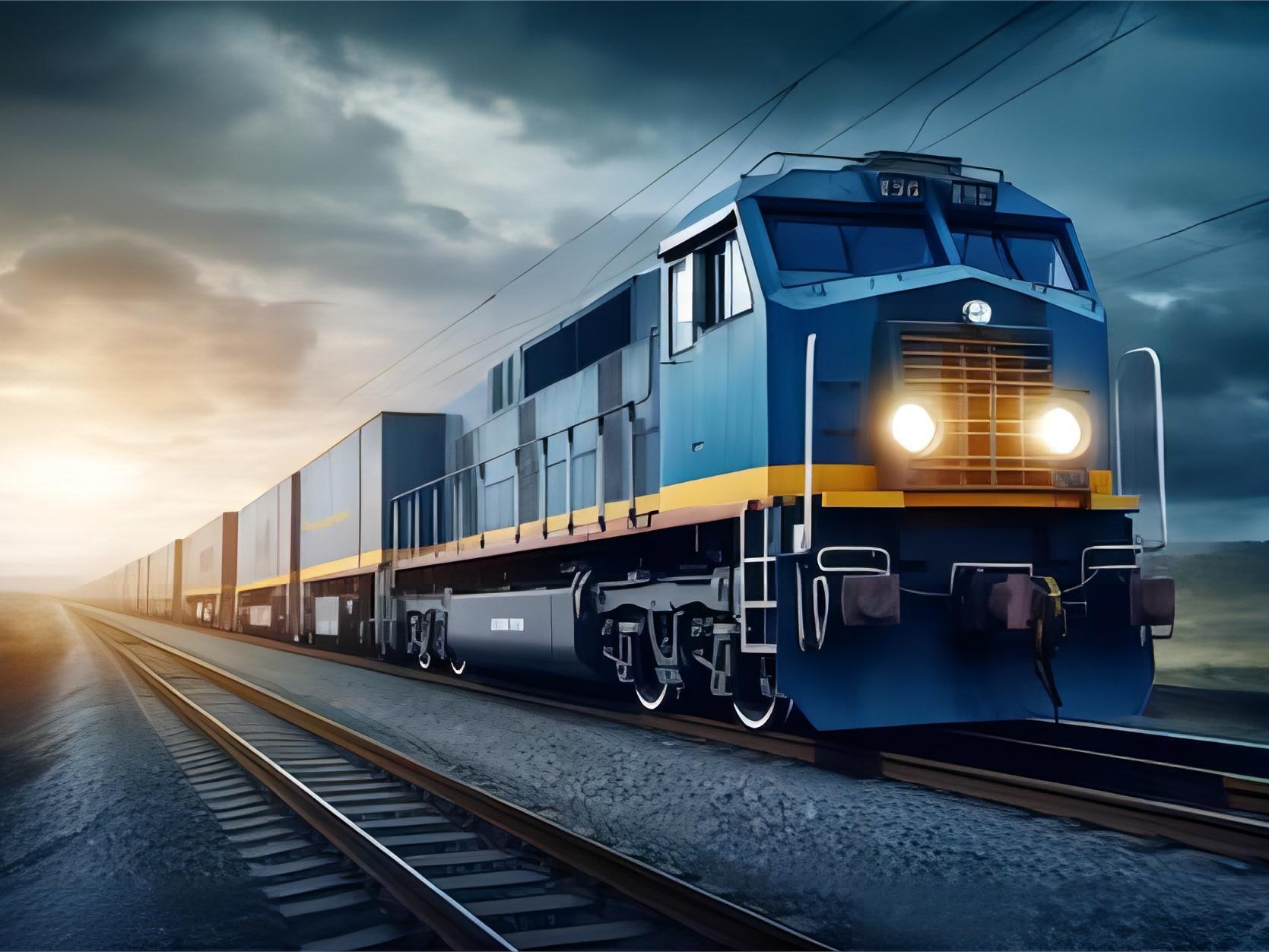
For instance, shipping from China to Europe via rail has become an increasingly popular middle-ground solution. It offers faster transit times than the ocean while remaining significantly cheaper than air transport.
In contrast, air freight is rarely used for entire 40GP volumes due to the astronomical costs involved. It is generally reserved for critical spare parts or small, high-value components that are needed urgently to prevent factory downtime.
Nevertheless, sea freight remains the undisputed leader for large-scale machinery due to its ability to handle immense weight and volume. Most heavy industrial equipment is designed to fit perfectly within the dimensions of a standard 40-foot container.
Accordingly, businesses must weigh the urgency of their delivery schedule against their available logistics budget. If your project timeline allows for a 40-day window, ocean transport provides the best return on investment.
| Shipping Method | Cost Range (USD) | Transit Time | Best For |
|---|---|---|---|
| Sea Freight (FCL) | $3,500 – $5,000 | 35 – 45 Days | Heavy machinery |
| Rail Freight | $6,000 – $8,500 | 18 – 24 Days | Urgent industrial goods |
| Air Freight | $20,000+ | 5 – 8 Days | Emergency spare parts |
| Sea-Air Hybrid | $10,000 – $14,000 | 15 – 20 Days | Balanced priority |
Which Option Should You Choose?
Selecting the right shipping strategy depends on your specific operational priorities and the nature of your cargo. If your primary goal is to minimize the 40GP FCL shipping cost for machinery from China to Norway, standard ocean freight is almost always the winner.
However, if you are facing tight construction deadlines in Oslo or Bergen, the speed of rail freight might justify the higher price tag. This method bypasses the potential congestion at major maritime chokepoints.
Furthermore, consider the total volume of your shipment before committing to a full container. While FCL offers better protection and faster loading for machinery, LCL might be cheaper if your equipment does not fill at least 15 to 20 cubic meters.
As a result, many importers utilize a door to door service to simplify the entire process. This approach integrates trucking, shipping, and customs into a single quote, providing better cost transparency.
Ultimately, you should choose sea freight for budget-conscious, high-volume machinery moves, and rail freight for mid-range urgency shipments.
Real-World Case Studies: Shipping Machinery to Norway
Examining real-world examples provides valuable insight into the actual 40GP FCL shipping cost for machinery from China to Norway. These cases reflect typical scenarios encountered by industrial importers in recent months.
Case Study 1: Industrial CNC Machines. Route: Ningbo to Oslo. Cargo: 2 Large CNC Units, 22,000 kg. Container: 40GP FCL. Ocean Freight: $4,150. Total Landed Cost: $5,200. Transit Time: 42 Days. Key Insight: Early booking saved 15% on peak season surcharges.
Case Study 2: Construction Excavator Parts. Route: Shenzhen to Bergen. Cargo: Hydraulic components and frames. Container: 40GP FCL. Ocean Freight: $4,400. Total Landed Cost: $5,650. Transit Time: 48 Days. Key Insight: Direct sailing avoided transshipment delays in Hamburg.
Case Study 3: Textile Manufacturing Line. Route: Shanghai to Drammen. Cargo: Automated looms and spinning frames. Container: 40GP FCL. Ocean Freight: $3,900. Total Landed Cost: $4,950. Transit Time: 39 Days. Key Insight: Professional packing prevented moisture damage during the long sea voyage.
Market data suggests that these rates are representative of the early 2025 market. However, please note that freight rates are subject to change based on fuel costs, carrier capacity, and seasonal demand. Contact us for a current quote tailored to your specific shipment.
Customs and Documentation Requirements
Successfully managing the 40GP FCL shipping cost for machinery from China to Norway requires meticulous attention to documentation. Norway is not an EU member but is part of the EEA, meaning specific customs rules apply.
Specifically, you must provide a detailed Commercial Invoice and a Packing List that clearly describes every piece of machinery. The Norwegian Customs Authority uses these documents to verify the value and safety standards of the imported goods.
In addition, a Certificate of Origin may be required to benefit from specific trade agreements or to verify the manufacturing source. For machinery, ensuring that the equipment meets CE marking requirements is often a prerequisite for successful clearance.
Moreover, the Bill of Lading acts as the title to the goods and must be handled with care. Without the original or a telex release, the Norwegian port will not release the container to your local haulage company.
Consequently, working with an experienced broker ensures that all import duties for machinery in Norway are calculated correctly, preventing costly storage fees at the terminal.
Strategies to Minimize Shipping Expenses
Reducing your 40GP FCL shipping cost for machinery from China to Norway is possible through strategic planning and optimization. One of the most effective methods is to consolidate shipments to ensure you are maximizing the weight and volume capacity of the 40GP container.
Furthermore, negotiating long-term contracts with freight forwarders can provide price stability in a volatile market. Spot rates can fluctuate wildly, but a service contract offers predictable pricing for your annual machinery import volume.
Additionally, consider the timing of your shipments to avoid the peak season price hikes. Shipping during the ‘slack’ periods in late spring or early summer can often result in significant savings on ocean freight container prices 2025.
Another tip is to optimize your packaging to reduce the total dimensions of the machinery. If components can be safely disassembled, you might fit more equipment into a single container, effectively lowering the cost per unit.
Indeed, choosing a port of discharge closer to your final destination in Norway, such as Stavanger or Trondheim, can reduce expensive inland trucking costs.
Final Thoughts on Machinery Shipping
Understanding the 40GP FCL shipping cost for machinery from China to Norway is the first step toward a successful international trade operation. By analyzing the various cost components, from ocean freight to terminal handling, you can build a more resilient and cost-effective logistics strategy.
Furthermore, staying informed about market trends and documentation requirements will help you avoid the common pitfalls of industrial importing. Whether you prioritize speed or cost, selecting the right partner is essential for ensuring your machinery arrives safely and on time.
In conclusion, managing your 40GP FCL shipping cost for machinery from China to Norway requires a balance of early planning, expert brokerage, and strategic method selection.
Ready to streamline your logistics?
Ready to optimize your supply chain and reduce your 40GP FCL shipping cost for machinery from China to Norway? Contact our expert team at Top China Freight today for a customized quote that meets your specific industrial needs. Visit our website to request a professional freight consultation.
Request Quote