

20GP FCL Space Availability for Solar Panels from China to Germany
Securing 20GP FCL space availability for solar panels from China to Germany has become a top priority for renewable energy importers in 2025. Consequently, navigating the complexities of international logistics requires a reliable partner like Top China Freight to ensure timely delivery of photovoltaic modules. This guide explores current market trends, pricing strategies, and space allocation tactics to help you optimize your solar supply chain.
What is the Current 20GP FCL Space Availability for Solar Panels from China to Germany?
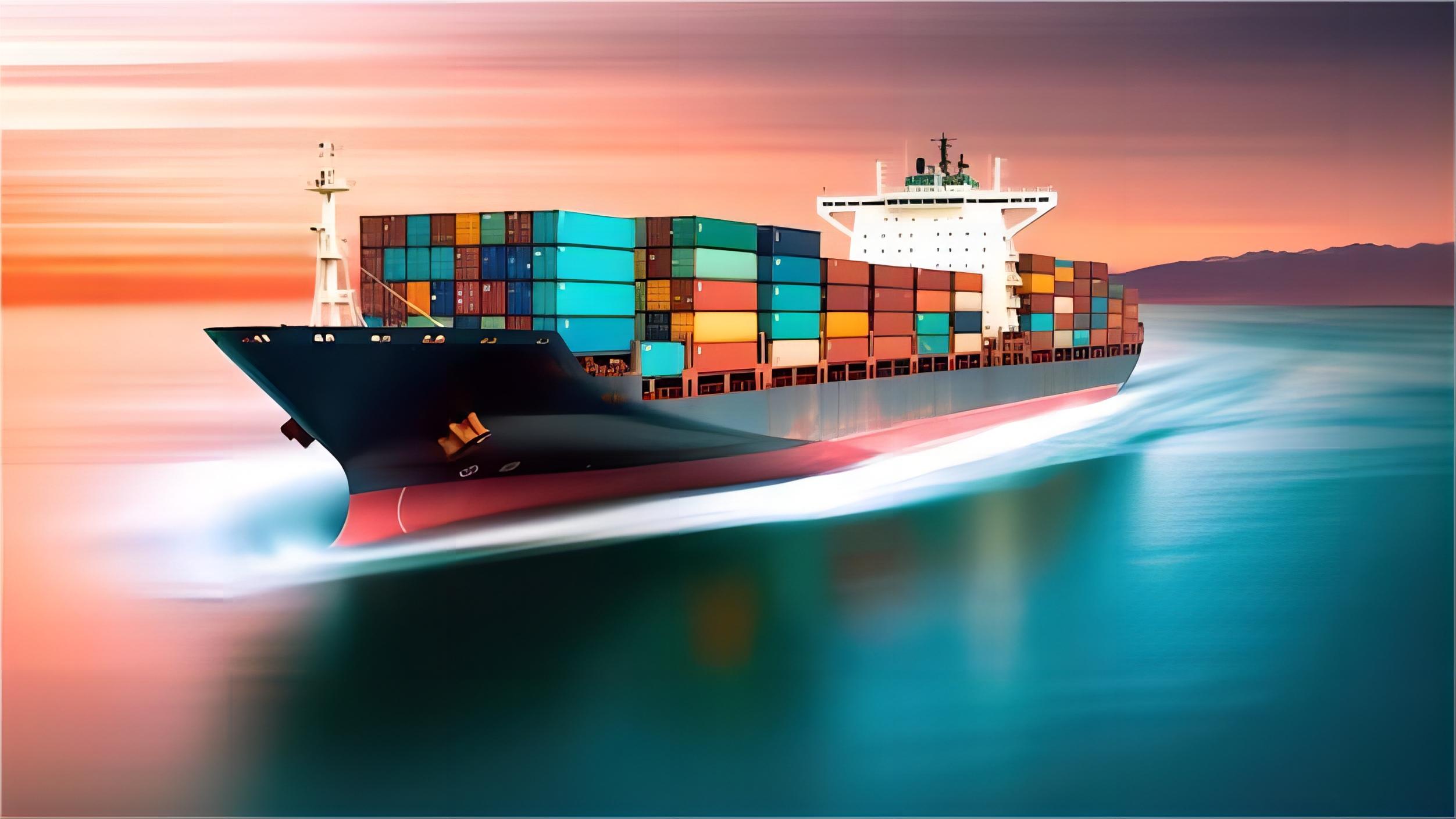
Current market data suggests that 20GP FCL space availability for solar panels from China to Germany remains stable but highly competitive as of Q1 2025. Therefore, importers must understand that while vessel capacity has increased, the demand for green energy components continues to surge across Europe.

Moreover, major carriers like COSCO and Maersk have optimized their routes to accommodate the growing volume of solar exports from hubs like Shanghai and Ningbo. Nevertheless, seasonal fluctuations still impact how easily you can book a container during peak manufacturing months.
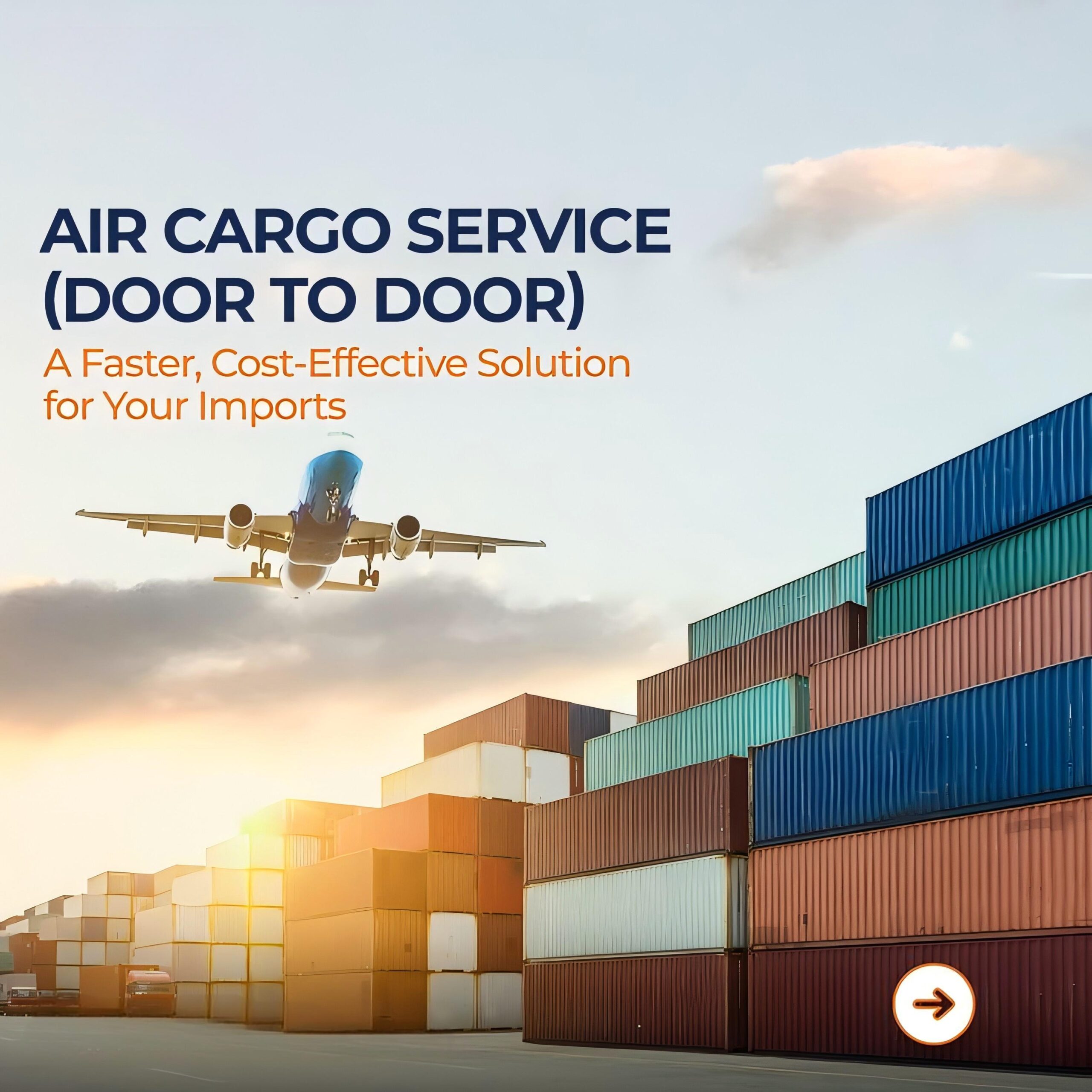
Selecting sea freight provides the most cost-effective solution for moving large volumes of PV modules. Consequently, planning your shipments at least four weeks in advance is essential to guarantee your spot on a departing vessel.
Additionally, the shift toward larger 40HQ containers for solar panels has actually improved the availability of 20GP units for smaller projects. Indeed, this trend allows smaller installers to find space more easily than in previous years when container shortages were rampant.
How Does 20GP FCL Compare to Other Shipping Options?
Evaluating different transport methods is vital for balancing your budget and delivery schedule. While sea freight is the traditional choice, alternatives like rail and air offer unique advantages depending on your specific project deadlines.
For instance, air freight serves as an excellent option for urgent replacement parts or small-scale sample shipments. However, the high cost usually makes it prohibitive for full-scale solar farm installations where hundreds of panels are required.
On the other hand, shipping from China to Europe via rail has gained popularity due to its middle-ground positioning between sea and air. It offers faster transit times than ocean freight while remaining significantly cheaper than air transport.
Furthermore, hybrid solutions such as sea-air combinations are occasionally used to bypass port congestion. Without a doubt, choosing the right method depends on your inventory levels and the urgency of the German installation site.
| Shipping Method | Cost Range (USD) | Transit Time | Best For |
|---|---|---|---|
| Sea Freight (20GP) | $1,800 – $2,500 | 30 – 35 Days | Bulk Solar Shipments |
| Rail Freight | $2,500 – $4,000 | 18 – 22 Days | Time-Sensitive Projects |
| Air Freight | $15,000+ | 5 – 7 Days | Urgent Samples |
| LCL Sea Freight | $50 – $90 per CBM | 35 – 40 Days | Small Residential Orders |
Why Choose a 20GP Container for Solar Panel Exports?
Standard 20GP containers are particularly well-suited for heavy, dense cargo like solar panels. Because solar modules are often heavy but don’t always fill the cubic volume of a 40HQ, the 20GP offers a balanced weight-to-volume ratio.
Additionally, many German construction sites have limited space for unloading. Consequently, a 20GP container is much easier to maneuver in tight urban environments or residential areas compared to its 40-foot counterparts.
Moreover, using rail freight with 20GP containers can sometimes simplify the inland transport process from Duisburg or Hamburg to the final destination. Indeed, many rail terminals in Europe are optimized for handling 20-foot units efficiently.
Furthermore, 20GP containers often have better availability during times when 40HQ units are in high demand for consumer electronics. Therefore, choosing this size can be a strategic move to ensure your cargo moves even during equipment shortages.
Realistic Case Studies of Solar Panel Shipments
Analyzing real-world scenarios helps importers understand the actual costs and timelines involved in modern logistics. These examples reflect market conditions observed in late 2024 and early 2025 for the China-Germany route.
+———————————————————+ | Case Study 1: Commercial Solar Project | | Route: Ningbo, China to Hamburg, Germany | | Cargo: 250kW Solar Modules, 28 CBM, 18,000 kg | | Container: 1 x 20GP FCL | | | | Shipping Details: | | – Carrier: Major Ocean Carrier | | – Route Type: Direct Sea Freight | | | | Cost Breakdown: | | – Ocean Freight: $2,150 | | – Origin Charges: $350 | | – Destination Charges: $450 | | – Total Landed Cost: $2,950 | | | | Timeline: | | – Sea Transit: 32 Days | | – Customs & Delivery: 5 Days | | – Total Door-to-Door: 37 Days | | | | Key Insight: Early booking secured a lower rate before | | the mid-month GRI (General Rate Increase). | +———————————————————+
+———————————————————+ | Case Study 2: Residential Installation Batch | | Route: Shanghai, China to Bremerhaven, Germany | | Cargo: PV Modules and Inverters, 26 CBM | | Container: 1 x 20GP FCL | | | | Shipping Details: | | – Service: door to door service | | – Route Type: Transshipment via Singapore | | | | Cost Breakdown: | | – Total Door-to-Door: $3,800 | | – Includes: Freight, Customs, and Final Trucking | | | | Timeline: | | – Sea Transit: 38 Days | | – Customs Clearance: 3 Days | | – Total Door-to-Door: 41 Days | | | | Key Insight: Using a consolidated door-to-door service | | reduced administrative overhead for the importer. | +———————————————————+
Note: Freight rates are subject to change based on fuel costs, carrier capacity, and seasonal demand. Contact us for a current quote tailored to your specific shipment.
Cost Factors and Pricing for 20GP Containers in 2025
Several variables influence the final price you pay for shipping solar panels to Germany. For instance, fuel surcharges (BAF) and currency adjustment factors (CAF) are standard additions to the base ocean freight rate.
In addition, the port of loading in China can impact the price significantly. While Shanghai and Shenzhen offer the most frequent departures, smaller ports might offer lower local handling fees but fewer direct vessel options.
Consequently, many businesses utilize Amazon FBA style logistics models even for B2B solar sales to keep inventory closer to the German market. This strategy requires careful calculation of warehousing costs versus shipping frequency.
Moreover, the weight of the solar panels can lead to ‘heavy weight surcharges’ if the 20GP exceeds certain limits set by the carrier. Accordingly, always verify the weight specifications of your modules before finalizing your shipping quote.
| Route (China to Germany) | 20GP Rate | 40GP Rate | 40HQ Rate |
|---|---|---|---|
| Shanghai to Hamburg | $1,950 – $2,300 | $3,100 – $3,600 | $3,300 – $3,900 |
| Shenzhen to Bremerhaven | $2,050 – $2,400 | $3,250 – $3,750 | $3,450 – $4,050 |
| Ningbo to Wilhelmshaven | $1,900 – $2,250 | $3,050 – $3,550 | $3,250 – $3,850 |
| Qingdao to Hamburg | $2,100 – $2,500 | $3,300 – $3,850 | $3,550 – $4,200 |
Which Shipping Option Should You Choose for Your PV Modules?
When to Choose 20GP FCL
Budget priority is the main reason to choose 20GP FCL when your total cargo volume is between 15 and 28 CBM. Because you pay for the entire container, you avoid the handling risks associated with LCL shipments.
Furthermore, if your installation site has narrow access roads, the smaller truck required for a 20-foot container is much more practical. Therefore, residential installers often prefer this option to avoid transloading at a local warehouse.
When to Consider Rail Freight
Speed priority makes rail freight the winner for projects with tight deadlines. If you are facing penalties for late installation in Germany, the extra $1,000 spent on rail is a wise investment compared to the cost of project delays.
Additionally, rail is a greener alternative to air freight, which aligns well with the sustainability goals of the solar industry. Indeed, many German clients appreciate the lower carbon footprint of rail-delivered solar components.
Understanding Customs and Import Duties in Germany
Navigating German customs requires precise documentation and an understanding of EU trade regulations. Consequently, hiring a professional customs brokerage service is highly recommended to avoid costly delays at the border.
Moreover, solar panels are subject to specific VAT regulations in Germany, which have seen significant changes recently to encourage renewable energy adoption. For example, many residential solar systems now qualify for a 0% VAT rate, but the rules for commercial imports differ.
In addition, you must ensure that all modules carry the necessary CE markings and comply with European safety standards. Without a doubt, failure to provide the correct certifications can result in your container being held at the Port of Hamburg for weeks.
Therefore, prepare your Commercial Invoice, Packing List, and Bill of Lading well in advance of the ship’s arrival. Accordingly, having a clear EORI number for your German entity is a mandatory requirement for any import activity.
| Document Name | Purpose | Mandatory? |
|---|---|---|
| Commercial Invoice | Declares transaction value | Yes |
| Packing List | Details container contents | Yes |
| Bill of Lading | Contract of carriage | Yes |
| CE Certificate | Safety compliance | Yes |
Tips for Securing Space During Peak Shipping Seasons
Securing space during the pre-Chinese New Year rush or the Q3 peak season requires a proactive approach. Firstly, establish a long-term relationship with a freight forwarder who has blocked space agreements with major carriers.
Secondly, consider using ‘premium’ shipping services that offer guaranteed loading even when vessels are overbooked. Although these services cost more, they provide peace of mind for critical project timelines.
Thirdly, remain flexible with your port of discharge. Sometimes, shipping to a less congested port like Wilhelmshaven and trucking the panels to their final destination in Germany is faster than waiting for a slot at Hamburg.
Finally, ensure your packaging is optimized for container transport. Properly palletized solar panels prevent damage and make the loading process faster, which carriers appreciate when schedules are tight.
Final Thoughts on Shipping Solar Panels to Germany
In summary, maintaining 20GP FCL space availability for solar panels from China to Germany requires a combination of early planning, market awareness, and the right logistics partnerships. While 2025 has brought more stability to the route, the high demand for renewable energy continues to create competitive pressure on container space.
By understanding the cost trade-offs between sea, rail, and air freight, and by preparing your customs documentation meticulously, you can ensure a smooth supply chain. Remember to monitor market trends and book your 20GP containers early to avoid seasonal price spikes and capacity constraints.

Ready to streamline your logistics?
Planning your next solar project? Ensure your 20GP FCL space availability for solar panels from China to Germany by contacting our logistics experts today. Visit Top China Freight to request a customized quote and secure your shipping schedule for 2025. Send Inquiry: https://Top China Freight.net/
Request Quote