
20GP FCL Insurance for Textiles from China to Germany: A Complete Guide
Transporting high-value fabrics and garments requires a robust risk management strategy to prevent financial loss. For businesses shipping goods from Asia, securing 20GP FCL insurance for textiles from China to Germany is the most effective way to safeguard investments against maritime hazards. Top China Freight provides specialized logistics solutions that ensure your textile cargo arrives safely and on schedule. This guide explores the essential aspects of cargo protection, from premium calculations to choosing the right shipping methods for your supply chain.
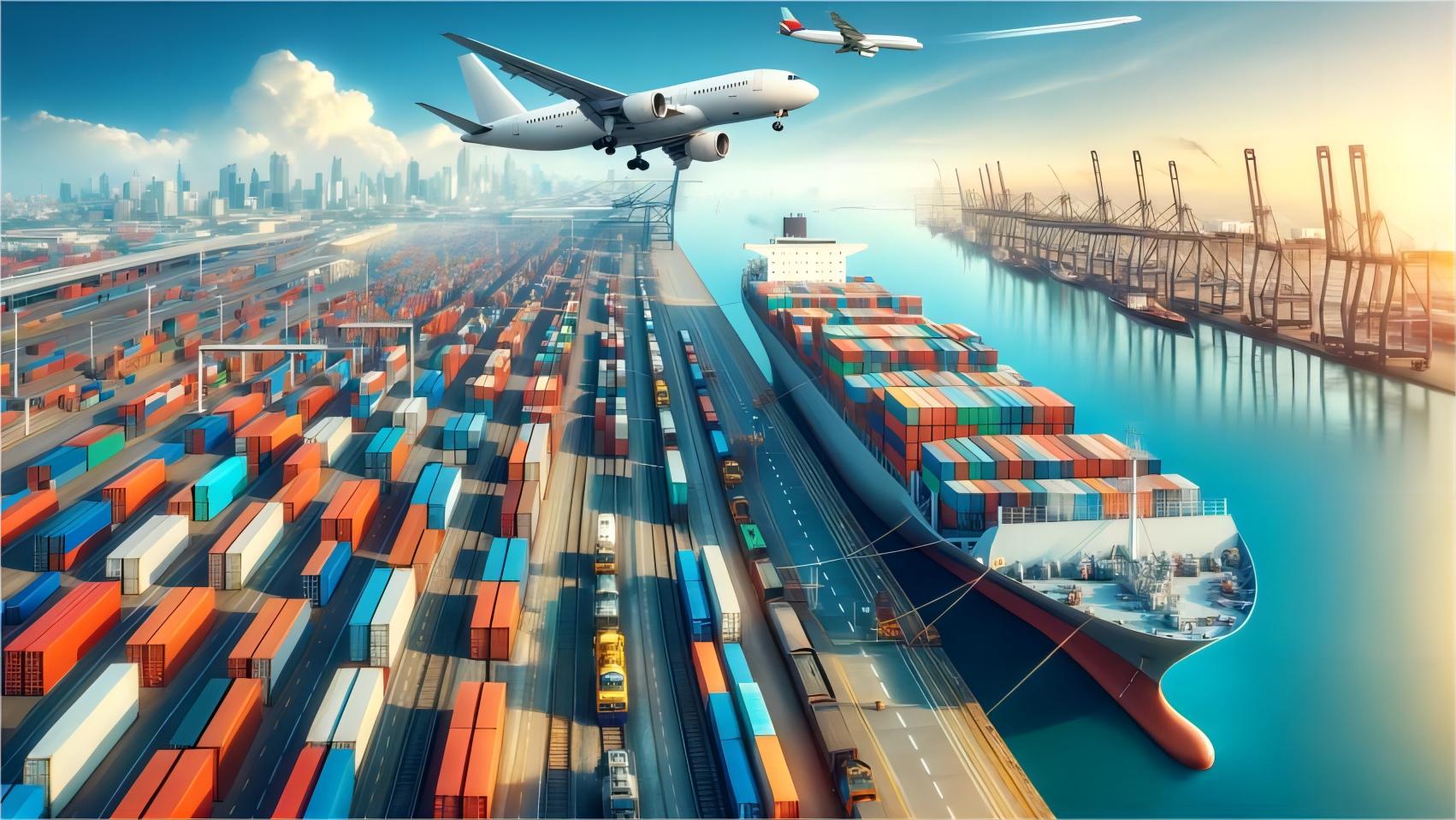
Why Do You Need 20GP FCL Insurance for Textiles from China to Germany?
Textiles are particularly vulnerable to environmental factors such as moisture, mold, and physical damage during long-distance transit. Consequently, relying solely on carrier liability is often insufficient because standard maritime law limits the compensation amounts significantly. Moreover, the journey from China to Germany involves multiple handling points where cargo could be exposed to theft or accidental damage.

Insurance provides a safety net that covers the full invoice value of the goods plus shipping costs. Therefore, importers can maintain their cash flow even if a total loss occurs during a storm or a container mishap at sea. Furthermore, having a comprehensive policy helps in navigating the complex legal requirements of international trade.
Choosing sea freight for your 20GP container is the most common method for textile shipping. However, the extended transit time increases the window of exposure to potential risks. Indeed, professional insurance ensures that your business remains resilient against unpredictable global logistics trends.
How Does 20GP FCL Compare to Other Shipping Options?
When planning your logistics strategy, it is vital to understand how different transport modes affect your insurance needs. While a 20GP Full Container Load (FCL) offers a dedicated space for your textiles, other methods like LCL or rail might be more suitable depending on your volume. Additionally, the cost of insurance varies based on the perceived risk of the transport mode selected.
For instance, rail freight offers a faster alternative to sea transport for inland German destinations. Nevertheless, the physical vibrations and temperature fluctuations on the tracks require specific insurance clauses. In contrast, sea freight remains the most economical choice for large-scale textile shipments despite the longer duration.
| Shipping Method | Cost Range (USD) | Transit Time | Best For | Limitations |
|---|---|---|---|---|
| Sea Freight (20GP) | $1,800 – $2,500 | 30-40 Days | Bulk Textiles | Slowest transit |
| Rail Freight (20GP) | $3,500 – $5,000 | 15-22 Days | Urgent Stock | Higher cost |
| Air Freight (Bulk) | $15,000 – $25,000 | 5-8 Days | High-end Fashion | Very expensive |
| LCL Sea Freight | $50 – $120/CBM | 35-45 Days | Small Batches | High handling risk |
Understanding the Costs of 20GP FCL Insurance for Textiles
The premium for 20GP FCL insurance for textiles from China to Germany is typically calculated as a percentage of the total insured value. Usually, this value includes the cost of the goods, the freight charges, and an additional 10 percent to cover incidental expenses. Consequently, the rates usually range from 0.1 percent to 0.5 percent of the total value.
Market data suggests that textile premiums are slightly higher than non-perishable hardware due to the susceptibility to water damage. Accordingly, many importers opt for ‘All Risks’ coverage to ensure maximum protection against all external causes of loss. Without a doubt, the peace of mind provided by this investment outweighs the relatively low cost of the premium.
Note: Freight rates and insurance premiums are subject to change based on fuel costs, carrier capacity, and seasonal demand. Contact us for a current quote tailored to your specific shipment.
Key Coverage Types for Textile Shipping to Europe
Selecting the right coverage is critical for protecting your textile supply chain. Institute Cargo Clauses (A) represent the widest form of coverage, often referred to as ‘All Risks’ insurance. Meanwhile, Clauses (B) and (C) offer more restricted protection, focusing mainly on major accidents like vessel collisions or fire.
For textiles, it is essential to include specific endorsements for mildew and moisture damage. Since containers can experience ‘container sweat’ during temperature changes, these clauses are vital for garments and fabrics. Additionally, ensure your policy covers the shipping from China to Europe route specifically, including any transshipment points.
Importers should also consider the benefits of customs brokerage services that understand insurance valuation. Correctly declaring the insured value to customs prevents delays and ensures that duties are calculated accurately. Therefore, a holistic approach to logistics and insurance is always recommended.
Real Case Studies: Textile Shipments to Germany
Reviewing real-world examples helps in understanding the practical application of 20GP FCL insurance for textiles from China to Germany. These cases highlight the costs, timelines, and importance of professional coverage in the current market environment. Indeed, learning from actual scenarios can help you avoid common pitfalls in international trade.
Case Study 1: Cotton Garments from Shanghai to Hamburg
Route: Shanghai, China to Hamburg, Germany
Cargo: Finished cotton T-shirts, 25 CBM, 8,000 kg
Container: 20GP FCL
Shipping Details:
– Carrier: COSCO Shipping
– Port of Loading: Shanghai Port
– Port of Discharge: Hamburg Port
– Route Type: Direct
Cost Breakdown:
– Ocean Freight: $2,150
– Origin Charges: $320
– Destination Charges: $450
– Insurance Premium: $125
– Total Landed Cost: $3,045
Timeline:
– Booking to Loading: 4 days
– Sea Transit: 33 days
– Customs Clearance: 2 days
– Total Door-to-Door: 39 days
Key Insight: Based on Q4 2024 market rates, the importer saved significantly by choosing a direct route. The insurance covered a minor moisture issue discovered upon arrival, preventing a $2,000 loss.
Case Study 2: Synthetic Fabrics from Shenzhen to Duisburg
Route: Shenzhen, China to Duisburg, Germany
Cargo: Polyester rolls, 22 CBM, 12,000 kg
Container: 20GP FCL
Shipping Details:
– Carrier: China Railway Express
– Loading Point: Shenzhen Terminal
– Discharge Point: Duisburg Rail Terminal
– Route Type: Rail via Kazakhstan
Cost Breakdown:
– Rail Freight: $4,200
– Origin Charges: $280
– Destination Charges: $500
– Insurance Premium: $210
– Total Landed Cost: $5,190
Timeline:
– Booking to Loading: 5 days
– Rail Transit: 18 days
– Customs Clearance: 3 days
– Total Door-to-Door: 26 days
Key Insight: Typical rates as of early 2025 show that rail is 50% faster than sea. The insurance premium was higher due to rail-specific risks, but the speed allowed the client to meet a seasonal fashion deadline.
Which Option Should You Choose? Decision Framework
Deciding on the best shipping and insurance strategy depends on your specific business priorities. If your primary goal is cost reduction, sea freight in a 20GP container is the most logical choice. However, if speed is the priority for a new collection launch, rail or air freight should be considered despite the higher premiums.
Consider the following criteria for your next shipment:
Budget Priority: Choose sea freight and ‘All Risk’ insurance. This ensures the lowest transport cost with maximum safety.
Speed Priority: Choose rail freight or door to door express services. Ensure the insurance policy specifically covers transshipment risks.
Cargo Volume: For shipments over 15 CBM, a 20GP FCL is more economical than LCL. FCL also reduces the risk of damage from other shippers’ cargo.
Risk Tolerance: For high-value silk or specialized textiles, never settle for basic coverage. Always opt for full replacement value insurance.
Common Risks in the China-Germany Textile Route
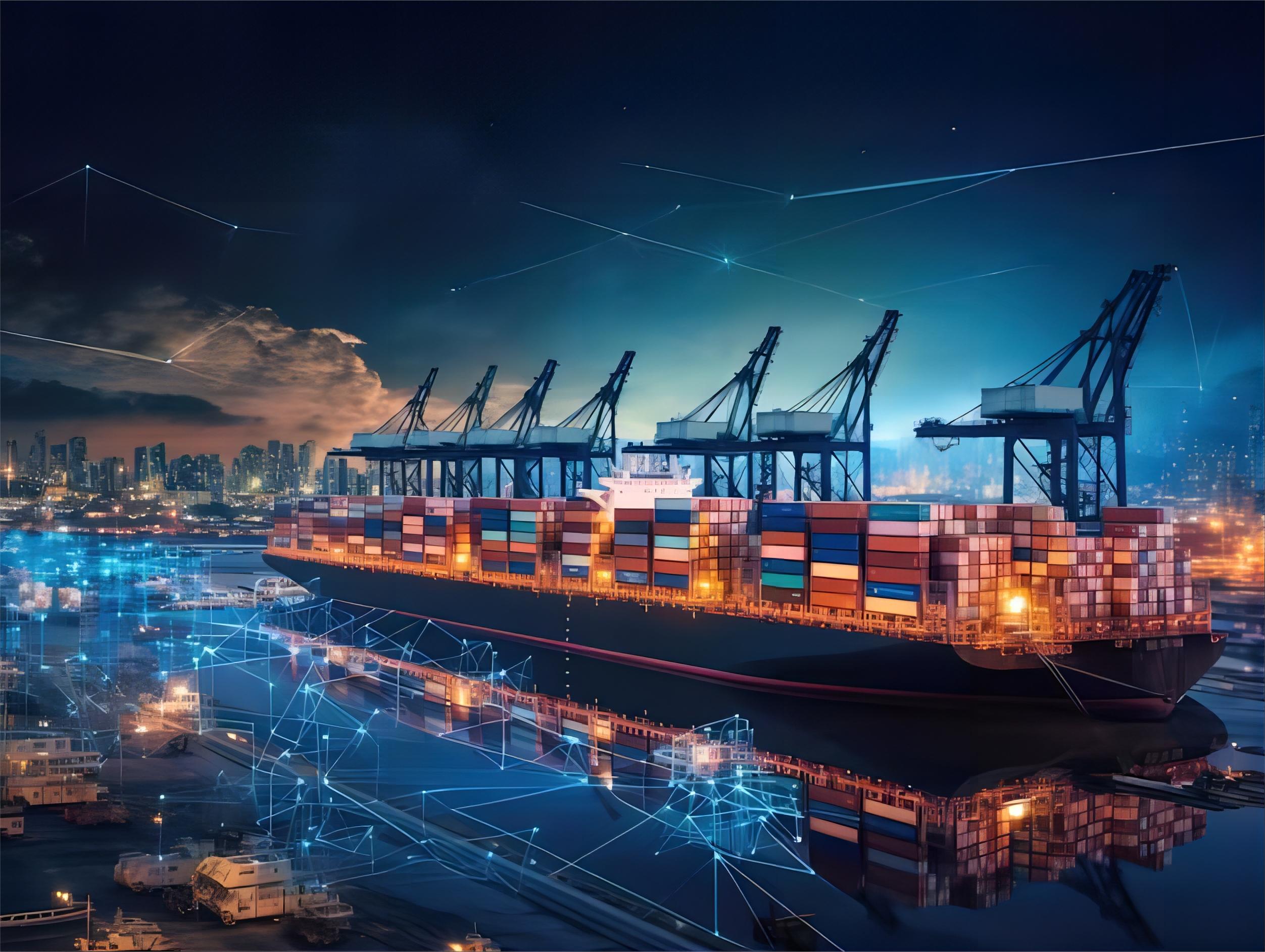
The maritime route from China to Germany involves crossing several climate zones. Consequently, ‘container sweat’ is a frequent problem for textile importers. This occurs when warm, moist air from Asian ports condenses as the ship enters the colder North Sea. Therefore, proper desiccant usage and moisture-specific insurance are essential.
Furthermore, port congestion in major hubs like Ningbo or Hamburg can lead to delays. While insurance does not usually cover loss of market due to delays, it does cover physical damage that might occur while the container sits in the yard. Moreover, the risk of theft remains a concern in certain transit corridors, making theft and pilferage clauses necessary.
As of Q1 2025, freight rates from China to Europe have stabilized after the 2024 disruptions. However, geopolitical factors can still impact transit times. Accordingly, maintaining a flexible insurance policy that allows for route changes is a smart strategy for modern supply chain management.
How to File an Insurance Claim for Textile Damage
If you discover damage upon the arrival of your 20GP container in Germany, immediate action is required. First, you must note any external damage on the Proof of Delivery (POD) document. Following this, take high-quality photographs of the container seals and the damaged textiles before unloading the entire container.
Subsequently, notify your insurance provider and the freight forwarder within 24 hours. They will likely appoint a surveyor to inspect the goods and determine the cause of loss. Meanwhile, keep all damaged items and packaging as evidence until the claim is processed. Indeed, a well-documented claim is much more likely to result in a full payout.
Finally, ensure you have the commercial invoice, packing list, and Bill of Lading ready. These documents prove the value and ownership of the cargo. Consequently, working with a professional logistics partner simplifies this process by providing the necessary documentation promptly.
Securing Your Textile Future
To summarize, obtaining 20GP FCL insurance for textiles from China to Germany is a non-negotiable step for professional importers. It protects against environmental damage, maritime accidents, and theft during the long journey to Europe. By understanding the costs and coverage options, you can make informed decisions that safeguard your profit margins.
Furthermore, choosing the right transport mode and insurance level ensures that your textiles reach the German market in pristine condition. Whether you prioritize speed or cost, a robust insurance policy provides the foundation for a successful international trade operation. Always stay updated on market trends to optimize your logistics strategy.
Ready to streamline your logistics?
Protect your textile business today with reliable 20GP FCL insurance for textiles from China to Germany. Our team at Top China Freight offers comprehensive cargo protection and competitive shipping rates to keep your supply chain running smoothly. Send Inquiry: https://Top China Freight.net/
Request Quote