
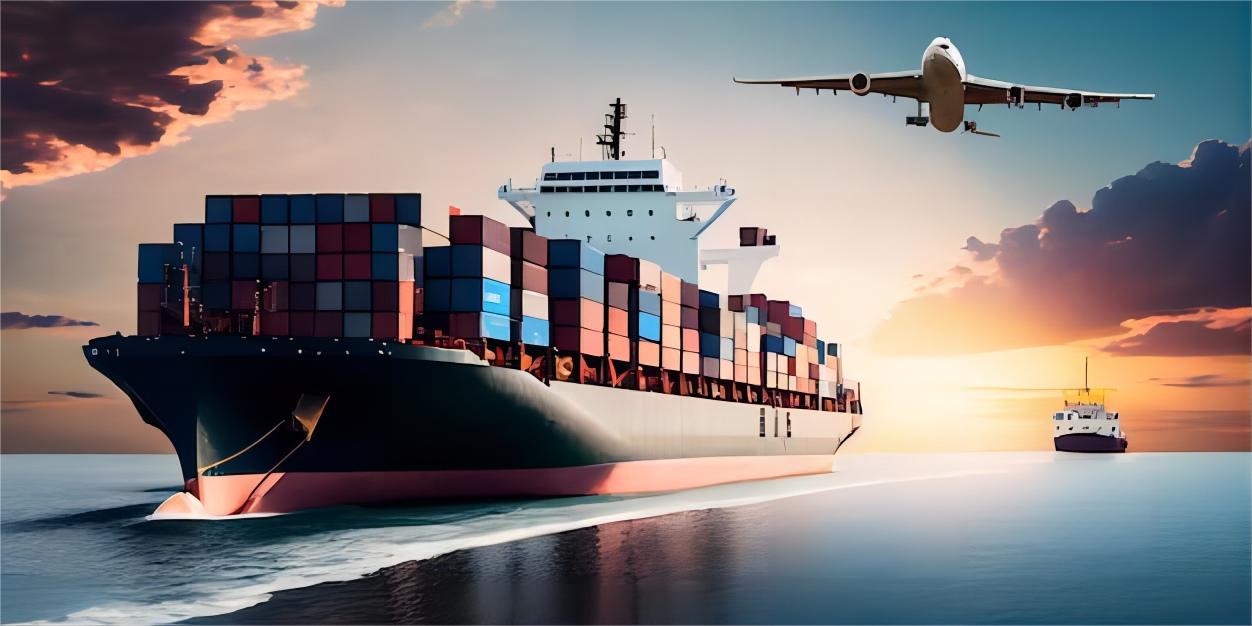
20GP FCL freight rate for medical equipment from China to Illinois
Securing a competitive 20GP FCL freight rate for medical equipment from China to Illinois is essential for maintaining a cost-effective and reliable healthcare supply chain. At Top China Freight, we understand that shipping sensitive medical devices requires more than just a low price; it demands precision, safety, and strict adherence to regulatory standards. This comprehensive guide will analyze current market trends, explore various shipping routes to the American Midwest, and provide the data you need to optimize your logistics budget. Whether you are importing diagnostic machines or personal protective equipment, understanding the nuances of ocean freight pricing is the first step toward a successful delivery.
What factors influence the 20GP FCL freight rate for medical equipment from China to Illinois?
Several variables contribute to the final 20GP FCL freight rate for medical equipment from China to Illinois, making it a dynamic figure that fluctuates with global market conditions. For instance, fuel surcharges, known as the Bunker Adjustment Factor, can rise or fall based on international oil prices, directly impacting your bottom line. Additionally, seasonal demand plays a massive role, as rates typically spike during the peak season from August to October when retailers stock up for the holidays. Consequently, importers who plan their shipments during the off-peak months often secure much better pricing than those who wait until the last minute.
Moreover, the specific nature of medical equipment often requires specialized handling or priority stowage, which can occasionally incur additional fees. Because these items are frequently high-value and sensitive to environmental conditions, choosing a reputable carrier is paramount. Furthermore, the port of origin in China, such as Shanghai, Ningbo, or Shenzhen, will influence the base rate due to varying local port charges and equipment availability. Indeed, a container leaving from a major hub like Shanghai might have more competitive pricing due to the high volume of traffic compared to smaller regional ports.
Finally, the inland transportation component from the U.S. West Coast or East Coast to Illinois adds another layer of cost. Since Illinois is a landlocked state, your cargo must travel by rail or truck from the primary port of entry, which involves drayage fees and intermodal transfers. Therefore, the total landed cost is not just the ocean freight but a combination of several logistics stages. Transitioning to a comprehensive sea freight strategy can help you manage these integrated costs more effectively.
How does sea freight compare to other shipping options?
While ocean freight is the most common method for transporting large volumes of medical supplies, it is important to evaluate how it stands against other alternatives. For example, air freight offers unmatched speed, which is critical for urgent medical needs or high-value diagnostic tools that cannot afford long transit times. However, the cost of air freight is significantly higher, often making it ten times more expensive than sea freight for the same volume of goods. Consequently, most businesses reserve air transport for emergency situations or small, lightweight components.
In contrast, sea freight provides the most economical solution for bulk shipments of hospital beds, imaging equipment, or large quantities of consumables. Nevertheless, the transit time is much longer, usually ranging from 30 to 45 days depending on the specific route and port congestion. Furthermore, choosing between Full Container Load (FCL) and Less than Container Load (LCL) is another critical decision for importers. For shipments exceeding 15 cubic meters, a 20GP FCL is generally more cost-effective and offers better security for sensitive medical devices.
Additionally, some importers consider hybrid solutions like sea-air combinations to balance cost and speed. Although these routes are less common for the China-to-Illinois corridor, they can be utilized during periods of extreme ocean congestion. Meanwhile, rail freight is a viable option for shipments to Europe, but for North American routes, the focus remains on the sea-to-rail intermodal model. To better understand these differences, refer to the comparison table below which outlines the primary trade-offs between these logistics strategies.
| Shipping Method | Cost Range (USD) | Transit Time | Best For |
|---|---|---|---|
| 20GP FCL (Sea) | $2,500 – $3,800 | 30-45 Days | Bulk medical supplies |
| LCL (Sea) | $150 – $300 per CBM | 35-50 Days | Small equipment batches |
| Air Freight | $5,000 – $12,000 | 5-10 Days | Urgent/High-value tools |
| Express Service | $8,000 – $15,000 | 3-5 Days | Samples and prototypes |
Why is FCL the preferred method for medical equipment?
Choosing a Full Container Load (FCL) for your medical equipment offers several distinct advantages that go beyond simple cost calculations. Firstly, FCL provides a higher level of security because the container is sealed at the point of origin and only opened at the final destination. This minimizes the risk of damage or loss that can occur during the consolidation and deconsolidation processes associated with LCL shipments. Furthermore, medical equipment is often fragile and sensitive, making the exclusive use of a 20GP container a safer choice for maintaining product integrity.
In addition, FCL shipments generally experience fewer delays at customs and transit hubs. Since the entire container belongs to one consignee, there is no need to wait for other shipments to be cleared or processed before the container can move. Consequently, this leads to a more predictable delivery schedule, which is vital for hospitals and clinics waiting for essential equipment. Moreover, many importers find that North America logistics networks are highly optimized for handling full containers, particularly the rail links to Chicago.
Additionally, FCL allows for more efficient loading and unloading at your own warehouse or facility. You have full control over how the cargo is stacked and secured inside the 20GP container, ensuring that heavy items do not crush delicate components. Therefore, while LCL might seem cheaper for smaller volumes, the added security and speed of FCL often justify the investment for medical professionals. Indeed, the peace of mind knowing your cargo is isolated from other goods is a significant factor for many supply chain managers.
Understanding the logistics route to Illinois
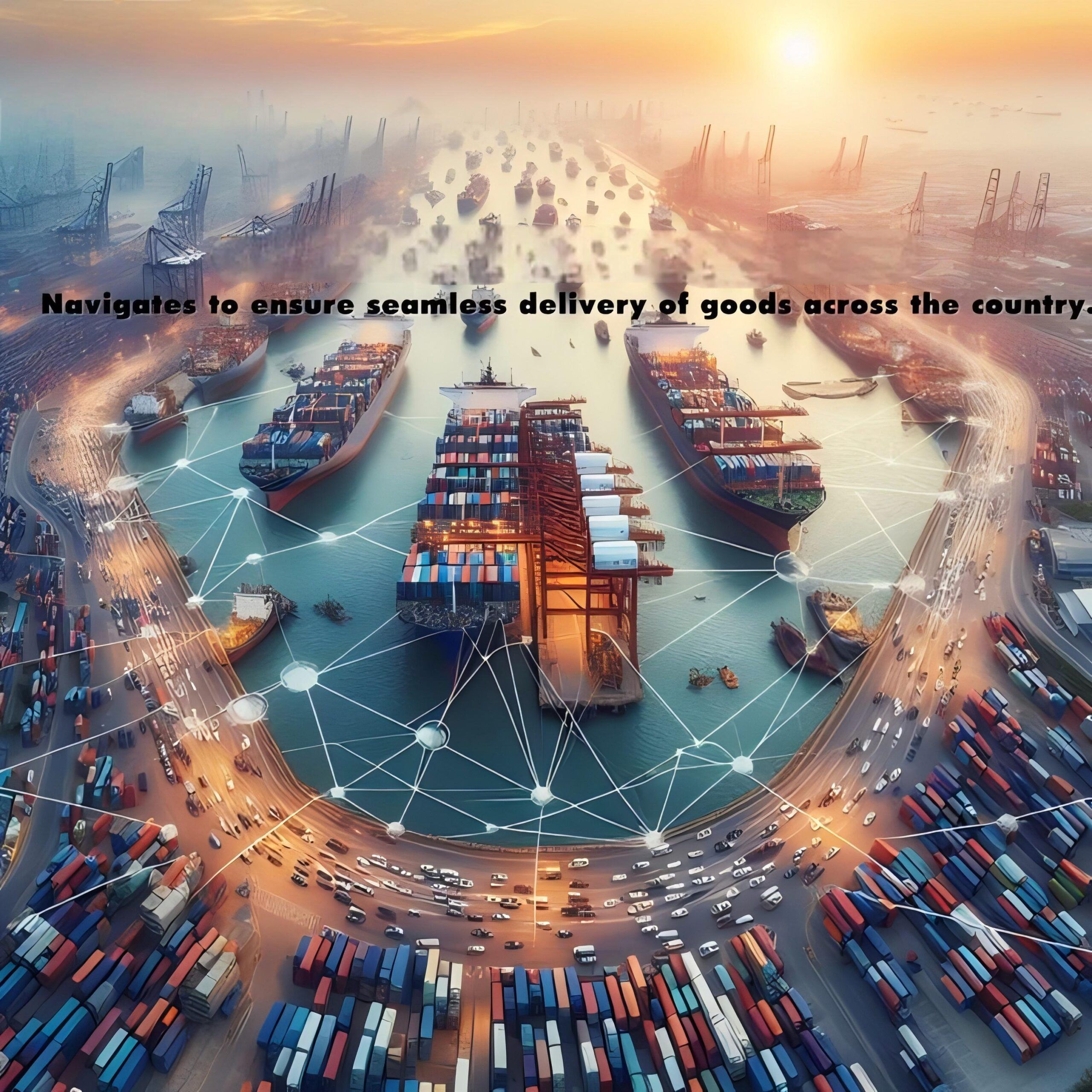
Shipping a 20GP container from China to Illinois typically involves a complex intermodal journey across the Pacific Ocean and the North American continent. Most containers depart from major Chinese ports like Shanghai or Ningbo and arrive at U.S. West Coast ports such as Long Beach or Los Angeles. From there, the container is loaded onto a train for the long-haul journey to the Chicago rail ramps, which serve as the primary distribution hub for the state of Illinois. This route is generally the fastest, though it can be subject to rail congestion during peak periods.
Alternatively, some shipments may travel through the Panama Canal to reach East Coast ports like Savannah or New York before being trucked or railed to Illinois. While this route avoids the potential bottlenecks of West Coast ports, it usually takes longer and may result in a higher 20GP FCL freight rate for medical equipment from China to Illinois. Consequently, it is important to work with a forwarder who can analyze current port conditions and recommend the most efficient gateway for your specific cargo. Furthermore, utilizing a door to door service can simplify this entire process by managing every handoff.
Furthermore, the final leg of the journey involves drayage, which is the short-distance trucking from the rail ramp to your final warehouse or medical facility. This stage requires careful coordination to avoid storage fees at the rail yard, which can accumulate quickly if the container is not picked up promptly. In addition, you must ensure that your facility is equipped to handle a 20GP container, including having the necessary loading docks or forklifts. Therefore, a well-planned logistics strategy must account for every segment of the journey to ensure a seamless arrival in Illinois.
Customs and regulatory requirements for medical devices
Importing medical equipment into the United States requires strict compliance with the Food and Drug Administration (FDA) and U.S. Customs and Border Protection (CBP). Every medical device must be correctly classified using the Harmonized Tariff Schedule (HTS) code, which determines the duties and taxes applicable to your shipment. In addition, the manufacturer in China must be registered with the FDA, and the products themselves must have the necessary 510(k) clearances or Premarket Approvals. Failure to provide this documentation can result in lengthy delays or even the seizure of your cargo.
Moreover, you must ensure that all labeling and packaging meet U.S. standards, including instructions for use in English and proper sterilization markings where applicable. Consequently, many importers choose to hire a professional customs brokerage to handle the complex paperwork and ensure that all regulatory hurdles are cleared before the ship even arrives. Furthermore, having a solid understanding of the Incoterms used in your purchase agreement, such as FOB or CIF, is essential for determining who is responsible for customs clearance and insurance. Indeed, being proactive with your documentation is the best way to avoid unexpected costs.
In addition, certain medical supplies may be subject to Section 301 tariffs if they are manufactured in China, though many medical items have received exclusions in recent years. It is vital to check the latest tariff schedules to see if your specific products are impacted by these additional duties. Therefore, your total 20GP FCL freight rate for medical equipment from China to Illinois should always include an estimate for duties and taxes to provide an accurate landed cost. Transitioning to a knowledgeable logistics partner will help you navigate these regulatory waters with confidence.
| Document Name | Purpose | Required By | Timing |
|---|---|---|---|
| Commercial Invoice | Valuation and duties | CBP | Before shipment |
| Packing List | Cargo verification | CBP / Carrier | At loading |
| FDA 2891 Form | Device registration | FDA | Upon entry |
| Bill of Lading | Title of goods | Carrier | After departure |
Realistic case studies for China to Illinois shipping
To provide a clearer picture of the costs and timelines involved, we have compiled two realistic case studies based on recent shipments handled in early 2025. These examples illustrate how different ports of origin and specific cargo types can influence the overall logistics experience. However, please remember that market conditions change rapidly, and these figures should be used as a general benchmark rather than a fixed quote. Consequently, always seek a real-time estimate for your current shipping needs.
The first case involves a shipment of dental chairs from Ningbo to a distribution center in Naperville, Illinois. This shipment utilized a standard 20GP container and followed the West Coast intermodal route. Meanwhile, the second case looks at the transport of laboratory diagnostic equipment from Shenzhen to a research facility in Chicago. This shipment required additional white-glove delivery services due to the sensitive nature of the machines. Both cases highlight the importance of careful planning and the role of a reliable freight forwarder in managing the process.
Case Study 1: Dental Chairs from Ningbo to Naperville. Route: Ningbo to Long Beach to Chicago Rail. Cargo: 18 CBM of dental equipment. Container: 20GP FCL. Ocean Freight: $2,950. Origin Charges: $350. Destination Charges: $600. Total Landed Cost (Excl. Duties): $3,900. Sea Transit: 16 days. Rail Transit: 7 days. Total Door-to-Door: 32 days. Key Insight: Early booking allowed the importer to avoid a mid-month GRI (General Rate Increase).
Case Study 2: Diagnostic Machines from Shenzhen to Chicago. Route: Shenzhen to Savannah to Chicago. Cargo: 15 CBM high-value electronics. Container: 20GP FCL. Ocean Freight: $3,400. Origin Charges: $400. Destination Charges: $850. Total Landed Cost (Excl. Duties): $4,650. Sea Transit: 32 days. Rail/Truck Transit: 5 days. Total Door-to-Door: 45 days. Key Insight: Choosing the East Coast route avoided a temporary labor strike at West Coast ports, ensuring a predictable arrival despite the longer sea time.
Cost-saving strategies for medical importers
Reducing your 20GP FCL freight rate for medical equipment from China to Illinois requires a combination of strategic planning and operational efficiency. For instance, optimizing your packaging can allow you to fit more units into a single container, effectively lowering the cost per item. Additionally, consolidating multiple smaller orders from different suppliers into one 20GP container can save thousands of dollars compared to shipping multiple LCL lots. Furthermore, negotiating long-term contracts with freight forwarders can provide rate stability in a volatile market.
Moreover, being flexible with your transit times can lead to significant savings. If your supply chain can accommodate a slower route, you may be able to choose carriers with lower rates but longer transit times. In addition, avoiding the peak season entirely is one of the most effective ways to keep costs down. Consequently, many successful importers maintain a buffer stock that allows them to skip shipping during the most expensive months of the year. Indeed, a little bit of foresight can go a long way in protecting your margins.
Finally, always verify the accuracy of your HTS codes and documentation to prevent costly fines and storage fees. Even a small error in paperwork can lead to a container being held at the port, where demurrage charges can exceed hundreds of dollars per day. Therefore, investing in a high-quality logistics partner is often a cost-saving measure in the long run. Transitioning to a more data-driven approach to shipping will help you identify further opportunities for optimization across your entire supply chain.
Which shipping option should you choose?
Determining the best shipping option depends entirely on your specific business priorities, whether they are focused on budget, speed, or cargo safety. If your primary goal is to minimize costs and you are shipping a large volume of non-urgent supplies, then 20GP FCL via the West Coast rail link is almost always the best choice. On the other hand, if you are dealing with a critical shortage of life-saving equipment, the high cost of air freight becomes a necessary expense to ensure patient care. Therefore, you must weigh the financial implications against the urgency of the need.
Furthermore, consider the physical characteristics of your medical equipment. Fragile or high-precision instruments may require the stability of FCL to prevent the vibration and handling damage that can occur in LCL environments. In contrast, durable consumables like bandages or gowns may be better suited for LCL if you do not have enough volume to fill a whole container. Additionally, your location within Illinois matters; being close to the Chicago rail hubs makes intermodal sea freight extremely convenient, whereas remote areas might require more complex trucking arrangements.
Ultimately, the most successful importers are those who remain adaptable and informed about the latest logistics trends. By monitoring the 20GP FCL freight rate for medical equipment from China to Illinois regularly, you can make data-backed decisions that support your company’s growth. Consequently, we recommend consulting with a logistics expert who can provide a tailored strategy based on your unique requirements. Indeed, the right shipping choice is the one that balances all these factors to deliver your cargo safely and on time.
Final thoughts on shipping medical equipment to Illinois
Navigating the complexities of international logistics is a challenge, but understanding the 20GP FCL freight rate for medical equipment from China to Illinois provides a significant advantage. By considering factors like transit routes, customs compliance, and container types, you can build a more resilient and cost-effective supply chain. Furthermore, leveraging the expertise of a professional freight forwarder ensures that your sensitive medical cargo is handled with the care it deserves. Consequently, you can focus on your core mission of providing essential healthcare solutions while we manage the intricacies of global transport. Remember that staying informed and proactive is the key to mastering the ever-changing world of ocean freight.

Ready to streamline your logistics?
Ready to optimize your medical equipment supply chain? Contact Top China Freight today for a personalized quote on your next shipment. Our team of experts is standing by to help you secure the most competitive 20GP FCL freight rate for medical equipment from China to Illinois. Send Inquiry now to get started on your seamless shipping journey.
Request Quote