
Shipping Cost for FCL Shipping from China to New York: 2025 Guide
Navigating the shipping cost for FCL shipping from China to New York requires a deep understanding of current market variables and logistics strategies. Many businesses struggle with fluctuating freight rates and unexpected port fees when importing goods to the United States East Coast. Top China Freight provides professional guidance to help you streamline your supply chain and secure the most competitive rates available today. Consequently, this comprehensive guide will break down every expense involved in the ocean freight process from major Chinese ports to the Port of New York and New Jersey.
What Factors Influence the Shipping Cost for FCL Shipping from China to New York?
Several critical elements determine the final price you pay for a full container load. Fuel prices, often referred to as the Bunker Adjustment Factor, represent one of the most volatile components in sea freight pricing. Furthermore, seasonal demand cycles significantly impact container availability and spot rates throughout the year.
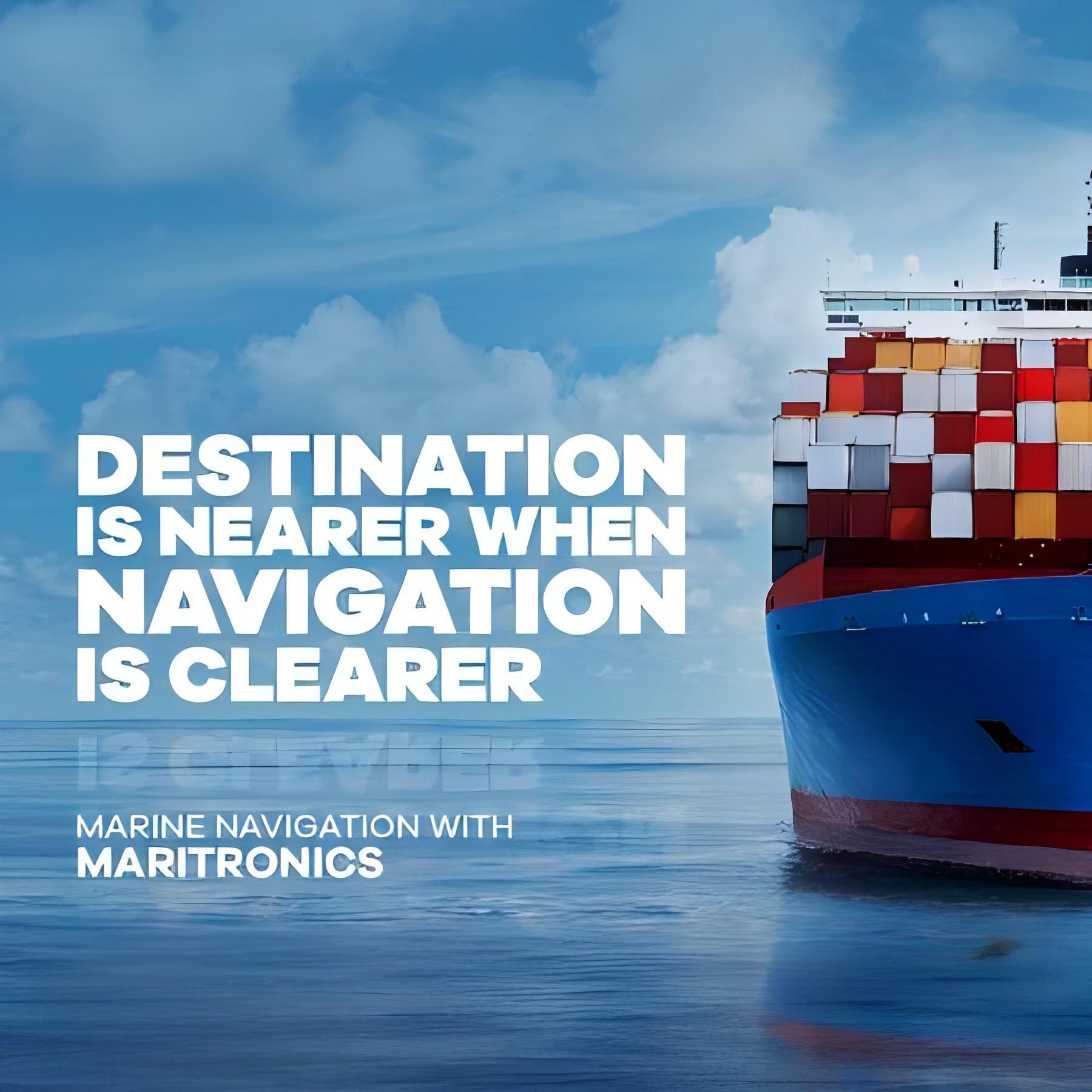
Carrier capacity management also plays a vital role in price fluctuations. When shipping lines blank sailings to reduce supply, rates typically increase for all importers. Meanwhile, port congestion in New York can lead to additional surcharges that increase your total landed cost unexpectedly.
Distance and specific port pairings also matter. Shipping from Shenzhen to New York generally costs more than shipping to Los Angeles due to the longer transit through the Panama Canal or around the Cape of Good Hope. Therefore, choosing the right departure port in China is a strategic decision for every importer.
Average Rates for 20ft and 40ft Containers in 2025
Market data suggests that container rates have stabilized in early 2025 compared to previous years of high volatility. Specifically, the shipping cost for FCL shipping from China to New York varies based on the container size you select for your cargo. Indeed, larger containers often provide better value per cubic meter of space.
Standard 20GP containers are ideal for heavy machinery or dense materials. On the other hand, 40HQ containers offer the best volume-to-price ratio for lightweight consumer goods. Consequently, most high-volume importers prefer the 40-foot high cube option to maximize their shipping budget.
| Container Type | Average Cost (USD) | Capacity (CBM) | Best For |
|---|---|---|---|
| 20ft Standard (20GP) | $3,200 – $4,500 | 33 CBM | Heavy Goods |
| 40ft Standard (40GP) | $4,800 – $6,200 | 67 CBM | General Cargo |
| 40ft High Cube (40HQ) | $5,200 – $6,800 | 76 CBM | Light/Bulky Goods |

How Does FCL Compare to Other Shipping Options?
Choosing between FCL and other methods depends largely on your total volume and urgency. While FCL provides a dedicated space for your goods, LCL allows you to share a container with other shippers. However, LCL often involves higher handling fees and longer processing times at the destination.
Air freight remains the fastest alternative but comes with a significantly higher price tag. For instance, shipping a full container’s worth of goods by air would cost ten times more than ocean freight. Therefore, businesses must balance the need for speed against their overall logistics budget.
| Shipping Method | Cost Range | Transit Time | Best For |
|---|---|---|---|
| Sea FCL | $4,500 – $6,500 | 30-40 Days | Large Shipments |
| Sea LCL | $80 – $150/CBM | 35-45 Days | Small Volumes |
| Air Freight | $5 – $12/kg | 5-10 Days | Urgent Goods |
| Express | $8 – $15/kg | 3-6 Days | Samples/Docs |
Transit Times and Route Options to the East Coast
The journey from China to New York is one of the longest trade lanes in the world. Typically, vessels traveling to North America East Coast ports take between 30 and 45 days. This timeline includes loading at the origin port and unloading at the destination terminal.
Most carriers utilize the Panama Canal to reach New York from ports like Shanghai or Ningbo. Nevertheless, some services may route through the Suez Canal or around the southern tip of Africa depending on current geopolitical conditions. As a result, transit times can vary by several days based on the chosen path.
Direct services offer the fastest arrival times but often command a premium price. In contrast, transshipment routes via intermediate ports like Busan or Singapore might save you money while adding a week to the schedule. Without a doubt, you should confirm the specific route with your freight forwarder before booking.
Understanding Surcharges and Hidden Fees
The base ocean freight rate is rarely the final shipping cost for FCL shipping from China to New York. Importers must account for various surcharges that carriers apply during different market conditions. For example, the Peak Season Surcharge usually applies from August through October.
Origin charges include terminal handling fees, documentation fees, and export clearance costs. Additionally, destination charges in New York include DDC, port security fees, and trucking costs to your warehouse. Consequently, you should always request an all-in quote to avoid budget overruns.
Note: Freight rates are subject to change based on fuel costs, carrier capacity, and seasonal demand. Contact us for a current quote tailored to your specific shipment.
Customs Duties and Import Documentation
Importing goods into New York requires strict compliance with US Customs and Border Protection regulations. Professional customs brokerage services help ensure your paperwork is accurate and filed on time. Indeed, errors in documentation can lead to costly delays and storage fees at the port.
You must provide a Commercial Invoice, Packing List, and Bill of Lading for every FCL shipment. Furthermore, certain products may require specific certificates or permits depending on their classification. Therefore, verifying your HTS codes early in the process is essential for accurate duty estimation.
Customs duties represent a significant portion of your total landed cost. Specifically, Section 301 tariffs on Chinese goods may apply to your specific products. As a result, calculating these taxes beforehand is vital for maintaining your profit margins.

Real Case Studies: FCL Shipments to New York
Reviewing real-world examples helps importers understand the actual costs and timelines involved. These cases reflect typical scenarios handled by professional logistics providers in the current market. Specifically, they highlight the differences between various cargo types and container sizes.
+———————————————————+ | Case Study 1: High-Volume Electronics | | Route: Shanghai, China to New York, USA | | Cargo: Consumer Electronics, 68 CBM, 12,000 kg | | Container: 40HQ | | | | Shipping Details: | | – Carrier: Major Global Line | | – Route Type: Direct via Panama Canal | | | | Cost Breakdown: | | – Ocean Freight: $5,800 | | – Origin/Dest Charges: $1,200 | | – Customs/Duties: $4,500 | | – Total Landed Cost: $11,500 | | | | Timeline: | | – Sea Transit: 34 Days | | – Total Door-to-Door: 42 Days | | Key Insight: Early booking secured a fixed rate. | +———————————————————+
+———————————————————+ | Case Study 2: Residential Furniture | | Route: Shenzhen, China to New York, USA | | Cargo: Wooden Furniture, 28 CBM, 8,500 kg | | Container: 20GP | | | | Shipping Details: | | – Carrier: Tier 1 Ocean Carrier | | – Route Type: Transshipment via Busan | | | | Cost Breakdown: | | – Ocean Freight: $3,800 | | – Origin/Dest Charges: $950 | | – Customs/Duties: $1,800 | | – Total Landed Cost: $6,550 | | | | Timeline: | | – Sea Transit: 40 Days | | – Total Door-to-Door: 50 Days | | Key Insight: Transshipment saved $400 in freight. | +———————————————————+
Strategies to Reduce Your FCL Shipping Costs
Implementing smart logistics strategies can significantly lower your shipping cost for FCL shipping from China to New York. One effective method involves optimizing your packaging to fit more goods into a single container. Moreover, consolidating shipments from multiple suppliers into one FCL can eliminate LCL handling fees.
Negotiating with multiple freight forwarders allows you to compare different carrier contracts. In addition, choosing door to door shipping services can often be cheaper than managing each leg of the journey separately. Consequently, you gain better control over the entire supply chain and reduce the risk of hidden markups.
Timing your shipments outside of peak seasons is another proven cost-saving tactic. For example, shipping in the weeks following the Chinese New Year often yields the lowest rates of the year. Therefore, planning your inventory levels around these market trends can save thousands of dollars annually.
Which Shipping Option Should You Choose?
Determining the best method requires an objective analysis of your business priorities. If your primary goal is cost efficiency for large volumes, sea freight FCL is the undisputed winner. However, smaller businesses might find Amazon FBA services more suitable for managing smaller inventory batches.
Budget priority: Choose Sea FCL for shipments over 15 CBM to get the lowest price per unit. Speed priority: Opt for Air Freight if your goods are high-value and need to reach the market within 10 days. Volume thresholds: Once you exceed 15-20 CBM, FCL becomes more economical than LCL in almost every scenario.
Cargo type considerations also dictate the method. Perishable goods or high-tech electronics often require the speed of air or the stability of a dedicated FCL container. On the contrary, durable goods like textiles or plastic components are perfect candidates for slower, more affordable sea routes.
Final Thoughts on FCL Shipping to New York
Understanding the shipping cost for FCL shipping from China to New York is essential for any successful import business. By considering container sizes, transit routes, and hidden surcharges, you can make informed decisions that protect your bottom line. Moreover, partnering with an experienced freight forwarder ensures that your cargo arrives safely and efficiently.
Market conditions will continue to evolve, but the fundamentals of ocean freight remain constant. Specifically, proactive planning and clear communication with your logistics provider are the best tools for managing costs. Ultimately, the goal is to create a reliable supply chain that supports your business growth in the competitive US market.

Ready to streamline your logistics?
Are you looking to optimize your shipping cost for FCL shipping from China to New York? Contact our expert logistics team today to receive a customized quote that fits your budget and timeline. Our specialists are ready to help you navigate customs and secure the best carrier rates in the market. Visit Top China Freight to start your shipment inquiry now.
Request Quote