40GP FCL space availability for toys from China to Sweden
Finding reliable 40GP FCL space availability for toys from China to Sweden is essential for maintaining a healthy supply chain. Many importers face challenges during peak seasons when container capacity becomes limited. This guide provides actionable insights into securing space and optimizing your logistics strategy for the Swedish market.
How Does FCL Compare to Other Shipping Options?
Evaluating different transport modes is the first step in planning your toy imports from East Asia. While 40GP FCL is the standard for high-volume shipments, other methods might suit specific business needs. Specifically, the choice depends on your budget, inventory requirements, and the urgency of the delivery.
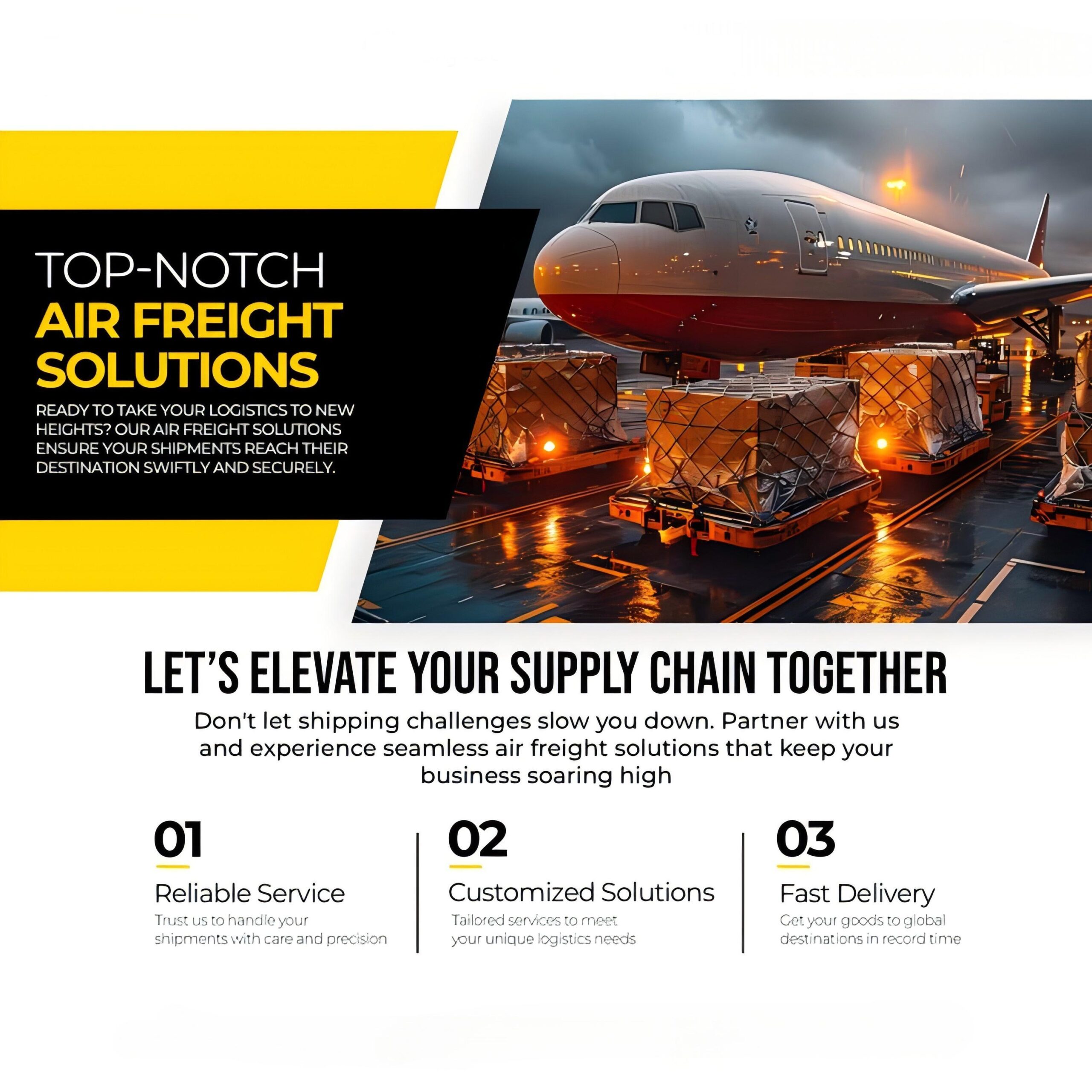
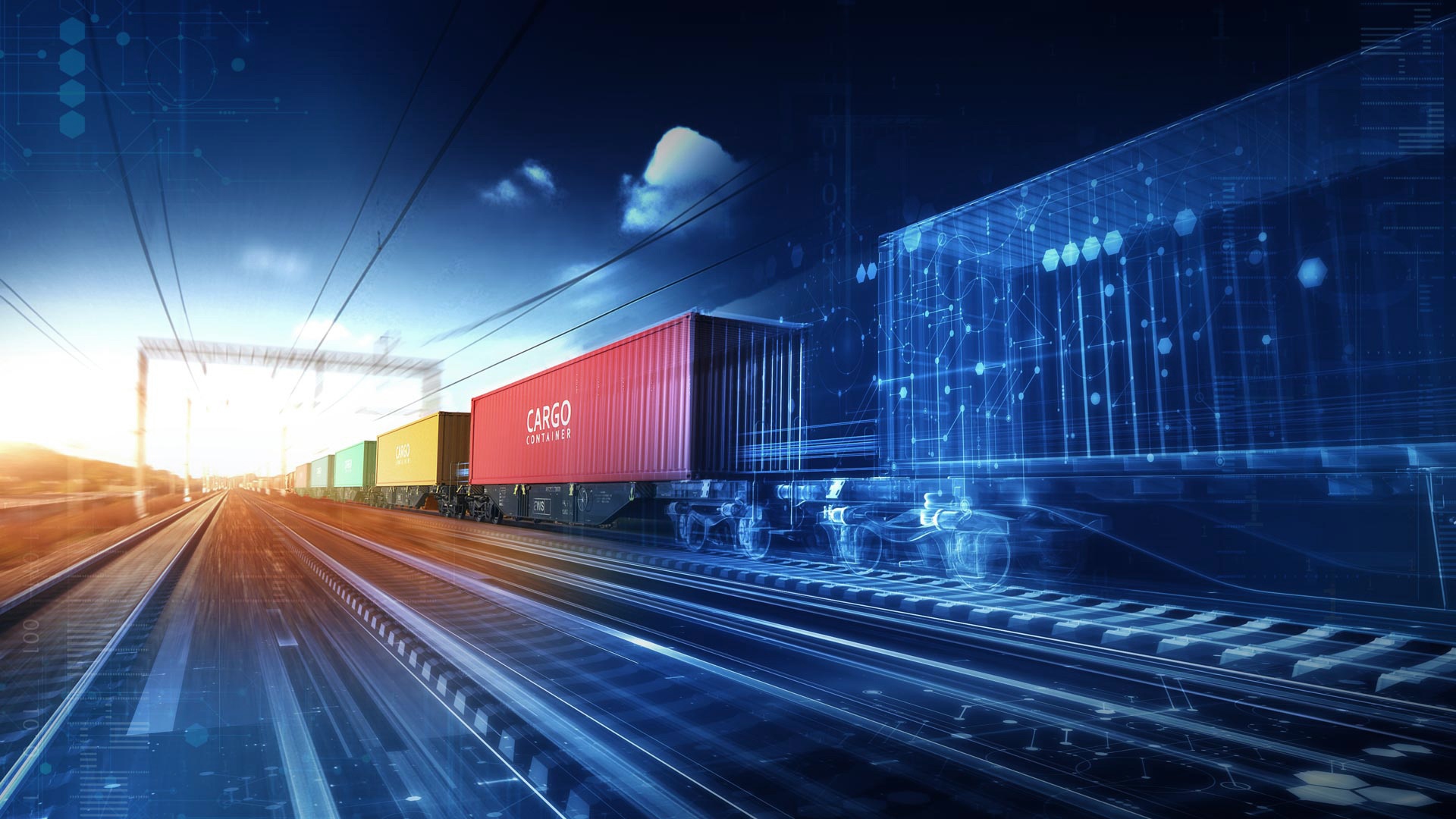
Sea freight remains the most cost-effective solution for large toy volumes. However, rail freight has emerged as a strong middle-ground option for those needing faster transit times than ocean transport. Air freight is generally reserved for high-value electronic toys or urgent restocking during the holiday rush.
Choosing the right method requires a balance between speed and expenditure. For instance, a 40GP container provides significant economies of scale that LCL shipments cannot match. Consequently, most large-scale Swedish retailers prefer FCL for their primary stock replenishment.
| Shipping Method | Cost Range | Transit Time | Best For |
|---|---|---|---|
| Sea Freight (40GP) | $3,000 – $4,200 | 35-45 Days | Bulk Toy Shipments |
| Rail Freight | $4,500 – $6,000 | 18-24 Days | Mid-range Urgency |
| Air Freight | $15,000 – $25,000 | 5-8 Days | Urgent Samples |
| LCL Shipping | $50 – $90 per CBM | 40-50 Days | Small Toy Batches |
Understanding 40GP FCL space availability for toys from China to Sweden
Securing sea freight space requires an understanding of how carriers allocate their weekly capacity. Space availability is often influenced by global trade fluctuations and regional demand in Scandinavia. Therefore, planning your shipments well in advance is the most effective way to avoid delays.
Toy manufacturers in China typically see a surge in orders during the third quarter. This seasonal peak often leads to a shortage of 40GP containers at major ports like Ningbo and Shanghai. Additionally, carriers may prioritize higher-paying cargo, making it vital to have a reliable freight forwarder.
Market data suggests that space availability in early 2025 has stabilized compared to the disruptions seen in previous years. Nevertheless, port congestion and equipment imbalances can still cause sudden shifts in the market. Shippers must stay informed about these trends to maintain their delivery schedules.
Current Market Trends for Toy Imports in 2025
Shipping to shipping to Europe involves navigating a complex landscape of environmental regulations and economic shifts. Sweden, in particular, has seen a growing demand for sustainable and eco-friendly toys. As a result, many importers are optimizing their 40GP containers to maximize space and reduce their carbon footprint.
Freight rates from China to Scandinavia have reached a plateau after the volatility of 2024. However, fuel surcharges and seasonal adjustments still play a significant role in the final landed cost. Furthermore, the shift toward digital logistics platforms has made tracking and space booking more transparent for small and medium enterprises.
Industry benchmarks indicate that direct routes from China to Gothenburg are the most sought-after by toy importers. These routes offer the best balance of transit time and cost-efficiency. Indeed, securing space on these direct vessels requires early booking and strong carrier relationships.
Key Factors Influencing Container Availability
Several variables determine the ease of finding a 40GP container for your goods. For example, the availability of empty equipment at inland container depots can vary significantly between provinces. Moreover, the specific port of loading in China plays a crucial role in how quickly space can be confirmed.
Weather conditions and seasonal typhoons in the South China Sea can frequently disrupt sailing schedules. Consequently, these delays ripple through the supply chain, affecting the turnaround time of 40GP containers. Shippers should account for these potential setbacks when planning their inventory arrivals in Sweden.
Carrier alliances also impact the frequency of sailings and the total volume of space available. By working with multiple alliances, freight forwarders can offer more flexible options for toy shipments. In addition, the size of the toy packaging itself can influence how effectively a 40GP container is utilized.
Transit Times and Route Options to Sweden
Most toy shipments from China arrive at the Port of Gothenburg, which serves as the primary gateway for Swedish trade. Transit times vary depending on whether the vessel is a direct service or involves transshipment in hubs like Singapore or Rotterdam. Without a doubt, direct services are preferred for their reliability and shorter durations.
Sailing from Northern China ports like Tianjin typically takes longer than shipments from Southern ports like Shenzhen. Specifically, you should expect a transit time of 35 to 45 days for standard ocean freight. On the other hand, rail options can cut this time in half for a higher premium.
To summarize, understanding the geographic differences in transit times helps in choosing the right port of loading. For instance, toys manufactured in Guangdong are best shipped through Yantian or Nansha. Meanwhile, products from the Yangtze River Delta should utilize the Port of Shanghai for maximum efficiency.
| Origin Port | Destination Port | Average Transit | Route Type |
|---|---|---|---|
| Shanghai | Gothenburg | 38 Days | Direct |
| Ningbo | Stockholm | 42 Days | Transshipment |
| Shenzhen | Gothenburg | 35 Days | Direct |
| Qingdao | Helsingborg | 45 Days | Transshipment |
Essential Documentation for Swedish Toy Imports
Navigating customs brokerage is a critical component of the import process. Sweden enforces strict safety standards for toys, requiring comprehensive documentation to clear customs. Failure to provide the correct certificates can result in the shipment being held or even destroyed at the border.
The most important document for toy imports is the EC Declaration of Conformity. Additionally, a detailed commercial invoice, packing list, and Bill of Lading are required for every 40GP container. Furthermore, specific test reports proving compliance with EN71 standards are often requested by Swedish authorities.
Importers should also ensure that all labeling is correct and includes the required CE mark. In contrast to other consumer goods, toys are subject to higher scrutiny due to safety concerns for children. Therefore, working with an experienced logistics partner ensures all paperwork is verified before the ship leaves China.
Which Option Should You Choose?
Deciding between FCL and other shipping methods depends on several key criteria. If your budget is the top priority and you have over 30 CBM of cargo, 40GP FCL is almost always the best choice. This method offers a lower cost per unit and reduces the risk of damage during transit.
If speed is your primary concern, rail freight provides a faster alternative to sea transport. This is especially useful for seasonal toy launches where missing a deadline could mean lost sales. However, the cost increase must be weighed against the potential revenue from an earlier arrival.
Cargo type also influences the decision, as fragile or high-value toys benefit from the security of a dedicated container. For very small volumes, LCL remains a viable option, though it carries a higher risk of handling delays. Ultimately, a hybrid strategy using both sea and rail can provide the necessary flexibility for a growing business.
Real-World Case Studies for Toy Shipments
Examining real-world examples provides a clearer picture of the costs and timelines involved in shipping toys. These cases reflect typical market conditions and highlight the importance of planning and carrier selection. Specifically, they show how different ports and carriers impact the final outcome.
Case Study 1: Plastic Building Blocks. Route: Ningbo, China to Gothenburg, Sweden. Cargo: Plastic building blocks, 65 CBM, 12,000 kg. Container: 40GP. Carrier: Maersk. Route Type: Direct. Ocean Freight: $3,200. Origin Charges: $450. Destination Charges: $600. Total Landed Cost: $4,250. Sea Transit: 38 days. Key Insight: Booking 4 weeks early secured a lower rate during the Q3 peak.
Case Study 2: Electronic Plush Toys. Route: Shenzhen, China to Stockholm, Sweden. Cargo: Electronic plush toys, 60 CBM, 8,000 kg. Container: 40GP. Carrier: COSCO. Route Type: Transshipment via Rotterdam. Ocean Freight: $3,400. Origin Charges: $500. Destination Charges: $750. Total Landed Cost: $4,650. Sea Transit: 44 days. Key Insight: Transshipment was chosen to save $300, though it added 6 days to the timeline.
Cost-Saving Strategies for 40GP Container Shipping
Reducing your logistics expenses requires a proactive approach to supply chain management. One effective strategy is to optimize the packaging of your toys to fit more units into a single 40GP container. Moreover, consolidating shipments from multiple suppliers into one FCL can significantly lower your overhead.
Negotiating long-term contracts with carriers can provide more stable pricing and guaranteed space availability. Additionally, choosing off-peak shipping windows can lead to lower freight rates. Consequently, importers who can be flexible with their delivery dates often see the greatest savings.
Utilizing door to door services can also simplify the process and reduce hidden costs. These all-in-one solutions often include trucking, customs, and ocean freight in a single quote. Indeed, this transparency helps businesses better predict their landed costs and manage their margins.
Final Thoughts on Toy Logistics to Sweden
Securing 40GP FCL space availability for toys from China to Sweden is a multifaceted process that requires careful planning and market knowledge. By understanding the factors that influence container availability and transit times, importers can build more resilient supply chains. Moreover, choosing the right shipping method and logistics partner is vital for long-term success.
As the toy market continues to evolve, staying informed about logistics trends and customs regulations will remain a competitive advantage. Remember to book early, verify all documentation, and consider alternative routes when space is tight. With the right strategy, your toy business can thrive in the Swedish market.
Ready to streamline your logistics?
Ready to secure your 40GP FCL space availability for toys from China to Sweden? Our team at Top China Freight is here to help you navigate the complexities of international logistics. Contact us today for a personalized quote and expert advice on your next shipment. Visit our website to learn more about our comprehensive shipping solutions.
Request Quote