
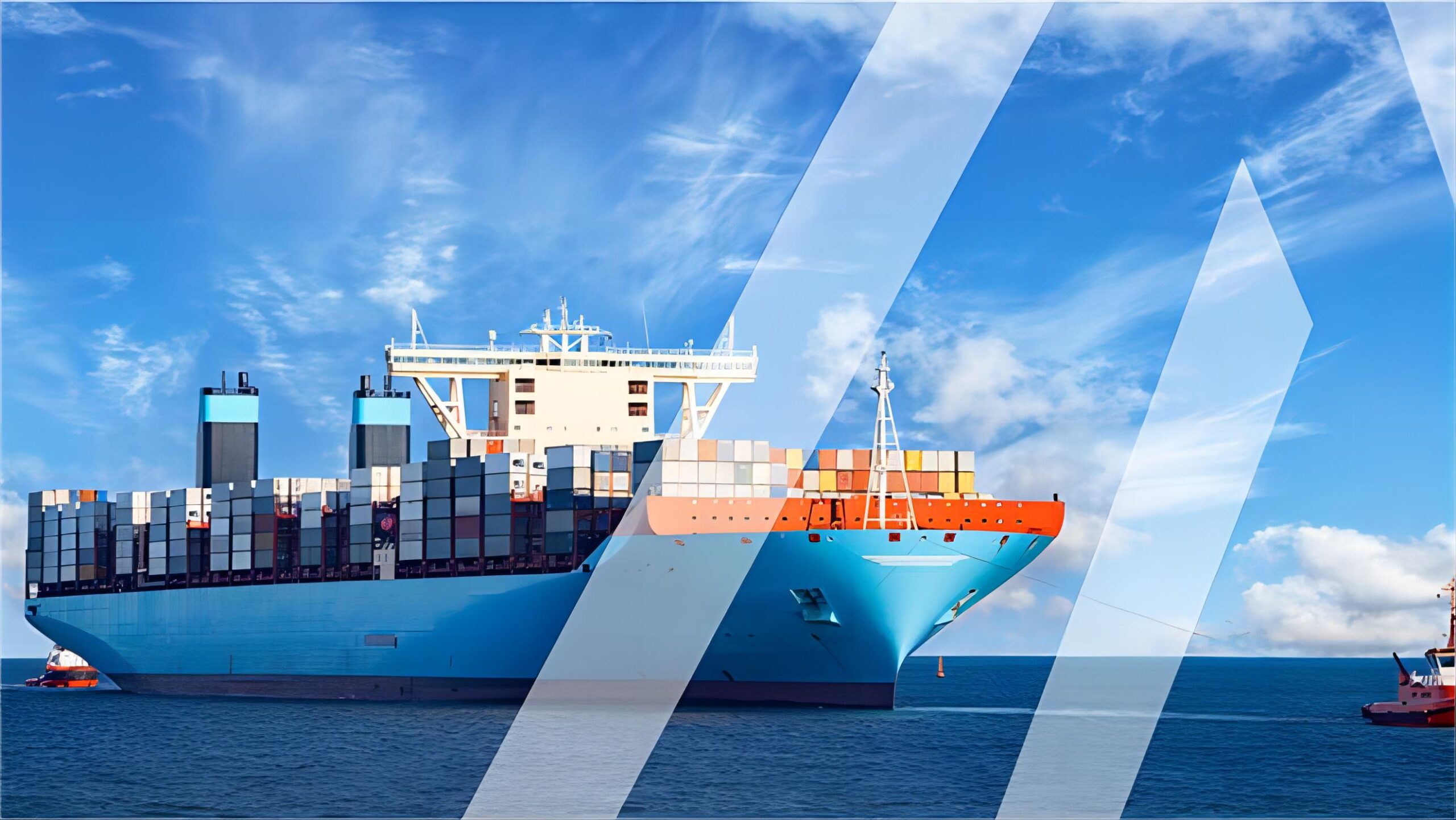
Warehouse Fulfillment China to Canada: 2026 Shipping Guide
“Navigating the complexities of warehouse fulfillment china to Canada requires a strategic approach to balance speed and cost-efficiency. Businesses often face challenges with fluctuating freight rates and complex customs regulations that can disrupt the supply chain. Consequently, partnering with a reliable logistics expert like Top China Freight ensures your cargo moves seamlessly across the Pacific while maintaining high delivery standards.”
What is Warehouse Fulfillment China to Canada?
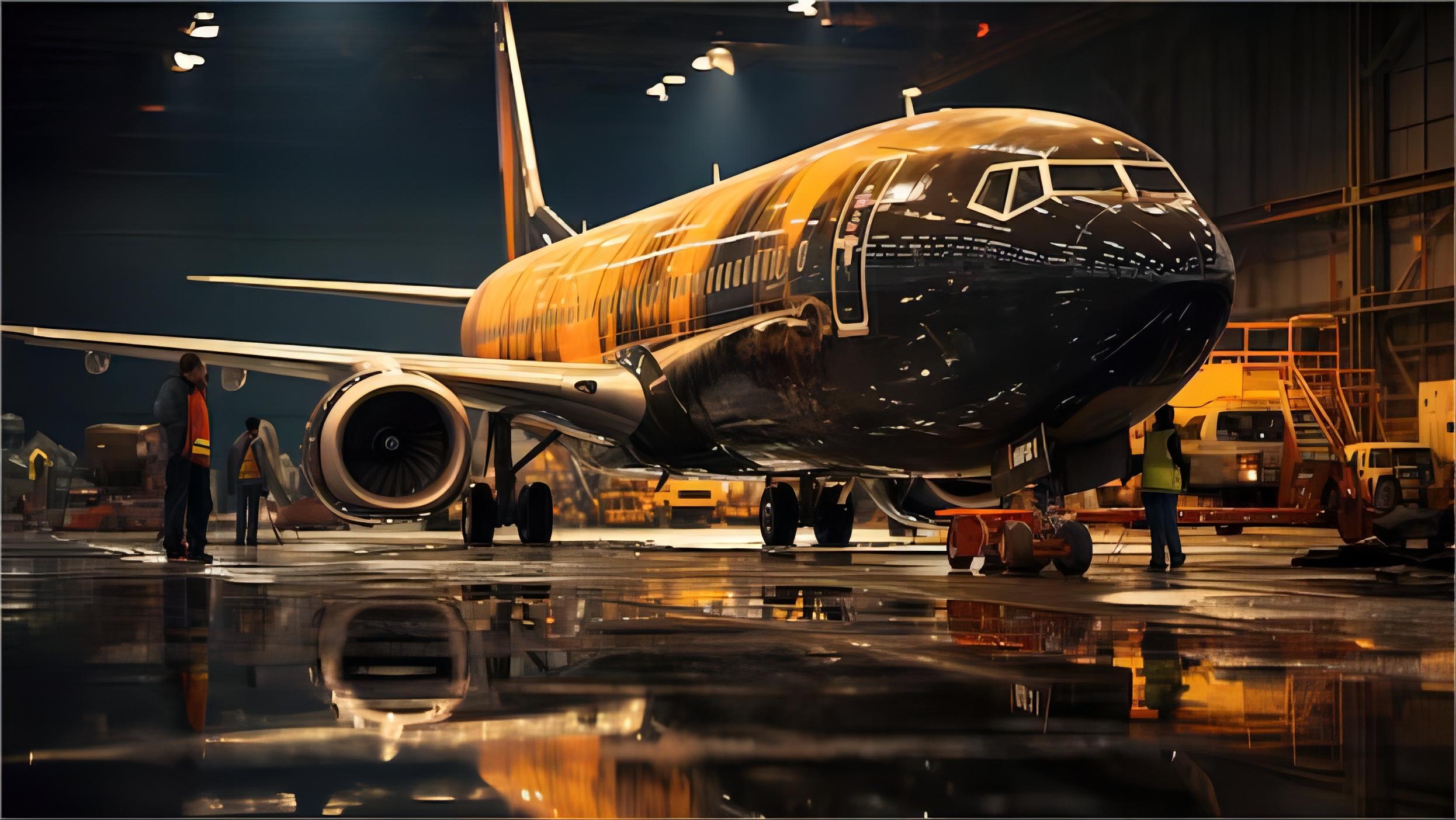
❖Warehouse fulfillment encompasses the entire process of receiving, processing, and delivering orders from manufacturing hubs in China to customers across Canada. This comprehensive system includes inventory management, pick-and-pack services, and final mile delivery to major hubs like Toronto or Vancouver. Moreover, modern fulfillment strategies utilize advanced tracking technology to provide real-time visibility into the movement of goods.
Effective fulfillment solutions allow businesses to scale their operations without investing in physical infrastructure within North America. Instead, they leverage third-party logistics providers to handle the heavy lifting of international transport and local distribution. Furthermore, this model reduces overhead costs and allows companies to focus on marketing and product development while specialists manage the supply chain.
Choosing the right fulfillment strategy depends heavily on your specific product type and target delivery window. For instance, high-value electronics might require faster transit times compared to bulk consumer goods. Indeed, the integration of technology and logistics has made warehouse fulfillment china to Canada more accessible for small and medium enterprises in 2026.
How Does Sea Freight Compare to Other Shipping Options?
❖When evaluating logistics strategies, sea freight remains the most popular choice for high-volume shipments due to its cost-effectiveness. Although it offers the lowest price per cubic meter, the transit times are significantly longer than air or express alternatives. Nevertheless, for businesses planning their inventory months in advance, ocean transport provides unmatched stability and capacity.
Air freight serves as the primary alternative for time-sensitive cargo or high-value items that require maximum security. While the cost is substantially higher, the reduction in transit time from weeks to days can be a game-changer for product launches. Additionally, air transport reduces the risk of damage or theft during the long voyage across the ocean.
Hybrid solutions like sea-air combinations have gained traction in early 2026 as a middle-ground strategy. These services involve shipping goods by sea to a hub like Dubai or Singapore before flying them to Canada. Consequently, shippers can save up to 40 percent on costs compared to pure air freight while still beating traditional ocean transit times.
| Shipping Method | Cost Range (USD) | Transit Time | Best For | Limitations |
|---|---|---|---|---|
| Sea Freight (FCL) | $2,500 – $4,500 | 18-35 Days | Bulk Inventory | Slow Speed |
| Sea Freight (LCL) | $80 – $150/CBM | 25-40 Days | Small Batches | Consolidation Delay |
| Air Freight | $5.50 – $9.00/kg | 3-7 Days | High-Value Goods | High Expense |
| Express Service | $9.00 – $15.00/kg | 2-5 Days | Samples/Urgent | Weight Limits |

Why Choose Professional Logistics for Canadian Markets?
❖Canadian markets have unique geographic and regulatory challenges that require specialized knowledge to navigate successfully. For example, the vast distance between eastern and western provinces means that your choice of entry port significantly impacts final delivery costs. Professional logistics providers understand how to optimize these routes to minimize inland haulage fees.
Moreover, the Canadian border services agency maintains strict standards for product safety and labeling. Failure to comply with these regulations can lead to costly delays or even the seizure of your inventory at the port. Therefore, working with experts who stay updated on the latest trade agreements and tariff changes is essential for maintaining a smooth supply chain.
Reliability in delivery schedules is another critical factor for maintaining customer satisfaction in the competitive Canadian e-commerce landscape. Indeed, professional fulfillment services offer guaranteed service levels that protect your brand reputation. They also provide local return management, which is a vital component of a successful international sales strategy.
Can Amazon FBA Integration Improve Your Canadian Sales?
❖Utilizing Amazon FBA services allows sellers to tap into the massive Prime customer base across all Canadian provinces. By shipping goods directly from China to Amazon fulfillment centers, you benefit from their world-class distribution network and customer service. Furthermore, this integration simplifies the logistics process by consolidating storage and shipping into one platform.
However, Amazon has strict requirements regarding how products must be labeled, palletized, and documented before arrival. Many sellers choose to use a prep warehouse in China or near the Canadian port to ensure 100 percent compliance. Consequently, this prevents expensive rejection fees or inventory being stranded at the fulfillment center.
Strategic inventory placement within Canada can also reduce the time it takes for your products to reach customers in remote areas. For instance, splitting inventory between warehouses in Ontario and British Columbia can significantly lower shipping zones and transit times. Meanwhile, professional freight forwarders can manage this multi-point distribution seamlessly.
What are the Key Customs Brokerage Requirements in 2026?
❖Navigating customs brokerage is often the most daunting part of warehouse fulfillment china to Canada for new importers. Every shipment must be accompanied by accurate documentation, including commercial invoices, packing lists, and certificates of origin. Additionally, specific products like electronics or textiles may require additional permits or safety certifications.
The implementation of the CARM (CBSA Assessment and Revenue Management) system has changed how duties and taxes are collected in 2026. Importers must now be registered and bonded correctly to avoid shipment holds at the border. Accordingly, having a licensed broker manage these digital filings ensures that your goods clear customs without unnecessary administrative hurdles.
Incorrect classification of goods under the Harmonized System (HS) codes can result in significant financial penalties or overpayment of duties. For example, a minor error in describing a product’s material can change the duty rate by 10 percent or more. Without a doubt, professional oversight during the documentation phase is the best way to protect your profit margins.
| Document Name | Purpose | Required By | Criticality |
|---|---|---|---|
| Commercial Invoice | Valuation of Goods | CBSA Customs | Mandatory |
| Packing List | Inventory Verification | Carrier/Customs | Mandatory |
| Bill of Lading | Title of Goods | Shipping Line | Mandatory |
| Certificate of Origin | Duty Rate Determination | Customs | High |
How to Calculate Total Landed Cost for Canadian Imports?
❖Calculating the total landed cost is vital for determining the actual profitability of your products in the Canadian market. This calculation must include the manufacturing cost, ocean or air freight charges, and all applicable duties and taxes. Furthermore, do not forget to account for local trucking, warehouse storage fees, and insurance premiums.
Market data suggests that many businesses overlook hidden costs such as port congestion surcharges or fuel adjustment factors. These small fees can accumulate quickly and erode your margins if they are not factored into your initial pricing strategy. Consequently, obtaining a comprehensive quote that covers all door-to-door expenses is the safest approach for financial planning.
Typical rates as of early 2026 indicate that duty rates for most consumer goods from China range between 0 and 18 percent. Additionally, the Goods and Services Tax (GST) of 5 percent is usually applied to the landed value of the shipment. Therefore, a thorough financial analysis before shipping can prevent unpleasant surprises when the final invoice arrives.
Which Option Should You Choose?
❖Selecting the ideal shipping method depends on your budget, cargo volume, and the urgency of your delivery schedule. If you are shipping large volumes of heavy goods and have a flexible timeline, sea freight is the clear winner for cost savings. On the other hand, if you are launching a new product and need to respond quickly to market demand, air freight is worth the investment.
Volume thresholds often dictate when you should switch from LCL to FCL shipping for better efficiency. For shipments exceeding 15 cubic meters, booking a full 20-foot container usually becomes more economical than paying for individual space. Similarly, if your shipment is under 100 kilograms, using an express courier might be cheaper than traditional air freight due to lower handling fees.
Consider the nature of your cargo as well, as some items are better suited for specific transport modes. Fragile or perishable items benefit from the shorter transit times and smoother handling associated with air transport. Meanwhile, durable goods like furniture or machinery are perfectly suited for the long-haul journey of a container ship.
Case Studies: Successful Canadian Fulfillment in 2026
❖Case Study 1: Electronics from Shenzhen to Toronto. A consumer electronics brand needed to restock their GTA warehouse during the Q3 peak season. They utilized a 40HQ container via a direct route to Vancouver followed by rail transport to Toronto. Total landed cost was approximately 4,200 USD for freight, with a door-to-door transit time of 24 days.
Case Study 2: Textiles from Ningbo to Vancouver. A boutique fashion retailer used LCL shipping for a 5 CBM shipment of seasonal apparel. By choosing a door to door service, they avoided the complexity of managing local trucking in Canada. The total cost was 850 USD, and the goods arrived in 21 days, allowing them to hit their launch date perfectly.
Case Study 3: Urgent Spare Parts via air freight. A manufacturing plant in Alberta required critical machinery parts from Shanghai to prevent a production shutdown. The 150kg shipment was sent via premium air freight, clearing customs in just 6 hours upon arrival. Although the cost was 1,300 USD, it saved the company thousands in potential downtime losses.
Sustainable Logistics Trends for 2026
❖Sustainability has become a core focus for warehouse fulfillment china to Canada as businesses strive to reduce their carbon footprint. Many shipping lines are now offering green freight options that utilize biofuels or carbon offset programs for trans-Pacific routes. Furthermore, Canadian consumers are increasingly favoring brands that demonstrate environmental responsibility in their logistics.
Technological advancements in warehouse automation are also contributing to more sustainable fulfillment practices. Automated sorting systems reduce energy consumption and minimize packaging waste by selecting the optimal box size for every order. Consequently, these efficiencies lower operational costs while supporting corporate social responsibility goals.
Indeed, the transition to electric delivery vehicles for the final mile in major Canadian cities is accelerating in 2026. This shift not only reduces emissions but also helps logistics providers avoid noise restrictions in urban residential areas. As a result, the entire supply chain is becoming cleaner and more integrated with modern city infrastructure.
Mastering Your Canadian Supply Chain
Successfully managing warehouse fulfillment china to Canada requires a deep understanding of both international shipping and local Canadian distribution. By carefully choosing between sea, air, and express options, you can optimize your costs while meeting customer expectations for speed. Moreover, staying compliant with the latest customs regulations is essential for avoiding delays and protecting your business reputation.
As we move through 2026, the integration of sustainable practices and advanced technology will continue to reshape the logistics landscape. Businesses that adapt to these trends and partner with reliable freight forwarders will be best positioned for growth in the Canadian market. Ultimately, a well-executed fulfillment strategy is the backbone of any successful import-export operation.
Ready to streamline your logistics?
Streamline your supply chain today by partnering with experts in warehouse fulfillment china to Canada. Contact Top China Freight for a customized quote and expert guidance on your 2026 shipping needs. Visit our website to learn more about our comprehensive logistics solutions.
Request Quote