
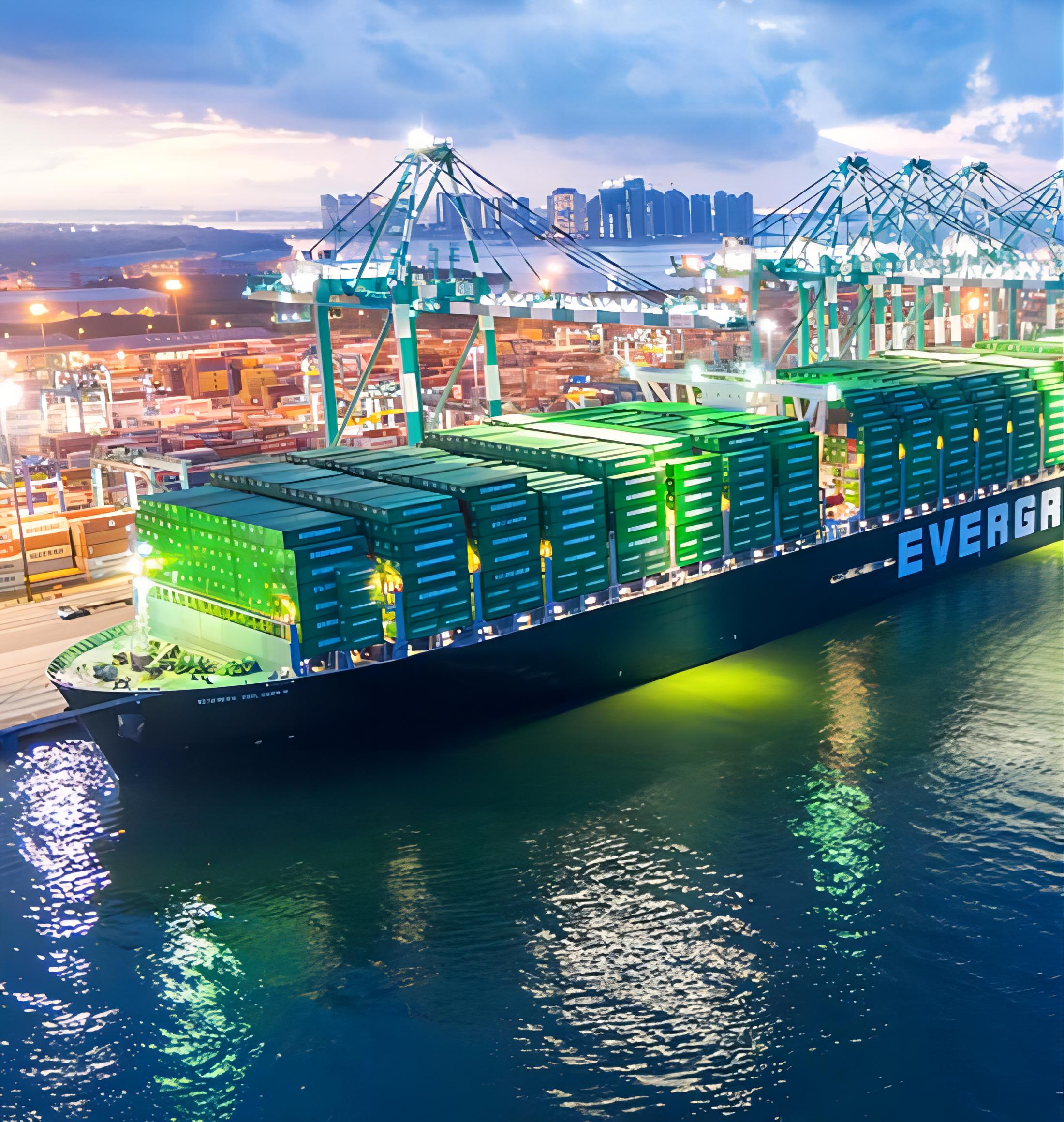
FCL Shipping China to Canada Price: 2026 Freight Cost Guide
Navigating the complexities of international trade requires a clear understanding of current market dynamics provided by Top China Freight. Specifically, calculating the FCL shipping china to Canada price involves analyzing port fees, fuel surcharges, and container availability. This guide provides a comprehensive breakdown of costs for 2026 to help you optimize your supply chain and reduce overhead. Consequently, businesses can make informed decisions when importing goods from major Chinese manufacturing hubs to Canadian ports.
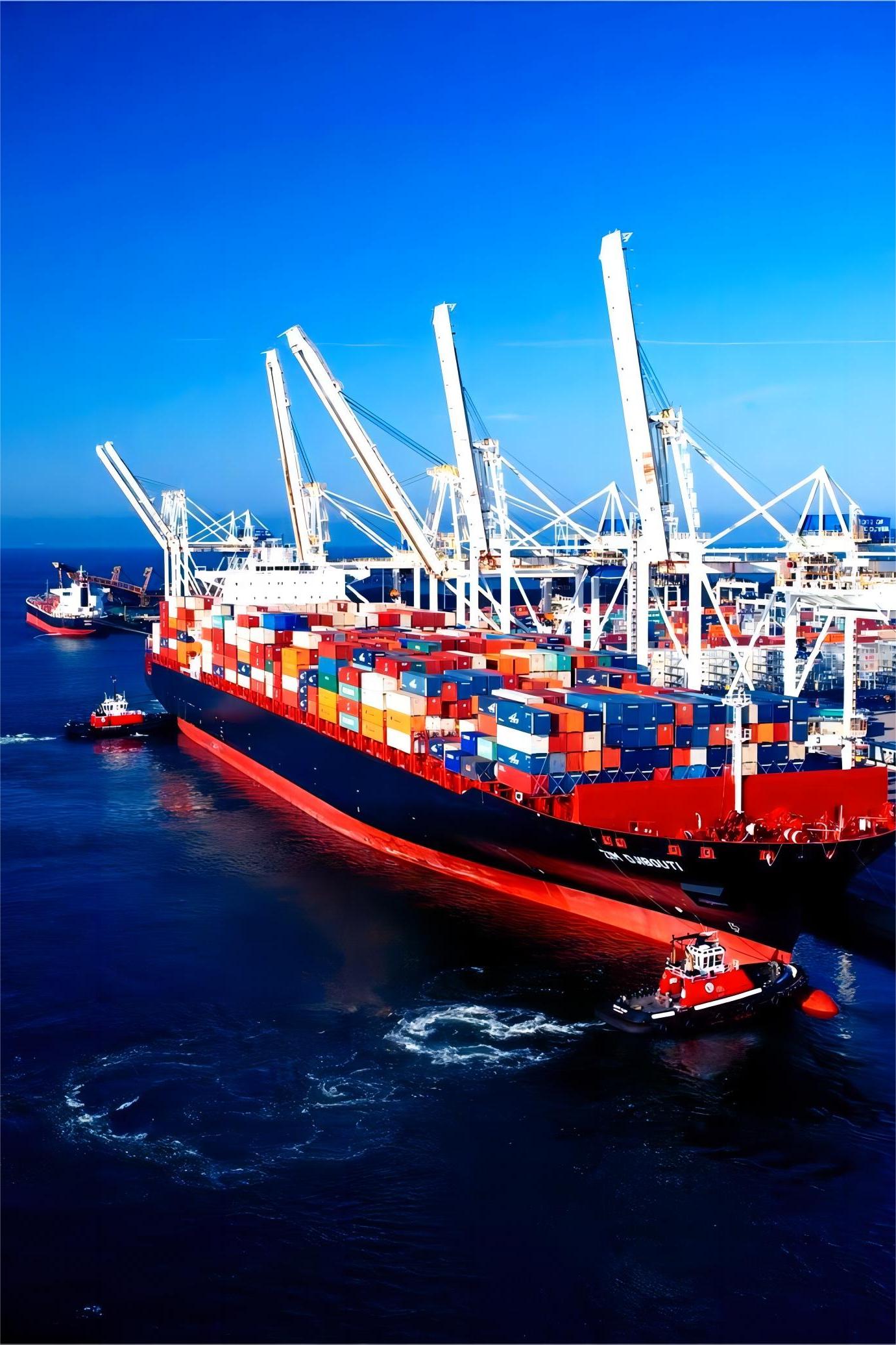
What Factors Determine FCL Shipping China to Canada Price in 2026?
Several variables influence the final cost of transporting a full container across the Pacific Ocean. Fuel prices, often referred to as the Bunker Adjustment Factor, remain one of the most volatile components in 2026. Additionally, seasonal demand during the peak months of August through October typically drives prices higher due to increased retail activity. Port congestion in Vancouver or Prince Rupert can also lead to surcharges that shippers must anticipate.
Market capacity plays a significant role in determining the weekly fluctuations of freight rates. When carrier space is limited, the FCL shipping china to Canada price tends to rise sharply. Moreover, the specific type of equipment you require, such as refrigerated containers or open tops, will carry a premium over standard dry vans. Understanding these factors allows importers to time their bookings more effectively and avoid unnecessary expenses.

Current 2026 Market Rates for 20ft and 40ft Containers
Standard container sizes include the 20GP, 40GP, and the 40HQ, each serving different cargo needs. For 2026, we observe a stabilization in rates compared to the disruptions seen in previous years. Utilizing sea freight services remains the most cost-effective solution for high-volume shipments. Below is a breakdown of the typical price ranges observed in the first half of 2026.
Note: Freight rates are subject to change based on fuel costs, carrier capacity, and seasonal demand. Contact us for a current quote tailored to your specific shipment.
| China to Vancouver | $1,600 – $2,300 | $2,600 – $3,600 | $2,900 – $3,900 |
| China to Toronto | $2,700 – $3,800 | $4,200 – $5,700 | $4,700 – $6,200 |
| China to Montreal | $2,900 – $4,100 | $4,500 – $6,000 | $5,000 – $6,500 |

How FCL Shipping Compares to Other Shipping Options
Choosing between Full Container Load and other methods depends largely on your total volume and urgency. While FCL provides a dedicated space for your goods, Less than Container Load (LCL) might be cheaper for smaller batches. However, FCL often results in faster transit times because the container does not need to be deconsolidated at the port. In contrast, air freight offers unmatched speed but at a significantly higher price point.
Hybrid solutions like sea-air combinations have gained popularity in 2026 for urgent mid-sized shipments. These options balance cost and speed by using vessels for the trans-Pacific leg and trucks or planes for inland delivery. Consequently, businesses must evaluate their priorities between budget and delivery schedule before committing to a specific mode.
| FCL (Full Container) | $1,600 – $6,500 | 15 – 35 Days | Bulk goods / Large volume |
| LCL (Shared) | $60 – $120 / CBM | 20 – 45 Days | Shipments under 15 CBM |
| Air Freight | $4.50 – $9.00 / kg | 3 – 7 Days | High value / Urgent |
| Sea-Air Hybrid | Medium | 10 – 15 Days | Time-sensitive retail |
Major Shipping Routes and Transit Times to Canada
Geographic distance dictates a large portion of the FCL shipping china to Canada price and the total duration of the journey. Direct routes from Shenzhen or Shanghai to Vancouver are the fastest, often taking as little as 14 to 18 days. Meanwhile, shipments bound for Eastern Canada, such as Toronto or Halifax, usually require rail transport from the West Coast. This intermodal process adds both cost and time to the overall logistics chain.
Transshipment via major hubs like Busan or Kaohsiung can sometimes offer lower freight rates but will extend the timeline. Indeed, many shippers prefer direct calls to minimize the risk of cargo handling damage during transfers. For those shipping to the interior, Prince Rupert has become a vital gateway due to its efficient rail connections to the Canadian prairies and US Midwest.
| Shenzhen | Vancouver | 14 – 16 Days | N/A |
| Shanghai | Prince Rupert | 13 – 15 Days | N/A |
| Ningbo | Toronto | 18 Days (Sea) | 25 – 32 Days Total |
| Qingdao | Montreal | 22 Days (Sea) | 30 – 38 Days Total |
Case Study 1: Electronics from Shenzhen to Vancouver
Box: Case Study 1: High-Tech Components Export Route: Shenzhen, China to Vancouver, Canada Cargo: Consumer electronics, 65 CBM, 12,000 kg Container: 40HQ (High Cube) Shipping Details: – Carrier: Major Pacific Carrier – Port of Loading: Yantian (Shenzhen) – Port of Discharge: Vancouver – Route Type: Direct Cost Breakdown: – Ocean Freight: $3,250 – Origin Charges: $450 – Destination Charges: $600 – Customs and Duties: $1,200 – Total Landed Cost: $5,500 Timeline: – Booking to Loading: 4 days – Sea Transit: 15 days – Customs Clearance: 2 days – Total Door-to-Door: 21 days Key Insight: Using a 40HQ allowed the shipper to maximize volume, reducing the cost per unit significantly compared to two 20GP containers.
Case Study 2: Industrial Machinery from Shanghai to Toronto
Box: Case Study 2: Heavy Equipment Logistics Route: Shanghai, China to Toronto, Canada Cargo: CNC machinery parts, 28 CBM, 18,000 kg Container: 20GP (General Purpose) Shipping Details: – Carrier: COSCO Shipping – Port of Loading: Shanghai – Port of Discharge: Prince Rupert (then Rail to Toronto) – Route Type: Intermodal Cost Breakdown: – Ocean Freight: $2,100 – Rail Drayage: $1,400 – Origin/Dest Charges: $850 – Customs and Duties: $2,500 – Total Landed Cost: $6,850 Timeline: – Booking to Loading: 6 days – Sea Transit: 14 days – Rail Transit: 8 days – Customs Clearance: 3 days – Total Door-to-Door: 31 days Key Insight: Routing through Prince Rupert saved 4 days of transit time compared to the traditional Vancouver gateway during peak congestion.
Customs and Documentation Checklist for Canadian Imports
Navigating the Canadian Border Services Agency requires precise paperwork to avoid costly delays and penalties. Engaging a professional customs brokerage ensures that your HTS codes are classified correctly for duty assessment. Furthermore, you must provide a Commercial Invoice, a Packing List, and a Bill of Lading for every FCL shipment. Without these documents, your cargo may be held at the terminal, incurring daily storage fees known as demurrage.
Canada has specific regulations regarding wood packaging materials, which must be heat-treated and stamped according to ISPM 15 standards. Additionally, certain products may require permits from agencies like Health Canada or the Canadian Food Inspection Agency. Consequently, preparing these documents well in advance of the vessel’s arrival is essential for a smooth clearance process. Proper documentation remains a key factor in maintaining a stable FCL shipping china to Canada price by avoiding unexpected fines.
Cost-Saving Strategies for FCL Shipments in 2026
Effective planning can lead to substantial savings on your annual logistics budget. For instance, booking your container at least 3-4 weeks in advance often secures better rates than last-minute arrangements. Additionally, consider using door to door services to consolidate your billing and reduce the number of intermediaries involved. This streamlined approach minimizes the risk of communication errors and hidden service fees.
Negotiating long-term contracts with freight forwarders can also provide price stability during market volatility. Moreover, optimizing your packaging to fit more units into a single container will lower your per-item shipping cost. If your schedule allows, choosing a slower transit route or a less popular port of entry can result in a lower FCL shipping china to Canada price. Finally, always monitor the General Rate Increase announcements from carriers to avoid shipping during sudden price spikes.
Decision Framework: Which Option Should You Choose?
Selecting the right shipping strategy depends on your specific business requirements and cargo characteristics. If your primary goal is budget priority, we recommend FCL for any volume exceeding 15 CBM, as the cost per cubic meter drops significantly. For speed priority, air freight remains the only viable choice for delivery within a week. However, most commercial importers find that FCL offers the best balance for recurring inventory replenishment from North America trade routes.
Consider the nature of your cargo when deciding on container types. Fragile or high-value items benefit from the security of a sealed FCL container, which reduces handling throughout the journey. In contrast, if you are testing a new product line with low volume, LCL might be the more prudent financial choice. Use the following criteria to guide your 2026 logistics planning: Volume thresholds, urgency of stock, and total landed cost targets.
The Impact of Logistics Trends on 2026 Pricing
Technological advancements in tracking and port automation are beginning to influence the FCL shipping china to Canada price structure. Digital freight platforms now allow for real-time price comparisons, forcing carriers to remain competitive with their quotes. Furthermore, environmental regulations concerning carbon emissions are introducing new surcharges for traditional fuel vessels. Shippers who adopt green logistics practices may find long-term benefits as the industry shifts toward sustainability.
Global trade relations also continue to shape the cost landscape between China and Canada. Any changes in tariffs or trade agreements can immediately impact the total landed cost of your goods. Therefore, staying informed about geopolitical developments is just as important as monitoring freight indices. By remaining adaptable, your business can navigate these changes while maintaining a competitive edge in the Canadian market.
Summary of FCL Shipping from China to Canada
Successfully managing your imports requires a deep understanding of the FCL shipping china to Canada price and the various factors that influence it. Throughout 2026, we have seen that while rates have stabilized, strategic planning remains vital for cost control. By choosing the right container size, optimizing your documentation, and selecting the most efficient routes, you can significantly reduce your logistics expenses.
Whether you are a seasoned importer or new to the Canadian market, leveraging professional freight forwarding services provides the expertise needed to navigate international waters. Remember to account for all landed costs, including duties and inland drayage, to ensure your business remains profitable. With the right approach, FCL shipping remains the backbone of a successful China-to-Canada trade operation.

Need a tailored shipping solution?
Ready to optimize your supply chain and secure the best FCL shipping china to Canada price for your next shipment? Contact our expert logistics team today for a personalized quote and professional guidance on your 2026 shipping strategy. Visit our website to get started: Send Inquiry