Shipping Rates China to Netherlands: 2026 Freight Cost Guide
Navigating the complexities of international logistics requires a clear understanding of current market dynamics. Finding the most competitive shipping rates China to Netherlands is essential for maintaining healthy profit margins in 2026. Consequently, businesses must evaluate various transport modes, seasonal fluctuations, and port charges to optimize their supply chain. This guide provides a comprehensive breakdown of costs, transit times, and strategic alternatives to help you make informed shipping decisions.
✦
What Are the Current Shipping Rates China to Netherlands in 2026?
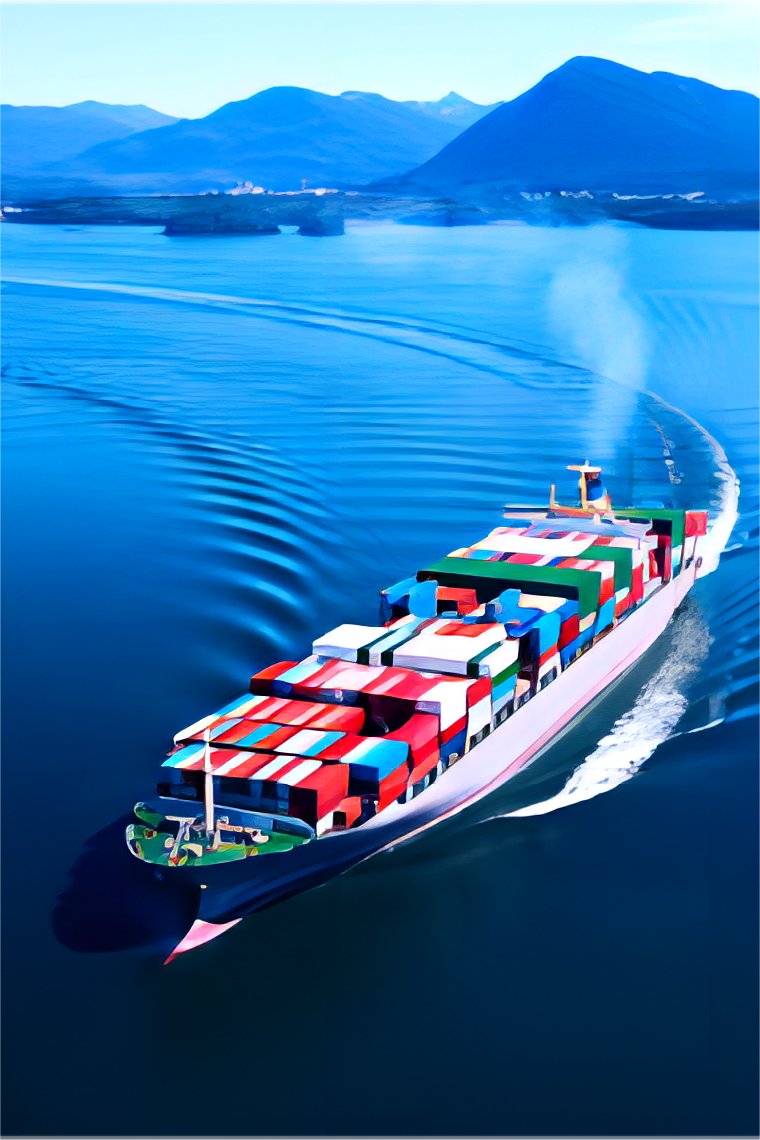
Determining the exact cost of transport involves analyzing several variables including fuel prices and carrier capacity. Currently, market data suggests that sea freight remains the most economical choice for high-volume shipments. However, air freight prices have stabilized after the fluctuations seen in previous years.
Furthermore, the global economic environment continues to influence the base freight rates across all major trade lanes. For instance, peak season surcharges typically apply from August through October as retailers prepare for the holiday rush. Consequently, booking your shipments early can lead to significant cost savings.
Additionally, businesses should account for local charges at both origin and destination ports. These include terminal handling charges, documentation fees, and customs clearance costs. Understanding these components is vital for calculating the total landed cost of your goods.
Comparing Sea Freight Costs for FCL and LCL Shipments
Selecting the right container type is a critical decision that directly impacts your sea freight budget. Full Container Load (FCL) is generally more cost-effective if you have enough cargo to fill a 20ft or 40ft unit. On the other hand, Less than Container Load (LCL) allows you to pay only for the space you use.
Moreover, FCL shipping offers better security and faster handling since the container remains sealed until it reaches the destination. In contrast, LCL shipments require consolidation and deconsolidation, which can add a few days to the overall transit time. Nevertheless, LCL remains the best option for smaller businesses with lower inventory requirements.
Typical rates as of early 2026 show that a 40HQ container from Shanghai to Rotterdam costs between 3,200 USD and 4,500 USD. For smaller shipments, LCL rates usually range from 50 USD to 90 USD per cubic meter, depending on the specific port of loading.
| Container Type | Capacity | Average Rate (USD) | Best For |
|---|---|---|---|
| 20GP Container | 33 CBM | 1,900 – 2,600 | Heavy compact goods |
| 40GP Container | 67 CBM | 2,900 – 3,900 | Bulky general cargo |
| 40HQ Container | 76 CBM | 3,100 – 4,600 | Large volume goods |
| LCL (per CBM) | Variable | 55 – 95 | Small shipments |
Is Air Freight the Right Choice for Your Business?
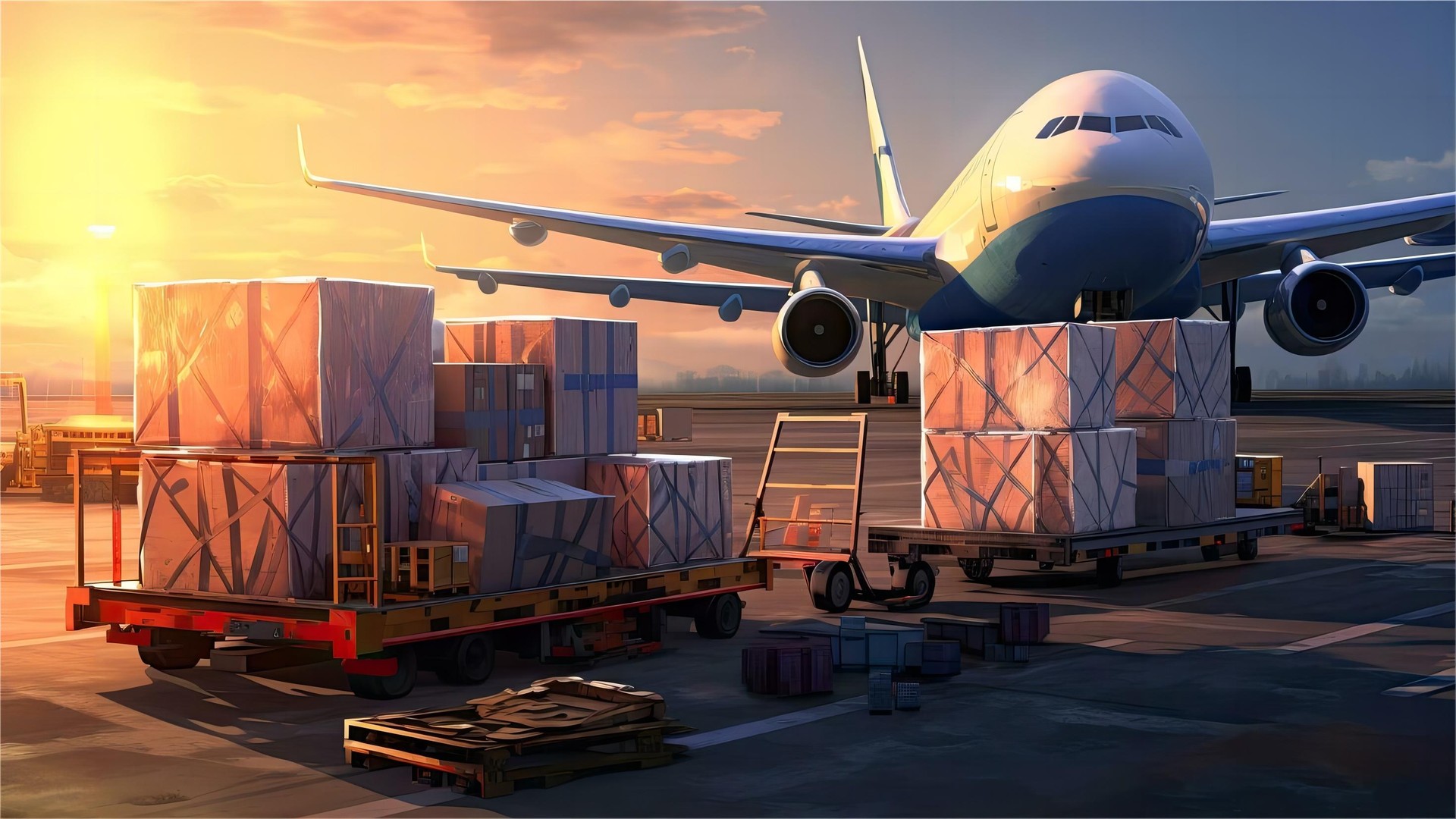
When speed is the primary concern, air freight provides the fastest connection between Chinese manufacturing hubs and Dutch markets. This method is particularly suitable for high-value electronics, fashion items, or perishable goods. Although the cost per kilogram is higher than other modes, the reduced transit time can improve cash flow.
Additionally, air transport offers superior reliability regarding delivery schedules and flight frequencies. Most shipments arrive within 3 to 7 days, including customs processing at Schiphol Airport. Consequently, companies with tight deadlines often prioritize air cargo despite the premium pricing.
According to industry benchmarks, air freight rates from China to the Netherlands currently range from 4.50 USD to 7.50 USD per kilogram. These rates fluctuate based on the weight-to-volume ratio and the specific airline chosen for the route.
How Does Rail Freight Compare to Other Shipping Options?
The New Silk Road has made rail freight an increasingly popular middle-ground solution for Eurasian trade. It offers a faster transit time than sea freight while being significantly cheaper than air transport. As a result, many manufacturers of automotive parts and industrial machinery now prefer this mode.
Furthermore, rail transport is considered more environmentally friendly than air freight, appealing to companies with sustainability goals. The route typically connects major Chinese hubs like Chengdu or Xi’an directly to European rail terminals. Consequently, the door-to-door timeline is often very predictable.
Industry average for this route suggests that rail transit takes approximately 15 to 22 days. In terms of cost, a full container on the rail network generally costs between 2,300 USD and 3,300 USD in 2026.
| Shipping Method | Cost Range (USD) | Transit Time | Best For | Limitations |
|---|---|---|---|---|
| Sea Freight | 2,000 – 4,500 | 30 – 40 Days | Large Volume | Slow Speed |
| Air Freight | 4.50 – 7.50/kg | 3 – 7 Days | Urgent Goods | High Expense |
| Rail Freight | 2,300 – 3,500 | 15 – 22 Days | Balanced Needs | Limited Hubs |
| Express | 8.00 – 12.00/kg | 2 – 4 Days | Samples/Docs | Weight Limits |
Factors Influencing Your Shipping Rates China to Netherlands
Several external factors can cause sudden shifts in the pricing landscape for international cargo. For example, fluctuations in crude oil prices lead to changes in the Bunker Adjustment Factor (BAF) applied by ocean carriers. Similarly, currency exchange rate volatility between the CNY, USD, and EUR affects final invoices.
Moreover, port congestion at major gateways like Ningbo or Rotterdam can lead to surcharges and equipment imbalances. During times of high demand, carriers may implement General Rate Increases (GRI) to manage their capacity effectively. Therefore, maintaining a flexible shipping schedule can help you avoid these temporary price spikes.
Another significant factor is the type of commodity being shipped. Hazardous materials or goods requiring temperature control will naturally incur higher handling fees. Consequently, providing accurate cargo descriptions is essential for obtaining precise quotes.
Transit Times for Major China to Netherlands Routes
Understanding the expected timeline for your shipment is crucial for effective inventory management and customer satisfaction. While sea freight is the slowest option, it provides the most stability for large-scale supply chains. In contrast, air and express services are designed for rapid replenishment.
Notably, the choice of departure port in China can influence the total transit time by several days. Ports in Southern China like Shenzhen often have faster connections to European routes than inland or Northern ports. Additionally, the choice between direct service and transshipment will impact the arrival date.
Based on current market rates and schedules, here is a breakdown of typical transit times for the most common routes to the Netherlands.
| Origin City | Destination | Sea Transit | Air Transit |
|---|---|---|---|
| Shanghai | Rotterdam | 32 Days | 4 Days |
| Shenzhen | Rotterdam | 28 Days | 3 Days |
| Ningbo | Amsterdam | 34 Days | 5 Days |
| Qingdao | Rotterdam | 38 Days | 6 Days |
Which Option Should You Choose? A Decision Framework
Deciding on the best shipping method requires a careful balance of budget, speed, and cargo characteristics. If your primary goal is cost reduction and you have a lead time of over six weeks, sea freight is the clear winner. However, for shipments that must arrive within a week, air freight is the only viable solution.
For businesses seeking a compromise, rail freight offers a strategic alternative that balances cost and speed effectively. Additionally, door to door services can simplify the process by handling all logistics from the factory to your warehouse. This approach often reduces the administrative burden on your team.
Consider the following criteria when making your choice: Budget priority suggests sea freight; Speed priority suggests air freight; and Volume thresholds often determine whether LCL or FCL is more appropriate. For shipments under 100kg, express courier services are usually the most efficient.
Real Case Studies of China to Netherlands Shipments
Case Study 1: High-Volume Textile Shipment. Route: Ningbo, China to Rotterdam, Netherlands. Cargo: Finished garments, 65 CBM, 12,000 kg. Container: 40GP. Shipping Details: Major carrier, Direct route. Ocean Freight: 3,100 USD. Origin Charges: 450 USD. Destination Charges: 600 USD. Customs and Duties: 1,200 USD. Total Landed Cost: 5,350 USD. Timeline: 35 days door-to-door. Key Insight: Booking 4 weeks in advance secured a lower GRI rate.
Case Study 2: Urgent Electronic Components. Route: Shenzhen, China to Amsterdam, Netherlands. Cargo: Circuit boards, 1.5 CBM, 450 kg. Method: Air Freight. Shipping Details: Standard air service via Hong Kong. Air Freight Cost: 2,475 USD (5.50/kg). Origin Charges: 150 USD. Destination Charges: 250 USD. Customs Clearance: 100 USD. Total Landed Cost: 2,975 USD. Timeline: 6 days door-to-door. Key Insight: Air freight prevented a production line shutdown in Eindhoven.
Case Study 3: Furniture Distribution. Route: Chengdu, China to Tilburg, Netherlands. Cargo: Home furniture, 28 CBM, 8,000 kg. Method: Rail Freight. Shipping Details: FCL Rail service. Rail Freight Cost: 2,700 USD. Origin Charges: 300 USD. Destination Charges: 400 USD. Customs and Duties: 900 USD. Total Landed Cost: 4,300 USD. Timeline: 20 days door-to-door. Key Insight: Rail provided a 15-day saving over sea at a fraction of the air cost.
Customs and Documentation Checklist for Dutch Imports
Navigating European Union customs regulations is a vital step in ensuring your goods reach their destination without delay. Engaging a professional customs brokerage can help you classify goods correctly and apply for the correct duty rates. Furthermore, having an EORI number is mandatory for any business importing into the Netherlands.
Essential documents include the Commercial Invoice, Packing List, and Bill of Lading or Air Waybill. Additionally, a Certificate of Origin may be required to benefit from specific trade agreements or to comply with regulations. Consequently, ensuring all paperwork is accurate and complete will prevent costly storage fees at the port.
Market data suggests that documentation errors are the leading cause of delivery delays in 2026. Therefore, double-checking every entry against the physical cargo is a best practice for all importers. Most professional forwarders include a document review as part of their standard service package.
Summary of Shipping Rates China to Netherlands
To summarize, finding the best shipping rates China to Netherlands involves a strategic evaluation of sea, air, and rail options. While sea freight offers the lowest cost for bulk goods, air freight remains essential for urgent and high-value shipments. Meanwhile, rail freight provides a reliable middle ground for businesses seeking faster transit than the ocean without the high expense of air cargo.
As of 2026, the logistics landscape continues to evolve, making it more important than ever to partner with an experienced freight forwarder. By understanding the factors that influence pricing and transit times, you can build a more resilient and cost-effective supply chain. Always remember to request current quotes to account for the latest market fluctuations and seasonal surcharges.