
Container Shipping China to Netherlands FCL LCL: 2026 Guide
Navigating the complexities of container shipping china to Netherlands FCL LCL requires a strategic approach to balance speed and cost. Businesses frequently face challenges with fluctuating freight rates and port congestion, but finding a reliable partner like Top China Freight ensures your supply chain remains resilient. This comprehensive guide provides the latest market intelligence for 2026 to help you optimize your international logistics strategy.
✦What is Container Shipping China to Netherlands FCL LCL?
Shipping goods across the globe involves choosing between two primary ocean freight methods based on volume and urgency. Full Container Load (FCL) refers to a shipment where one importer occupies an entire container, typically 20 or 40 feet in length. Consequently, this method offers better security and faster handling since the container remains sealed from the origin to the destination.
Less than Container Load (LCL) involves multiple shippers sharing space within a single container to reduce costs. Small and medium-sized enterprises often prefer LCL because it allows them to move smaller inventories without paying for an entire unit. However, LCL shipments usually require more time for consolidation at the port of loading and deconsolidation at the port of discharge.
Selecting the right method depends heavily on your specific cargo volume and budget constraints. Meanwhile, the logistics landscape in 2026 shows that sea freight remains the backbone of trade between Asia and Europe due to its cost-effectiveness. Understanding these nuances helps businesses plan their inventory cycles more accurately.

Choosing Between FCL and LCL for Your Logistics
Determining whether to use FCL or LCL is a pivotal decision for your bottom line. If your shipment exceeds 15 cubic meters, FCL typically becomes more economical than paying for individual space in a shared container. Additionally, FCL provides a faster transit time because the carrier delivers the container directly to your warehouse after customs clearance.
LCL remains the superior choice for shipments under 10 cubic meters despite the slightly longer handling times. You only pay for the volume you occupy, which significantly lowers the barrier to entry for new importers. Furthermore, utilizing sea freight for LCL allows for frequent, smaller shipments rather than waiting to fill a whole container.
Moreover, the risk of damage is slightly higher in LCL due to the increased handling of individual pallets. Therefore, professional packing and labeling are essential to ensure your goods arrive in Rotterdam or Amsterdam in perfect condition. Always consider the total landed cost when comparing these two primary ocean shipping modes.
| Feature | FCL (Full Container) | LCL (Shared Container) | Best For |
|---|---|---|---|
| Cost Structure | Flat rate per container | Price per cubic meter | FCL for bulk |
| Transit Time | Faster (Direct) | Slower (Consolidation) | FCL for speed |
| Security | High (Sealed) | Moderate (Handled) | FCL for fragile |
| Volume | Over 15 CBM | Under 15 CBM | LCL for samples |
How Does Sea Freight Compare to Other Shipping Options?
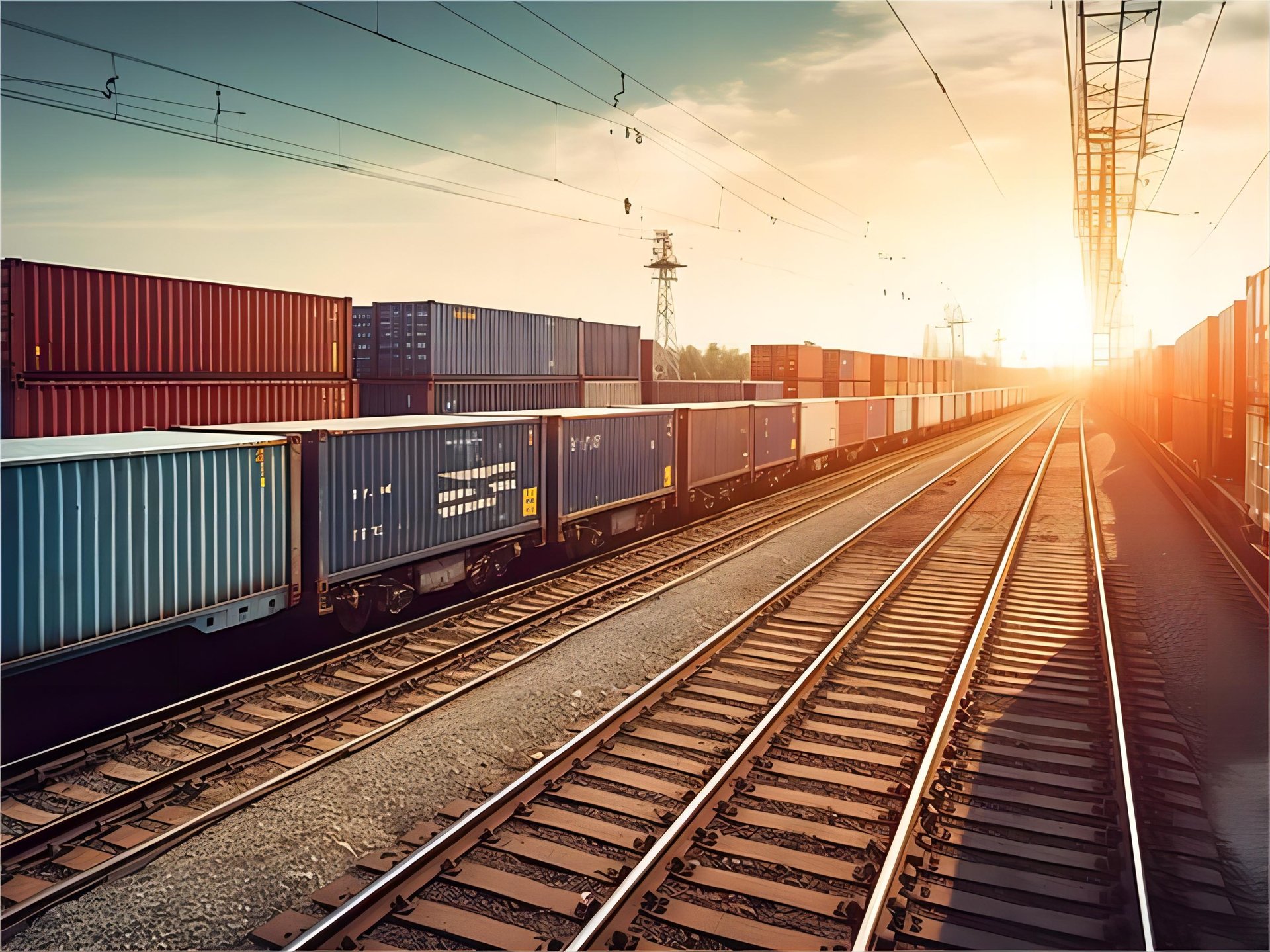
While sea freight is the most common method for container shipping china to Netherlands FCL LCL, alternatives exist for different needs. For instance, rail freight has emerged as a popular middle ground, offering faster transit than sea and lower costs than air. Indeed, the Iron Silk Road connects major Chinese hubs like Xi’an directly to European terminals.
Air freight remains the fastest option for urgent or high-value electronics, though it comes at a significant premium. Consequently, most businesses only use air transport for emergency restocks or product launches. On the other hand, sea freight provides the capacity needed for heavy machinery and bulk consumer goods that rail or air cannot handle efficiently.
Hybrid solutions such as sea-air or rail-sea combinations are also gaining traction in 2026. These strategies allow logistics managers to bypass port congestion while maintaining a reasonable budget. Nevertheless, the traditional sea route via the Suez Canal remains the primary artery for Dutch imports.
| Method | Cost Range (USD) | Transit Time | Best For |
|---|---|---|---|
| Sea Freight | $2,000 – $4,200 | 30 – 40 Days | Bulk Cargo |
| Rail Freight | $4,500 – $7,000 | 18 – 22 Days | Mid-value goods |
| Air Freight | $15,000 – $25,000 | 5 – 8 Days | Urgent samples |
Estimated Shipping Costs and Freight Rates for 2026
Freight rates in 2026 have stabilized following the volatility of previous years, yet seasonal fluctuations still occur. According to industry benchmarks, a 40HQ container from Shanghai to Rotterdam currently ranges between $3,000 and $4,200 depending on the carrier. Meanwhile, LCL rates typically hover around $50 to $90 per cubic meter, inclusive of basic handling fees.
Market data suggests that rates typically increase by 15-25% during the peak season from August to October. Therefore, booking your shipments at least 4-6 weeks in advance is a critical cost-saving strategy. Additionally, fuel surcharges and currency adjustment factors can impact the final invoice, so always request an all-in quote.
Note: Freight rates are subject to change based on fuel costs, carrier capacity, and seasonal demand. Visit customs brokerage experts to understand how duties and taxes will further affect your total landed cost. Proper planning prevents unexpected financial strain on your international trade operations.
Transit Times from Major Chinese Ports to Rotterdam
The journey from China to the Netherlands is one of the longest maritime trade routes in the world. Typically, a direct vessel from Ningbo or Shanghai takes approximately 30 to 35 days to reach the Port of Rotterdam. However, shipments originating from southern ports like Shenzhen or Guangzhou may take slightly longer if they involve transshipment in Singapore.
Weather conditions and port productivity also play a significant role in the final delivery schedule. For example, winter storms or labor strikes can add 5 to 7 days to the estimated time of arrival. Consequently, maintaining a buffer in your inventory planning is highly recommended to avoid stockouts during peak demand periods.
Strategic use of door to door services can streamline the final leg of the journey. Once the ship docks, efficient trucking and inland barge services ensure the cargo reaches its final destination in the Netherlands within 48 hours. This integrated approach reduces the administrative burden on the importer.
Necessary Customs Documentation for Netherlands Imports
Importing goods into the European Union through the Netherlands requires meticulous attention to documentation. The most critical documents include the Bill of Lading, Commercial Invoice, and Packing List. Moreover, a Certificate of Origin may be required to qualify for specific trade agreements or to verify the source of the goods.
Customs authorities in Rotterdam are known for their efficiency but also for their strict adherence to safety standards. Therefore, ensuring that your HS codes are accurate is vital to avoid fines or lengthy inspections. Without a doubt, working with an experienced freight forwarder simplifies the complex process of VAT deferment and import duty calculations.
Businesses targeting the Europe market must also comply with CE marking and REACH regulations for specific product categories. Failure to provide the necessary compliance certificates can result in the seizure of goods at the border. Always verify the latest EU import requirements before the vessel departs from China.
Case Studies: Real-World Shipping Scenarios
Case Study 1: Electronics Distribution to Rotterdam. Route: Shanghai, China to Rotterdam, Netherlands. Cargo: Consumer Electronics, 65 CBM, 12,000 kg. Container: 1 x 40HQ. Shipping Details: Major carrier, direct route. Ocean Freight: $3,200. Origin Charges: $350. Destination Charges: $450. Customs and Duties: $1,200. Total Landed Cost: $5,200. Timeline: 32 days total. Key Insight: Booking 4 weeks early saved the client $400 in peak season surcharges.
Case Study 2: Boutique Furniture LCL Consolidation. Route: Shenzhen, China to Amsterdam, Netherlands. Cargo: Designer Chairs, 6 CBM, 800 kg. Container: LCL. Shipping Details: Transshipment via Singapore. Ocean Freight: $480. Origin Charges: $150. Destination Charges: $200. Customs and Duties: $300. Total Landed Cost: $1,130. Timeline: 40 days total. Key Insight: LCL was 60% cheaper than FCL for this specific volume, despite the longer transit time.
These scenarios reflect typical rates as of early 2026 and highlight the importance of choosing the right container shipping china to Netherlands FCL LCL method. Each shipment presents unique challenges that require tailored logistics solutions. Consequently, analyzing past performance helps in optimizing future supply chain movements.
Which Option Should You Choose? Decision Framework
Choosing the ideal shipping strategy requires an objective analysis of your business priorities. If your primary goal is budget optimization and you have a volume of 12 CBM or less, LCL is the logical choice. However, if you prioritize speed and cargo security for a large inventory, FCL is the superior investment.
Cargo type also dictates the method, as fragile or high-value items benefit from the reduced handling of FCL. Furthermore, businesses with tight deadlines should consider rail freight as a viable alternative to sea transport. In contrast, heavy industrial equipment is almost exclusively moved via FCL sea freight due to size and weight restrictions.
To summarize, you should choose FCL for volumes over 15 CBM, speed, and maximum security. Choose LCL for small volumes, cost-saving on low-priority stock, and testing new product lines. Always consult with your logistics provider to get a current quote tailored to the 2026 market conditions.
Conclusion
Mastering container shipping china to Netherlands FCL LCL is essential for any business looking to thrive in the international trade arena. By understanding the differences between FCL and LCL, monitoring 2026 freight rates, and preparing accurate documentation, you can significantly reduce risks. Moreover, choosing the right logistics partner ensures that your goods move efficiently from Chinese factories to Dutch warehouses. Whether you prioritize cost or speed, the strategies outlined in this guide provide a solid foundation for your success.