
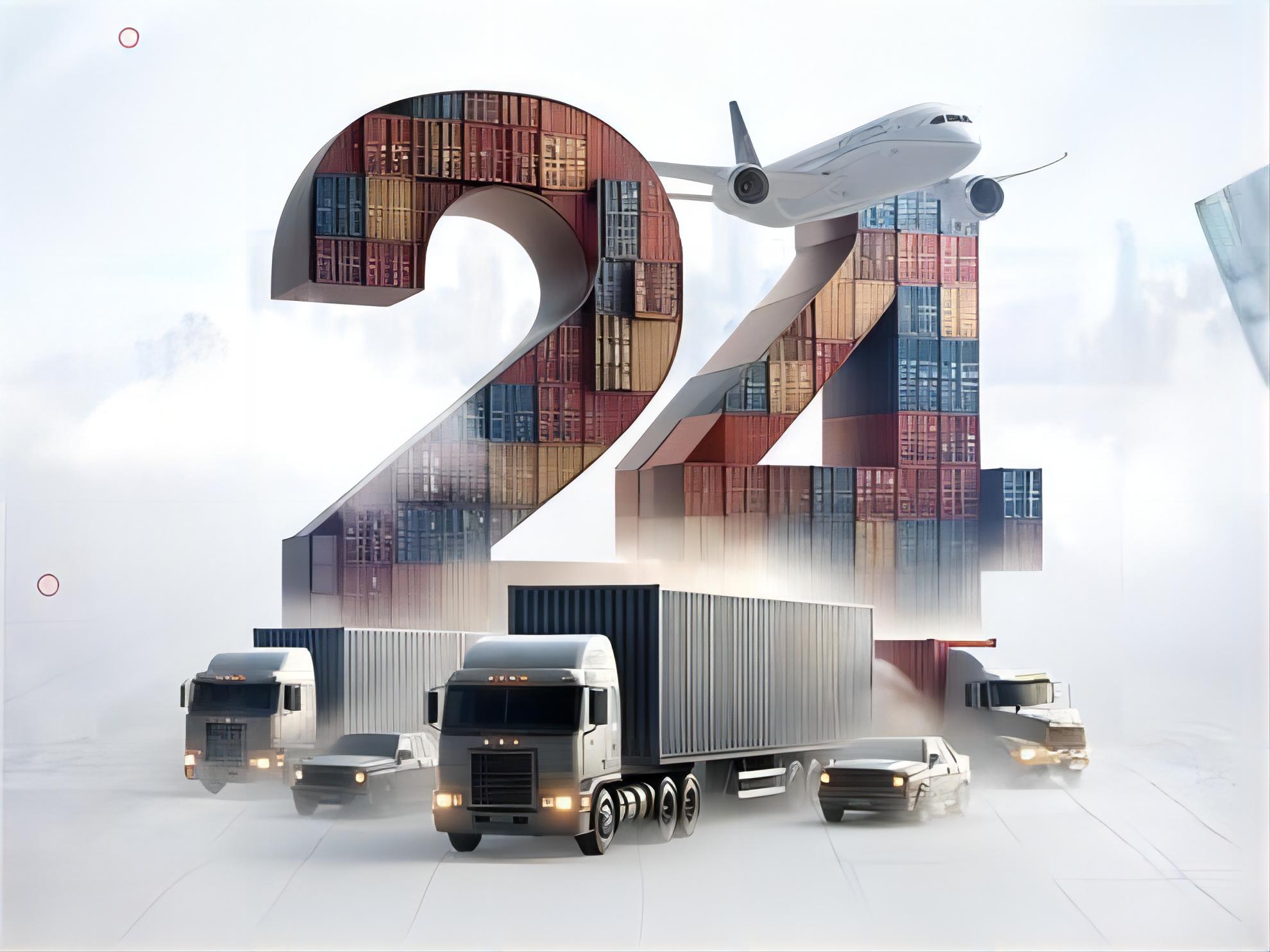
Shipping from China to Germany Freight Forwarder: 2026 Logistics Guide
Navigating the complexities of international trade requires a reliable partner to ensure your goods arrive safely and efficiently. Selecting a professional shipping from China to Germany freight forwarder is the most critical decision for businesses looking to optimize their supply chain in 2026. Top China Freight provides comprehensive logistics solutions that bridge the gap between Chinese manufacturing hubs and the German market. Consequently, importers can focus on growth while experts handle the intricate details of global transportation.
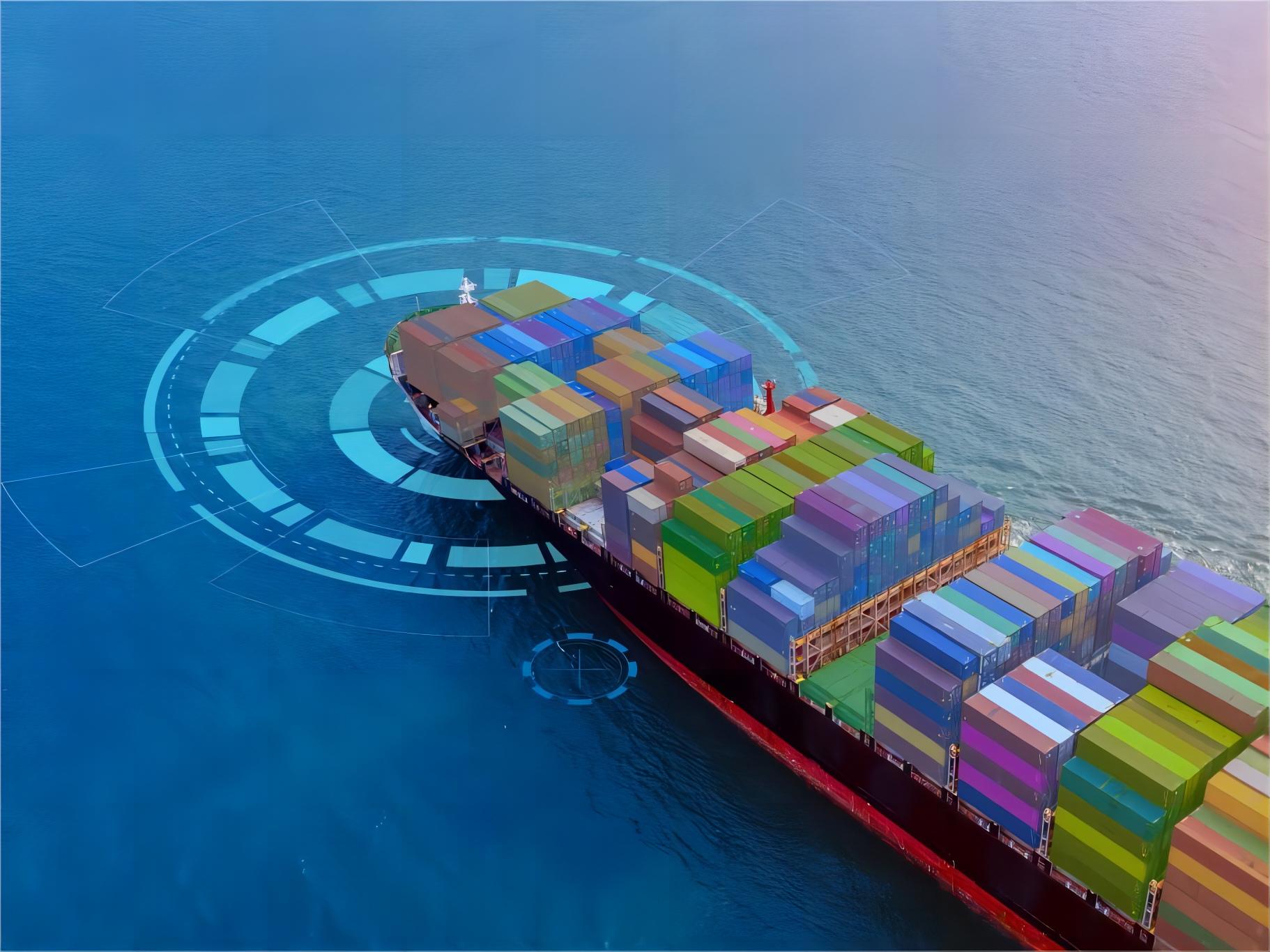
Why You Need a Specialized Shipping from China to Germany Freight Forwarder
Managing international logistics involves more than just moving boxes from one point to another. Professional forwarders understand the specific regulatory environment of the European Union and Germany’s strict customs requirements. Moreover, they maintain strong relationships with major carriers to secure competitive rates during peak seasons.

Reliable partners offer end-to-end visibility through advanced tracking systems and local expertise. Furthermore, they mitigate risks associated with port congestion or documentation errors that often lead to costly delays. Indeed, a specialized agent acts as your local representative in China to ensure quality control and proper loading.
What are the Primary Shipping Methods to Germany in 2026?
Choosing the right transportation mode depends on your budget, cargo volume, and required delivery speed. Currently, sea freight remains the most economical choice for large volumes, while air freight serves urgent high-value shipments. Additionally, rail freight continues to grow as a popular middle-ground solution for transcontinental trade.
Each method offers distinct advantages and trade-offs regarding cost and transit time. For instance, sea freight is ideal for bulk commodities but requires longer lead times. On the other hand, express services provide the fastest door-to-door delivery for small parcels and samples.
| Shipping Method | Average Transit Time | Cost Level | Best For |
|---|---|---|---|
| Sea Freight (FCL) | 30-40 Days | Low | Large inventory, bulk goods |
| Air Freight | 5-8 Days | High | Urgent, high-value electronics |
| Rail Freight | 18-24 Days | Medium | Medium-sized shipments |
| Express Shipping | 3-5 Days | Very High | Small parcels, documents |
How to Maximize Efficiency with Sea Freight Solutions
Sea freight accounts for the majority of trade between China and Germany due to its massive capacity and low carbon footprint. Importers can choose between Full Container Load (FCL) and Less than Container Load (LCL) based on their specific needs. Consequently, even small businesses can access affordable ocean transport by sharing container space with other shippers.
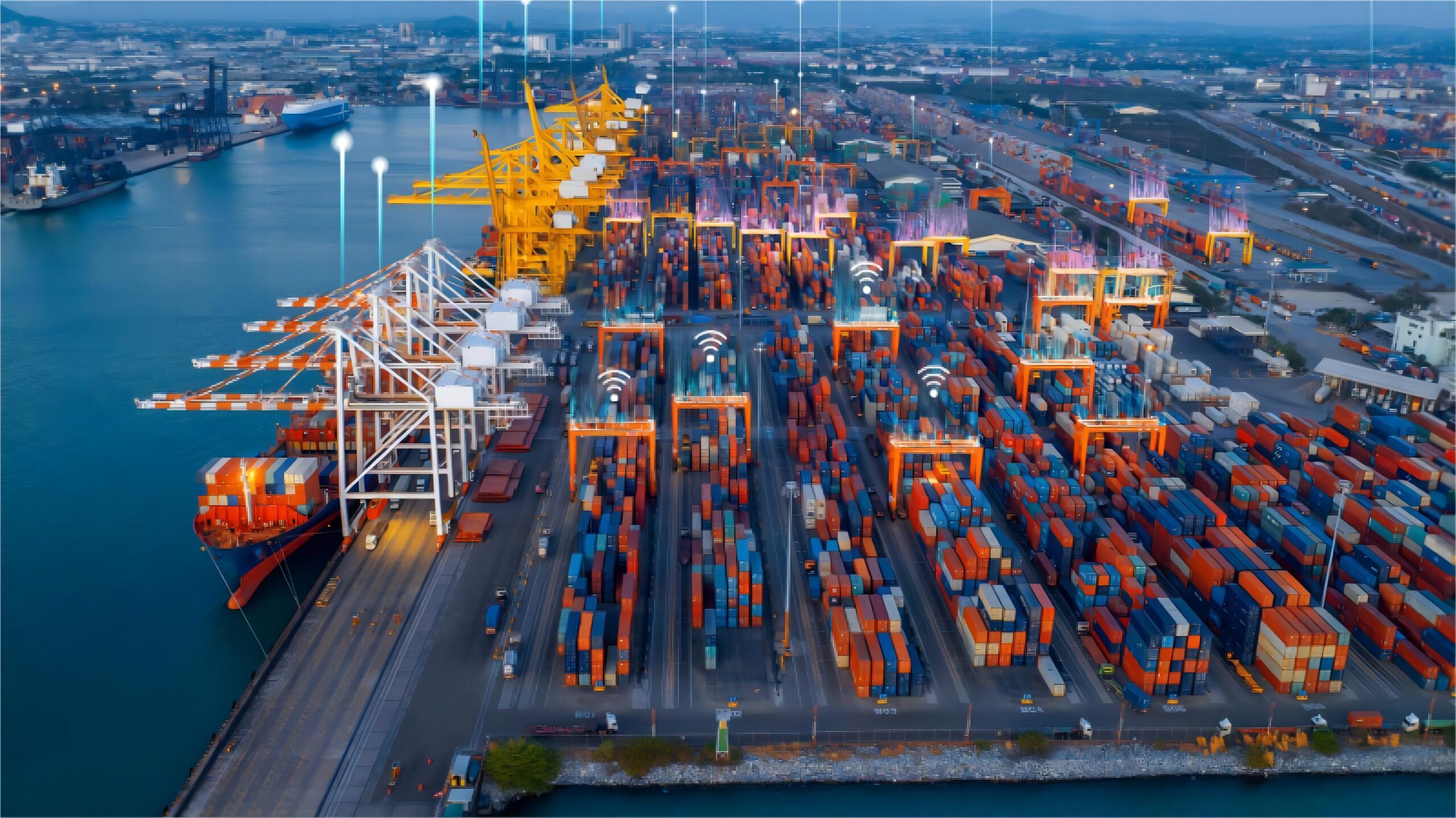
Major German ports like Hamburg, Bremerhaven, and Wilhelmshaven serve as the primary gateways for these shipments. Meanwhile, Chinese ports such as Shanghai, Ningbo, and Shenzhen offer daily departures to ensure consistent schedules. Therefore, proper planning and early booking are essential to secure space during the Q3 and Q4 peak seasons of 2026.
Is Air Freight the Right Choice for Your Cargo?
When speed is the absolute priority, air freight stands as the most effective solution for reaching German markets. This method is particularly suitable for seasonal fashion, high-tech components, and perishable items that cannot withstand long ocean voyages. However, the higher cost per kilogram requires a careful analysis of profit margins before commitment.
Frankfurt Airport serves as Europe’s busiest cargo hub, providing excellent connectivity to the rest of Germany. Additionally, airports in Munich and Leipzig offer specialized handling for various types of industrial equipment. As a result, air cargo remains a vital component for supply chains requiring just-in-time inventory management.
The Rise of Rail Freight: The Silk Road Connection
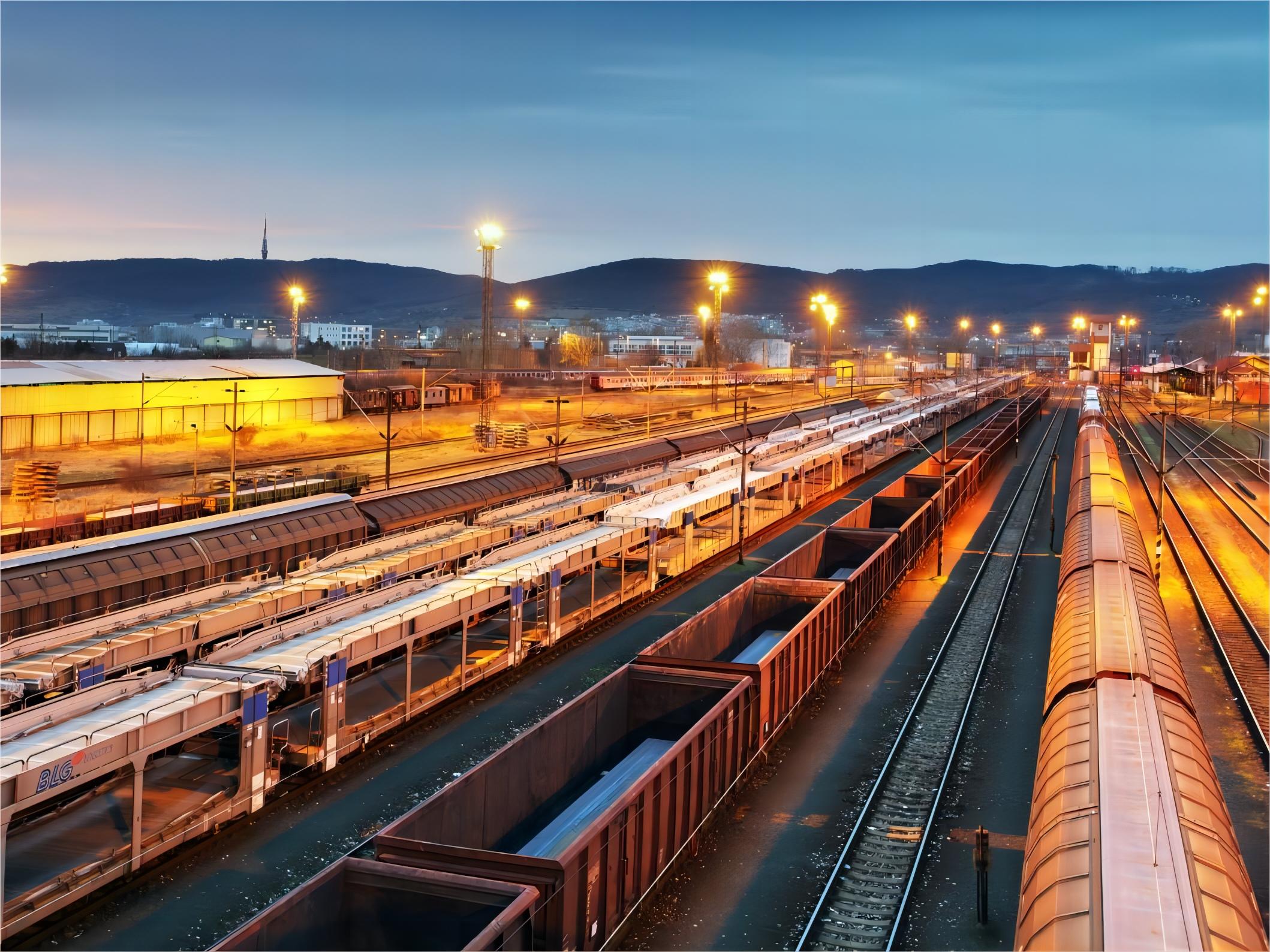
Rail freight has revolutionized the logistics landscape by offering a faster alternative to sea freight at a fraction of the cost of air. The China-Europe Railway Express connects major Chinese manufacturing hubs directly to German cities like Duisburg and Hamburg. For this reason, many electronics and automotive parts manufacturers have shifted to rail freight for their 2026 logistics strategy.
Transit times typically range from 18 to 22 days, making it highly competitive for time-sensitive mid-range goods. Moreover, rail transport is less affected by weather conditions compared to sea or air options. Nevertheless, shippers must ensure their cargo is properly packed to withstand the vibrations and temperature fluctuations of the long overland journey.
How Does Sea Freight Compare to Other Shipping Options?
Understanding the comparative advantages of each mode is essential for making an informed logistics decision. While sea freight offers the lowest cost per unit, the long transit times can tie up significant capital in transit inventory. In contrast, rail and air options allow for faster capital turnover and quicker response to market demand shifts in Germany.
Hybrid solutions such as Sea-Air transshipment via Dubai or Singapore are also gaining traction in 2026. These strategies aim to balance cost and speed by utilizing ocean transport for the first leg and air for the final delivery. Accordingly, businesses should evaluate their specific constraints to determine the most profitable shipping route.
| Shipping Method | Cost Range (2026) | Transit Time | Best For | Limitations |
|---|---|---|---|---|
| Sea (40HQ) | $3,500 – $4,800 | 32-42 Days | Mass production | Slowest transit |
| Rail (Per CBM) | $140 – $190 | 20-25 Days | Industrial parts | Limited destinations |
| Air (Per KG) | $4.50 – $7.50 | 5-9 Days | Luxury goods | Very high cost |
| Sea-Air | $2,200 – $2,800 | 18-22 Days | Urgent retail | Complex handling |
Understanding German Customs and Import Regulations
Germany maintains rigorous standards for imported goods, particularly regarding safety, environmental impact, and tax compliance. Navigating these requirements requires a professional customs brokerage service to avoid delays at the border. Indeed, incorrect HS code classification or missing CE certifications can lead to shipment seizures or heavy fines.
Importers must provide a commercial invoice, packing list, and a Bill of Lading or Air Waybill for every shipment. Furthermore, an EORI number is mandatory for any business importing goods into the European Union. Consequently, working with an experienced forwarder ensures that all paperwork is meticulously prepared before the cargo reaches German soil.
Managing Amazon FBA Shipments from China to Germany
E-commerce sellers frequently utilize Amazon FBA services to reach the massive German consumer base. This specialized logistics path requires strict adherence to Amazon’s labeling and packaging requirements to ensure smooth check-in at fulfillment centers. Therefore, many sellers opt for DDP (Delivered Duty Paid) terms to simplify the entire process.
A qualified freight forwarder will handle the consolidation, labeling, and final trucking to Amazon warehouses in cities like Werne or Koblenz. Additionally, they manage the VAT and duty payments on behalf of the seller to prevent delivery rejections. As a result, international sellers can maintain a competitive edge on the Amazon.de marketplace.
Real-World Case Studies for China-Germany Logistics
Case Study 1: High-Volume Electronics Import. Route: Shenzhen to Hamburg. Cargo: 1,200 units of smart home devices, 68 CBM. Container: 1x40HQ. Shipping Method: Sea Freight FCL. Ocean Freight: $4,200. Origin Charges: $450. Destination Charges: $620. Customs and Duties: $8,400. Total Landed Cost: $13,670. Sea Transit: 34 days. Total Door-to-Door: 42 days. Key Insight: Early booking during the 2026 Q2 period saved the client 15 percent on freight costs compared to spot rates.
Case Study 2: Urgent Fashion Launch. Route: Shanghai to Frankfurt. Cargo: Luxury apparel, 450 kg. Container: LCL/Air Pallet. Shipping Method: Air Freight. Air Freight Cost: $2,925. Origin Charges: $180. Destination Charges: $240. Customs and Duties: $3,100. Total Landed Cost: $6,445. Air Transit: 6 days. Total Door-to-Door: 9 days. Key Insight: Utilizing a direct flight from PVG to FRA avoided transshipment delays, ensuring the seasonal collection arrived in time for the Berlin Fashion Week.
Case Study 3: Industrial Machinery Parts. Route: Zhengzhou to Duisburg. Cargo: CNC spare parts, 12 CBM. Container: Rail LCL. Shipping Method: Rail Freight. Rail Freight Cost: $1,920. Origin Charges: $210. Destination Charges: $350. Customs and Duties: $2,400. Total Landed Cost: $4,880. Rail Transit: 21 days. Total Door-to-Door: 28 days. Key Insight: Rail freight provided the perfect balance for the client who needed the parts faster than sea freight but could not afford air freight rates. Based on Q1 2026 market rates.
Alternative Shipping Strategies and Cost-Saving Tips
Optimizing your shipping strategy often involves looking beyond the standard direct routes. For instance, shipping via the Port of Piraeus in Greece and using rail for the final leg into Southern Germany can sometimes save 4-6 days compared to the Northern Range ports. Additionally, consolidating multiple small orders into a single FCL shipment significantly reduces the per-unit shipping cost.
Another effective strategy is to utilize bonded warehousing in China to manage inventory levels before shipping. This allows for more flexible dispatch timing based on German market demand and current freight rate fluctuations. Moreover, negotiating annual volume contracts with a freight forwarder can provide price stability in the volatile 2026 shipping market.
Which Shipping Option Should You Choose?
Selecting the ideal method depends on a careful evaluation of your business priorities. If your primary goal is cost minimization for non-urgent inventory, sea freight is the clear winner. However, if you are dealing with high-value goods or tight production deadlines, air or rail freight becomes a necessary investment. Furthermore, consider the nature of your cargo, as hazardous materials or oversized equipment may have limited transport options.
Budget priority: Recommend Sea Freight FCL for shipments over 15 CBM. Speed priority: Recommend Air Freight for deliveries required in under 10 days. Balanced priority: Recommend Rail Freight for transit times of 3 weeks at moderate costs. Volume threshold: For shipments under 2 CBM, consider Express services; for 2-15 CBM, utilize Sea LCL or Rail LCL. Note: Freight rates are subject to change based on fuel costs, carrier capacity, and seasonal demand. Contact us for a current quote tailored to your specific shipment.
Final Thoughts on China-Germany Logistics
Successfully importing goods requires a strategic approach and a deep understanding of the global logistics landscape. By partnering with an experienced shipping from China to Germany freight forwarder, you can navigate the challenges of 2026 with confidence and precision. Whether you choose the cost-effectiveness of the sea, the speed of the air, or the efficiency of the rail, the right partner makes all the difference.
Remember to stay informed about changing regulations and market trends to maintain a competitive edge. Ultimately, a well-managed shipping strategy is a powerful tool for business growth in the German market. Contact Top China Freight to start optimizing your cargo movements today.
Need a tailored shipping solution?
Streamline your international supply chain with a trusted shipping from China to Germany freight forwarder today. Our team at Top China Freight offers customized logistics solutions, competitive 2026 rates, and expert customs handling to ensure your business success. Visit our website to request a free, no-obligation quote for your next shipment. Send Inquiry: https://Top China Freight.net/