

Sea Freight China to Germany Cost: 2026 Pricing and Logistics Guide
Navigating the complexities of international logistics requires a clear understanding of the sea freight china to Germany cost to maintain healthy profit margins. As global trade routes stabilize in early 2026, businesses must adapt to shifting carrier capacities and evolving port regulations. At Top China Freight, we provide transparent pricing and reliable shipping solutions to help you manage your supply chain effectively. This guide explores the various factors influencing ocean freight expenses and offers actionable insights for your next shipment.
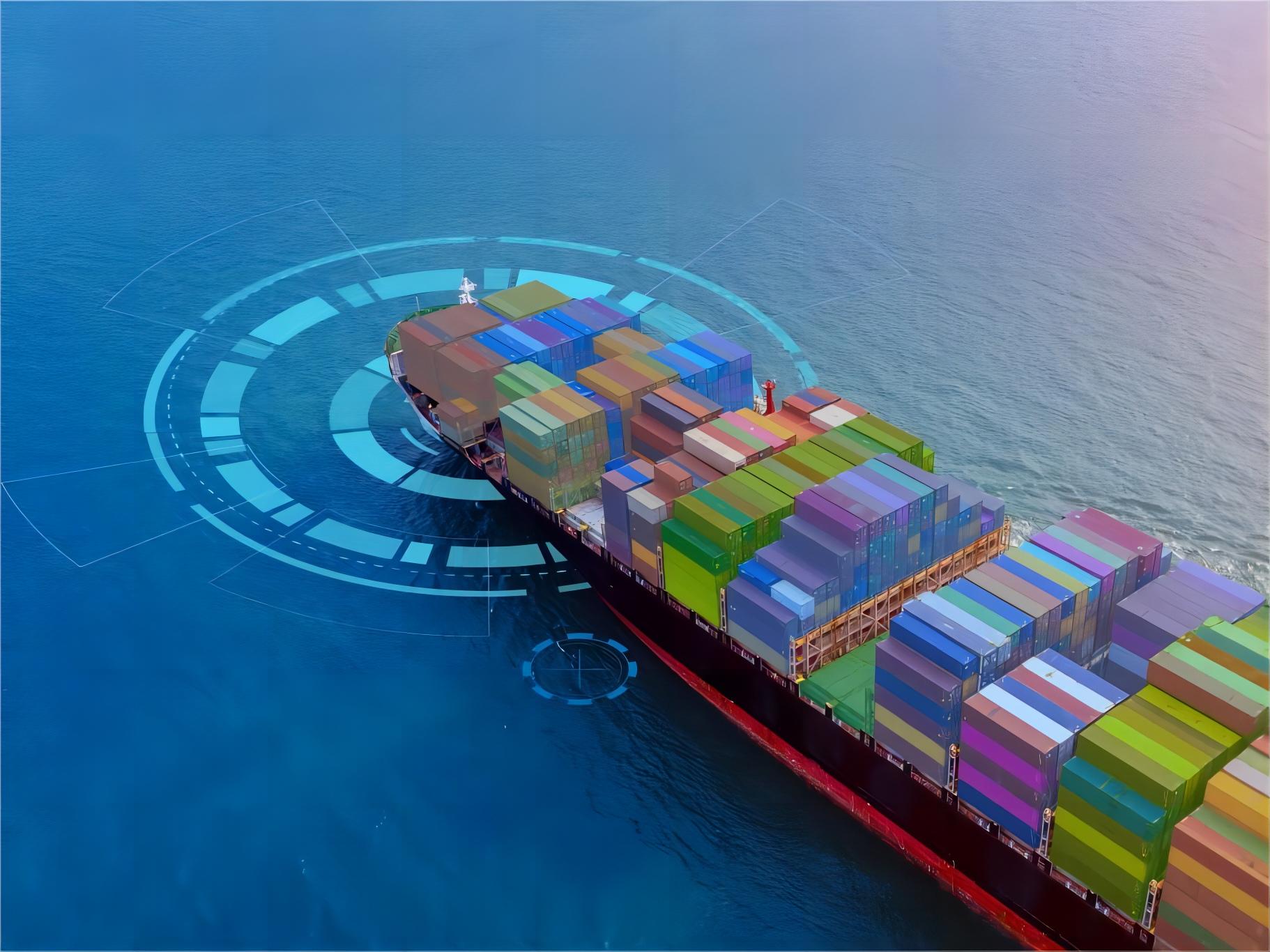
What Factors Influence the Sea Freight China to Germany Cost?
Determining the exact sea freight china to Germany cost involves analyzing several dynamic variables that fluctuate based on market demand. Fuel surcharges, often referred to as Bunker Adjustment Factors, represent a significant portion of the total ocean freight bill. Furthermore, seasonal peaks such as the pre-Lunar New Year rush or the late summer inventory build-up can cause rates to spike by 20 percent or more.
Port congestion remains a critical factor in 2026, particularly at major hubs like Shanghai and Hamburg. Consequently, carriers may apply congestion surcharges if vessel turnaround times increase beyond standard parameters. Additionally, the choice between different service levels and carrier alliances can impact the base rate you receive during the booking process.
Currency fluctuations between the US Dollar, Euro, and Chinese Yuan also play a subtle but important role in final invoicing. Moreover, the specific nature of your cargo, such as hazardous materials or oversized items, will require specialized handling fees. Choosing a professional sea freight service ensures that these variables are managed efficiently to prevent unexpected budget overruns.
FCL vs. LCL: Understanding Your Shipping Options
Full Container Load (FCL) is typically the most cost-effective method for high-volume shipments that can fill a 20-foot or 40-foot container. By utilizing the entire space, you minimize the risk of damage from other shippers’ goods and often benefit from faster transit times. In contrast, Less than Container Load (LCL) allows you to pay only for the volume you occupy, measured in cubic meters.
Smaller businesses often prefer LCL when their inventory does not justify the cost of an entire container. However, it is important to note that LCL involves additional consolidation and deconsolidation fees at the ports. Consequently, the price per unit of volume is usually higher for LCL than for FCL shipments.
Selecting the right method depends on your specific volume thresholds and delivery urgency. For instance, shipments exceeding 15 cubic meters often reach a tipping point where FCL becomes cheaper than LCL. Refer to the table below for a quick comparison of these two primary ocean freight methods.
| Feature | FCL (Full Container) | LCL (Shared Container) | Best For |
|---|---|---|---|
| Cost Structure | Flat rate per container | Rate per cubic meter | Volume dependent |
| Transit Time | Faster (Direct) | Slower (Consolidation) | Urgency dependent |
| Security | High (Sealed) | Moderate (Handled) | Fragile goods |
| Volume | Over 15 CBM | 1 to 15 CBM | Inventory size |
How Does Sea Freight Compare to Other Shipping Options?
While sea freight remains the backbone of trade between China and Germany, alternative modes offer different balances of speed and cost. For example, rail freight has become an increasingly popular middle-ground solution. It offers faster transit times than the ocean while remaining significantly cheaper than air transport.
Air freight is the premium choice for high-value or time-sensitive electronics and fashion items. Although air freight can deliver goods in under a week, the costs can be five to ten times higher than sea freight. Therefore, most importers reserve air transport for emergencies or high-margin products.
Hybrid solutions, such as sea-air or rail-sea combinations, are also available for those seeking a custom logistics strategy. These methods help bypass specific bottlenecks or optimize costs during peak shipping seasons. Understanding these trade-offs is essential for maintaining a competitive supply chain in the German market.
| Shipping Method | Cost Range (Approx) | Transit Time | Best For |
|---|---|---|---|
| Sea Freight (FCL) | $3,000 – $4,500 | 30 – 40 Days | Large Bulk |
| Rail Freight | $4,000 – $6,000 | 18 – 22 Days | Mid-size Cargo |
| Air Freight | $15,000 – $25,000 | 5 – 8 Days | Urgent Items |
| Sea Freight (LCL) | $80 – $150 per CBM | 35 – 45 Days | Small Batches |
Real Case Studies: Sea Freight China to Germany Cost in 2026
Case Study 1: Sustainable Energy Components. Route: Shenzhen, China to Hamburg, Germany. Cargo: Solar Panels, 68 CBM. Container: 40HQ. Shipping Details: Major carrier, Direct route. Cost Breakdown: Ocean Freight: $3,850. Origin Charges: $450. Destination Charges: $600. Customs and Duties: $1,200. Total Landed Cost: $6,100. Timeline: Booking to Loading: 4 days. Sea Transit: 32 days. Customs Clearance: 2 days. Total Door-to-Door: 38 days. Key Insight: Early booking during the Q1 stabilization period saved the client 15 percent compared to peak rates.
Case Study 2: Industrial Machinery Parts. Route: Shanghai, China to Bremerhaven, Germany. Cargo: Precision Parts, 6 CBM, 1,200 kg. Container: LCL. Shipping Details: Consolidation service via Singapore. Cost Breakdown: Ocean Freight: $720. Origin Charges: $200. Destination Charges: $350. Customs and Duties: $800. Total Landed Cost: $2,070. Timeline: Booking to Loading: 6 days. Sea Transit: 38 days. Customs Clearance: 3 days. Total Door-to-Door: 47 days. Key Insight: Using a specialized consolidator reduced handling risks for sensitive machinery components.
Note: Freight rates are subject to change based on fuel costs, carrier capacity, and seasonal demand. Contact us for a current quote tailored to your specific shipment.
Which Option Should You Choose?
Choosing the right shipping strategy requires a careful evaluation of your business priorities and cargo characteristics. If your primary goal is budget optimization and you have flexible lead times, sea freight is the undisputed winner. However, if your inventory turnover is high, the faster transit times of rail or air might justify the extra expense.
Volume thresholds are a major deciding factor for most German importers. For shipments under 1 cubic meter, express services are often more practical. Conversely, once you reach 15 to 20 cubic meters, you should almost always opt for a 20GP container to maximize value.
Cargo type also dictates the method, as heavy industrial equipment is best suited for the stability of ocean vessels. Meanwhile, perishable goods or high-tech components often require the speed of air transport to prevent obsolescence or spoilage. Always consult with a logistics expert to weigh these factors against the current sea freight china to Germany cost.
Hidden Costs and Customs Fees for Germany Imports
Importing goods into Germany involves more than just the base freight rate; you must also account for various local fees. Documentation fees, Terminal Handling Charges (THC), and port security surcharges can add several hundred dollars to your total bill. Furthermore, ensuring your paperwork is perfect is vital to avoid costly demurrage and detention penalties.
Customs duties and Value Added Tax (VAT) represent the largest additional expenses when importing from China. Germany applies a standard VAT of 19 percent on most goods, calculated based on the CIF (Cost, Insurance, and Freight) value. Utilizing a professional customs brokerage service can help you navigate these regulations and identify potential duty exemptions.
Inland transportation from the Port of Hamburg or Bremerhaven to your final warehouse is another cost center to monitor. Depending on the distance and the urgency, trucking or local rail delivery can vary significantly in price. Planning a door to door solution often simplifies this process by providing a single, all-inclusive quote.
Strategies to Reduce Your Sea Freight China to Germany Cost
Reducing your shipping expenses starts with optimizing your packaging to maximize the use of container space. By eliminating wasted air in your boxes, you can fit more units per CBM, effectively lowering the cost per item. Additionally, consolidating multiple small orders into a single LCL or FCL shipment can lead to significant savings on documentation and handling fees.
Negotiating long-term contracts with freight forwarders can provide price stability in a volatile market. While spot rates might occasionally be lower, a fixed contract protects your business from sudden price hikes during peak seasons. Furthermore, planning your production schedule to avoid shipping during the high-demand months of August through October can save you thousands of dollars.
Comparing quotes from multiple carriers is another effective way to ensure you are getting the best possible sea freight china to Germany cost. However, be wary of prices that seem too good to be true, as they may include hidden surcharges or utilize unreliable transit routes. Working with an established partner like Top China Freight ensures you receive a balance of competitive pricing and high-quality service.
Final Thoughts on Shipping Costs to Germany
In conclusion, managing the sea freight china to Germany cost effectively requires a combination of strategic planning and market awareness. By understanding the differences between FCL and LCL, monitoring seasonal trends, and accounting for all hidden fees, you can maintain a competitive edge in the German market. Whether you are a small business or a large enterprise, choosing the right logistics partner is the key to a successful import operation.
As we move through 2026, staying informed about global shipping trends will remain essential for any business involved in international trade. We encourage you to use the insights from this guide to refine your shipping strategy and maximize your ROI.
Start Your Shipment
Ready to optimize your supply chain and reduce your sea freight china to Germany cost? Contact our expert team today for a personalized quote and professional logistics advice. Visit Top China Freight to Send Inquiry and get started with your next shipment.
Request Quote