
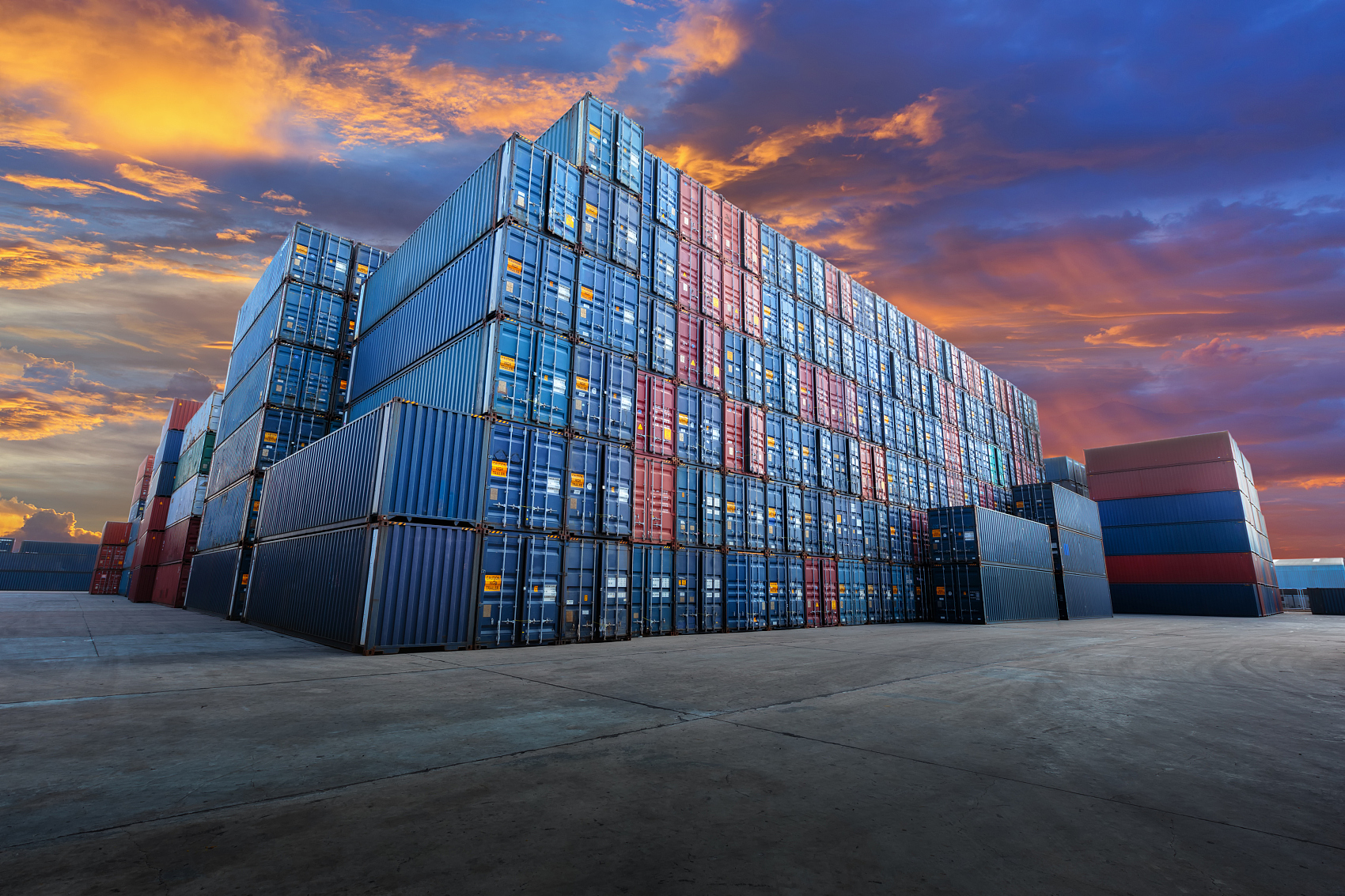
Import Shipping from China to Germany: 2026 Freight Guide
“Managing the logistics to import shipping from china to Germany requires a sophisticated understanding of modern supply chain dynamics. As we move through 2026, businesses must adapt to shifting trade lanes and evolving customs regulations to maintain a competitive edge. By partnering with experts like Top China Freight, importers can streamline their operations and reduce unnecessary overhead costs. This comprehensive guide explores every facet of the shipping journey, providing the data-driven insights necessary for successful European distribution.”
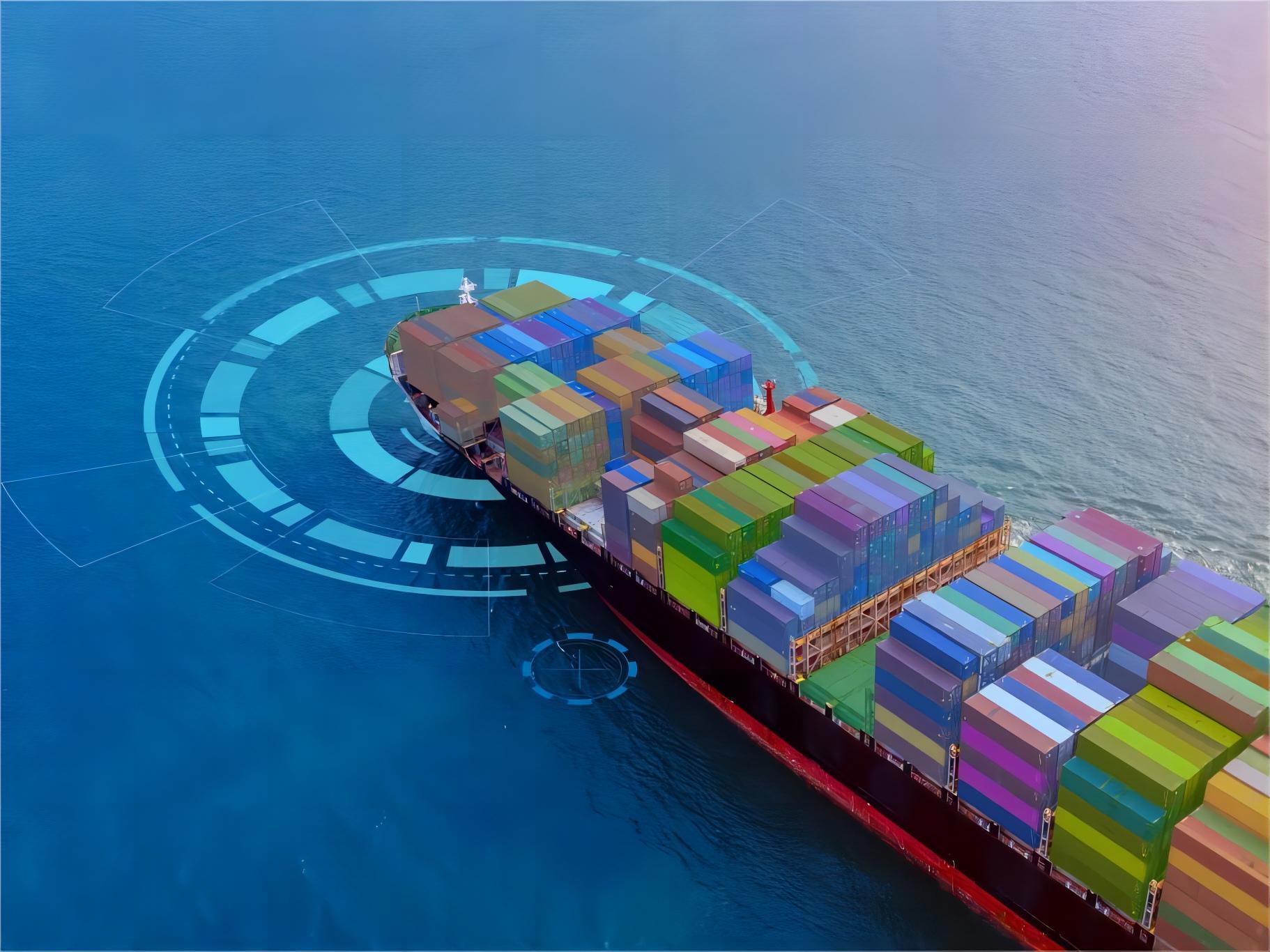
Understanding the Logistics Landscape for Germany in 2026
❖Current market conditions in 2026 indicate a period of stabilization for Eurasian trade routes following several years of volatility. Consequently, German importers are now seeing more predictable schedules and capacity availability across major ports like Hamburg and Wilhelmshaven. However, geopolitical factors still influence fuel surcharges and routing decisions, making it essential to monitor weekly market updates. Therefore, staying informed about the latest maritime and rail developments is no longer optional for businesses seeking efficiency.
Infrastructure improvements across the New Silk Road have significantly enhanced the reliability of land-based transport. Meanwhile, the integration of digital tracking technologies allows for real-time visibility into the movement of goods from Chinese manufacturing hubs to German warehouses. Additionally, environmental regulations within the European Union are pushing carriers toward greener fuels, which subtly impacts pricing structures in the current fiscal year. Indeed, navigating these complexities requires a proactive approach to freight management and supplier coordination.
German customs authorities have also implemented more rigorous digital filing requirements to expedite the clearance process. As a result, documentation accuracy has become the primary factor in avoiding costly port storage fees. Furthermore, the rise of e-commerce has led to a surge in demand for smaller, more frequent shipments, challenging traditional bulk shipping models. Nevertheless, the core principles of cost-to-speed optimization remain the foundation of any successful import strategy.
What Are the Primary Methods to Import Shipping from China to Germany?
❖Choosing the right transportation mode is the most critical decision when you import shipping from china to Germany. Typically, importers select between sea, air, and rail freight based on their specific budget constraints and delivery deadlines. For instance, sea freight remains the most economical choice for high-volume commodities and large machinery. Conversely, air transport serves as the premium solution for high-value electronics or urgent inventory restocks that cannot wait for maritime transit.
Rail freight has emerged as a formidable middle-ground solution, offering faster speeds than ships at a lower price point than planes. Moreover, many businesses are now utilizing multimodal strategies to balance costs and lead times effectively. Specifically, the choice often depends on the total volume, weight, and nature of the cargo being moved. Without a doubt, evaluating each method against your current supply chain needs is vital for maintaining profitability in the German market.
Each shipping method possesses unique advantages and operational limitations that must be weighed carefully. For example, while sea freight offers the lowest cost per unit, it requires much longer lead times and higher inventory carrying costs. On the other hand, air freight minimizes transit time but significantly increases the carbon footprint and logistics spend. Consequently, many modern enterprises are diversifying their shipping portfolios to mitigate risks associated with any single transport mode.
How Does Sea Freight Compare to Other Shipping Options?
❖Objective analysis of the various transport modes reveals significant discrepancies in performance metrics. While sea freight is often the default for bulk goods, it is important to recognize when alternative methods provide better value. For example, rail freight can deliver cargo to inland German cities like Duisburg or Munich up to two weeks faster than sea routes. Meanwhile, air freight remains unrivaled for time-sensitive product launches where every day of delay results in lost revenue.
Cost considerations are usually the primary driver for method selection among small to medium enterprises. According to industry benchmarks for early 2026, sea freight rates have remained relatively flat compared to the previous year, whereas air freight costs fluctuate based on seasonal demand peaks. Additionally, the environmental impact of each method is becoming a larger factor for German companies committed to sustainability goals. Therefore, a hybrid approach often yields the best balance of speed, cost, and ecological responsibility.
Below is a detailed comparison of the primary shipping methods available for the China-to-Germany route based on current 2026 market data.
| Shipping Method | Cost Range | Transit Time | Best For |
|---|---|---|---|
| Sea Freight (FCL) | $2,200 – $4,500 per 40HQ | 30-45 Days | Bulk goods, large volumes |
| Rail Freight | $4,500 – $6,800 per 40HQ | 15-22 Days | Mid-range value, inland delivery |
| Air Freight | $4.50 – $8.50 per kg | 3-7 Days | High-value, urgent cargo |
| Express Service | $7.00 – $12.00 per kg | 2-4 Days | Samples, documents, small parcels |
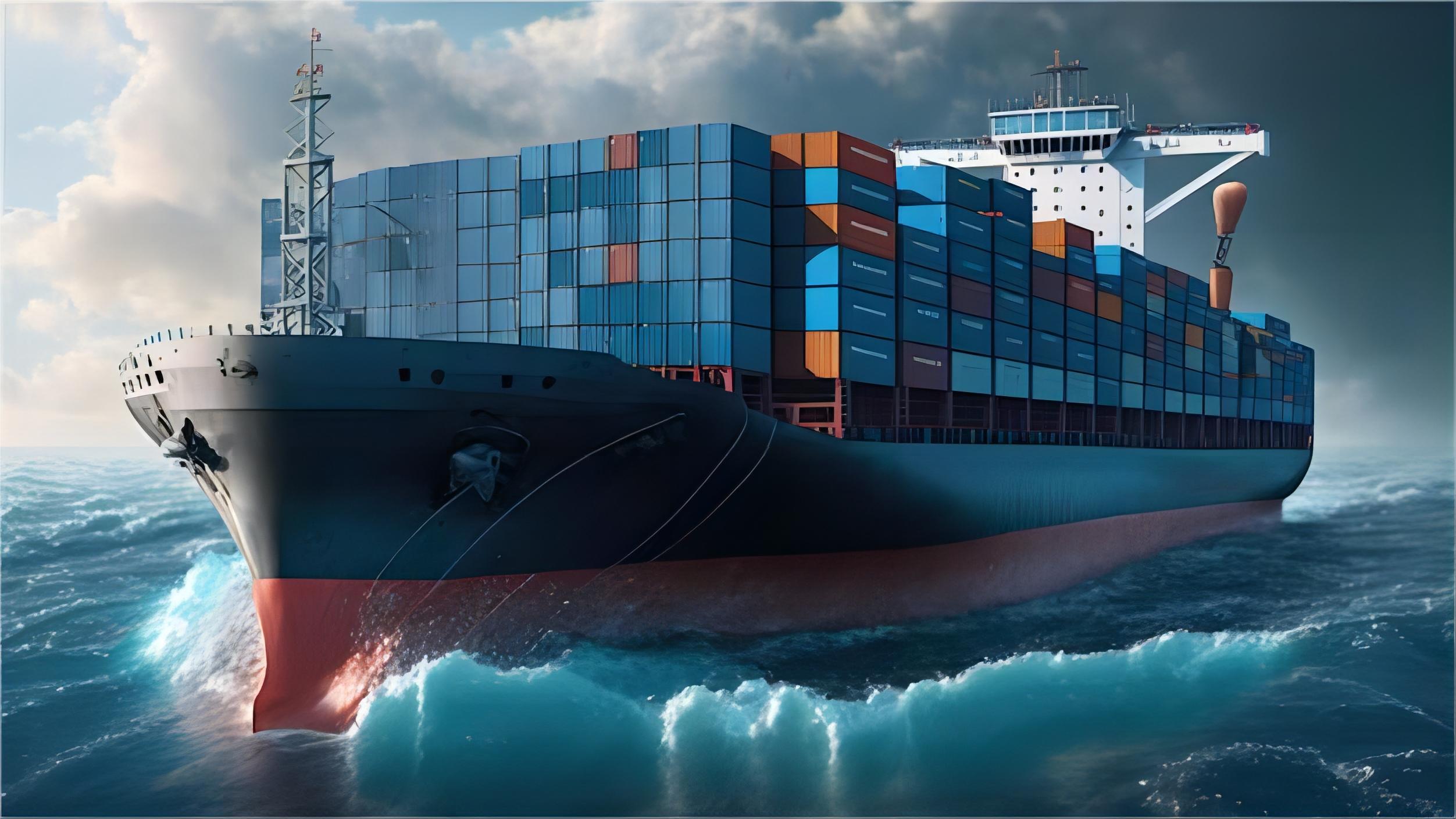
Which Option Should You Choose? Decision Framework
❖Determining the optimal strategy to import shipping from china to Germany requires a structured decision-making process. First, you must establish your priority: is it the lowest possible cost or the fastest delivery speed? If budget is the main priority, sea freight is almost always the recommended option, especially for shipments exceeding 15 cubic meters. However, if your cargo is under 100kg, express services or air freight might actually be more cost-effective when factoring in port handling fees.
Cargo type also plays a significant role in the selection process. For instance, hazardous materials or oversized industrial equipment may have limited options due to safety regulations or physical space constraints. Additionally, consider the destination within Germany; shipments destined for southern Germany may benefit more from rail routes that bypass the busy northern ports. Consequently, analyzing the total landed cost, rather than just the freight rate, is essential for an accurate comparison.
Volume thresholds often dictate when it is time to switch from one method to another. For example, once a shipment exceeds 15 CBM, moving from LCL (Less than Container Load) to FCL (Full Container Load) usually provides better security and lower per-unit costs. Similarly, for shipments between 300kg and 1000kg, rail freight often provides the best ROI by cutting transit time in half compared to sea freight for a manageable price increase. Indeed, a flexible logistics strategy allows you to pivot as market conditions or business needs change.
Navigating Customs and Documentation for German Imports
❖Successful customs clearance is the final hurdle when you import shipping from china to Germany. Because Germany is a member of the European Union, all imports must comply with the Union Customs Code (UCC). Therefore, ensuring that your EORI number is active and your HS codes are accurate is the first step toward a smooth entry. Additionally, partnering with a professional customs brokerage can prevent delays caused by administrative errors or missing certificates of origin.
Documentation requirements for 2026 have become increasingly digitized, requiring importers to submit data through the ATLAS system. For example, you will need a commercial invoice, a detailed packing list, and the Bill of Lading or Air Waybill. Furthermore, certain products like electronics or textiles may require CE marking or specific health certificates to meet EU safety standards. Consequently, preparing these documents well in advance of the cargo’s arrival is crucial for avoiding demurrage charges at the port.
Valuation of goods must be transparent and supported by transaction evidence to satisfy German tax authorities. Moreover, the calculation of Import VAT and customs duties depends heavily on the accuracy of the declared value and the specific trade agreements in place. Notably, errors in valuation can lead to audits or heavy fines, which can jeopardize your importing privileges. Meanwhile, staying updated on the latest EU trade policies ensures that you can take advantage of any duty relief programs available for your specific product category.
| Document Name | Purpose | Required By | Format |
|---|---|---|---|
| Commercial Invoice | Proof of transaction and value | Customs | Digital/PDF |
| Packing List | Details of cargo contents/weight | Carrier/Customs | Digital/PDF |
| Bill of Lading | Contract of carriage and title | Carrier | Original/Telex |
| Certificate of Origin | Confirms manufacturing location | Customs | Official Form |
Air Freight: When Speed Trumps Cost for German Consignees
❖Utilizing air freight is often the most strategic choice for companies dealing with high-demand cycles or perishable goods. Although the costs are significantly higher than sea or rail, the reduction in lead time can dramatically improve cash flow by reducing the amount of capital tied up in transit. For instance, a shipment from Shanghai can reach Frankfurt Airport in as little as 48 hours under premium service levels. Additionally, air transport offers the highest level of security and the lowest risk of damage for fragile items.
Market data suggests that air freight rates in 2026 are influenced by fluctuating aviation fuel prices and belly cargo capacity on passenger flights. Nevertheless, for high-value items like semiconductors or high-end fashion, the freight cost represents a small percentage of the total product value. Furthermore, the speed of air transport allows German businesses to respond almost instantly to market trends or inventory shortages. Therefore, maintaining an air freight option in your logistics toolkit is essential for agile supply chain management.
Airport handling in Germany is highly efficient, with hubs like Frankfurt (FRA) and Munich (MUC) offering world-class facilities for cargo processing. However, it is important to factor in the ‘last mile’ delivery from the airport to your final destination, which can add 24-48 hours to the total timeline. Consequently, choosing a freight forwarder with strong local trucking connections is vital for maintaining the speed advantage of air transport. Indeed, the total door-to-door time is the only metric that truly matters for urgent shipments.
Rail Freight: The Middle Ground via the New Silk Road
❖Opting for rail freight has become a staple strategy for German importers looking to optimize their logistics spend. This method bridges the gap between the slow pace of sea freight and the high expense of air freight, typically delivering goods in 18 to 22 days. Specifically, the Iron Silk Road connects major Chinese industrial hubs like Xi’an and Chengdu directly to German rail terminals in Duisburg and Hamburg. Moreover, rail transport is significantly more eco-friendly than air freight, aligning with the sustainability mandates of many European corporations.
Stability in rail schedules has improved in 2026 as infrastructure investments across Central Asia have matured. Additionally, rail containers are less susceptible to the weather-related delays that often plague maritime routes during typhoon seasons. However, rail freight is primarily suited for FCL shipments or larger LCL loads, as the consolidation process for very small parcels can be less efficient. Nevertheless, for automotive parts and industrial machinery, rail remains an exceptionally attractive option.
Note: Freight rates are subject to change based on fuel costs, carrier capacity, and seasonal demand. Contact us for a current quote tailored to your specific shipment.
Calculating the Total Cost to Import Shipping from China to Germany
❖Budgeting to import shipping from china to Germany involves more than just comparing freight quotes from different carriers. You must account for origin charges, including trucking to the port, export clearance, and terminal handling fees in China. Furthermore, the ocean or air freight rate is often subject to various surcharges like the Bunker Adjustment Factor (BAF) or Peak Season Surcharge (PSS). Additionally, destination charges in Germany, such as unloading fees and customs clearance service costs, can add several hundred euros to your bill.
Import duties and Value Added Tax (VAT) represent the most significant portion of the non-freight costs. In Germany, the standard VAT rate is 19%, which is calculated based on the CIF (Cost, Insurance, and Freight) value of the goods plus the duty amount. Therefore, a shipment with a customs value of 10,000 EUR and a 5% duty rate would incur 500 EUR in duty and approximately 1,995 EUR in VAT. Consequently, failing to accurately estimate these taxes can lead to unexpected cash flow strain upon the cargo’s arrival.
Insurance is another critical component that should never be overlooked when shipping internationally. While carriers have limited liability, a comprehensive marine insurance policy typically costs between 0.3% and 0.5% of the insured value. Indeed, this small investment protects your business against total loss due to maritime accidents, theft, or natural disasters. To summarize, a professional freight forwarder will provide a transparent breakdown of all these costs to ensure there are no surprises during the shipping process.
Door-to-Door Solutions for Seamless German Distribution
❖Implementing a door to door service model simplifies the entire importing process by consolidating all logistics stages under a single provider. This approach eliminates the need for the importer to coordinate between multiple truckers, warehouse operators, and customs brokers. For instance, the forwarder manages the pickup from the factory in Shenzhen, the international transit, and the final delivery to a warehouse in Berlin. Additionally, this model provides a single point of accountability, making it much easier to resolve any issues that may arise during transit.
Efficiency gains from door-to-door services are particularly noticeable for businesses without dedicated logistics departments. Moreover, these services often include comprehensive tracking, giving you peace of mind that your inventory is moving according to schedule. Specifically, for e-commerce sellers, door-to-door solutions can include delivery directly to Amazon fulfillment centers via Amazon FBA specialized routes. Consequently, you can focus on sales and marketing while the logistics experts handle the physical movement of your products.
Choosing a provider with a strong local presence in both China and Germany is the key to a successful door-to-door experience. Notably, local expertise ensures that the ‘first mile’ in China and the ‘last mile’ in Germany are handled by reliable professionals who understand local regulations and traffic patterns. Meanwhile, the integration of these services often leads to better overall rates than booking each leg of the journey separately. Therefore, the convenience and reliability of door-to-door shipping often outweigh the slight premium in service fees.
Real-World Case Studies: China to Germany Shipments
❖Case Study 1: Electronics Distribution Route: Shenzhen, China to Hamburg, Germany Cargo: Consumer Electronics, 22 CBM, 4,500 kg Container: 1 x 20GP Shipping Details: – Carrier: COSCO – Port of Loading: Shenzhen – Port of Discharge: Hamburg – Route Type: Direct Cost Breakdown: – Ocean Freight: $2,150 – Origin Charges: $350 – Destination Charges: $420 – Customs & Duties: $1,200 (Estimated) – Total Landed Cost: $4,120 Timeline: – Booking to Loading: 4 days – Sea Transit: 33 days – Customs Clearance: 2 days – Total Door-to-Door: 42 days Key Insight: Utilizing a direct sea route minimized the risk of damage for sensitive electronics while keeping costs low for a full container load.
Case Study 2: Urgent Industrial Components Route: Chengdu, China to Duisburg, Germany Cargo: Precision Valves, 4 CBM, 850 kg Container: LCL (Rail Freight) Shipping Details: – Carrier: China Railway Express – Port of Loading: Chengdu Terminal – Port of Discharge: Duisburg Terminal – Route Type: Rail via Kazakhstan/Poland Cost Breakdown: – Rail Freight: $950 – Origin Charges: $200 – Destination Charges: $280 – Customs & Duties: $450 (Estimated) – Total Landed Cost: $1,880 Timeline: – Booking to Loading: 3 days – Rail Transit: 19 days – Customs Clearance: 1 day – Total Door-to-Door: 26 days Key Insight: Rail freight provided the perfect balance for this mid-sized shipment, arriving 15 days faster than sea freight for a marginal cost increase.
Case Study 3: Seasonal Apparel Launch Route: Guangzhou, China to Frankfurt, Germany Cargo: High-end Garments, 1.5 CBM, 300 kg Container: Air Freight Shipping Details: – Carrier: Lufthansa Cargo – Port of Loading: Guangzhou (CAN) – Port of Discharge: Frankfurt (FRA) – Route Type: Direct Air Cost Breakdown: – Air Freight: $1,650 ($5.50/kg) – Origin Charges: $150 – Destination Charges: $200 – Customs & Duties: $800 (Estimated) – Total Landed Cost: $2,800 Timeline: – Booking to Loading: 2 days – Air Transit: 1 day – Customs Clearance: 1 day – Total Door-to-Door: 6 days Key Insight: Air freight enabled the client to meet a strict retail launch deadline, proving that speed is often worth the premium for high-margin products.
Final Thoughts on German Import Logistics
Successfully managing the process to import shipping from china to Germany requires a blend of strategic planning, method selection, and meticulous documentation. As we have explored, the 2026 market offers various viable options ranging from the cost-effective sea freight to the ultra-fast air freight and the balanced rail freight solutions. By understanding the cost structures and transit times associated with each, you can make informed decisions that support your business objectives.
Furthermore, the importance of a reliable freight forwarding partner cannot be overstated in today’s complex global trade environment. Whether you are shipping full containers or smaller LCL loads, the right expertise ensures that your goods navigate customs and international borders without unnecessary delays. Therefore, take the time to evaluate your specific needs and choose the transport mode that offers the best return on investment for your unique cargo requirements.

Ready to streamline your logistics?
Ready to optimize your supply chain and import shipping from china to Germany with confidence? Contact our expert logistics team today for a customized quote and professional guidance on the best routes for your business. Visit Top China Freight to start your inquiry now. Send Inquiry:
Request Quote