
Express Shipping China to Germany: 2026 Cost and Time Guide
Finding reliable express shipping China to Germany is essential for businesses needing rapid inventory turnover in today’s competitive market. At Top China Freight, we simplify the complex logistics of international trade between these two economic powerhouses by providing streamlined solutions. This comprehensive guide offers actionable insights into current costs, transit times, and customs procedures to ensure your cargo arrives safely and on schedule. Consequently, you can focus on growing your business while we handle the intricacies of your supply chain.

What is Express Shipping China to Germany?
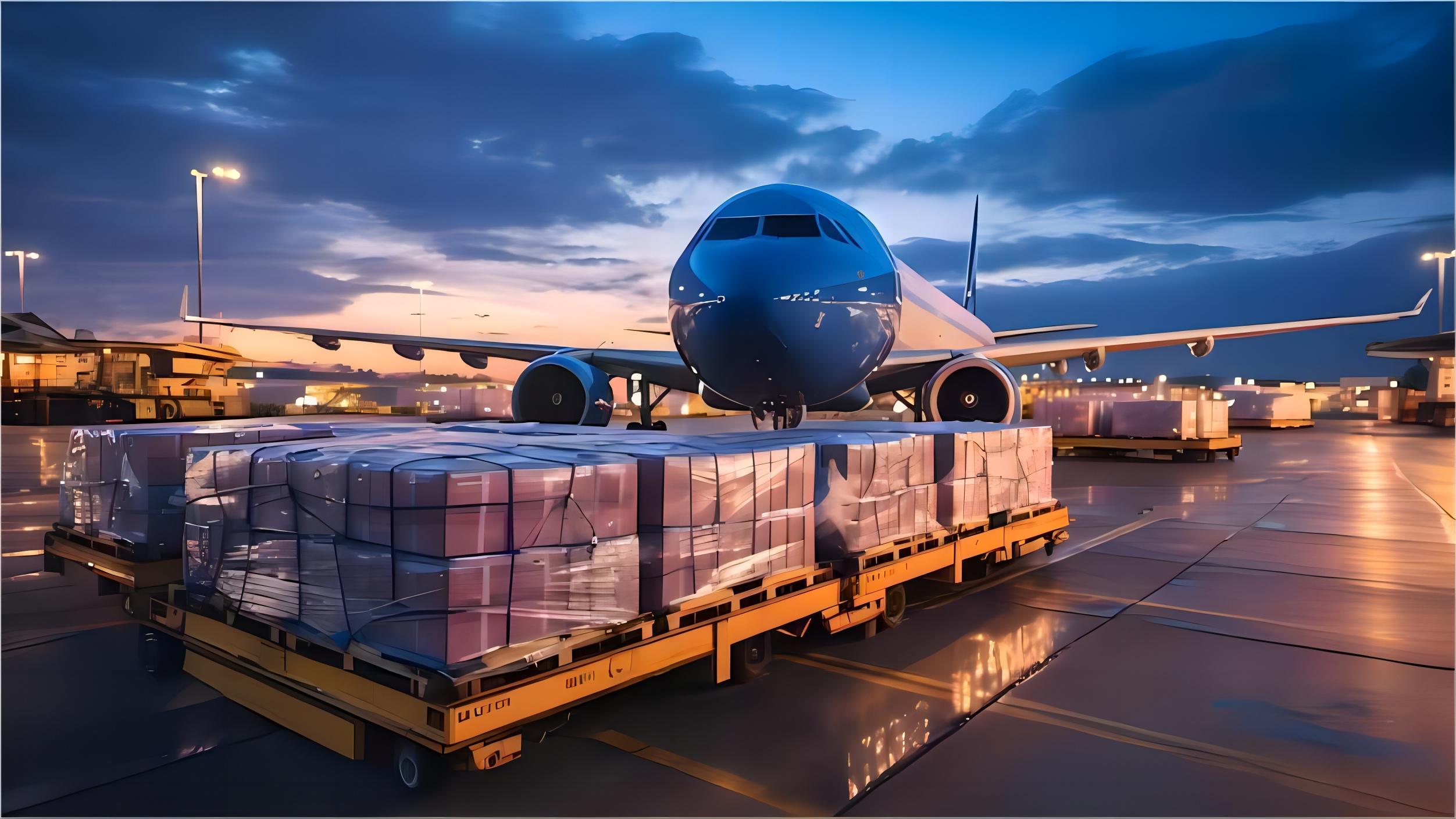
Express shipping represents the fastest possible logistics method for moving goods across international borders. Specifically, it utilizes a network of dedicated courier aircraft and ground transport to bypass many of the delays associated with traditional freight. This service is ideal for high-value items, urgent documents, or small parcels that require immediate delivery.
Moreover, our express service provides end-to-end tracking and guaranteed delivery windows. Most shipments are handled by global carriers such as DHL, FedEx, or UPS, who maintain extensive infrastructure in both China and Germany. As a result, importers can enjoy a seamless experience from the factory floor in Shenzhen to the doorstep in Berlin.
Furthermore, this method often includes integrated customs handling which speeds up the entire process significantly. While it is more expensive than sea or rail options, the speed and reliability often justify the investment for time-sensitive cargo. Indeed, many e-commerce sellers rely on this speed to maintain high customer satisfaction ratings.
How Does Express Shipping Compare to Other Shipping Options?
Comparing different logistics modes is crucial for optimizing your shipping budget and meeting delivery deadlines. While express shipping offers the quickest turnaround, it may not always be the most cost-effective choice for larger volumes. In contrast, air freight provides a middle ground for shipments over 100 kilograms.
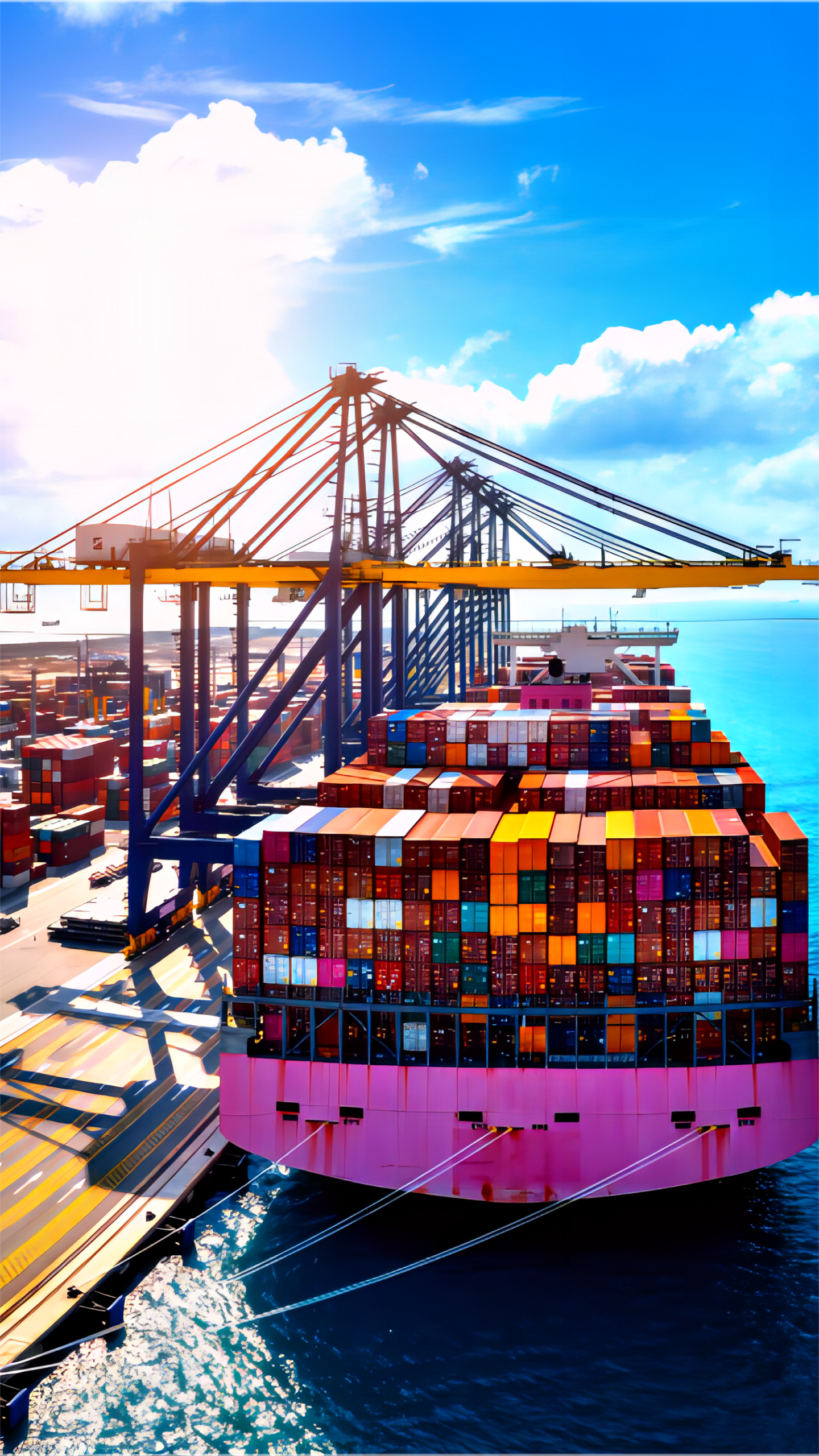
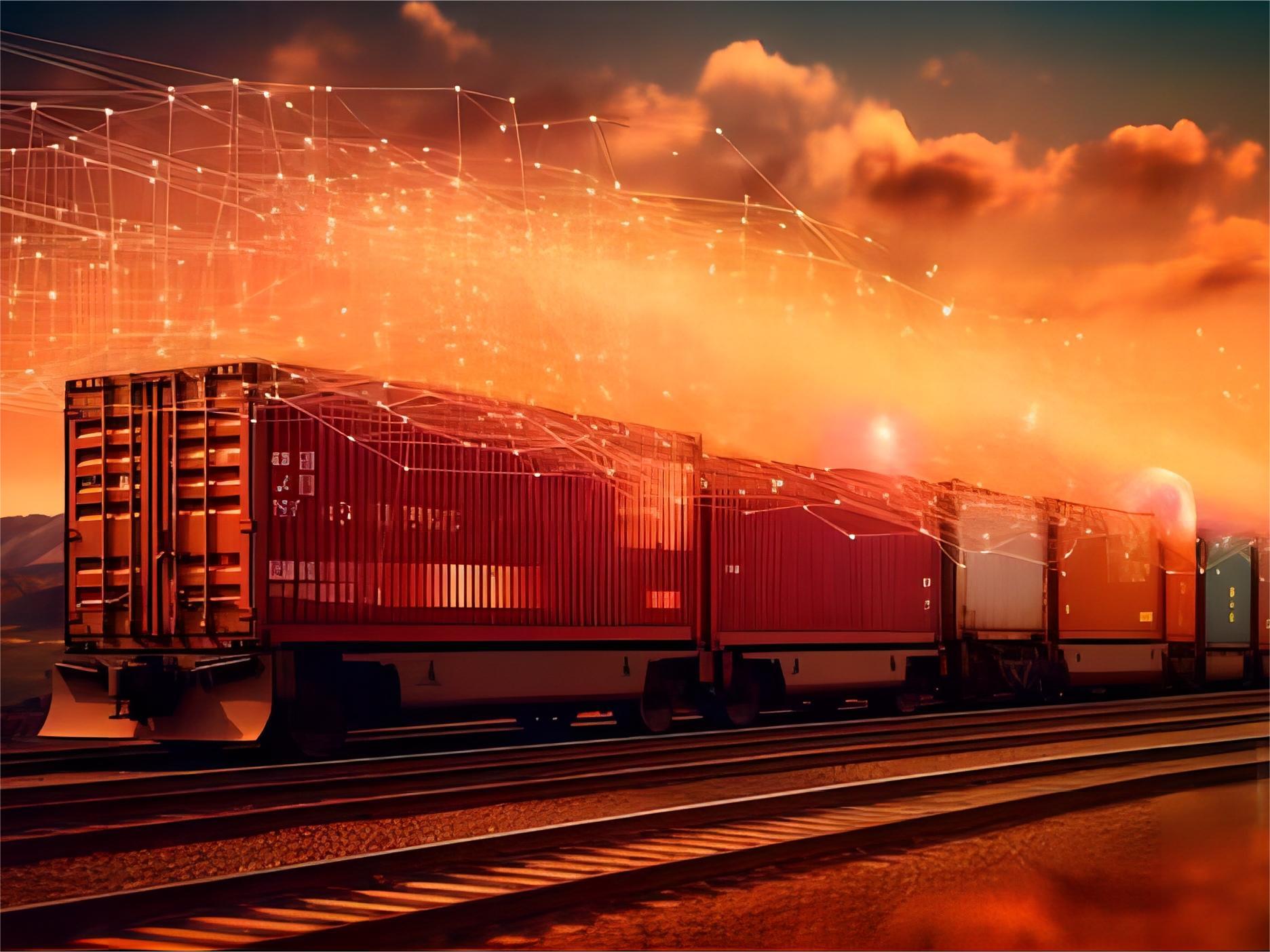
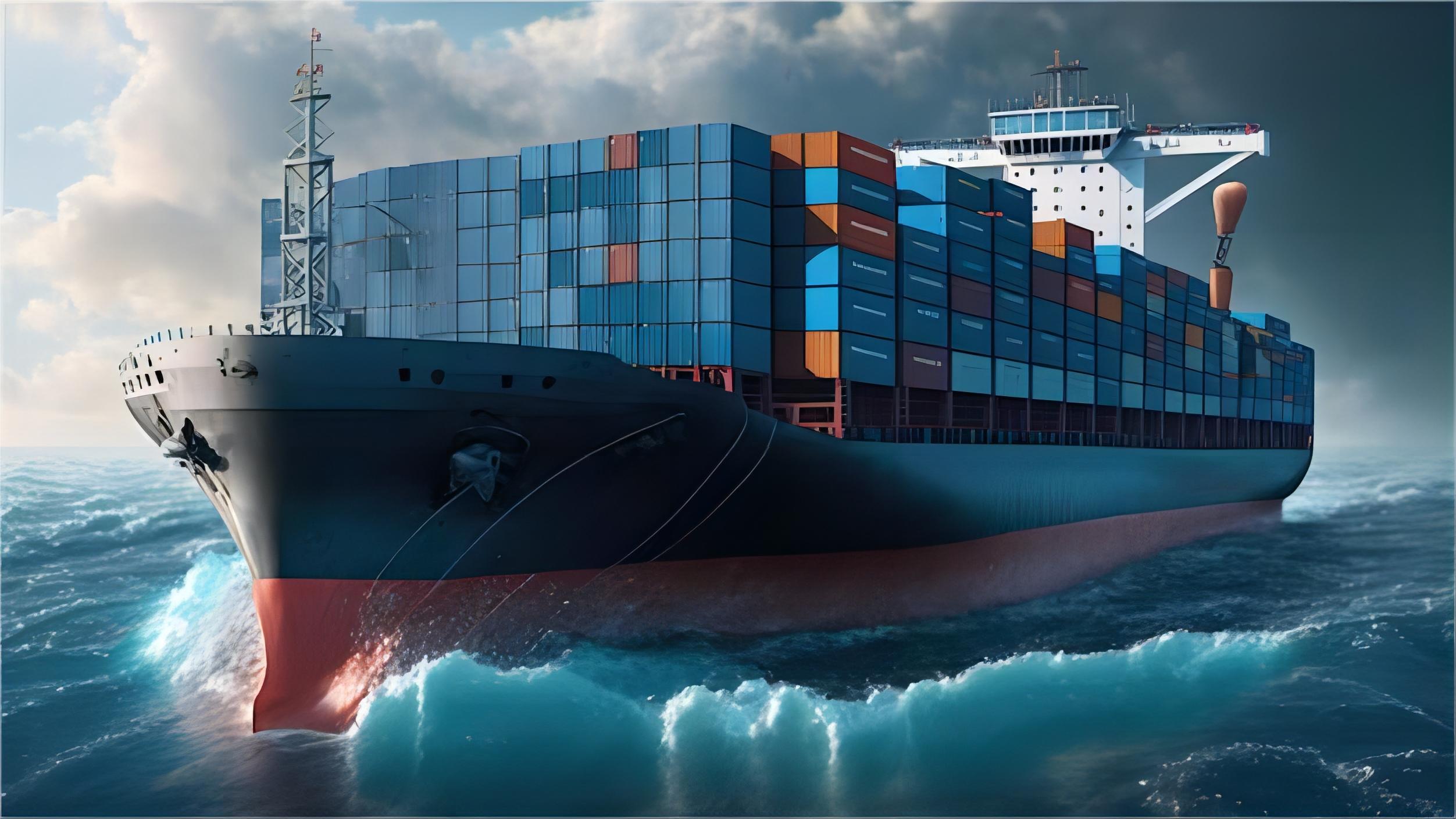
For instance, sea freight remains the king of volume, allowing for massive containers to be moved at a fraction of the cost. However, the transit time for sea routes can exceed 35 days, whereas express arrives in under a week. Meanwhile, rail freight through the New Silk Road offers a sustainable alternative that is faster than sea but cheaper than air.
Additionally, businesses must weigh the trade-offs between speed and expense carefully. If your cargo is bulky or heavy, the volumetric weight calculations used by express couriers might lead to prohibitively high costs. Therefore, understanding the nuances of each method helps in making an informed logistics decision.
| Shipping Method | Cost Range | Transit Time | Best For |
|---|---|---|---|
| Express Shipping | $6 – $12 per kg | 3 – 5 Days | Urgent/Small Parcels |
| Air Freight | $4 – $8 per kg | 5 – 10 Days | Mid-sized Cargo |
| Rail Freight | $150 – $250 per CBM | 15 – 22 Days | Heavy Goods/Eco |
| Sea Freight | $2,500 – $4,200 per 40HQ | 30 – 40 Days | Bulk Shipments |
Understanding Express Shipping Costs and 2026 Market Rates
Calculating the total cost of express shipping requires an understanding of both actual weight and volumetric weight. Carriers typically charge based on whichever value is higher to account for the space a package occupies in the aircraft. Consequently, lightweight but bulky items like pillows or plastic toys can be surprisingly expensive to ship.
Market data suggests that as of early 2026, fuel surcharges remain a significant factor in pricing volatility. For example, a 10kg parcel from Shanghai to Frankfurt might cost between $80 and $130 depending on the specific courier and service level chosen. Nevertheless, high-volume shippers can often negotiate better rates through logistics partners.
In addition, destination charges and duties must be factored into the total landed cost. Germany has strict VAT and customs duty regulations that apply to most commercial imports from outside the European Union. Without a doubt, working with a professional to manage customs brokerage can prevent unexpected fees and delays at the border.
Note: Freight rates are subject to change based on fuel costs, carrier capacity, and seasonal demand. Contact us for a current quote tailored to your specific shipment.
Key Factors Influencing Transit Times for German Deliveries
Several variables can impact how quickly your shipment moves from a Chinese warehouse to a German address. While the flight time itself is relatively short, the ground handling and sorting at major hubs like Hong Kong or Leipzig take time. Accordingly, choosing a direct route rather than one with multiple transshipments can save precious hours.
Customs clearance speed is another critical factor that varies depending on the accuracy of your documentation. If the commercial invoice is missing details or the HTS codes are incorrect, German customs may hold the package for inspection. Consequently, your 3-day express shipment could easily turn into a 10-day ordeal.
Seasonal demand also plays a major role in the efficiency of Europe bound logistics. During the Q4 peak season, the sheer volume of holiday packages can overwhelm even the most robust courier networks. Therefore, it is wise to plan for potential delays of 1-2 days during the months of November and December.
Which Option Should You Choose?
Deciding on the best shipping strategy depends largely on your specific business priorities and cargo characteristics. If your primary goal is budget conservation and you have a flexible timeline, sea freight is the clear winner for large volumes. On the other hand, if you are launching a new product and need to restock quickly, express is the only viable path.
Budget priority: Recommend sea freight for shipments over 2 CBM or rail freight for a balance of cost and speed. For instance, rail is increasingly popular for automotive parts and electronics that are too heavy for planes but too urgent for ships.
Speed priority: Recommend express shipping for parcels under 45kg and standard air freight for larger shipments. This ensures that you meet tight deadlines without overpaying for unnecessary speed on non-critical items.
Cargo type considerations: Recommend specialized door to door services for fragile or high-value goods. These services often provide enhanced security and specialized handling that standard couriers might lack.
Essential Customs Documentation for Germany
Importing goods into Germany requires a meticulous approach to paperwork to satisfy the requirements of the Zoll (German Customs). The most important document is the commercial invoice, which must clearly state the value, description, and origin of the goods. Furthermore, an EORI number is mandatory for any business importing into the European Union.
Additionally, a packing list should accompany the invoice to help customs officers verify the contents of each box. For certain types of goods, such as electronics or chemicals, you may also need a Certificate of Origin or a CE declaration of conformity. Indeed, missing any of these documents will result in the shipment being flagged and delayed.
Moreover, you must decide whether to ship via DDU (Delivered Duty Unpaid) or DDP (Delivered Duty Paid). Under DDP terms, the shipper handles all taxes and duties, providing a smoother experience for the recipient in Germany. For example, e-commerce sellers often prefer DDP to ensure their customers do not receive unexpected tax bills upon delivery.
| Document Name | Purpose | Required For | Issuer |
|---|---|---|---|
| Commercial Invoice | Tax/Duty Valuation | All Shipments | Seller/Shipper |
| Packing List | Content Verification | All Shipments | Seller/Shipper |
| EORI Number | EU ID for Importers | All EU Imports | German Customs |
| Air Waybill (AWB) | Contract of Carriage | All Air/Express | Courier/Carrier |
Real-World Case Studies for China-Germany Logistics
Case Study 1: Urgent Electronics Delivery. Route: Shenzhen to Berlin. Cargo: High-end tablet components, 0.8 CBM, 45 kg. Shipping Method: Premium Express. Ocean Freight: N/A. Origin Charges: $45. Destination Charges: $60. Customs & Duties: $120. Total Landed Cost: $625. Timeline: Booking to Loading: 1 day. Air Transit: 2 days. Customs Clearance: 1 day. Total Door-to-Door: 4 days. Key Insight: Choosing a premium express tier avoided a weekend backlog at the HKG hub.
Case Study 2: Seasonal Fashion Restock. Route: Guangzhou to Munich. Cargo: Designer apparel, 2.5 CBM, 180 kg. Shipping Method: Economy Air Freight. Origin Charges: $110. Destination Charges: $150. Customs & Duties: $450. Total Landed Cost: $1,850. Timeline: Booking to Loading: 2 days. Air Transit: 5 days. Customs Clearance: 2 days. Total Door-to-Door: 9 days. Key Insight: Using economy air instead of express saved the client 30% in shipping costs while still meeting the launch date.
Case Study 3: Industrial Prototype. Route: Shanghai to Hamburg. Cargo: CNC machine part, 0.4 CBM, 30 kg. Shipping Method: Express Courier. Origin Charges: $35. Destination Charges: $50. Customs & Duties: $90. Total Landed Cost: $410. Timeline: Booking to Loading: 1 day. Air Transit: 3 days. Customs Clearance: 1 day. Total Door-to-Door: 5 days. Key Insight: DDP terms allowed the German engineering firm to receive the part without any administrative hassle at the local customs office.
Pro Tips to Reduce Your Shipping Expenses
Reducing costs in express shipping requires a combination of smart packaging and strategic timing. For example, consolidating multiple small orders into one larger shipment can significantly lower the price per kilogram. Furthermore, using standardized box sizes helps avoid additional handling fees from the courier.
Another effective strategy is to compare rates between different carriers for each specific shipment. While one courier might have better rates for small envelopes, another might be more competitive for boxes over 20kg. Consequently, maintaining relationships with multiple providers or using a freight forwarder can provide significant savings.
Additionally, keep an eye on the exchange rates and fuel surcharge trends which are updated monthly. Booking your shipment during the middle of the week can sometimes result in faster processing than waiting for the Friday rush. Without a doubt, being proactive about your logistics planning is the best way to keep your expenses under control.
Mastering Your Logistics from China to Germany
Navigating the world of express shipping China to Germany requires a balance of speed, cost, and regulatory compliance. By understanding the various shipping modes and preparing your documentation accurately, you can significantly reduce transit times and avoid costly delays. Moreover, staying informed about 2026 market trends allows you to adapt your strategy as global conditions change.
Whether you are shipping small parcels or large industrial components, choosing the right logistics partner is the key to success. We invite you to leverage our expertise to ensure your goods move efficiently across borders. Ultimately, a well-managed shipping process is a powerful tool for building a successful international business.
Start Your Shipment
Ready to accelerate your supply chain with reliable express shipping China to Germany? Contact our logistics experts today to receive a personalized quote and optimize your international delivery schedule. Send Inquiry
Request Quote