
DDP Sea Freight China to USA: Complete 2026 Shipping Guide
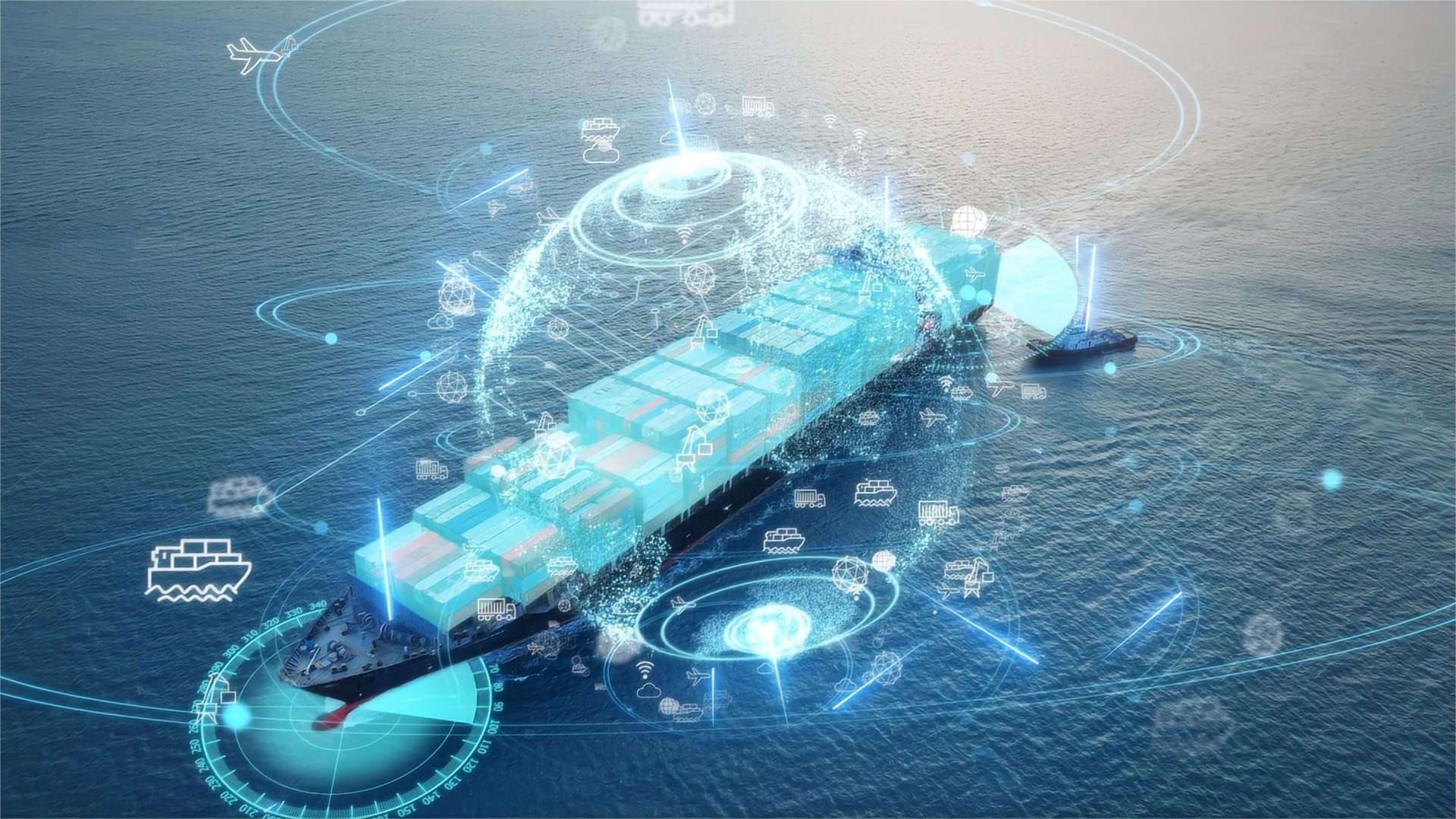
Navigating the complexities of international logistics requires a reliable strategy to ensure goods arrive safely and on time. Choosing Top China Freight for your DDP sea freight China to USA needs simplifies the entire process by handling every step from the factory floor to your warehouse door. This comprehensive guide explores how Delivered Duty Paid services can streamline your operations and reduce hidden costs in the current 2026 market.

What is DDP Sea Freight China to USA?
Delivered Duty Paid, commonly known as DDP, represents a shipping agreement where the seller assumes all responsibilities for transporting goods. This includes paying for ocean freight, export duties, import taxes, and final delivery costs to the designated US destination.
Utilizing sea freight under DDP terms allows importers to focus on sales rather than complex logistics paperwork. Consequently, businesses can accurately predict their landed costs without worrying about unexpected port charges or customs fees.
Moreover, this method is particularly popular for e-commerce sellers and small businesses who lack a dedicated logistics department. Therefore, the freight forwarder acts as the ultimate partner in managing the end-to-end supply chain requirements.
Specifically, the forwarder manages the pickup in China, the ocean voyage, and the final trucking in the United States. As a result, the buyer simply waits for the notification that their cargo has arrived at their doorstep.
Key Benefits of Door to Door Logistics
Reliability remains the primary reason many companies opt for door to door solutions when importing from China. By consolidating all services under one provider, you minimize the risk of communication gaps between different carriers.
Furthermore, DDP shipping eliminates the need for the buyer to hold a US customs bond or deal directly with the Customs and Border Protection agency. This is a significant advantage for international companies that do not have a legal entity registered in the United States.
Cost transparency also improves significantly because all expenses are bundled into a single quote provided upfront. Indeed, knowing the total price including duties helps in maintaining healthy profit margins for retail and wholesale operations.
Additionally, most forwarders offer integrated tracking systems that provide real-time updates on the location of your containers. Consequently, you can plan your inventory replenishment and marketing campaigns with much greater precision.
How Does DDP Sea Freight Compare to Other Shipping Options?
While sea freight is the most economical choice for large volumes, comparing it to air freight is essential for time-sensitive shipments. Air transport offers speed but comes at a significantly higher price point, often quadruple the cost of ocean transport.
In contrast, sea freight provides the capacity to move massive quantities of goods, such as furniture or heavy machinery, that would be cost-prohibitive via air. However, the transit time is much longer, requiring careful planning of your production cycles.
Meanwhile, express services are ideal for small parcels under 100 kilograms but lack the cost-efficiency needed for bulk commercial orders. To summarize, sea freight remains the backbone of global trade due to its balance of price and capacity.
| Shipping Method | Cost Range | Transit Time | Best For |
|---|---|---|---|
| Sea Freight DDP | $150 – $350 per CBM | 25 – 40 Days | Bulk Inventory |
| Air Freight DDP | $5 – $9 per KG | 5 – 9 Days | Urgent Restocks |
| Express Service | $8 – $12 per KG | 3 – 5 Days | Small Samples |
| Sea-Air Hybrid | $3 – $5 per KG | 15 – 20 Days | Medium Urgency |
Typical Costs and Rates for 2026
Market data suggests that freight rates from China to the USA have stabilized in early 2026 following the disruptions seen in previous years. Currently, shipping a full container (FCL) or less-than-container load (LCL) depends heavily on the destination port and the type of commodity.
For instance, shipping to the US West Coast is generally cheaper and faster than shipping to the East Coast due to the shorter transpacific distance. Consequently, many importers choose to land goods in Los Angeles and use rail or truck for inland distribution.
Moreover, seasonal fluctuations still play a major role in pricing, with rates typically increasing by 15 percent during the peak season from August to October. Therefore, booking your shipments at least three weeks in advance is highly recommended to secure the best rates.
Note: Freight rates are subject to change based on fuel costs, carrier capacity, and seasonal demand. Contact us for a current quote tailored to your specific shipment.
| Route | LCL (per CBM) | 20GP FCL | 40HQ FCL |
|---|---|---|---|
| China to West Coast | $180 – $260 | $3,800 – $4,500 | $5,200 – $6,500 |
| China to East Coast | $240 – $320 | $5,100 – $6,200 | $7,500 – $8,800 |
| China to Midwest | $260 – $350 | $5,800 – $7,000 | $8,200 – $9,500 |
Transit Times and Delivery Schedules
Understanding the delivery schedule is crucial for maintaining a consistent supply chain and meeting customer expectations. Typically, the ocean transit from major Chinese ports like Shanghai or Ningbo to the Port of Los Angeles takes about 14 to 18 days.
However, the DDP process includes additional time for customs clearance and final mile delivery, which adds another 7 to 10 days to the total timeline. In contrast, shipments bound for New York or Savannah via the Panama Canal can take 30 to 35 days on the water alone.
Furthermore, port congestion and weather conditions can occasionally cause delays in the arrival schedule. Consequently, experienced importers always build a buffer of at least one week into their planning to account for these variables.
Indeed, choosing a forwarder with priority unloading contracts can significantly reduce the time your cargo spends sitting at the terminal. This is particularly important for high-turnover goods that need to reach the market quickly.
| Destination Region | Sea Transit | Customs/Delivery | Total DDP Time |
|---|---|---|---|
| US West Coast | 15 Days | 7 Days | 22 – 25 Days |
| US East Coast | 32 Days | 8 Days | 40 – 45 Days |
| US Gulf Coast | 28 Days | 9 Days | 37 – 42 Days |
| US Inland (Midwest) | 20 Days | 12 Days | 32 – 38 Days |
Real Case Studies for 2026 Shipments
Analyzing real-world examples helps clarify the practical application of DDP sea freight China to USA services. Below are two scenarios based on typical shipments handled in the first quarter of 2026.
Case Study 1: Electronics from Shenzhen to Los Angeles. Route: Shenzhen, China to Los Angeles, USA. Cargo: Consumer Electronics, 8 CBM, 2000 kg. Container: LCL 8 CBM. Shipping Details: Carrier: Matson Integrated Service. Port of Loading: Shenzhen. Port of Discharge: Los Angeles. Route Type: Direct. Cost Breakdown: Ocean Freight: $1,440. Origin Charges: $200. Destination Charges: $350. Customs and Duties: $1,200. Total Landed Cost: $3,190. Timeline: Booking to Loading: 3 days. Sea Transit: 12 days. Customs Clearance: 2 days. Total Door-to-Door: 21 days. Key Insight: Using a premium sea service like Matson reduced transit time by 5 days compared to standard carriers.
Case Study 2: Home Furniture from Ningbo to Chicago. Route: Ningbo, China to Chicago, USA. Cargo: Wooden Furniture, 28 CBM. Container: 20GP FCL. Shipping Details: Carrier: COSCO. Port of Loading: Ningbo. Port of Discharge: Savannah (then Rail to Chicago). Route Type: Transshipment. Cost Breakdown: Ocean Freight: $4,200. Origin Charges: $300. Destination Charges: $600. Customs and Duties: $850. Total Landed Cost: $5,950. Timeline: Booking to Loading: 5 days. Sea Transit: 30 days. Customs Clearance: 4 days. Total Door-to-Door: 45 days. Key Insight: FCL was more cost-effective than LCL for this volume, saving approximately $800 in total costs.
Amazon FBA DDP Solutions
Many e-commerce entrepreneurs rely on Amazon FBA to scale their businesses rapidly. Shipping via DDP is the standard requirement for Amazon because the marketplace will not act as the Importer of Record or pay any duties upon arrival.
Consequently, your freight forwarder must ensure that all labels are correctly applied and that the cargo meets Amazon’s strict palletization requirements. Failure to comply with these rules can lead to expensive rejection at the fulfillment center warehouse.
Moreover, forwarders specializing in FBA often provide value-added services such as quality inspections and repackaging in China. Therefore, you can ensure that only high-quality products are sent to your customers, reducing the rate of returns.
In addition, using a consolidated LCL service specifically for FBA can lower your per-unit shipping cost significantly. This allows smaller sellers to compete with larger brands by maintaining lower overhead expenses.
Required Documentation for DDP Shipping
Accurate documentation is the foundation of a smooth customs clearance process when importing from China. Your forwarder will typically require a Commercial Invoice, a Packing List, and a Bill of Lading to begin the export process.
Furthermore, certain products may require specific certificates, such as an FDA notice for food-contact items or an EPA certificate for engines. Consulting with a customs brokerage expert before shipping can prevent your goods from being seized at the border.
Notably, the Importer Security Filing (ISF) must be submitted to US Customs at least 24 hours before the vessel departs from China. If this filing is missed or contains errors, you could face fines ranging from $5,000 to $10,000 per shipment.
Consequently, providing clear and detailed descriptions of your goods is essential for correct tariff classification. This ensures that you pay the proper duty rate and avoid audits from the Department of Commerce.
Which Option Should You Choose?
Deciding between FCL and LCL depends largely on your shipment volume and budget constraints. If your cargo exceeds 15 cubic meters, booking a full 20-foot container is usually more economical than paying the per-CBM rate for LCL.
On the other hand, LCL is perfect for testing new products or maintaining a lean inventory without committing to massive orders. However, keep in mind that LCL involves more handling and a slightly higher risk of damage during consolidation.
Additionally, consider the urgency of your inventory needs when selecting a carrier. While budget carriers save money, premium carriers offer guaranteed space and faster unloading times, which can be vital during peak shopping holidays.
Ultimately, the best choice is one that balances your cash flow requirements with your need for speed and reliability. Discussing your specific business goals with a logistics professional will help you tailor the perfect shipping strategy.
Summary of DDP Sea Freight Strategies
Successfully managing DDP sea freight China to USA requires a deep understanding of costs, timelines, and regulatory requirements. By utilizing Delivered Duty Paid terms, you transfer the logistical burden to professionals, allowing you to focus on growing your brand and serving your customers.
Whether you are shipping bulk FCL loads or smaller Amazon FBA parcels, the right forwarder makes all the difference in your bottom line. As we move through 2026, staying informed about market trends and maintaining flexible shipping strategies will remain key to your international trade success.
Get Your Shipping Quote Today
Streamline your supply chain today by partnering with the experts in DDP sea freight China to USA. Our team handles every detail from customs to final delivery, ensuring your business stays competitive in the 2026 market. Visit Top China Freight to request a personalized quote and discover how we can optimize your shipping costs. Send Inquiry: Visit https://Top China Freight.net/ for more details.
Request Quote