
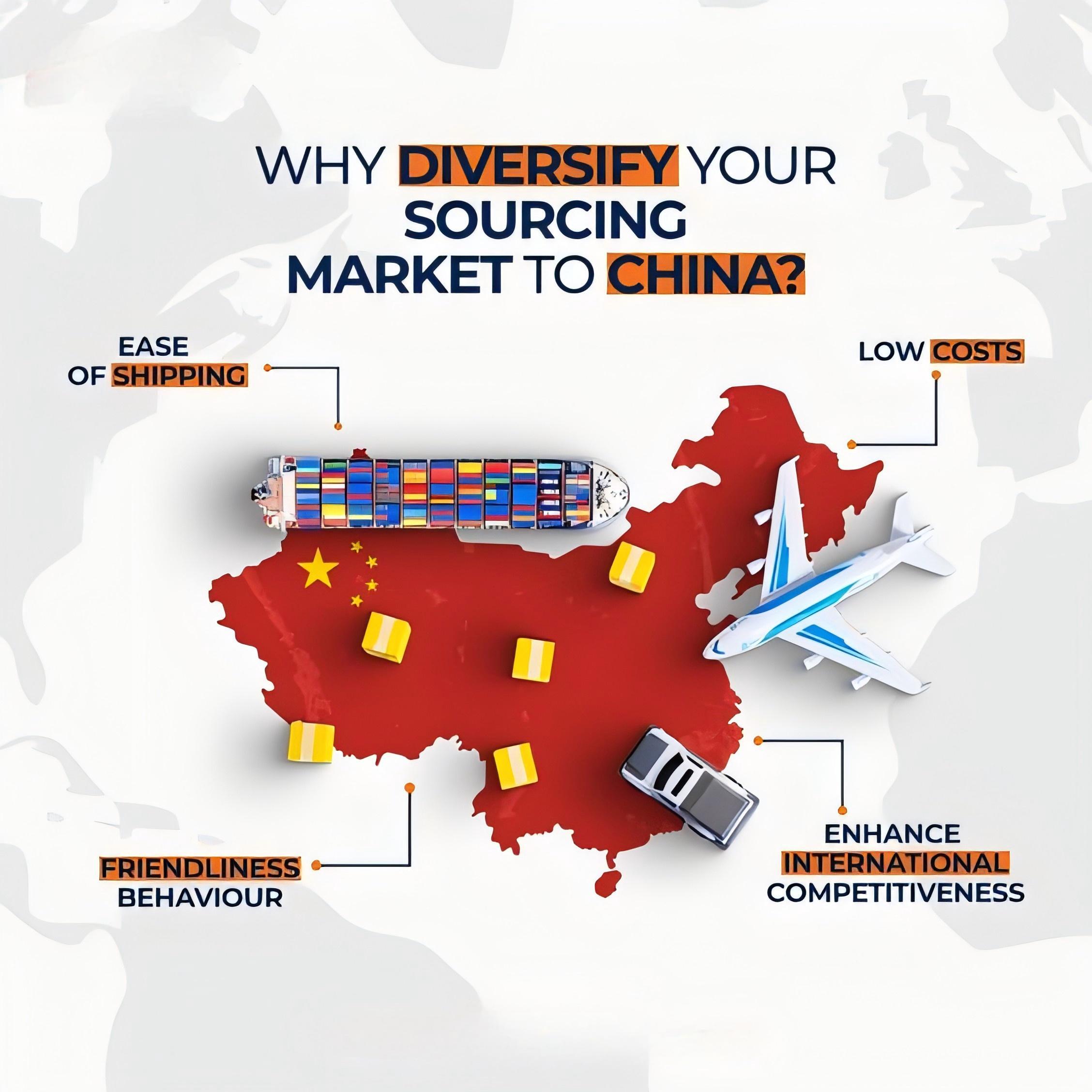
China USA Logistics Service: The Comprehensive 2026 Shipping Guide
Developing a reliable supply chain requires a professional China USA logistics service that can adapt to the evolving global market. As we move through 2026, importers face unique challenges ranging from port congestion to fluctuating fuel surcharges. However, choosing the right partner ensures your cargo arrives safely while maintaining your profit margins. Consequently, understanding the latest trends in transpacific shipping is essential for any business looking to scale efficiently. This guide provides the insights you need to navigate the complexities of international trade with confidence and precision.

How Does China USA Logistics Service Work in 2026?
The process of moving goods from Chinese manufacturing hubs to American warehouses involves multiple stakeholders and complex regulations. Initially, your freight forwarder coordinates with the factory to arrange pickup and internal transportation to the nearest port. Moreover, they manage the documentation required for export clearance to ensure no legal hurdles arise at the origin.
Transitioning goods across the ocean or through the air requires meticulous planning and real-time tracking capabilities. Indeed, modern technology now allows importers to monitor their shipments at every stage of the journey. Consequently, transparency has become a standard expectation for any high-quality logistics provider operating today.
Upon arrival at a US port, the cargo must undergo rigorous customs inspections and duty assessments. Professional brokers handle these tasks to prevent costly delays and ensure compliance with the latest trade policies. Furthermore, the final leg of the journey involves domestic trucking to deliver the products to their final destination.
Success in this field depends on the seamless integration of various transport modes and administrative tasks. Therefore, businesses often prefer working with a single provider who can manage the entire door-to-door process. This holistic approach reduces the risk of communication breakdowns and simplifies the overall management of the supply chain.
What are the Main Shipping Methods for China to USA?
Selecting the right transportation mode is the most significant decision you will make regarding your shipping strategy. For large volumes of goods, sea freight remains the most economical choice for most businesses. It offers the capacity to move massive quantities of products at a fraction of the cost of air transport.
Alternatively, if speed is your primary concern, air freight provides the fastest transit times available. This method is ideal for high-value electronics, seasonal fashion items, or urgent replenishment of stock. While it carries a higher price tag, the reduction in lead time can be a decisive competitive advantage.
For smaller parcels or urgent documents, using an express service is often the most convenient route. These couriers handle everything from pickup to delivery, including customs clearance, making them perfect for e-commerce startups. In addition, they provide highly reliable tracking information for both the sender and the receiver.
Many modern businesses also utilize specialized services like Amazon FBA shipping to streamline their retail operations. This specific logistics path is designed to meet the strict requirements of Amazon fulfillment centers across the United States. Consequently, it has become a staple for thousands of third-party sellers looking to maximize their efficiency.
How Does Sea Freight Compare to Other Shipping Options?
Analyzing the trade-offs between different shipping methods is crucial for optimizing your logistics budget. Sea freight is generally categorized into Full Container Load (FCL) and Less than Container Load (LCL). While sea freight costs $2,500-3,500 for a 40HQ container to the West Coast, air freight for the same volume would be prohibitively expensive for most commodities.
Moreover, sea freight allows for the transportation of hazardous materials and oversized cargo that air carriers might reject. On the other hand, the transit time for ocean shipments can range from 15 to 40 days depending on the destination port. Therefore, businesses must plan their inventory cycles much further in advance when relying on the ocean.
Hybrid solutions like sea-air freight have also gained popularity as a middle ground between cost and speed. This strategy involves shipping goods by sea to a hub like Dubai or Singapore and then flying them to the USA. It typically saves about 30-50% in costs compared to pure air freight while being significantly faster than pure sea freight.
In contrast, direct air routes are the premium choice for time-sensitive cargo that cannot afford any delays. While the environmental impact of air travel is higher, the efficiency it provides for high-margin products is undeniable. Consequently, the choice often comes down to the specific nature of the goods and the urgency of the market demand.
| Shipping Method | Cost Range | Transit Time | Best For | Limitations |
|---|---|---|---|---|
| Sea Freight (FCL) | $2,500 – $5,500 | 15 – 35 Days | Bulk Goods | Slower Speed |
| Air Freight | $5.00 – $9.00/kg | 3 – 7 Days | High Value | High Cost |
| Express Service | $7.00 – $12.00/kg | 2 – 5 Days | Small Parcels | Size Limits |
| Sea-Air Hybrid | $3.00 – $5.00/kg | 12 – 18 Days | Mid-Range | Complex Routing |
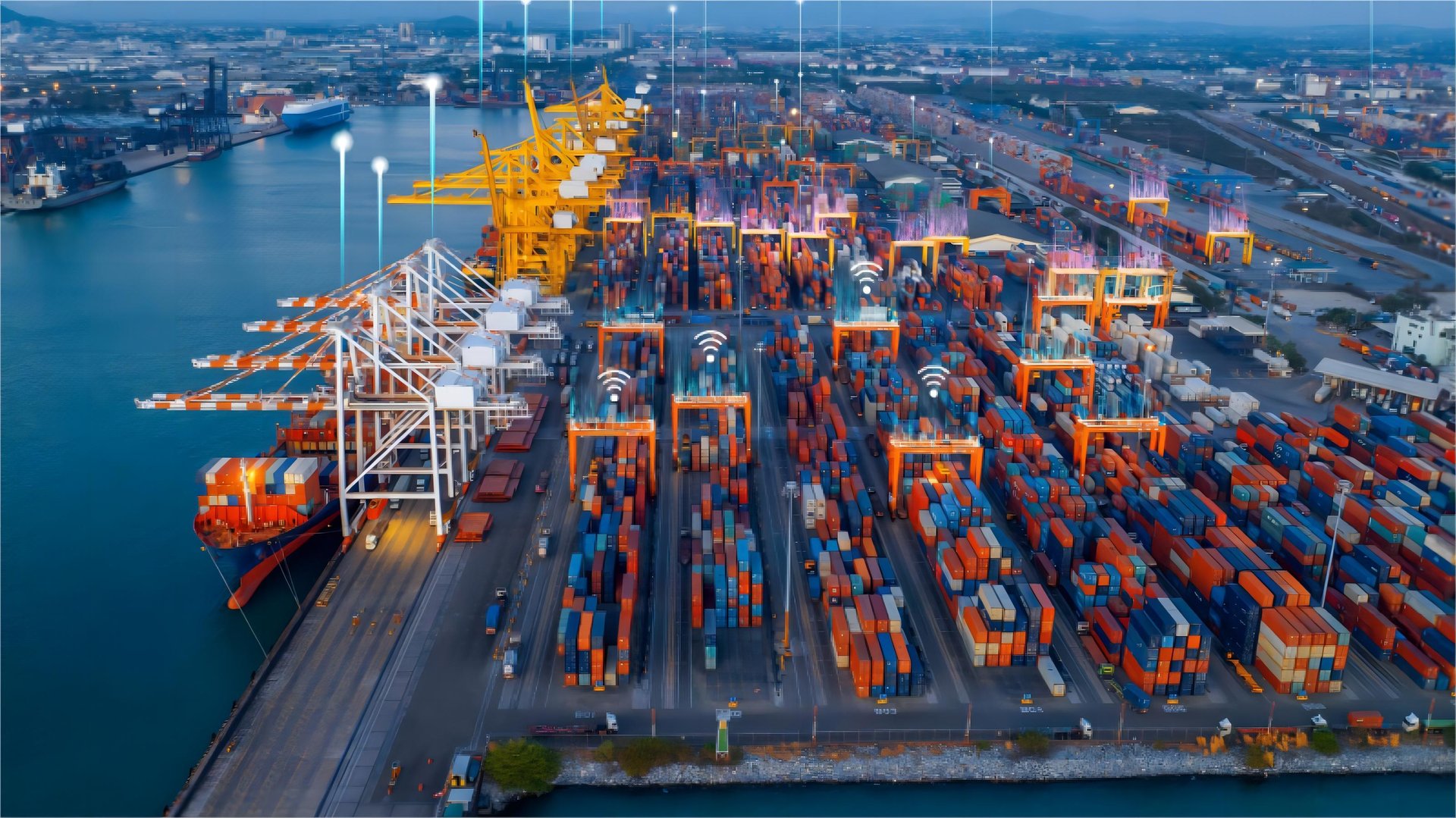
Which Option Should You Choose? Decision Framework
Determining the best China USA logistics service for your needs requires a clear understanding of your priorities. If your primary goal is budget optimization, sea freight is the undisputed winner for shipments over 2 cubic meters. However, if you are launching a new product and need to hit a specific market window, air freight is necessary.
For shipments under 15 CBM, LCL at $50-80/CBM may be more economical than a full container. Nevertheless, once you exceed that volume, the per-unit cost of an FCL shipment becomes much more attractive. Consequently, you should always calculate the break-even point before finalizing your booking with a freight forwarder.
Cargo type also plays a significant role in your decision-making process. Heavy machinery is almost always sent via sea, whereas delicate medical equipment might require the stability and speed of air transport. In addition, consider using a door to door service to minimize the number of hands touching your cargo.
Finally, consider the seasonal trends that affect the transpacific route. During the peak season from August to October, rates typically increase by 15-25% due to high demand for holiday inventory. Therefore, booking your shipments well in advance or choosing a less congested port can lead to substantial savings.
Understanding the Costs of China USA Logistics Service
The total landed cost of your goods includes far more than just the freight rate quoted by the carrier. You must account for origin charges such as terminal handling, export documentation, and trucking to the port. Moreover, destination charges like customs duties, harbor maintenance fees, and final mile delivery can add up quickly.
According to industry benchmarks for 2026, ocean freight rates have stabilized but remain sensitive to geopolitical events. It is common to see fuel surcharges fluctuate monthly, which can impact your overall shipping budget. Consequently, always request a detailed breakdown of all fees to avoid hidden costs that could erode your profits.
Import duties are another major factor, often based on the Harmonized System (HS) code of your products. Some goods may be subject to additional tariffs depending on the current trade agreements between China and the United States. Indeed, working with an experienced consultant can help you navigate these regulations and potentially find legal ways to minimize your tax burden.
Insurance is a small but vital cost that should never be overlooked in your logistics planning. For a fraction of the cargo value, you can protect your investment against loss, damage, or theft during transit. Given the risks associated with long-distance shipping, this is a prudent expense for any serious business owner.
| Route | 20GP Container | 40GP Container | 40HQ Container | Transit Time |
|---|---|---|---|---|
| China to USA West | $1,600 – $2,300 | $2,600 – $3,600 | $2,900 – $3,900 | 14-18 Days |
| China to USA East | $2,600 – $3,600 | $4,100 – $5,600 | $4,600 – $6,100 | 30-35 Days |
| China to USA Gulf | $2,400 – $3,400 | $3,800 – $5,200 | $4,200 – $5,800 | 28-32 Days |
Essential Documentation for US Customs Clearance
Proper documentation is the backbone of a smooth customs clearance process in the United States. The commercial invoice must clearly state the value, description, and origin of the goods being imported. In addition, a packing list detailing the contents of each carton is required for physical inspections by customs officers.
The Bill of Lading (BOL) serves as both a receipt for the goods and a contract of carriage. For air shipments, this document is known as the Air Waybill (AWB). Consequently, ensuring the accuracy of these documents is paramount to avoid delays at the port of entry.
Most importers will also need to secure a customs brokerage service to facilitate the legal entry of their goods. A professional broker will file the necessary entries and ensure that all duties and taxes are paid correctly. Furthermore, they can advise on whether your specific products require additional permits from agencies like the FDA or FCC.
As of 2026, the Automated Commercial Environment (ACE) system handles all electronic filings for US Customs. This digital approach has significantly speeded up the clearance process for compliant importers. However, any discrepancies in your paperwork can still lead to exams and storage fees that quickly escalate.
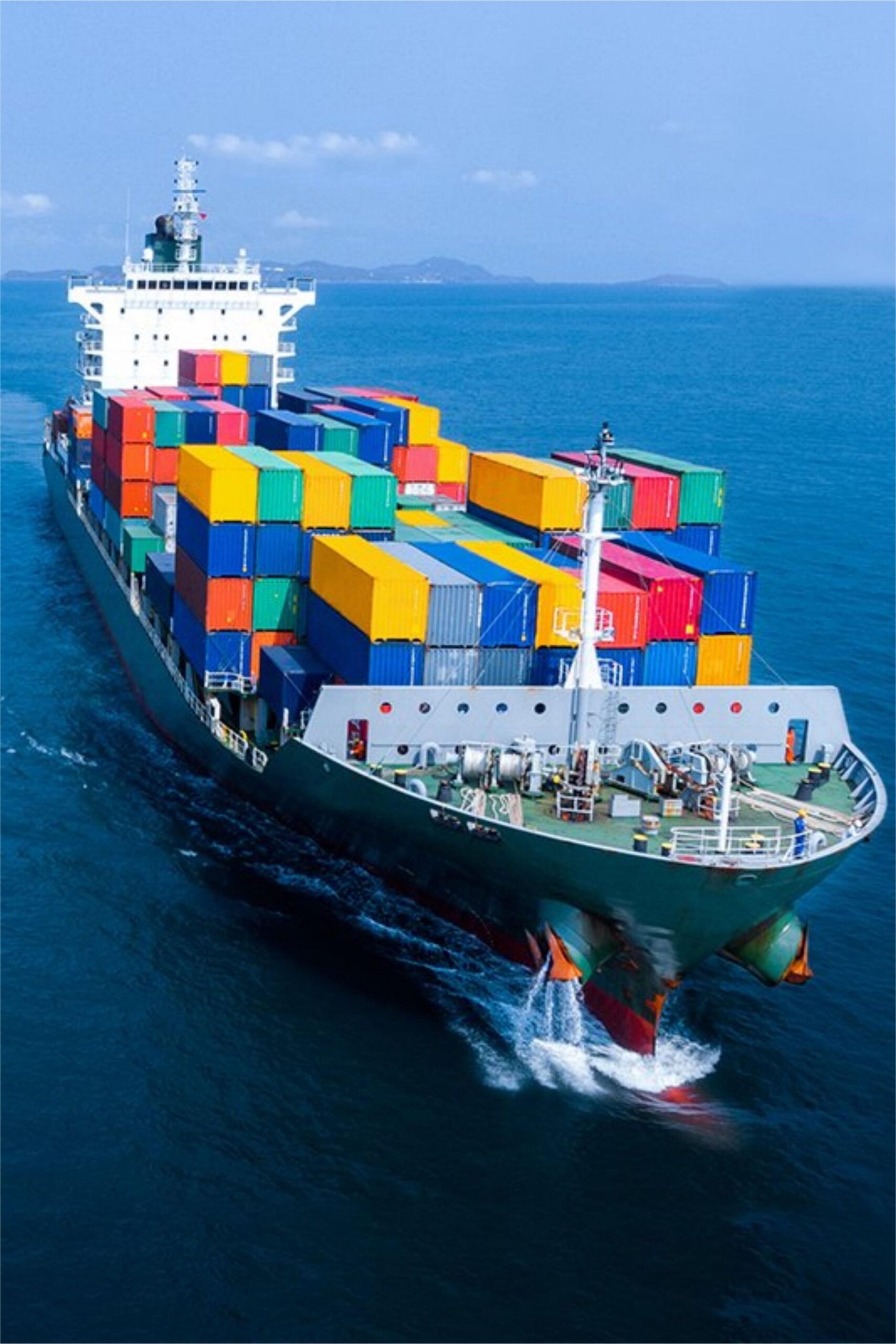
Real-World Case Studies: Successful Logistics Operations
Examining real-world examples can provide valuable insights into how a China USA logistics service operates in practice. These cases highlight the importance of choosing the right method and planning for potential challenges. Below are two scenarios based on typical shipments handled in early 2026.
Case Study 1: High-Volume Electronics. A Shenzhen-based manufacturer needed to transport 1,500 units of smart home devices to a warehouse in Los Angeles. By choosing FCL sea freight, they managed to keep their per-unit shipping cost under $2.00. Despite a minor delay at the port, the goods arrived within the 18-day window required for their product launch.
Case Study 2: Urgent Fashion Inventory. A New York boutique required a restock of seasonal apparel from a factory in Ningbo. Because the items were high-margin and time-sensitive, they opted for air freight. Although the cost was significantly higher than sea transport, the 5-day delivery allowed them to capture the peak shopping weekend, resulting in a 300% return on their logistics investment.
Case Study 3: Furniture Distribution. A retailer moved three 40HQ containers of home office furniture from Qingdao to Savannah. By utilizing the all-water route to the East Coast, they avoided the high trucking costs associated with cross-country transport. Consequently, they maintained a competitive price point for their customers while ensuring a steady supply of inventory.
Case Study Details
Case Study 1: Electronics from Shenzhen to Los Angeles Route: Shenzhen, China to Los Angeles, USA Cargo: Smart Home Devices, 68 CBM, 12,000 kg Container: 40HQ Shipping Details: – Carrier: Major Ocean Carrier – Port of Loading: Shenzhen – Port of Discharge: Long Beach – Route Type: Direct Cost Breakdown: – Ocean Freight: $3,200 – Origin Charges: $450 – Destination Charges: $600 – Customs and Duties: $1,200 – Total Landed Cost: $5,450 Timeline: – Booking to Loading: 3 days – Sea Transit: 15 days – Customs Clearance: 2 days – Total Door-to-Door: 20 days Key Insight: Direct sea routes to the West Coast remain the most cost-effective for high-volume electronics.
Case Study 2: Furniture from Ningbo to Savannah Route: Ningbo, China to Savannah, USA Cargo: Office Furniture, 28 CBM, 8,500 kg Container: 20GP Shipping Details: – Carrier: Major Ocean Carrier – Port of Loading: Ningbo – Port of Discharge: Savannah – Route Type: All-water via Panama Canal Cost Breakdown: – Ocean Freight: $2,900 – Origin Charges: $400 – Destination Charges: $750 – Customs and Duties: $900 – Total Landed Cost: $4,950 Timeline: – Booking to Loading: 4 days – Sea Transit: 32 days – Customs Clearance: 3 days – Total Door-to-Door: 39 days Key Insight: Using East Coast ports directly can save significant inland trucking costs for heavy goods.
Final Thoughts on Navigating China USA Logistics
In conclusion, mastering your China USA logistics service requires a blend of strategic planning and the right partnerships. By understanding the differences between sea and air freight, you can make informed decisions that balance cost and speed. Moreover, staying updated on customs regulations and market trends will help you avoid common pitfalls and delays.
As the global trade environment continues to shift, flexibility remains your greatest asset. Whether you are a small e-commerce seller or a large industrial manufacturer, the principles of efficient logistics stay the same. Invest in quality shipping services today to secure your supply chain for the future.

Need a tailored shipping solution?
Optimizing your China USA logistics service is the key to sustainable growth in 2026. Whether you need urgent air freight or cost-effective sea containers, our team is ready to provide a tailored solution for your business. Contact us today to receive a competitive quote and experience the difference of a professional freight forwarding partner. Send Inquiry to get started on your next shipment.