
Container Freight China to USA Price: 2026 Shipping Guide
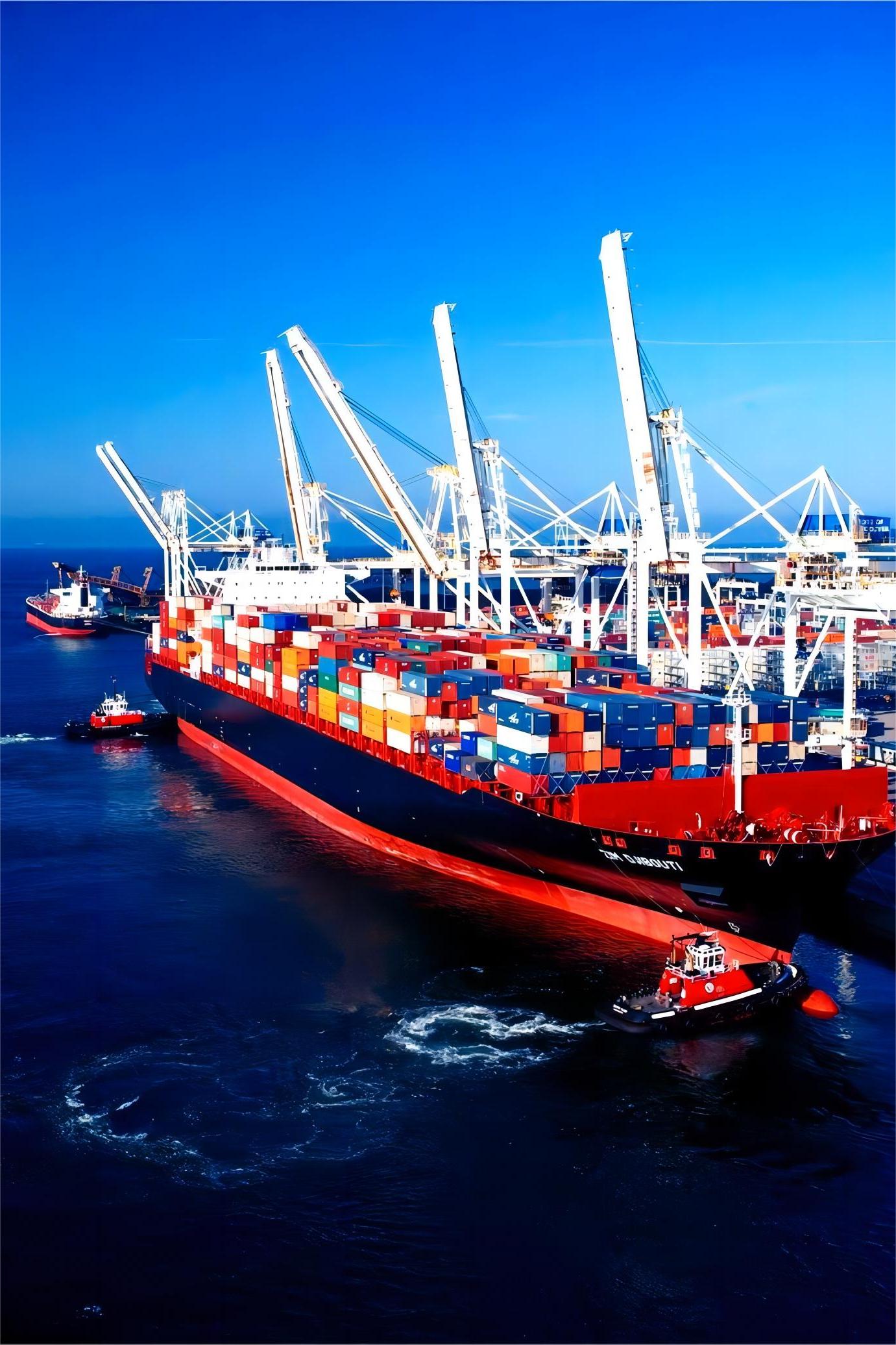
Navigating the complexities of international logistics requires a clear understanding of the current market variables. Finding a competitive container freight China to USA price involves balancing speed, reliability, and cost-effectiveness for your business. By partnering with a professional freight forwarder like Top China Freight, importers can streamline their supply chain operations significantly. This guide provides a comprehensive breakdown of the costs and strategies involved in transpacific shipping for 2026.
What Factors Determine Container Freight China to USA Price in 2026?
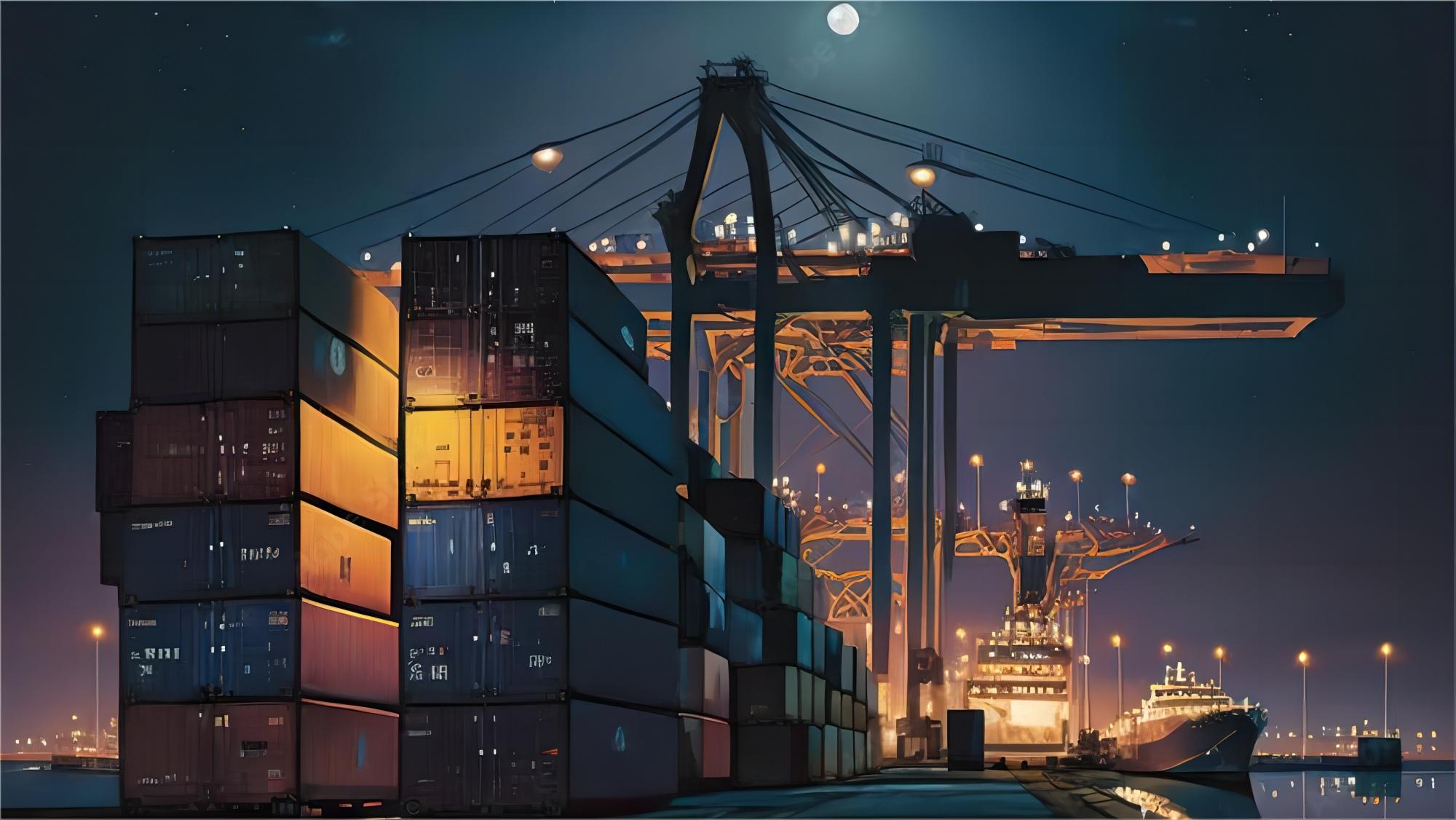
Several variables influence the final quote you receive from carriers when shipping across the Pacific. Fuel prices and port capacity remain primary drivers of volatility in the 2026 market. Additionally, seasonal demand spikes during the Golden Week and Lunar New Year often lead to sudden rate hikes. Therefore, planning your shipments well in advance is essential for securing lower rates.
Port selection also plays a massive role in the total landed cost of your goods. Shipping to the US West Coast is generally cheaper than the East Coast due to the shorter distance. Furthermore, inland infrastructure and trucking availability at the destination port can impact the final delivery price. Consequently, choosing a less congested port might save you money on drayage fees.
Container availability and equipment imbalances continue to affect the global supply chain. When demand for exports from China outweighs the return of empty containers, prices inevitably rise. In addition, carrier alliances often adjust their blank sailing schedules to manage capacity and maintain price levels. Understanding these market dynamics helps you time your bookings for maximum savings.
Current Market Trends: Ocean Freight Rates from China to USA
As of Q1 2026, the logistics landscape has stabilized following previous global disruptions. Ocean freight rates from China to the USA are currently reflecting a more balanced supply-demand ratio. However, importers must stay vigilant about potential labor negotiations at major US ports which can cause delays. Indeed, market intelligence suggests that rates will remain steady through the first half of the year.
Environmental regulations are also starting to impact the container freight China to USA price. New carbon emission standards for maritime vessels have led to the implementation of green surcharges by major carriers. Meanwhile, the adoption of digital booking platforms is making pricing more transparent for small and medium enterprises. As a result, shippers can now compare quotes more easily than in previous years.
| Route | 20GP Container | 40GP Container | 40HQ Container |
| Route | 20GP Container | 40GP Container | 40HQ Container |
| Route | 20GP Container | 40GP Container | 40HQ Container |
Comparing FCL and LCL Shipping Costs
Choosing between Full Container Load and Less than Container Load is a critical financial decision for your business. For larger shipments, sea freight via FCL offers the lowest per-unit cost and better security. Conversely, LCL is more suitable for smaller volumes but involves higher handling fees at the container freight station. Specifically, if your cargo exceeds 15 cubic meters, FCL usually becomes the more economical choice.
LCL shipping requires your goods to be consolidated with other shippers’ cargo, which can increase transit time. This process involves additional steps like loading and unloading at multiple warehouses. Moreover, the risk of damage or loss is slightly higher in LCL due to the extra handling involved. Nevertheless, LCL remains a vital option for startups and businesses with low-volume inventory needs.
FCL provides you with the exclusive use of a 20ft or 40ft container, ensuring your goods stay together. This method simplifies the customs clearance process since the container only holds one shipment. Additionally, FCL allows for faster transit as the container goes directly from the port of loading to the port of discharge. Without a doubt, high-volume importers should prioritize FCL to maximize their logistics budget.
How Does Sea Freight Compare to Other Shipping Options?
While ocean transport is the most common method, it is not always the best fit for every shipment. If you have urgent cargo with high value, air freight provides significantly faster delivery times. However, the cost of air transport can be five to ten times higher than sea freight for the same volume. Therefore, businesses must weigh the cost of inventory holding against the speed of delivery.
Hybrid solutions like sea-air combinations are gaining popularity as a middle-ground strategy. These services involve shipping goods by sea to a hub like Dubai or Singapore and then flying them to the USA. In contrast, direct express services are best for small parcels or samples that need to arrive within a few days. Each method has specific trade-offs regarding cost, speed, and environmental impact.
| Best For | Cost Range | Transit Time | Shipping Method |
| Best For | Cost Range | Transit Time | Shipping Method |
| Best For | Cost Range | Transit Time | Shipping Method |
| Best For | Cost Range | Transit Time | Shipping Method |
Transit Times and Their Impact on Pricing
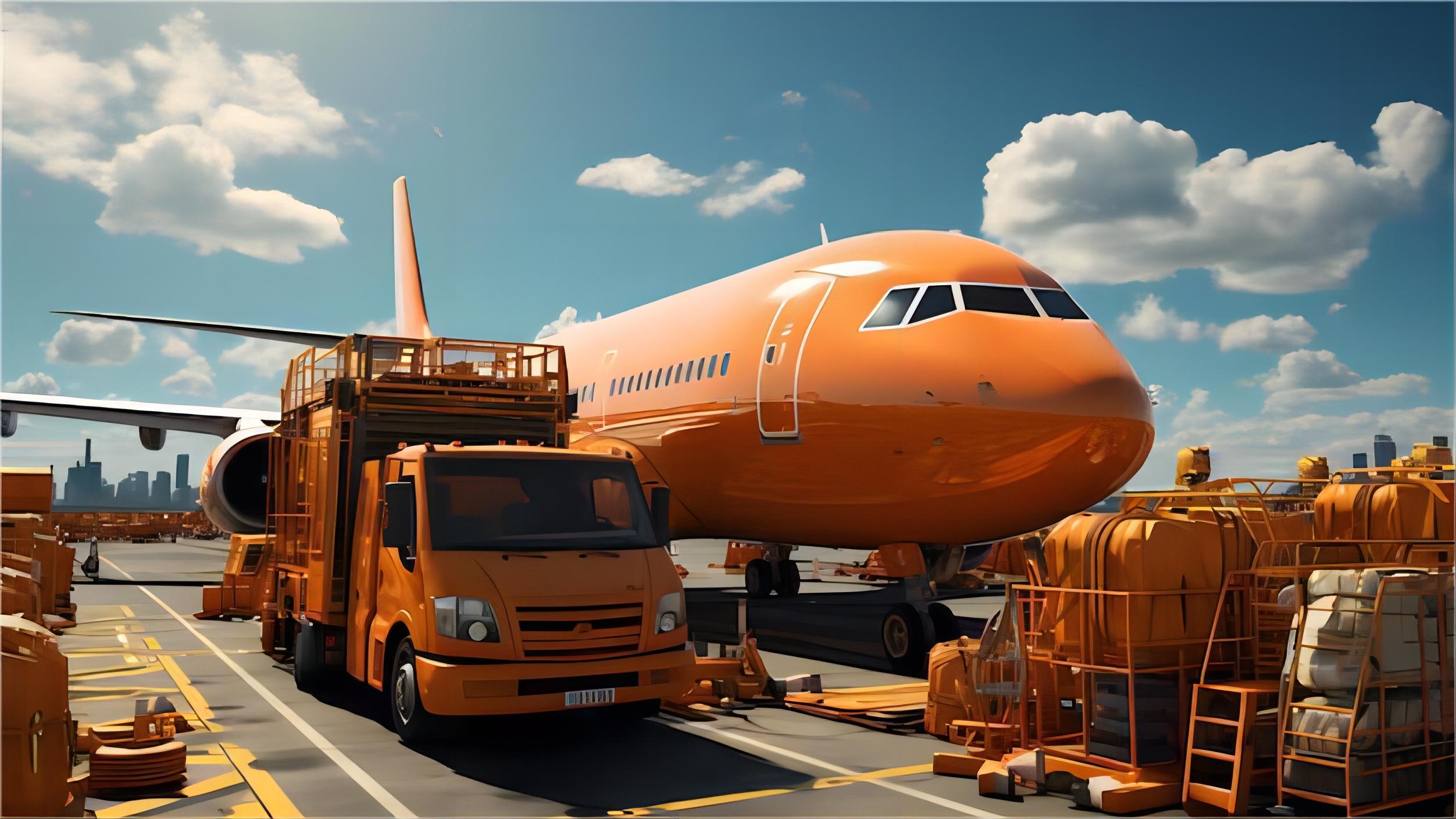
The duration of your shipment directly correlates with the container freight China to USA price you pay. Faster direct routes to the West Coast typically command a premium compared to slower transshipment routes. Furthermore, many e-commerce sellers using Amazon FBA require guaranteed delivery dates to avoid stockouts. Consequently, they may opt for premium ocean services that offer priority unloading and faster gate-out times.
Transit times vary significantly depending on whether you ship to Los Angeles or New York. A direct vessel to the West Coast might take 14 to 18 days, while the East Coast can take over 30 days. In addition, weather conditions and seasonal port congestion can add several days to the estimated schedule. To summarize, you should always build a buffer into your supply chain timeline to account for unexpected delays.
Hidden Costs: Customs Brokerage and Port Fees
The ocean freight rate is only one part of the total container freight China to USA price equation. Importers must also account for customs brokerage fees and government duties. For instance, the HTS classification of your products determines the duty rate, which can range from 0% to over 25%. Moreover, port terminal handling charges and documentation fees can add hundreds of dollars to your final bill.
Demurrage and detention fees are among the most common hidden costs in international shipping. These charges occur when containers are not picked up or returned to the port within the allotted free time. Therefore, coordinating your inland trucking efficiently is crucial for avoiding these expensive penalties. Indeed, working with an experienced logistics partner can help you navigate these complexities and minimize extra expenses.
Real-World Shipping Case Studies
Case Study 1: Electronics from Shenzhen to Los Angeles. Route: Shenzhen to Port of LA. Cargo: Consumer electronics, 28 CBM. Container: 40GP. Shipping Details: Carrier: COSCO, Route: Direct. Cost Breakdown: Ocean Freight: $2,850, Origin Charges: $350, Destination Charges: $550, Customs: $1,200. Total Landed Cost: $4,950. Timeline: 16 days sea transit, 22 days door-to-door. Key Insight: Using a direct route saved 5 days and avoided transshipment risks.
Case Study 2: Furniture from Ningbo to Savannah. Route: Ningbo to Port of Savannah. Cargo: Wooden furniture, 65 CBM. Container: 40HQ. Shipping Details: Carrier: Maersk, Route: Via Panama Canal. Cost Breakdown: Ocean Freight: $4,800, Origin Charges: $400, Destination Charges: $700, Customs: $1,800. Total Landed Cost: $7,700. Timeline: 32 days sea transit, 40 days door-to-door. Key Insight: Booking 4 weeks early during peak season secured a rate 15% below the market average.
Which Option Should You Choose? Decision Framework
Selecting the right shipping strategy depends on your specific business priorities and cargo characteristics. If your primary goal is cost reduction, sea freight to the West Coast followed by rail transport is often the best choice. On the other hand, if you need to maintain high inventory turnover, air freight or premium ocean services are more appropriate. Specifically, businesses should evaluate their volume thresholds before committing to a specific container size.
For those seeking a hassle-free experience, door to door shipping provides the most comprehensive solution. This service handles everything from the factory pickup to the final delivery at your warehouse. Although it may have a higher upfront cost, it reduces the administrative burden and the risk of communication errors. Ultimately, the right choice balances the cost of transport with the value of your time and peace of mind.
| Benefit | Priority | Trade-off | Recommended Option |
| Benefit | Priority | Trade-off | Recommended Option |
| Benefit | Priority | Trade-off | Recommended Option |
Final Thoughts on Shipping from China to the USA
Understanding the nuances of the container freight China to USA price is essential for maintaining a healthy bottom line in 2026. While market rates fluctuate based on global economic conditions, strategic planning and expert partnerships can mitigate these risks. By considering factors like port selection, container type, and hidden fees, you can make informed decisions that benefit your business.
Furthermore, staying updated on industry trends and seasonal patterns allows you to time your shipments more effectively. Whether you choose sea freight, air freight, or a hybrid solution, the key is to prioritize transparency and reliability. We recommend always getting a current quote tailored to your specific shipment needs to ensure accuracy and cost-efficiency.
Start Your Shipment
To secure the most competitive container freight China to USA price for your next shipment, contact our experts today. We provide personalized quotes that align with your specific budget and timeline requirements. Visit our website to request your free freight analysis and optimize your logistics strategy for 2026.
Request Quote