

Cargo Shipping Quote China to USA: 2026 Guide to Freight Rates
Securing a competitive cargo shipping quote China to USA is essential for businesses looking to maintain healthy profit margins in the 2026 market. Navigating the complexities of international logistics requires a deep understanding of freight variables, customs regulations, and current carrier capacities. Top China Freight provides comprehensive solutions tailored to your specific supply chain needs, ensuring your goods arrive safely and on time. By analyzing current market trends and transit options, you can make informed decisions that streamline your import operations and reduce unnecessary overhead expenses.

How Does Sea Freight Compare to Other Shipping Options?
Evaluating different transportation modes is the first step in optimizing your logistics strategy for the North American market. While ocean transport remains the most popular choice for bulk goods, other alternatives offer specific advantages depending on your timeline and budget requirements. Consequently, understanding the trade-offs between speed and cost is vital for successful inventory management.
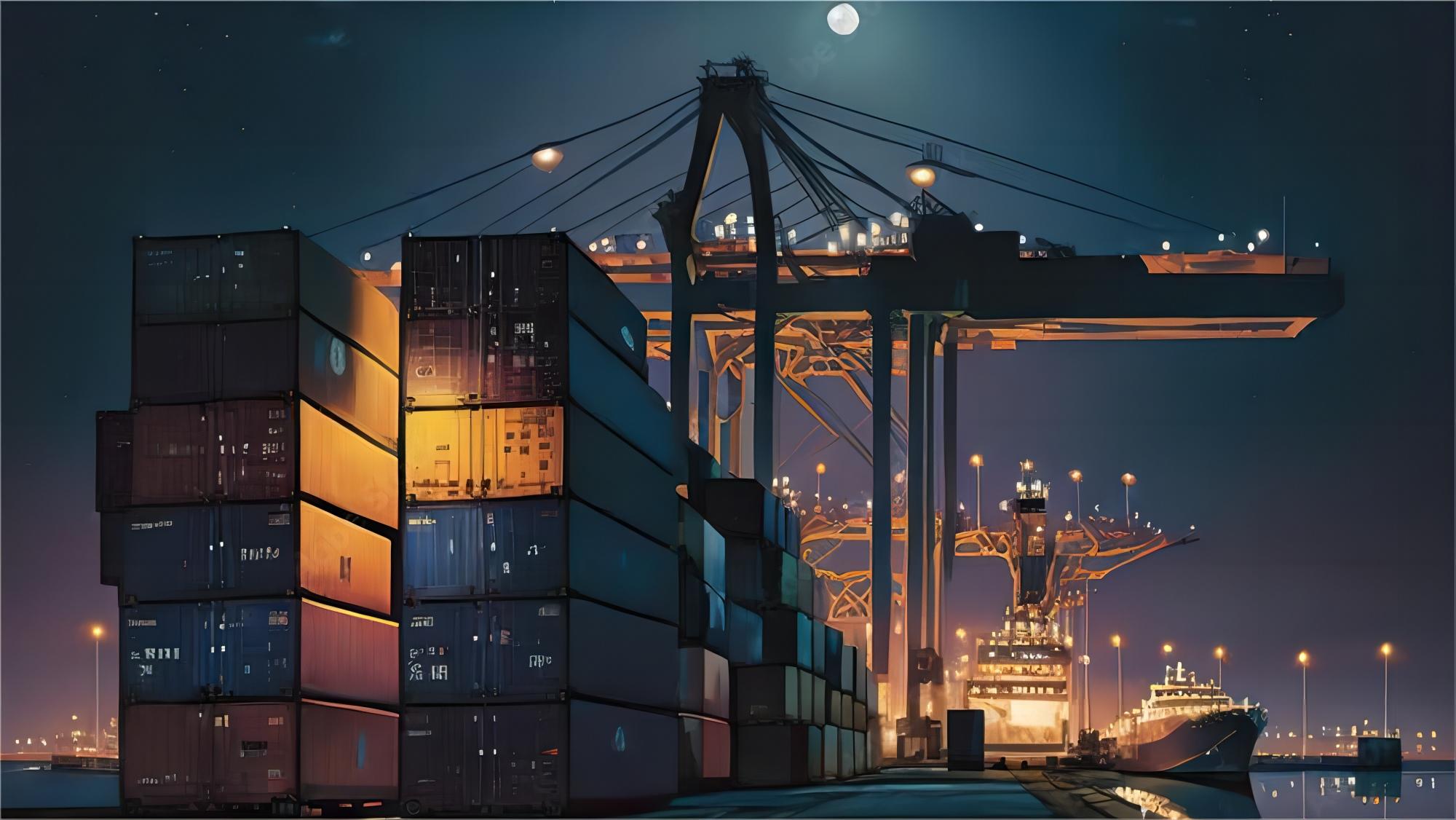
Sea freight offers the lowest cost per unit for large volumes but involves longer transit times compared to air or express services. In contrast, air freight provides rapid delivery for high-value or perishable items, though it comes at a significant price premium. Meanwhile, hybrid solutions like sea-air combinations are gaining traction in 2026 as a way to balance costs and delivery speed.
Moreover, the choice between Full Container Load (FCL) and Less than Container Load (LCL) significantly impacts your overall freight expenditure. For shipments exceeding 15 cubic meters, FCL is generally more economical and offers better security for your cargo. However, LCL remains a flexible option for smaller batches that do not require a dedicated container.
| Shipping Method | Cost Range (2026) | Transit Time | Best For |
|---|---|---|---|
| Sea Freight (FCL) | $1,800 – $4,500 | 18 – 35 Days | Bulk cargo and large volumes |
| Sea Freight (LCL) | $60 – $120 per CBM | 22 – 40 Days | Small shipments under 15 CBM |
| Air Freight | $4.50 – $8.50 per kg | 3 – 7 Days | High-value or urgent goods |
| Express Service | $7.00 – $12.00 per kg | 2 – 5 Days | Samples and small parcels |
Why You Need an Accurate Cargo Shipping Quote China to USA
Requesting a precise cargo shipping quote China to USA allows you to forecast landed costs with high accuracy. Hidden fees and unexpected surcharges can quickly erode your margins if they are not accounted for during the initial planning phase. Therefore, transparency in your freight documentation is the cornerstone of a reliable partnership with your logistics provider.
A detailed quote should encompass ocean freight, fuel surcharges, terminal handling charges, and documentation fees. Additionally, you must consider inland haulage costs from the factory to the port of loading in China. By obtaining a comprehensive breakdown, you can identify areas where cost-saving measures might be implemented without compromising service quality.
Furthermore, 2026 market intelligence suggests that freight rates are becoming more volatile due to fluctuating fuel prices and port congestion. Consequently, locking in a quote early can protect your business from sudden price spikes during peak shipping seasons. Indeed, proactive planning is the most effective way to manage your international shipping budget.
Analyzing Sea Freight Options: FCL versus LCL
Choosing between FCL and LCL is a pivotal decision that affects both your budget and the safety of your goods. Sea freight continues to be the backbone of global trade, especially for heavy industrial equipment and consumer electronics. Understanding the nuances of these two methods will help you select the most efficient path for your inventory.
Full Container Load (FCL) involves renting an entire 20-foot or 40-foot container for your exclusive use. This method is typically faster because it avoids the consolidation and deconsolidation processes required for mixed shipments. Moreover, FCL reduces the risk of damage since your cargo is not handled alongside goods from other shippers.
On the other hand, Less than Container Load (LCL) is ideal for businesses that do not have enough volume to fill a whole container. Although the cost per cubic meter is slightly higher, the total price is often lower for small shipments. Nevertheless, you should factor in an additional 5 to 7 days for the consolidation process at the origin and destination ports.
When to Choose Air Freight for Urgent Cargo
When time is of the essence, air freight provides the fastest transit times across the Pacific. This mode of transport is essential for launching new products, fulfilling urgent backorders, or shipping high-value electronics. Consequently, many businesses incorporate air transport into their strategy to maintain a responsive and agile supply chain.
Air cargo rates are calculated based on either actual weight or volumetric weight, whichever is greater. Therefore, optimizing your packaging to reduce excess volume can lead to significant savings on your total freight bill. Furthermore, the increased security and lower insurance premiums associated with air travel can offset some of the higher transportation costs.
However, you must be aware of the environmental impact and higher carbon footprint of air transport compared to sea freight. Many modern corporations are now balancing their use of air cargo with more sustainable shipping methods to meet corporate social responsibility goals. Accordingly, air freight should be used strategically for specific high-priority shipments rather than as a default option.
The Role of Customs Brokerage in Global Trade
Navigating the complexities of US Customs and Border Protection (CBP) requires specialized knowledge and attention to detail. Utilizing a professional customs brokerage service ensures that your documentation complies with all current regulations. As a result, you can avoid costly delays, fines, and potential seizures of your imported goods.
Correct classification of your products using the Harmonized Tariff Schedule (HTS) is critical for determining the correct duty rates. Mistakes in classification can lead to overpayment of duties or legal issues with customs authorities. Additionally, your broker will manage the payment of harbor maintenance fees and merchandise processing fees on your behalf.
Moreover, 2026 has seen an increase in automated customs filing requirements, making digital integration more important than ever. Consequently, working with a forwarder who utilizes advanced logistics software will streamline the clearance process. Indeed, efficient customs handling is just as important as the physical transportation of your cargo.
2026 Freight Rate Trends and Market Intelligence
As of early 2026, freight rates from China to the USA have reached a period of relative stability following the disruptions of previous years. Market data suggests that carrier capacity has increased, leading to more competitive pricing for major shipping lanes. Nevertheless, seasonal peaks during the lunar new year and the late summer months still cause temporary rate hikes.
Digitalization in the logistics industry is also driving down costs by improving operational efficiency and visibility. For instance, real-time tracking and automated quoting systems allow shippers to make faster decisions and reduce administrative overhead. Furthermore, the adoption of green fuels by major carriers is beginning to influence pricing structures through environmental surcharges.
Typical rates as of Q1 2026 for a 40HQ container from Shanghai to Los Angeles range between $2,800 and $3,800. In contrast, shipping to the US East Coast via the Panama Canal currently costs between $4,500 and $6,000. Note: Freight rates are subject to change based on fuel costs, carrier capacity, and seasonal demand. Contact us for a current quote tailored to your specific shipment.
Real Case Studies: Successful Shipments in 2026
Case Study 1: Electronics Distribution. Route: Shenzhen, China to Los Angeles, USA. Cargo: Consumer electronics, 25 CBM, 4,500 kg. Container: 40GP. Shipping Details: Carrier: COSCO. Port of Loading: Shenzhen. Port of Discharge: Los Angeles. Route Type: Direct. Cost Breakdown: Ocean Freight: $2,400. Origin Charges: $450. Destination Charges: $600. Customs and Duties: $1,200. Total Landed Cost: $4,650. Timeline: Booking to Loading: 3 days. Sea Transit: 16 days. Customs Clearance: 2 days. Total Door-to-Door: 21 days. Key Insight: Utilizing a direct route saved 5 days compared to transshipment options.
Case Study 2: E-commerce Fulfillment. Route: Ningbo, China to New York, USA. Cargo: Home decor products, 12 CBM, 2,200 kg. Container: LCL. Shipping Details: Carrier: Major carrier. Port of Loading: Ningbo. Port of Discharge: New York. Route Type: Transshipment via Singapore. Cost Breakdown: Ocean Freight: $1,080. Origin Charges: $300. Destination Charges: $550. Customs and Duties: $800. Total Landed Cost: $2,730. Timeline: Booking to Loading: 5 days. Sea Transit: 32 days. Customs Clearance: 3 days. Total Door-to-Door: 40 days. Key Insight: LCL was the most cost-effective solution for this mid-sized volume despite the longer transit time.

Which Option Should You Choose? Decision Framework
Selecting the right shipping method requires a balanced evaluation of your budget, cargo type, and delivery deadlines. If your primary goal is cost reduction and you have flexible timelines, sea freight is undoubtedly the superior choice. However, if you are dealing with seasonal goods that must hit shelves immediately, air freight or express shipping is necessary.
For shipments destined for Amazon warehouses, using a specialized Amazon FBA service can simplify the labeling and appointment scheduling requirements. Additionally, considering a door to door solution can reduce the logistical burden on your team by managing the entire process from the factory to the final destination. This comprehensive approach often results in fewer communication errors and faster overall delivery.
Ultimately, your decision should be based on the total landed cost rather than just the initial freight quote. Factoring in insurance, duties, and inland trucking will provide a clearer picture of your actual investment. Consequently, consulting with an experienced freight forwarder can help you identify the most efficient route and method for your unique business model.
Final Thoughts on Shipping from China to the USA
Successfully managing international logistics in 2026 requires a combination of strategic planning and market awareness. By understanding the factors that influence a cargo shipping quote China to USA, you can better navigate the complexities of global trade and maintain a competitive edge. Whether you choose the speed of air freight or the economy of sea transport, working with a trusted partner ensures your goods are handled with professional care.
In summary, focus on accurate documentation, clear communication with your forwarder, and a thorough analysis of all shipping alternatives. These steps will empower you to streamline your operations and achieve long-term success in the US market. Start your journey today by requesting a detailed quote and taking control of your international shipping costs.
Need a tailored shipping solution?
Optimizing your supply chain starts with a precise cargo shipping quote China to USA tailored to your business needs. Contact our team of logistics experts today to receive a comprehensive breakdown of costs and transit times for your next shipment. Visit our website to request your personalized quote and experience the reliability of Top China Freight. Send Inquiry: https://Top China Freight.net/