

China to France Shipping Quote: 2026 Costs and Freight Guide
Navigating the complexities of international trade requires a reliable china to France shipping quote to maintain a healthy bottom line. By partnering with Top China Freight, businesses can access transparent pricing and efficient logistics solutions tailored for the European market. Consequently, understanding the nuances of freight costs and transit times becomes essential for any importer looking to optimize their supply chain performance in 2026.
How Does Sea Freight Compare to Other Shipping Options?
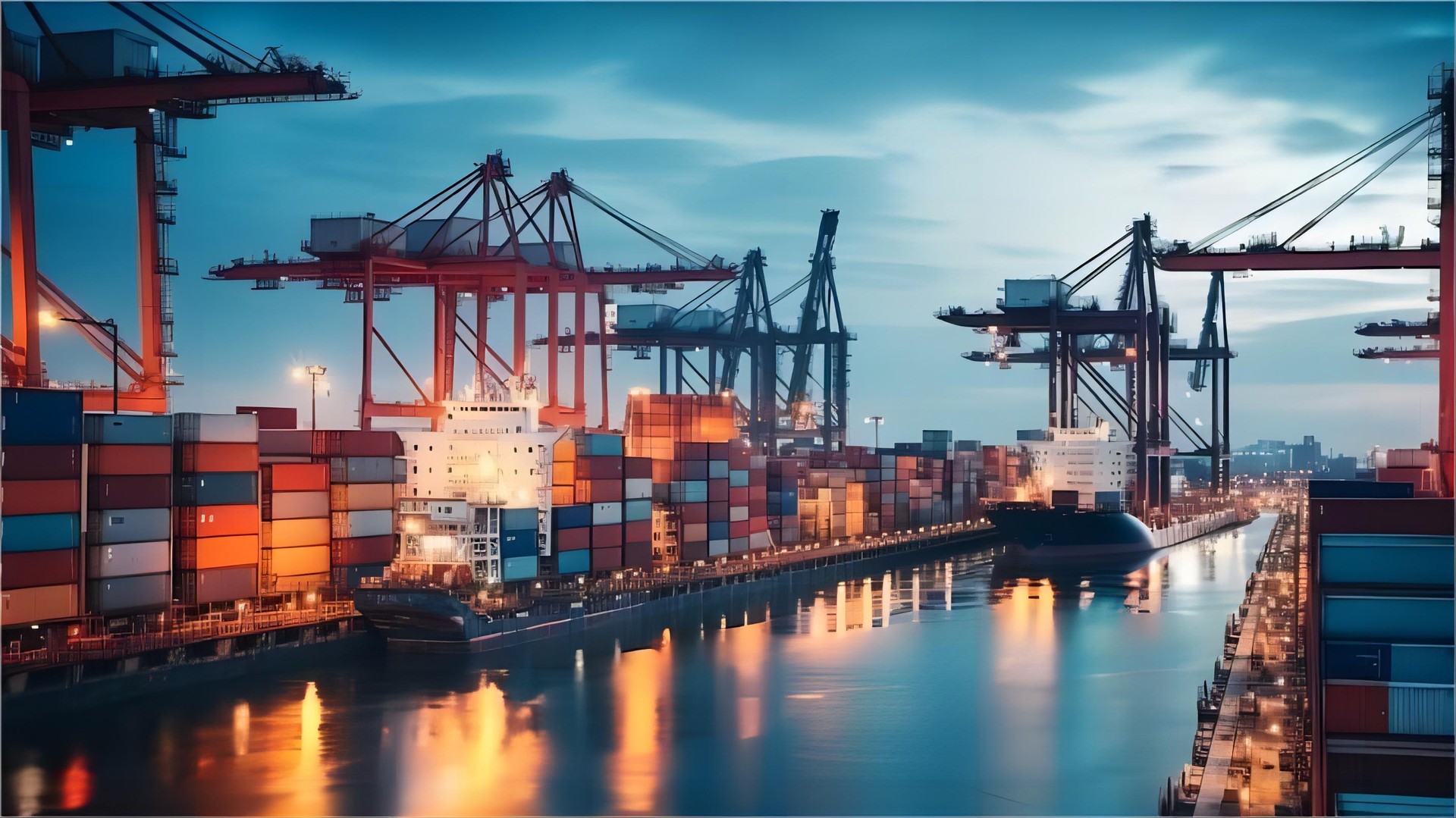
Choosing the right transportation mode involves balancing speed against total expenditure. While sea freight remains the most popular choice for high-volume shipments, it requires longer lead times compared to faster alternatives. For instance, a standard container might take over a month to reach Le Havre, whereas air freight delivers goods to Paris in less than a week.
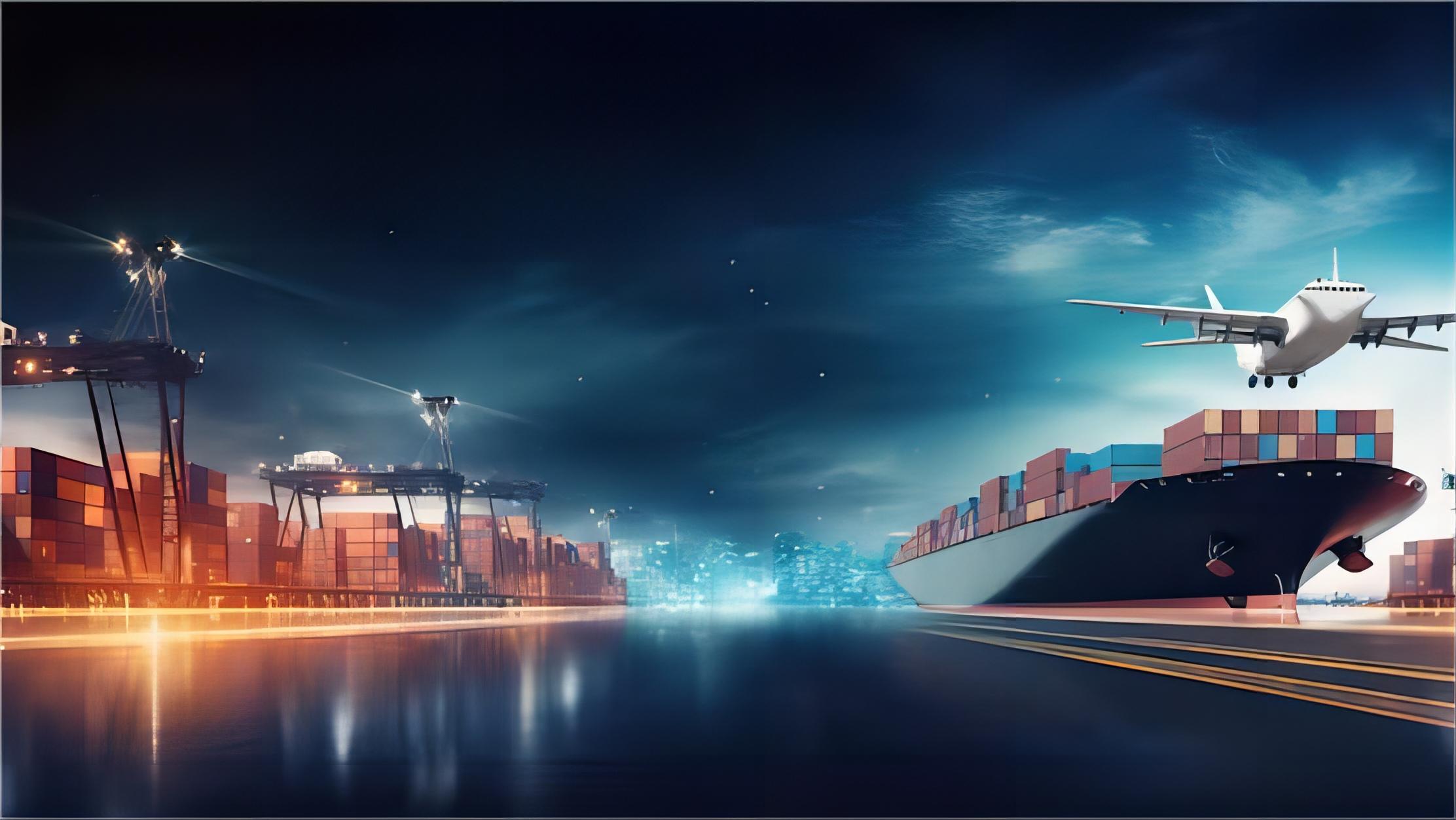
Furthermore, rail freight has emerged as a middle-ground solution, offering faster transit than the sea at a lower price point than air. This method utilizes the extensive Eurasian rail networks to move cargo efficiently across continents. Additionally, businesses must consider the specific requirements of their cargo, such as temperature control or hazardous material handling, which may dictate the feasible shipping method.
Market data from early 2026 suggests that sea freight rates have stabilized, although seasonal fluctuations still occur during peak periods. Consequently, importers should analyze the following comparison to determine which strategy aligns best with their commercial objectives.
| Shipping Method | Cost Range (USD) | Transit Time | Best For |
|---|---|---|---|
| Sea Freight (FCL) | $3,200 – $4,500 | 30-40 Days | Bulk goods and large volumes |
| Rail Freight | $1,800 – $2,800 | 18-24 Days | Medium-sized urgent shipments |
| Air Freight | $5.50 – $9.00/kg | 3-7 Days | High-value or perishable items |
| Express Courier | $9.00 – $15.00/kg | 2-4 Days | Small samples and documents |
Which Option Should You Choose for Your French Imports?
Determining the most suitable logistics path depends heavily on your budget priority and delivery schedule. If your primary goal is cost minimization for non-urgent inventory, sea freight is undoubtedly the superior selection. On the other hand, if you are launching a new product line with a strict deadline, the speed of air transport justifies the higher investment.
Moreover, volume thresholds play a significant role in decision-making. For shipments under 15 CBM, LCL shipping rates China to France often prove more economical than booking a full container. However, once your volume exceeds this limit, FCL becomes more cost-effective due to the lower rate per cubic meter. Therefore, analyzing your specific volume is a critical step in requesting an accurate china to France shipping quote.
Hybrid solutions also offer a strategic advantage for savvy importers. For example, combining sea transport to a regional hub with rail delivery to the final destination can optimize both cost and speed. Meanwhile, many companies are now utilizing customs brokerage services to ensure that their chosen method does not face unnecessary delays at the border.
Key Factors Influencing Your China to France Shipping Quote
Several variables contribute to the final price you see on a freight estimate. Fuel surcharges, often referred to as BAF, fluctuate based on global oil prices and can significantly impact long-haul sea routes. Additionally, peak season surcharges typically apply from August through October as retailers prepare for the winter holidays in Europe.
Container availability at major Chinese ports like Shanghai or Ningbo also dictates current market rates. When equipment is scarce, prices naturally rise due to high demand. Furthermore, the specific port of discharge in France affects the inland haulage costs. Shipping to Le Havre might be cheaper for northern destinations, while Marseille is more efficient for southern regions like Lyon.
Documentation accuracy is another indirect factor that influences total costs. Errors in the bill of lading or commercial invoice can lead to expensive demurrage and detention fees at the port. Consequently, ensuring all paperwork is compliant with French customs regulations is vital for maintaining your budget.
| French Port | Transit from Shanghai | Primary Region | Typical Handling Fee |
|---|---|---|---|
| Le Havre | 32 Days | Paris / Northern France | $250 – $400 |
| Marseille | 28 Days | Southern France / Lyon | $280 – $450 |
| Fos-sur-Mer | 29 Days | Industrial South | $260 – $420 |
| Dunkerque | 35 Days | Border Regions | $300 – $500 |
Real-World Case Studies: Shipping from China to France
Case Study 1: Electronics Distribution to Paris. Route: Shenzhen, China to Paris, France via Le Havre. Cargo: Consumer electronics, 28 CBM, 4,500 kg. Container: 1x40GP. Shipping Details: Direct sea freight via major carrier. Port of Loading: Shenzhen. Port of Discharge: Le Havre. Cost Breakdown: Ocean Freight: $3,850; Origin Charges: $320; Destination Charges: $450; Customs and Duties: $1,200; Total Landed Cost: $5,820. Timeline: Booking to Loading: 4 days; Sea Transit: 33 days; Customs Clearance: 2 days; Total Door-to-Door: 42 days. Key Insight: Early booking during the 2026 Q1 period secured a rate 15% below the seasonal average.
Case Study 2: Textile Import for Fashion Season. Route: Yiwu, China to Lyon, France. Cargo: Apparel and accessories, 8 CBM, 1,200 kg. Container: LCL. Shipping Details: Rail freight via the Silk Road. Port of Loading: Xi’an Terminal. Port of Discharge: Lyon Terminal. Cost Breakdown: Rail Freight: $1,950; Origin Charges: $210; Destination Charges: $380; Customs and Duties: $850; Total Landed Cost: $3,390. Timeline: Booking to Loading: 3 days; Rail Transit: 21 days; Customs Clearance: 3 days; Total Door-to-Door: 30 days. Key Insight: Rail freight provided a 12-day advantage over sea freight, allowing the client to meet the retail launch date.
Case Study 3: Urgent Medical Equipment. Route: Shanghai, China to Marseille, France. Cargo: Specialized medical devices, 2 CBM, 400 kg. Shipping Details: Air freight. Port of Loading: Shanghai Pudong. Port of Discharge: Marseille Provence. Cost Breakdown: Air Freight: $2,800; Origin Charges: $150; Destination Charges: $220; Customs and Duties: $600; Total Landed Cost: $3,770. Timeline: Booking to Loading: 1 day; Air Transit: 2 days; Customs Clearance: 1 day; Total Door-to-Door: 6 days. Key Insight: Utilizing door to door shipping simplified the logistics for this time-sensitive cargo.
How to Reduce Your Total Landed Cost
Lowering your expenses requires a proactive approach to logistics management. One effective strategy is consolidating multiple small orders into a single LCL shipment to reduce per-unit handling fees. Additionally, optimizing your packaging can help you fit more goods into a standard container, effectively lowering your FCL container costs 2026.
Negotiating Incoterms with your supplier is another crucial step. For instance, moving from EXW to FOB terms can give you more control over the international freight portion of the journey. Furthermore, staying informed about the latest logistics trends allows you to anticipate rate hikes and book your shipments during off-peak windows.
Indeed, working with an experienced freight forwarder can uncover hidden savings in your supply chain. They can provide advice on tariff classifications that might reduce your import taxes from China to France. Moreover, automated tracking systems help prevent costly delays by providing real-time visibility into your cargo’s location.
Essential Customs Documentation for French Imports
Clearing customs in France requires a specific set of documents to avoid penalties and delays. The Commercial Invoice must clearly state the value, description, and HS codes for all items. Meanwhile, the Packing List provides details on the weight and dimensions of the cargo, which is essential for port handling.
A Bill of Lading serves as the contract of carriage and a title to the goods. For certain products, a Certificate of Origin may be required to qualify for specific trade agreements or to comply with EU regulations. Additionally, the EORI number is a mandatory requirement for any business importing goods into the European Union.
Failure to provide accurate documentation can result in your shipment being held at the border for extended periods. Therefore, double-checking all paperwork before the vessel departs China is a fundamental practice for successful importing. Many businesses find that outsourcing this task to professionals ensures a smoother transition through the Port of Le Havre or Marseille.
Final Thoughts on Shipping to France
Successfully managing imports from China to France in 2026 requires a deep understanding of the available shipping methods and their associated costs. Whether you choose the speed of air freight or the economy of sea transport, obtaining a detailed china to France shipping quote is the first step toward a profitable operation.
In summary, by considering factors like transit time, cargo volume, and customs requirements, you can make informed decisions that enhance your competitive edge. Always remember to monitor market trends and maintain flexibility in your logistics strategy to adapt to the ever-changing global trade environment.
Get Your Shipping Quote Today
Ready to optimize your European supply chain with a competitive china to France shipping quote? Contact our expert team today to receive a customized freight solution that meets your specific budget and timeline requirements. Visit our inquiry page to start your shipment: Send Inquiry
Request Quote