

Cheap Shipping China to France: 2026 Freight Cost Guide
Finding cheap shipping china to France is a priority for many businesses seeking to optimize their international trade operations in 2026. Navigating the complexities of global logistics requires a deep understanding of various transport modes and pricing structures. This comprehensive guide outlines the most cost-effective strategies for moving cargo efficiently while maintaining a reliable delivery schedule. Consequently, importers can better manage their budgets and ensure their supply chains remain competitive in the modern market.

What is the Cheapest Way to Ship from China to France?
Sea freight remains the most economical choice for transporting large volumes of goods over long distances in 2026. However, the best option often depends on the specific volume, weight, and urgency of your shipment. Additionally, businesses must consider the total landed cost, which includes insurance, terminal handling, and port fees. Selecting the right method is the first step toward achieving significant savings.
Importers often choose ocean transport because it offers the lowest cost per cubic meter for bulky items. Nevertheless, the transit time is the longest among all available modes, requiring careful inventory planning. Therefore, if your schedule allows for a 35 to 45-day window, this method will likely provide the best value for your logistics budget.
Smaller shipments might benefit from different strategies depending on their weight brackets. For instance, packages under 100 kilograms are often more cost-effective when sent via express courier or air freight due to high minimum charges in sea freight. Balancing these factors ensures that you do not overpay for shipping capacity you do not actually use.
How Does Sea Freight Compare to Other Shipping Options?
Comparing different logistics methods allows importers to balance budget constraints with time requirements. Sea freight offers the lowest cost per unit for high-volume cargo, making it indispensable for large-scale manufacturing. In contrast, air freight provides rapid delivery for urgent items but at a significantly higher price point.
Rail freight serves as a balanced middle ground for many European routes, offering faster speeds than the ocean at a fraction of the air cost. Moreover, the stability of rail transport has improved significantly as of early 2026. Businesses should evaluate these alternatives based on their specific product margins and customer expectations.
Market data suggests that choosing the wrong mode can increase logistics costs by up to 40 percent. Consequently, a detailed comparison is necessary for every new product launch or seasonal restocking. The following table provides a clear breakdown of the typical costs and transit times for the China to France route.
| Shipping Method | Cost Range | Transit Time | Best For |
|---|---|---|---|
| Sea Freight (FCL) | $3,000 – $4,200 | 30 – 40 Days | Large volumes |
| Rail Freight | $1,500 – $2,500 | 18 – 25 Days | Medium urgency |
| Air Freight | $4.50 – $8.00/kg | 5 – 8 Days | High value goods |
| Express Service | $7.00 – $12.00/kg | 3 – 5 Days | Small parcels |

Understanding Air Freight and Express Logistics
When speed is the primary concern, air freight becomes the necessary choice despite the higher expense. This method is ideal for high-value electronics, medical supplies, or seasonal fashion items that require immediate market entry. Furthermore, air transport reduces the risk of damage and theft compared to longer sea voyages.
Express services provide the fastest possible transit for small parcels and documents, often including door-to-door delivery as standard. Indeed, companies like DHL, FedEx, and UPS dominate this sector, providing real-time tracking and simplified customs procedures. However, the costs can escalate quickly for shipments exceeding 150 kilograms.
Freight forwarders often negotiate better rates with airlines than individual shippers can obtain. Additionally, utilizing consolidated air freight can help lower costs for medium-sized shipments. By grouping your cargo with other shipments, you share the space and reduce the overall financial burden.
Is Rail Freight a Viable Middle Ground in 2026?
Rail freight has become increasingly popular for shipments from China to Europe due to its reliability and environmental benefits. It offers faster transit than sea freight while remaining much cheaper than air transport. Consequently, many businesses use rail to maintain a steady inventory flow without the high costs of aviation.
The China-Europe Railway Express connects major Chinese hubs like Chengdu and Xi’an directly to European terminals. For shipments destined for France, cargo often arrives in Germany or Poland before being trucked to the final destination. This hybrid approach ensures that goods reach French warehouses in approximately three weeks.
Typical rates as of early 2026 indicate that rail is roughly 50 percent cheaper than air freight for the same weight. Furthermore, rail transport is less affected by weather conditions compared to sea or air. This consistency makes it an excellent choice for businesses with strict delivery schedules.
Comparison of FCL and LCL Shipping Methods
Choosing between Full Container Load (FCL) and Less than Container Load (LCL) depends heavily on your cargo volume. FCL is generally more cost-effective if you have enough goods to fill at least 15 cubic meters. Meanwhile, LCL allows smaller businesses to share container space and pay only for the volume they use.
Importers should note that LCL shipments often incur higher handling fees at both the origin and destination. Additionally, the risk of damage is slightly higher in LCL because goods are handled more frequently during the consolidation process. Therefore, FCL is preferred for fragile or high-volume items to ensure maximum security.
If you are shipping under 15 CBM, LCL at $60 to $90 per CBM may be more economical than paying for a full 20GP container. However, once your volume exceeds the 15 CBM threshold, the price gap narrows significantly. Always request quotes for both options to determine the most efficient financial path for your specific load.
Essential Customs Documentation for French Imports
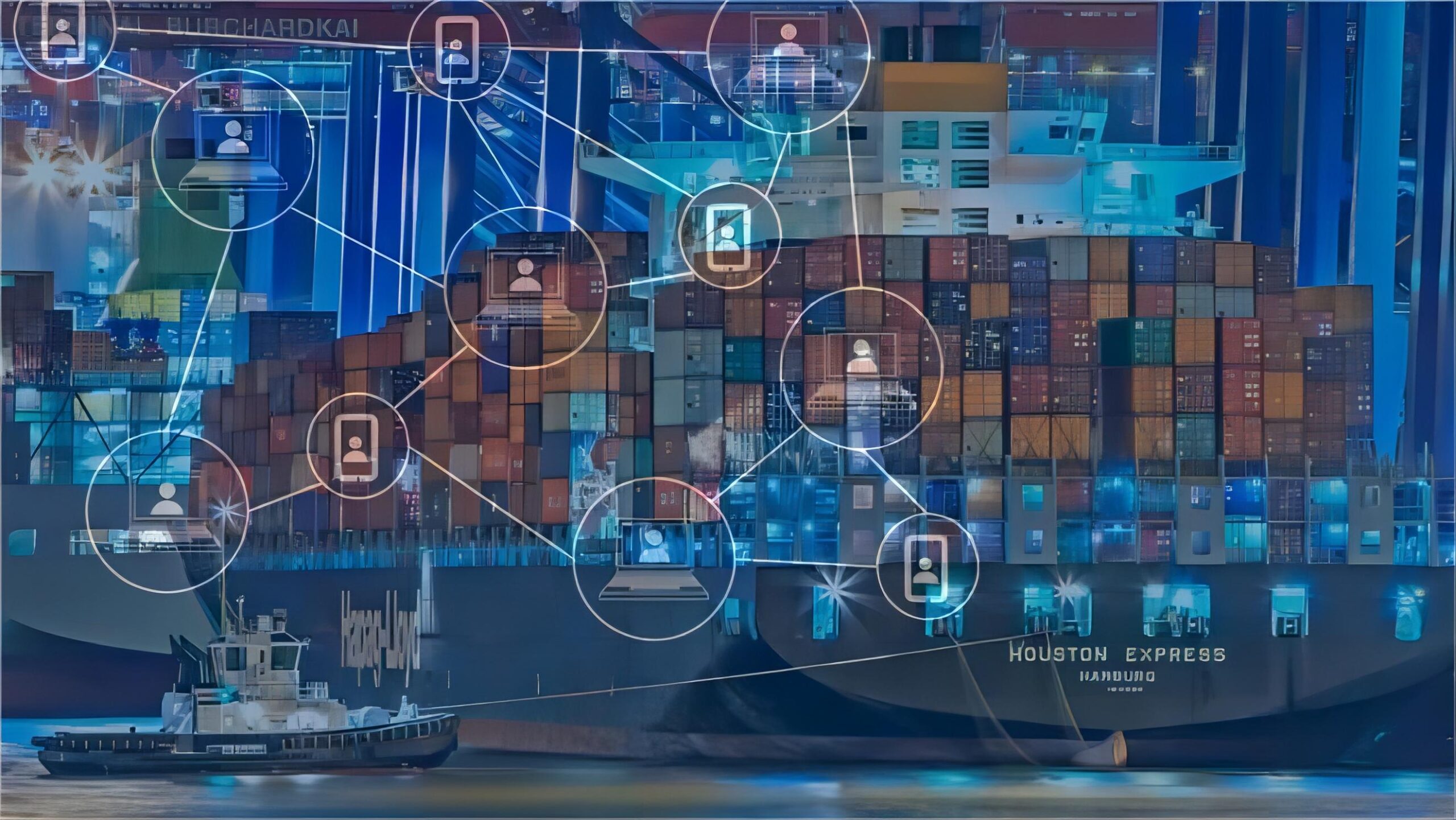
Navigating the administrative requirements is a crucial step in ensuring your goods arrive without costly delays. Utilizing a professional customs brokerage service can help streamline the clearance process at French ports. Therefore, preparing accurate commercial invoices and packing lists is vital for a smooth transition through customs.
French authorities require specific documents such as the Bill of Lading, a Certificate of Origin, and an EORI number for all commercial imports. Moreover, certain products may require additional certifications, such as the CE mark for electronics or safety certificates for toys. Failure to provide these can result in heavy fines or shipment seizures.
Customs duties and Value Added Tax (VAT) are calculated based on the CIF value of the goods. For instance, the standard VAT rate in France is 20 percent, which must be factored into your total landed cost. Indeed, working with an experienced broker ensures that you apply the correct HS codes and avoid overpaying on duties.
Door to Door Shipping Solutions for Convenience
Many importers prefer door to door services to simplify their logistics chain. This comprehensive solution covers everything from factory pickup in China to final delivery at a warehouse in France. Indeed, this approach reduces the burden on the importer by centralizing all logistics tasks under one provider.
Choosing this service eliminates the need for the buyer to arrange local trucking or manage multiple warehouse handovers. Consequently, it minimizes the potential for communication errors and logistical bottlenecks. Although the upfront cost might appear higher, the savings in time and administrative effort are often substantial.
For e-commerce sellers, Amazon FBA shipping from China to France is a specialized version of door-to-door service. This ensures that products are prepared and labeled according to Amazon’s strict requirements before reaching the fulfillment center. Using a dedicated provider for this process prevents costly rejections at the warehouse gates.
Which Option Should You Choose? Decision Framework
Selecting the right shipping method involves evaluating your budget, timeline, and cargo characteristics. If your priority is absolute lowest cost, sea freight is the clear winner for large shipments over 20 cubic meters. Conversely, if you are shipping small quantities or require delivery within a week, express or air freight is better.
Budget priority: Recommend Sea Freight (LCL or FCL) for non-urgent inventory. Speed priority: Recommend Air Freight or Express for high-value or time-sensitive items. Volume thresholds: Switch from LCL to FCL when volume exceeds 15 CBM. Reliability priority: Recommend Rail Freight for a consistent balance of speed and cost.
Hybrid solutions like sea-air combinations can also be explored for specific routes. For example, shipping by sea to a hub in the Middle East and then by air to France can save 30 percent compared to pure air freight. These creative strategies allow businesses to adapt to changing market conditions and fuel price fluctuations in 2026.
Real-World Case Studies for Shipping to France
Case Study 1: Electronics from Shenzhen to Paris. Cargo: 500kg of smart home devices. Method: Air Freight. Cost: $2,850. Transit Time: 6 days. Key Insight: The client chose air freight to meet a product launch deadline. Despite the cost, the early market entry resulted in a 25 percent increase in initial sales.
Case Study 2: Furniture from Ningbo to Marseille. Cargo: 1x40HQ Container. Method: Sea Freight. Cost: $3,900. Transit Time: 38 days. Key Insight: By using FCL instead of multiple LCL shipments, the importer saved $1,200 in handling fees and reduced the risk of cosmetic damage to the wood finishes.
Case Study 3: Industrial Parts from Xi’an to Lyon. Cargo: 8 CBM of machinery. Method: Rail Freight. Cost: $1,850. Transit Time: 22 days. Key Insight: Rail provided a faster alternative to sea without the extreme cost of air. Based on Q1 2026 market rates, this was the most efficient choice for the client’s production schedule.
Note: Freight rates are subject to change based on fuel costs, carrier capacity, and seasonal demand. Contact us for a current quote tailored to your specific shipment.
Final Thoughts on Affordable Logistics
Securing cheap shipping china to France requires a combination of early planning, choosing the right transport mode, and working with reliable partners. Whether you opt for the massive capacity of sea freight or the rapid transit of air transport, understanding the cost drivers is essential. Moreover, the growth of rail freight offers a compelling new alternative for modern supply chains.
To summarize, always compare multiple quotes and consider the total landed cost rather than just the base freight rate. By staying informed about 2026 market trends and customs regulations, you can significantly reduce your overhead and improve your bottom line. Start optimizing your shipping routes today to stay ahead of the competition.
Get Your Shipping Quote Today
Finding cheap shipping china to France does not have to be a complicated process for your business. Contact our expert team today to receive a customized quote that balances speed and cost perfectly. Send Inquiry to get started on optimizing your 2026 logistics strategy.
Request Quote