

China FCL Container Loading Service to Norway: The Ultimate Logistics Guide
Finding a reliable China FCL container loading service to Norway is essential for businesses looking to maintain a stable supply chain in Scandinavia. At Top China Freight, we specialize in optimizing the logistics process to ensure your cargo arrives safely and on schedule. Consequently, importers can focus on their core business while we handle the complexities of international shipping.
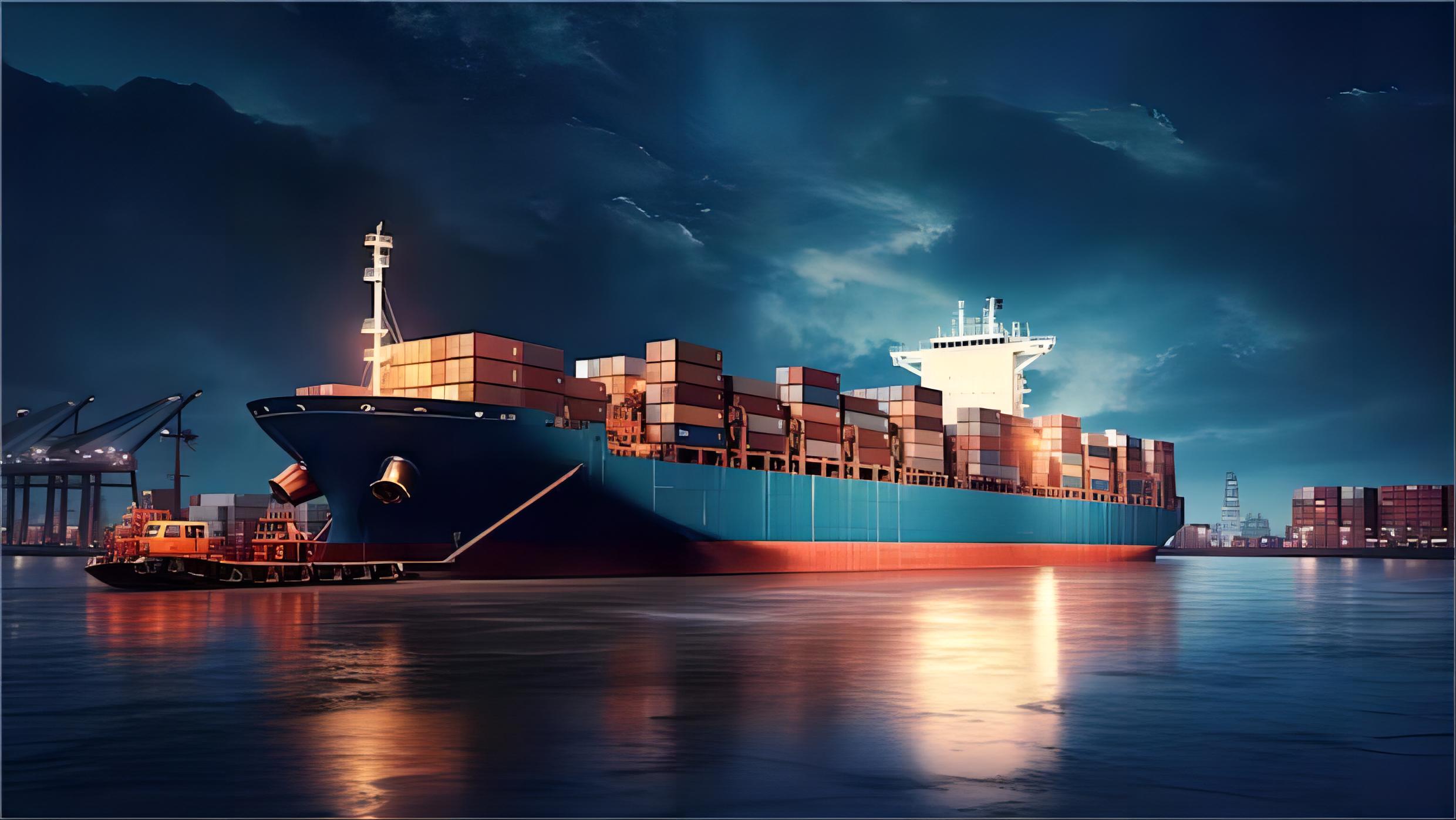
Why Choose China FCL Container Loading Service to Norway for Your Business?
Choosing a full container load (FCL) ensures that your goods occupy the entire space of a 20ft or 40ft container. This method provides the highest level of security because the container remains sealed from the point of origin to the final destination. Therefore, businesses importing high-value or fragile items often prefer sea freight in FCL format over other methods.
Moreover, FCL shipping is generally faster than Less than Container Load (LCL) because there is no need for consolidation or deconsolidation at the ports. Specifically, your cargo moves directly from the factory to the vessel, reducing the risk of handling damage. Additionally, FCL rates are often more cost-effective when you have enough volume to fill at least 15 cubic meters of space.
Furthermore, utilizing a professional China FCL container loading service to Norway allows for better inventory management and predictable delivery schedules. Indeed, most major Norwegian ports like Oslo and Bergen have streamlined processes for handling full containers. Consequently, you can expect fewer delays during the unloading and inland transportation phases.
How Does FCL Compare to Other Shipping Options?
Evaluating different transport modes is critical for optimizing your logistics budget and meeting customer expectations. While FCL is the most common choice for large shipments, air freight remains the fastest alternative for urgent cargo. Nevertheless, the cost difference between sea and air can be substantial, especially for heavy machinery or bulk consumer goods.
In contrast, rail freight offers a middle ground in terms of both cost and speed for shipments to Northern Europe. However, sea freight remains the most environmentally friendly and economical way to move large volumes over long distances. To summarize, the best choice depends on your specific balance of urgency, budget, and cargo volume.
| Shipping Method | Cost Range | Transit Time | Best For |
|---|---|---|---|
| FCL Sea Freight | $2,500 – $4,500 | 35 – 45 Days | Large volumes, bulk goods |
| LCL Sea Freight | $80 – $150/CBM | 40 – 50 Days | Small shipments < 15 CBM |
| Air Freight | $5.00 – $9.00/kg | 5 – 8 Days | Urgent, high-value items |
| Rail Freight | $3,000 – $5,500 | 20 – 28 Days | Faster than sea, cheaper than air |
Major Ports and Transit Times for Norway Imports
Shipping from China to Europe, specifically Norway, involves several key transit hubs. Most shipments originate from major Chinese ports like Shanghai, Ningbo, Shenzhen, or Qingdao. Subsequently, these vessels travel through the Suez Canal before reaching Northern European transshipment hubs or sailing directly to Norwegian waters.
Oslo serves as the primary gateway for the majority of containerized cargo entering the country. Meanwhile, ports like Bergen and Stavanger handle significant volumes for the western regions and the offshore industry. Accordingly, your choice of destination port will significantly influence the final inland drayage costs and total transit time.
| Origin Port (China) | Destination Port | Average Transit | Service Type |
|---|---|---|---|
| Shanghai | Oslo | 38 Days | Direct/Transshipment |
| Shenzhen | Bergen | 42 Days | Transshipment |
| Ningbo | Stavanger | 40 Days | Transshipment |
| Qingdao | Drammen | 45 Days | Transshipment |

Understanding the Costs of China FCL Container Loading Service to Norway
Freight rates for a China FCL container loading service to Norway fluctuate based on several market factors. For instance, fuel surcharges, seasonal demand, and carrier capacity all play a role in determining the final price. Typically, a 20GP container may cost between $1,800 and $2,800, while a 40HQ container can range from $3,000 to $4,500 depending on the season.
Additionally, you must account for local charges at both the origin and destination. These include Terminal Handling Charges (THC), documentation fees, and port security surcharges. Without a doubt, working with an experienced forwarder helps in identifying these costs upfront to avoid unexpected expenses. Note: Freight rates are subject to change based on fuel costs, carrier capacity, and seasonal demand. Contact us for a current quote tailored to your specific shipment.
Case Study 1: Electronics Shipment to Oslo
Route: Shenzhen, China to Oslo, Norway. Cargo: Consumer Electronics, 65 CBM, 12,000 kg. Container: 1 x 40HQ. Shipping Details: Major carrier via transshipment in Hamburg. Port of Loading: Shenzhen. Port of Discharge: Oslo. Cost Breakdown: Ocean Freight: $3,800; Origin Charges: $450; Destination Charges: $600; Customs and Duties: $1,200; Total Landed Cost: $6,050. Timeline: Booking to Loading: 4 days; Sea Transit: 36 days; Customs Clearance: 2 days; Total Door-to-Door: 45 days. Key Insight: Utilizing a 40HQ allowed the client to maximize volume and reduce the per-unit shipping cost significantly during the Q3 peak season of 2024.
Case Study 2: Industrial Machinery to Bergen
Route: Ningbo, China to Bergen, Norway. Cargo: Industrial Spare Parts, 25 CBM, 18,000 kg. Container: 1 x 20GP. Shipping Details: Direct service to European hub, then feeder vessel. Port of Loading: Ningbo. Port of Discharge: Bergen. Cost Breakdown: Ocean Freight: $2,200; Origin Charges: $400; Destination Charges: $550; Customs and Duties: $800; Total Landed Cost: $3,950. Timeline: Booking to Loading: 3 days; Sea Transit: 40 days; Customs Clearance: 3 days; Total Door-to-Door: 48 days. Key Insight: The heavy weight of the machinery made a 20GP more practical than LCL, providing better stability and lower risk of shifting during transit, based on early 2025 market rates.
Customs Documentation and Import Regulations
Navigating Norwegian customs requires precise documentation to avoid costly delays and penalties. You must ensure that all commercial invoices, packing lists, and bills of lading are accurate and consistent. Furthermore, certain products may require specific certificates of origin or safety compliance documents. Using a professional customs brokerage service is highly recommended for first-time importers.
Norway is not a member of the EU but is part of the EEA, which means it follows many European standards while maintaining its own VAT and duty regulations. Therefore, understanding the Norwegian Customs (Tolletaten) requirements is vital. Specifically, the VOEC (VAT on E-commerce) scheme may apply to certain B2C shipments, though FCL is primarily used for B2B trade.
| Document Name | Required For | Purpose | Issuer |
|---|---|---|---|
| Bill of Lading | All Shipments | Title of goods | Carrier |
| Commercial Invoice | All Shipments | Value declaration | Exporter |
| Packing List | All Shipments | Content details | Exporter |
| Certificate of Origin | Specific Goods | Duty rate determination | Chamber of Commerce |
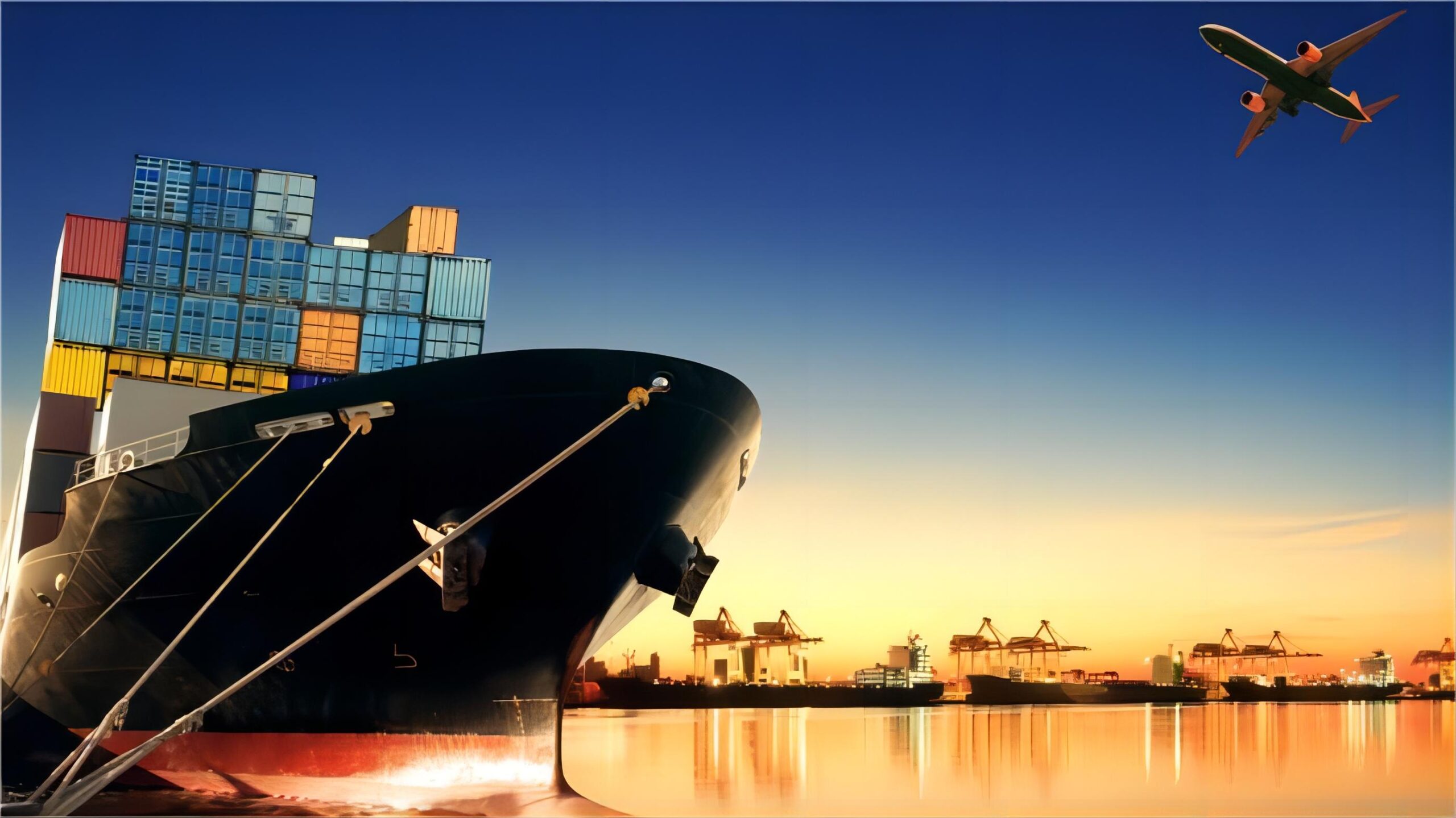
Alternative Shipping Strategies for Norway
For businesses with fluctuating volumes, hybrid strategies can offer significant cost savings. For example, combining sea freight for your core inventory with air freight for high-demand items ensures product availability without overspending on logistics. Moreover, door to door services can simplify the entire process by consolidating all costs into a single quote.
Another alternative is using transshipment hubs like Rotterdam or Bremerhaven. While this might add a few days to the transit time, it often provides access to more frequent sailing schedules and lower ocean freight rates. Consequently, importers can choose between the fastest direct route or a more economical indirect path depending on their current inventory needs.
Which Option Should You Choose?
Determining the right shipping method involves analyzing your budget, speed requirements, and cargo type. If budget is your primary priority and you have more than 15 CBM of goods, FCL is the clear winner. However, if you are shipping a small sample or a trial order, LCL might be more appropriate despite the higher cost per cubic meter.
Speed-sensitive cargo like fashion items or seasonal electronics should be sent via air or rail freight to capture market opportunities. On the other hand, heavy industrial equipment and raw materials are almost always best suited for our China FCL container loading service to Norway. Ultimately, a balanced approach that utilizes different modes for different product lines often yields the best results for growing businesses.
Summary of Shipping to Norway
In conclusion, the China FCL container loading service to Norway remains the backbone of trade between these two nations. By understanding the costs, transit times, and documentation requirements, you can significantly improve your supply chain efficiency. Whether you are shipping to Oslo, Bergen, or Stavanger, choosing the right logistics partner is the key to success. We encourage you to leverage our expertise to navigate the complexities of global shipping and ensure your business continues to thrive in the Norwegian market.

Ready to streamline your logistics?
Ready to streamline your imports from China? Contact Top China Freight today for a customized quote on our China FCL container loading service to Norway and experience hassle-free international logistics. Visit our website to Send Inquiry and get started with a professional freight partner.
Request Quote