
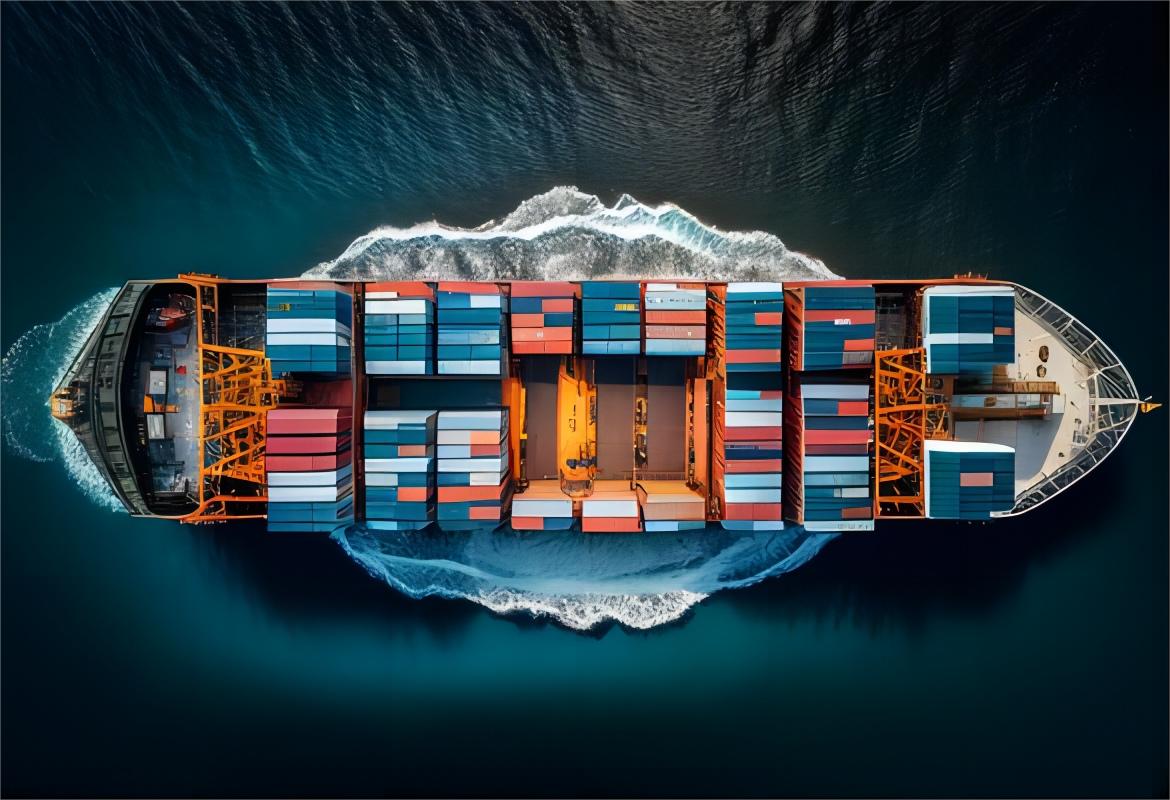
Bulk Shipping China to France: 2026 Freight and Logistics Guide
Navigating the complexities of bulk shipping China to France requires a robust logistics strategy to manage high volumes while maintaining cost efficiency. As global trade patterns evolve in 2026, businesses must adapt to new shipping routes and regulatory frameworks to ensure their supply chains remain resilient and profitable. Partnering with a dedicated expert like Top China Freight allows importers to streamline their operations from the factory floor in China to the final warehouse destination in France. This comprehensive guide explores the essential shipping methods, cost-saving strategies, and customs requirements necessary for successful large-scale international transport. By understanding the nuances of the current market, you can significantly reduce transit times and minimize unexpected expenses during the shipping process.
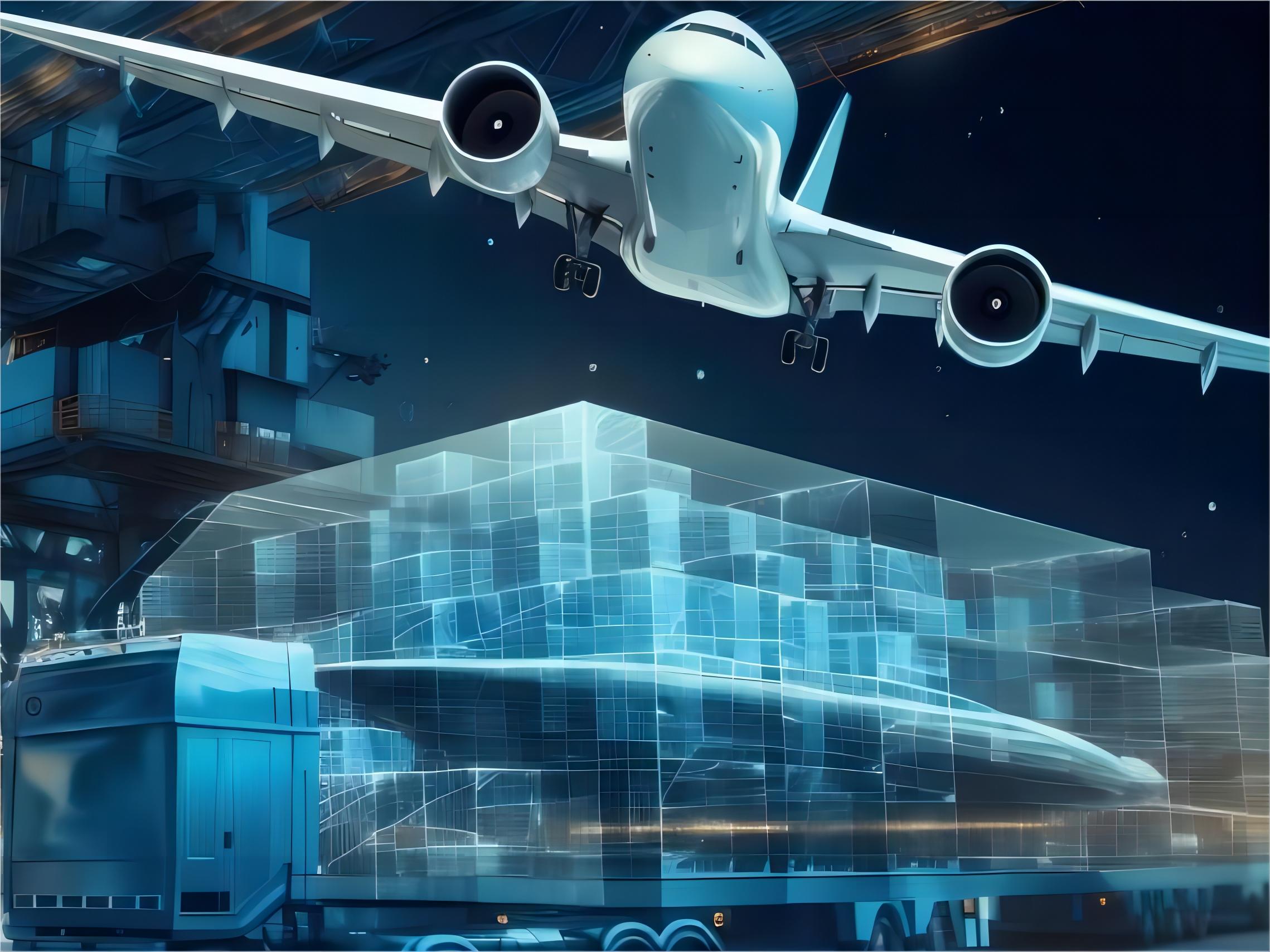
How to Choose the Best Method for Bulk Shipping China to France?
Selecting the right transportation mode is the most critical decision for any business involved in bulk shipping China to France. Since various cargo types demand different levels of speed and protection, shippers must evaluate the trade-offs between cost and delivery time. Ocean freight remains the primary choice for massive quantities due to its unparalleled capacity and lower price per unit. However, rail freight has gained significant popularity in 2026 as a faster alternative that remains more affordable than air transport. For urgent shipments that cannot wait for sea or rail transit, air cargo offers the fastest route despite the higher financial investment required.
Specifically, your choice should depend on the total volume, weight, and nature of the goods being imported. Large industrial machinery or raw materials typically utilize sea containers, whereas high-value electronics might benefit from the speed of rail or air. Additionally, seasonal fluctuations in 2026 have made booking capacity in advance even more vital for maintaining a consistent supply chain. Consequently, analyzing the specific requirements of your inventory will help you determine which logistics path aligns best with your budget and deadline.
| Shipping Method | Average Transit Time | Cost Level | Best For |
|---|---|---|---|
| Sea Freight (FCL) | 30-40 Days | Low | Large bulk volumes |
| Rail Freight | 18-24 Days | Medium | Mid-sized bulk loads |
| Air Freight | 5-9 Days | High | Urgent or high-value |
| Sea-Air Hybrid | 15-22 Days | Medium-High | Balanced speed/cost |
Understanding Sea Freight for Large Cargo Volumes
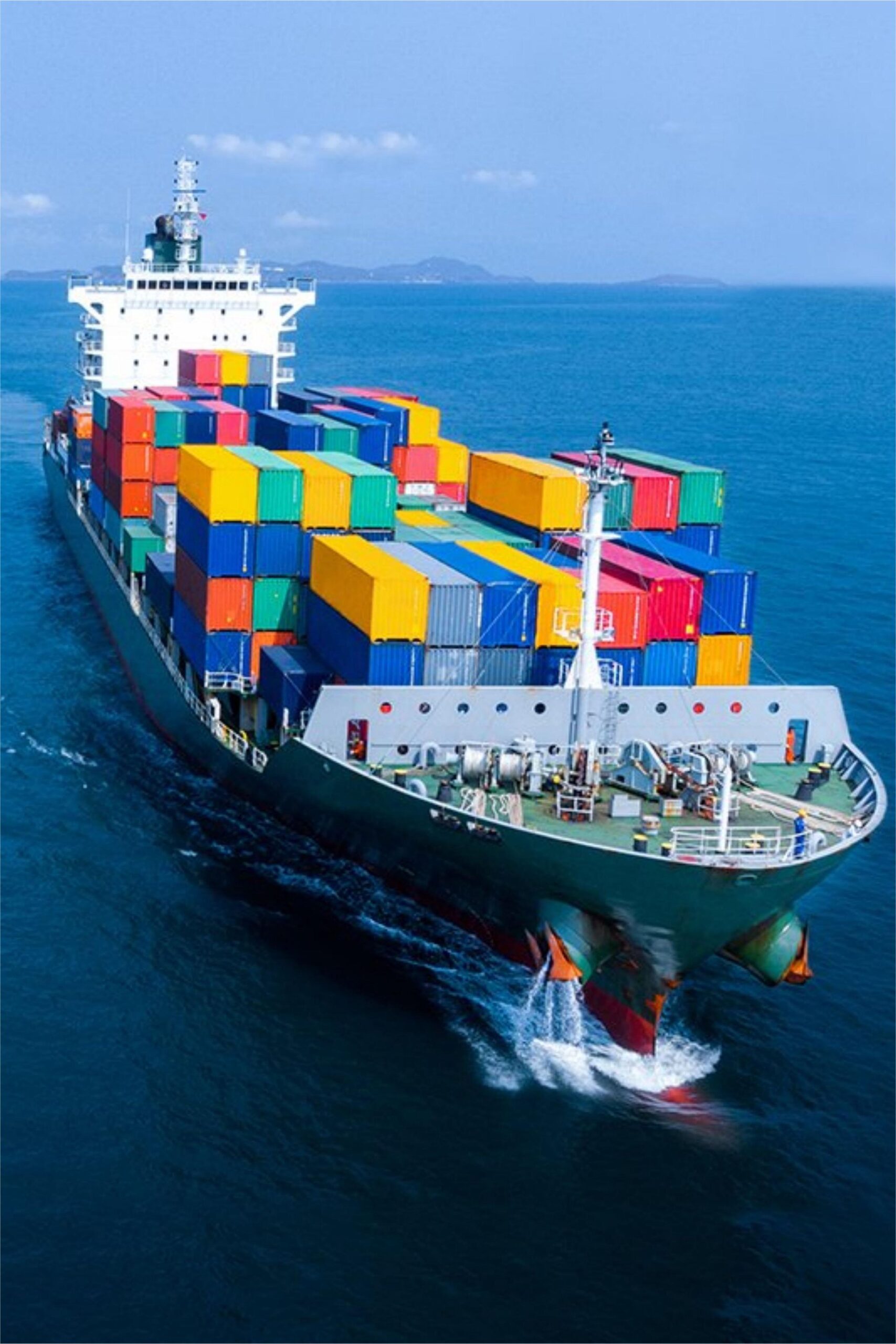
Ocean transport serves as the backbone of international commerce, particularly for companies engaged in sea freight operations from major Chinese ports. Because of the massive scale of modern container ships, businesses can transport thousands of tons of cargo simultaneously across the globe. Full Container Load (FCL) shipping is the gold standard for bulk orders, providing a dedicated 20ft or 40ft container for a single shipper. This method ensures that your goods are not mixed with other cargo, reducing the risk of damage and simplifying the loading process.
Alternatively, Less than Container Load (LCL) provides a viable solution for smaller bulk shipments that do not fill an entire container. While LCL involves sharing space with other importers, it allows for more flexible inventory management without the cost of a full unit. Furthermore, the 2026 market has seen a stabilization of ocean rates, making long-term planning more predictable for French businesses. Shippers should focus on optimizing their packing techniques to maximize container utilization and further drive down the landed cost of each item.

Rail Freight as a Strategic Middle Ground for French Imports
The expansion of the Silk Road rail network has revolutionized rail freight as a competitive option for the China-France route. Indeed, many companies now prefer rail because it offers a transit time nearly twice as fast as sea freight at a fraction of the cost of air. The rail journey typically begins at major hubs like Xi’an or Chengdu and terminates at European logistics centers before final delivery to France. This method is particularly effective for automotive parts, consumer goods, and industrial components that require a quicker turnaround than sea transit allows.
Moreover, rail transport is considered a more environmentally friendly alternative compared to air or sea shipping in the context of 2026 sustainability goals. Many French corporations are now prioritizing rail to reduce their carbon footprint while maintaining efficient delivery schedules. It is important to note that rail capacity can become tight during peak seasons, such as the months leading up to the year-end holidays. Therefore, securing space through a reliable freight forwarder early in the planning stage is essential for avoiding delays at the border crossings.
How Does Sea Freight Compare to Other Shipping Options?
Comparing the various logistics modes involves more than just looking at the initial freight quote. While sea freight is the most economical for bulk shipping China to France, businesses must also consider the cost of inventory tied up in transit for 40 days. In contrast, air freight might cost five times as much but allows for rapid stock replenishment and lower warehousing needs. Rail freight consistently sits in the middle, offering a balanced approach that satisfies both financial and temporal constraints for many French importers.
Notably, the choice between these methods often shifts based on the total weight of the shipment. For cargo exceeding 500 kilograms, sea freight almost always provides the best value, whereas smaller bulk shipments might find rail more attractive. Hybrid solutions, such as sea-air transport via Dubai, also exist to provide a compromise for shipments that are too slow by sea but too expensive by air. By evaluating each option against your specific business KPIs, you can create a diversified logistics portfolio that mitigates risk and maximizes efficiency.
| Shipping Method | Cost Range (2026) | Transit Time | Limitations |
|---|---|---|---|
| Sea (40HQ) | $3,200 – $4,500 | 32-42 Days | Slowest delivery |
| Rail (40GP) | $5,500 – $7,200 | 18-25 Days | Limited to rail hubs |
| Air (1000kg+) | $4.50 – $6.50/kg | 5-8 Days | High environmental impact |
| LCL Sea | $80 – $130/CBM | 35-45 Days | Risk of handling damage |
Navigating Customs Brokerage and Documentation in France
Success in international trade depends heavily on a seamless customs brokerage process to avoid costly port storage fees. French customs authorities require precise documentation, including commercial invoices, packing lists, and certificates of origin for all imports from China. In 2026, the implementation of new digital filing systems has sped up the process, but errors in paperwork can still lead to significant delays. Consequently, working with an experienced broker who understands the specific Harmonized System (HS) codes for your products is vital for compliance.
Furthermore, importers must be prepared to pay the applicable Value Added Tax (VAT) and import duties upon arrival in France. Certain products may also require specific certifications, such as CE marking for electronics or sanitary certificates for food-related items. Indeed, neglecting these requirements can result in the seizure of goods or heavy fines from the French government. Therefore, conducting a thorough pre-shipment document audit is a best practice that every bulk shipper should adopt to ensure a smooth transition through the port of entry.
Real-World Case Studies for Bulk Shipments
Examining actual shipping scenarios provides valuable insight into the practical challenges and costs associated with bulk shipping China to France. These cases reflect typical market conditions in early 2026 and demonstrate how different strategies impact the final outcome. Whether you are shipping high-tech components or heavy industrial goods, these examples highlight the importance of choosing the right port and method.
Case Study 1: Electronics from Shenzhen to Marseille Route: Shenzhen, China to Marseille, France Cargo: Consumer Electronics, 65 CBM, 12,500 kg Container: 1 x 40HQ Shipping Details: – Carrier: Major Ocean Carrier – Port of Loading: Shenzhen – Port of Discharge: Marseille – Route Type: Direct Cost Breakdown: – Ocean Freight: $3,450 – Origin Charges: $420 – Destination Charges: $550 – Customs & Duties: $1,800 (Estimated) – Total Landed Cost: $6,220 Timeline: – Booking to Loading: 4 days – Sea Transit: 31 days – Customs Clearance: 2 days – Total Door-to-Door: 37 days Key Insight: Direct routing to a southern French port saved 4 days compared to transshipment via Northern Europe.
Case Study 2: Industrial Parts from Ningbo to Le Havre Route: Ningbo, China to Le Havre, France Cargo: Steel Components, 28 CBM, 18,000 kg Container: 1 x 20GP Shipping Details: – Carrier: COSCO – Port of Loading: Ningbo – Port of Discharge: Le Havre – Route Type: Transshipment via Singapore Cost Breakdown: – Ocean Freight: $2,150 – Origin Charges: $380 – Destination Charges: $520 – Customs & Duties: $2,400 (Estimated) – Total Landed Cost: $5,450 Timeline: – Booking to Loading: 5 days – Sea Transit: 36 days – Customs Clearance: 3 days – Total Door-to-Door: 44 days Key Insight: Utilizing a 20GP container for heavy but low-volume steel parts optimized the freight cost per ton.
Door to Door Logistics and Amazon FBA Solutions
Modern businesses often require a comprehensive door to door service to eliminate the hassle of managing multiple logistics providers. This all-inclusive approach covers everything from the initial pickup at the Chinese factory to the final delivery at a French warehouse. For e-commerce sellers, specialized Amazon FBA shipping services ensure that bulk inventory meets the strict labeling and packaging requirements of Amazon’s fulfillment centers. This integration is particularly useful for maintaining high seller ratings and ensuring products are always in stock.
Moreover, door-to-door shipping often includes Delivered Duty Paid (DDP) options, where the shipping company handles all taxes and duties upfront. This provides the importer with a clear, fixed cost, removing the uncertainty of fluctuating customs fees. Consequently, many small to medium-sized enterprises (SMEs) in France are adopting this model to simplify their international trade operations. By outsourcing the entire logistics chain, business owners can focus more on marketing and sales rather than the minutiae of freight management.
Which Option Should You Choose? (Decision Framework)
Determining the most effective strategy for bulk shipping China to France requires a clear set of priorities based on your business model. If your primary goal is cost minimization and your lead times are flexible, ocean freight in 40HQ containers is undoubtedly the superior choice. On the other hand, if you are dealing with seasonal goods or high-demand inventory that needs to reach the French market quickly, rail freight provides the necessary speed without the extreme cost of air. Air freight should be reserved for emergency restocks or extremely high-margin items where the shipping cost is a small fraction of the product value.
Additionally, consider the volume thresholds when switching between LCL and FCL. Generally, once your shipment exceeds 15 cubic meters, booking a full 20ft container becomes more economical than paying for individual CBM space in an LCL shipment. For shipments over 30 cubic meters, a 40ft container offers the best price-to-volume ratio. Ultimately, the most successful importers are those who remain flexible and adjust their shipping methods based on current market rates and inventory requirements. Note: Freight rates are subject to change based on fuel costs, carrier capacity, and seasonal demand. Contact us for a current quote tailored to your specific shipment.
Final Thoughts on Large-Scale Shipping to France
Mastering the art of bulk shipping China to France is a continuous process of optimization and adaptation to global market trends. By leveraging the strengths of sea, rail, and air freight, businesses can build a resilient logistics network that supports long-term growth. It is essential to stay informed about customs regulations and to partner with reliable freight forwarders who can navigate the complexities of international trade. As we move through 2026, the ability to move large volumes of goods efficiently will remain a key competitive advantage for French importers. Prioritize careful planning, accurate documentation, and strategic method selection to ensure your bulk shipments arrive safely and on time.
Start Your Shipment
Optimize your supply chain today by requesting a professional quote for bulk shipping China to France from our expert logistics team. Visit our website to explore our specialized freight solutions and secure the most competitive rates for your 2026 shipments. Send Inquiry link: Visit Top China Freight.net/contact-us/
Request Quote