
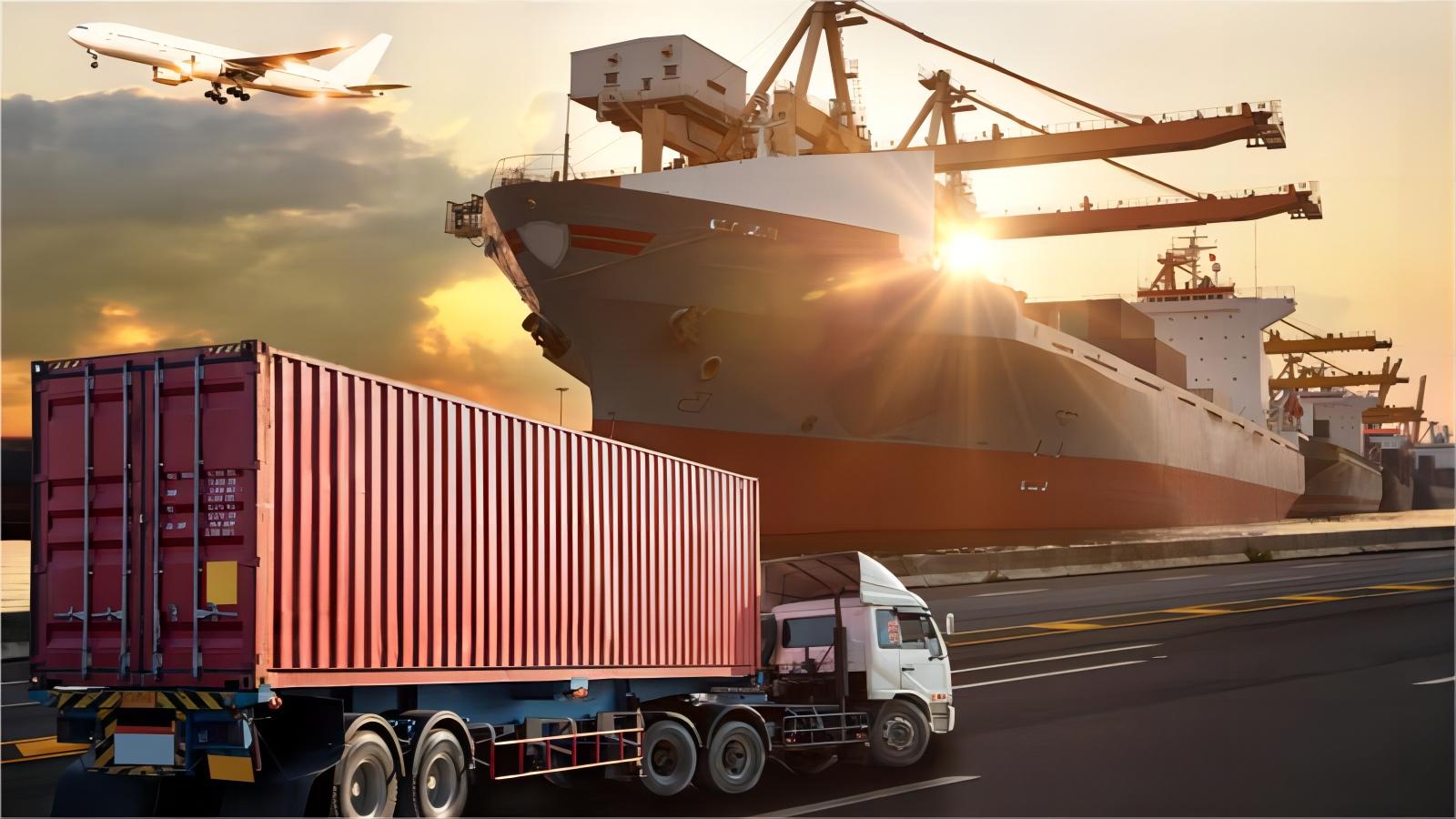
Warehouse Fulfillment China to Germany: 2026 Logistics Guide
Navigating the complexities of warehouse fulfillment China to Germany requires a strategic approach to balance cost and speed in 2026. Many businesses struggle with rising demand and intricate logistics hurdles when importing goods into the European market. By partnering with a reliable provider like Top China Freight, you can streamline your supply chain and ensure your products reach German customers without unnecessary delays. This comprehensive guide explores the best practices for managing your international inventory and selecting the most effective transportation methods available today.
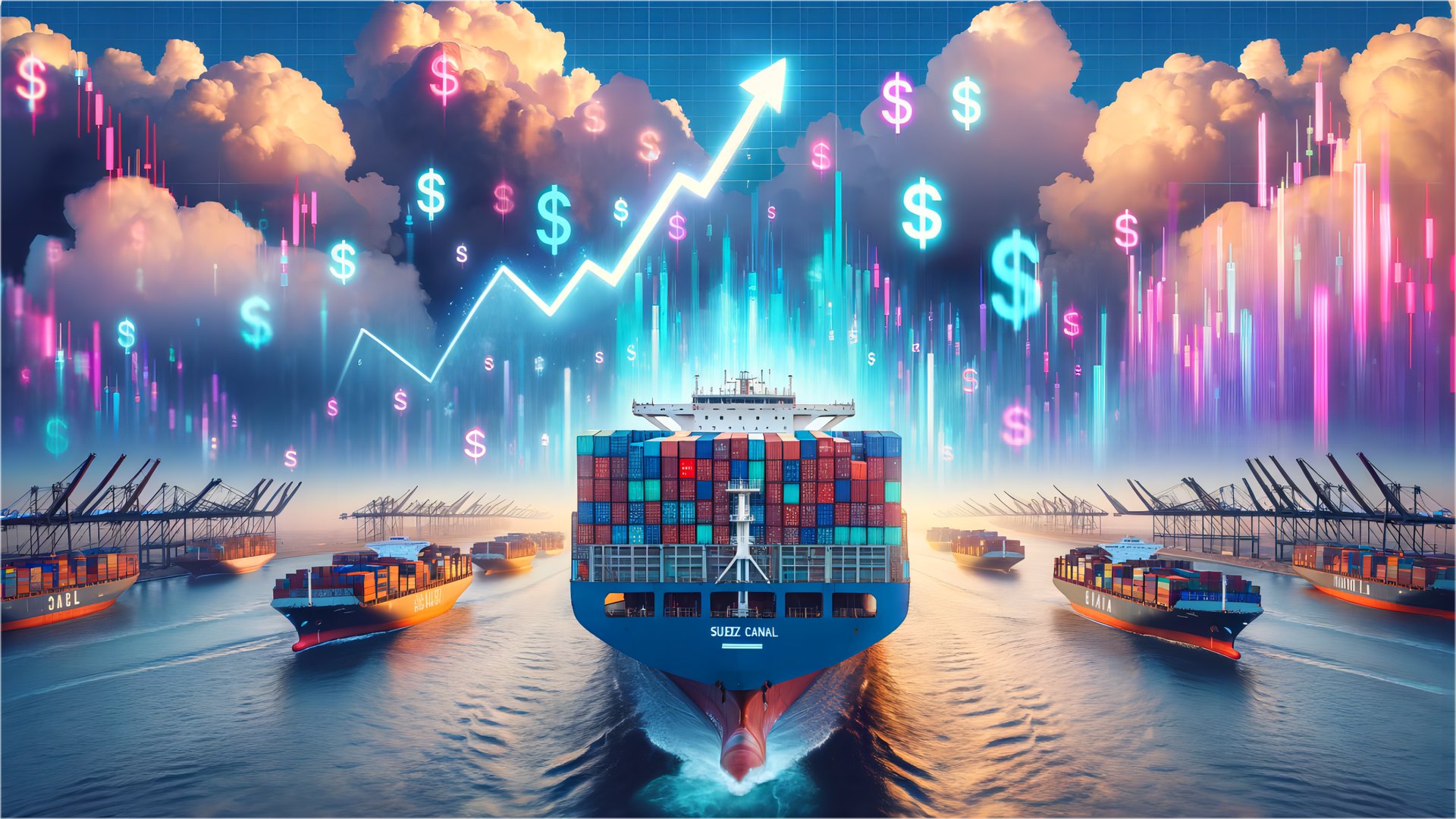
What is Warehouse Fulfillment China to Germany?
Warehouse fulfillment China to Germany encompasses the entire process of storing, packing, and shipping products from Chinese manufacturing hubs to German consumers. This logistical framework is essential for e-commerce businesses that want to maintain a competitive edge in Central Europe. Furthermore, effective fulfillment strategies involve integrated inventory management systems that track stock levels in real-time across borders.
Choosing the right fulfillment model depends heavily on your specific business needs and the nature of your cargo. For instance, some companies prefer a localized approach by storing goods in German warehouses, while others utilize direct-to-consumer shipping from China. Consequently, understanding the trade-offs between storage costs in Europe and shipping speeds from Asia is vital for profitability in 2026.
Moreover, the integration of advanced logistics software has revolutionized how businesses handle their supply chains. These tools allow for seamless coordination between manufacturers in cities like Shenzhen or Ningbo and distribution centers in Hamburg or Frankfurt. Indeed, the ability to manage the entire flow of goods through a single platform reduces errors and improves customer satisfaction.
How Does Sea Freight Compare to Other Shipping Options?
Evaluating different transportation modes is a critical step in optimizing warehouse fulfillment China to Germany. While sea freight remains the most popular choice for bulk shipments, other methods offer unique advantages depending on the urgency of the delivery. For example, businesses often choose ocean transport for large volumes due to its significant cost savings compared to air transport.
However, transit times for sea routes are considerably longer, typically ranging from 30 to 45 days in the current 2026 market. On the other hand, rail and air options provide faster alternatives for time-sensitive inventory. To help you make an informed decision, we have prepared a comprehensive comparison of the primary shipping methods used for the China-Germany corridor.
| Shipping Method | Cost Range | Transit Time | Best For |
|---|---|---|---|
| Sea Freight (FCL) | $3,000 – $4,200 per 40HQ | 30-40 Days | Bulk goods and large inventory |
| Air Freight | $4.50 – $8.50 per kg | 5-8 Days | High-value or urgent items |
| Rail Freight | $2,200 – $3,500 per 40HQ | 18-24 Days | Mid-range budget and speed |
| Express Service | $9.00 – $15.00 per kg | 3-5 Days | Small parcels and samples |
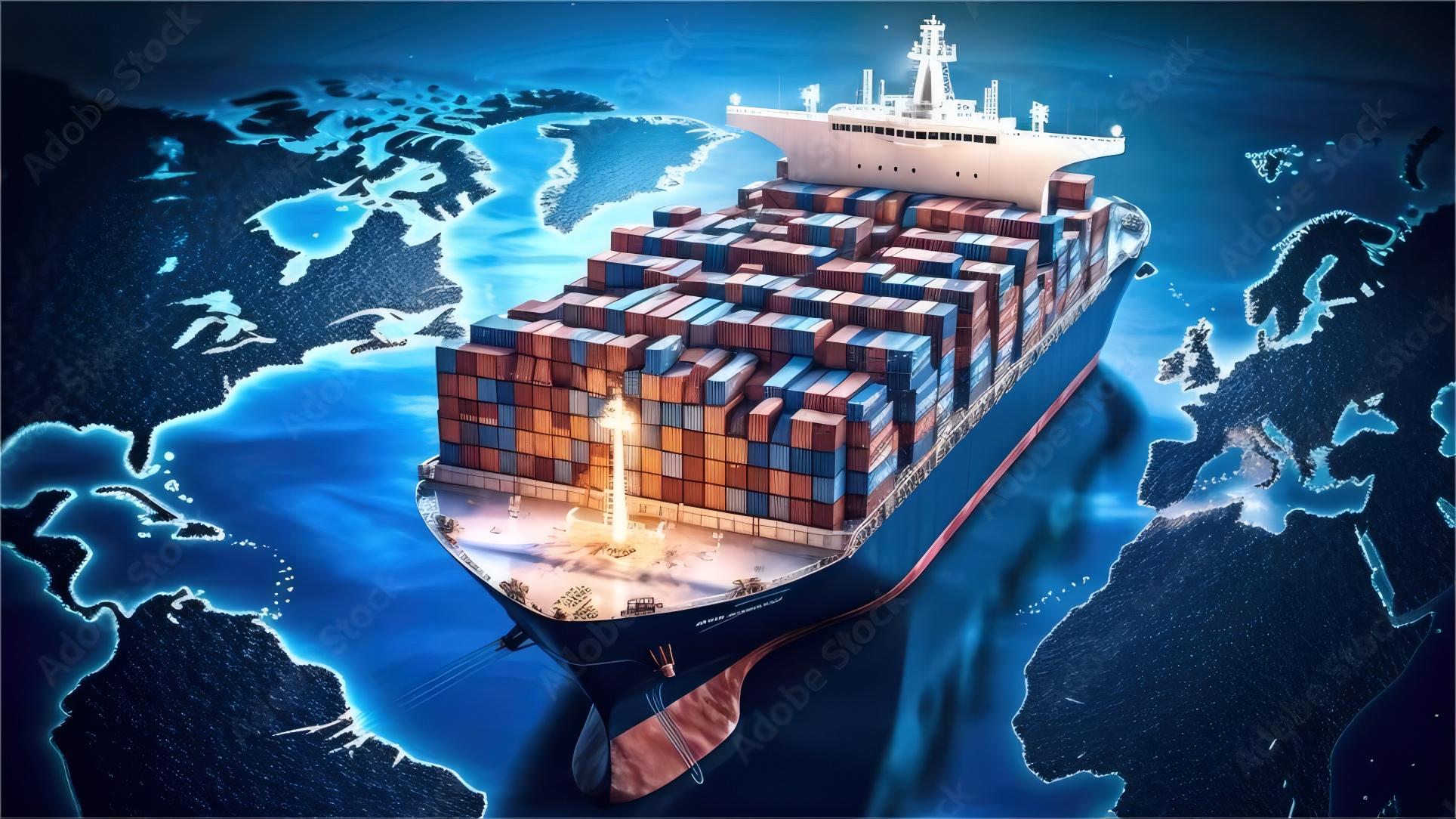
Why Choose Door to Door Shipping for German Fulfillment?
Implementing a door to door service model simplifies the entire logistics chain by providing a single point of contact. This approach is particularly beneficial for businesses that lack an in-house logistics department to manage multiple carriers and agents. Additionally, it ensures that your warehouse fulfillment China to Germany is handled professionally from the factory floor to the final destination.
Consequently, the risk of miscommunication between different service providers is greatly reduced when using an all-inclusive service. Most providers will handle the pickup, international transport, and local delivery within Germany as part of a unified package. Therefore, you can focus on marketing and sales while the logistics experts manage the movement of your physical assets.
Furthermore, this model often includes comprehensive tracking and insurance, providing peace of mind for high-value shipments. As a result, many small to medium enterprises find that the slightly higher cost of a total solution is offset by the time saved and the reduction in potential logistical errors.
Understanding Customs Brokerage for Imports to Germany
Navigating European Union regulations is a mandatory aspect of successful warehouse fulfillment China to Germany. German customs authorities are known for their strict adherence to documentation and safety standards. Engaging a professional customs brokerage service is often the best way to avoid costly delays at the port of entry.
Indeed, incorrect paperwork can lead to shipments being held for weeks, resulting in storage fees and lost sales. Brokers ensure that all duties and taxes, such as VAT and import tariffs, are calculated correctly and paid on time. In addition, they stay updated on the latest 2026 trade agreements and regulatory changes that might affect your specific product categories.
Meanwhile, having a registered EORI number is essential for any business importing goods into Germany. Without this identification, your cargo cannot be cleared through the customs system. Accordingly, your logistics partner should assist you in verifying that all necessary registrations are in place before the goods leave the Chinese port.
The Role of Air Freight in Rapid Supply Chains
Utilizing air freight is often the most effective strategy for businesses dealing with seasonal trends or sudden spikes in demand. Although the costs are higher than other methods, the speed of delivery allows for much lower inventory holding costs. In 2026, air transport remains a vital component of warehouse fulfillment China to Germany for the tech and fashion sectors.
Specifically, air transport reduces the transit time from weeks to just a few days, allowing businesses to react quickly to market changes. For instance, if a particular product goes viral on social media, air shipping enables you to restock your German distribution center almost immediately. Nevertheless, it is important to calculate the landed cost carefully to ensure that the higher shipping rates do not erode your profit margins.
Additionally, air cargo is generally subject to less handling than sea freight, which reduces the risk of damage to fragile items. Consequently, many electronics manufacturers prefer this method to ensure their products arrive in pristine condition. To summarize, air shipping is a premium tool that provides unmatched flexibility for your international supply chain.
Rail Freight: The Middle Ground for European Logistics
Choosing rail freight has become an increasingly popular alternative for warehouse fulfillment China to Germany. This mode of transport offers a perfect balance between the low cost of sea freight and the high speed of air freight. In 2026, the Trans-Eurasian rail networks have stabilized, providing a reliable schedule for businesses across the continent.
Moreover, rail transport is considered a more environmentally friendly option compared to air or sea shipping. Many German consumers prioritize sustainability, so using rail can be a positive selling point for your brand. Furthermore, the transit time of approximately 20 days is ideal for businesses that can plan their inventory cycles with moderate lead times.
However, it is worth noting that rail capacity can be limited during peak seasons such as the lead-up to the holidays. Therefore, booking your space well in advance is highly recommended to avoid delays. In contrast to sea freight, rail transport is less affected by maritime weather conditions, offering a more predictable delivery window for your German warehouse.

How Amazon FBA Integration Works with China Warehousing
Managing Amazon FBA shipments requires a deep understanding of Amazon’s specific labeling and packaging requirements. For sellers targeting the German marketplace, warehouse fulfillment China to Germany must be executed with precision to avoid rejection at the fulfillment center. Many logistics providers now offer specialized FBA prep services in China to ensure compliance before the goods are even shipped.
Consequently, these services include inspection, kitting, and applying the necessary FNSKU labels. By handling these tasks in China, you can significantly reduce labor costs compared to performing them in Germany. Additionally, your freight forwarder can manage the final delivery to Amazon’s warehouses in cities like Werne or Leipzig using approved local carriers.
Indeed, a seamless FBA strategy allows you to leverage Amazon’s massive distribution network while maintaining low production and preparation costs. For example, a hybrid approach using sea freight for bulk replenishment and air freight for emergency stock-outs is a common tactic among successful sellers. Without a doubt, mastering this integration is key to scaling your e-commerce business in 2026.
Which Option Should You Choose? Decision Framework
Selecting the ideal method for warehouse fulfillment China to Germany depends on several key variables including budget, volume, and urgency. If your primary goal is to minimize costs and you are shipping large volumes, sea freight is almost always the best choice. For shipments under 15 CBM, consider LCL (Less than Container Load) to save money compared to a full container.
On the other hand, if you are launching a new product and need it in the hands of customers quickly, air freight provides the necessary speed. Meanwhile, rail freight serves as an excellent compromise for those who need faster delivery than sea but cannot justify the expense of air. We recommend evaluating your cargo based on the following criteria to determine the best fit for your business.
| Priority | Recommended Method | Volume Threshold | Considerations |
|---|---|---|---|
| Lowest Cost | Sea Freight (LCL/FCL) | > 2 CBM | Requires 45-day lead time |
| Maximum Speed | Air Freight / Express | < 500 kg | High cost per unit |
| Balance / Eco | Rail Freight | Any volume | Stable and predictable |
| Small Samples | Express Service | < 50 kg | Fastest door-to-door |
Real-World Case Studies for China to Germany Logistics
Analyzing real-world scenarios can provide valuable insights into the costs and timelines associated with warehouse fulfillment China to Germany. Below are three examples based on typical shipments handled during the first half of 2026. These cases illustrate how different methods are applied to specific business needs.
Case Study 1: Consumer Electronics from Shenzhen to Hamburg. A tech company shipped a 40HQ container of smart home devices via sea freight. Total landed cost was $6,500 including all duties, with a door-to-door transit time of 38 days. Key Insight: Planning 2 months ahead allowed them to use the most economical method for their bulk stock.
Case Study 2: Seasonal Apparel from Guangzhou to Berlin. A fashion retailer used air freight for 800kg of new winter designs. The total cost was $5,200, but the goods arrived in just 6 days, allowing them to hit the market before competitors. Key Insight: The high speed justified the cost by capturing early-season sales.
Case Study 3: Industrial Components from Ningbo to Munich. A manufacturer utilized rail freight for 12 CBM of machine parts. The total cost was $3,100 with a transit time of 22 days. Key Insight: Rail provided a reliable middle ground that met their production schedule without the high cost of air.
Optimizing Your German Fulfillment Strategy
Successfully managing warehouse fulfillment China to Germany is a multi-faceted challenge that requires careful planning and the right partnerships. By understanding the differences between sea, air, and rail freight, you can tailor your logistics strategy to match your business goals. Furthermore, staying informed about 2026 market trends and customs regulations will help you avoid common pitfalls.
In conclusion, the key to efficient warehouse fulfillment China to Germany lies in balancing speed, cost, and reliability. Whether you are a small e-commerce seller or a large industrial manufacturer, selecting a logistics partner that understands the nuances of the German market is essential. Start optimizing your supply chain today to ensure long-term success in the heart of Europe.
Need a tailored shipping solution?
Streamline your warehouse fulfillment China to Germany today with expert logistics support. Contact Top China Freight for a customized quote and take the first step toward a more efficient supply chain. Visit our website to learn more about our comprehensive shipping solutions. Send Inquiry: info@Top China Freight.net