

Import Shipping China to Germany: 2026 Comprehensive Logistics Guide
Navigating the complexities of import shipping China to Germany requires a strategic approach to ensure your supply chain remains efficient and cost-effective in the current market. As global trade dynamics evolve in 2026, businesses must adapt to shifting freight rates and emerging logistics trends to maintain a competitive edge. Partnering with a reliable expert like Top China Freight allows importers to streamline their operations from factory floor to final destination. This guide provides an in-depth analysis of the best shipping methods, current pricing structures, and essential customs regulations for the China-Germany route.
What Are the Primary Methods for Import Shipping China to Germany?
Choosing the right transportation mode is the most critical decision in the logistics process. Currently, businesses can select between sea, air, and rail freight depending on their specific budget and timeline requirements. Each method offers unique advantages that cater to different types of cargo and urgency levels.
Furthermore, the choice often depends on the volume of goods being moved. For instance, large-scale industrial equipment typically travels via sea freight due to its high capacity and lower cost per unit. Conversely, high-value electronics or urgent spare parts often require the speed of air freight to meet tight deadlines.
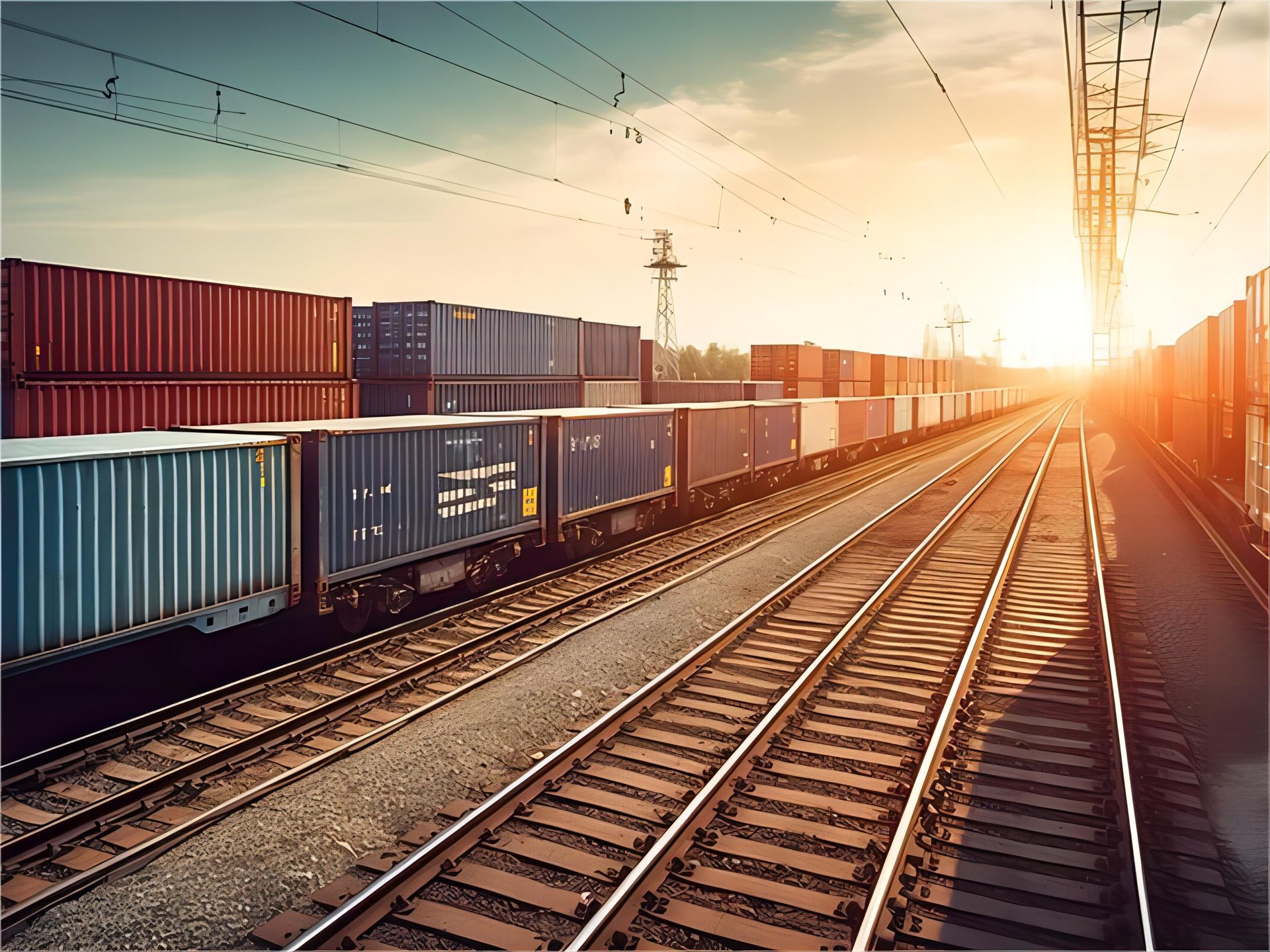
Moreover, the New Silk Road has made rail freight a highly popular middle-ground option. It provides a faster alternative to the ocean while remaining significantly more affordable than air transport. Consequently, many German importers now utilize rail to balance their transit times and shipping budgets effectively.
Sea Freight: FCL and LCL Options
Ocean transport remains the backbone of international trade between China and Europe. Importers can choose between Full Container Load (FCL) for large shipments or Less than Container Load (LCL) for smaller volumes. Consequently, FCL offers better security and faster handling since the container is dedicated to a single consignee.
In contrast, LCL involves sharing container space with other shippers. While this reduces costs for small batches, it may lead to slightly longer transit times due to the consolidation and deconsolidation processes at the ports.
How Do Shipping Costs Break Down in 2026?
Understanding the various components of freight pricing is essential for accurate budgeting. In 2026, freight rates have stabilized following previous global disruptions, yet seasonal fluctuations still play a major role. Therefore, shippers should account for peak season surcharges during the late summer and autumn months.
Additionally, total landed costs involve more than just the base freight rate. Importers must consider origin charges, fuel surcharges, and destination handling fees at German ports like Hamburg or Bremerhaven. Indeed, overlooking these small details can lead to significant budget overruns.
Market data suggests that fuel costs and carrier capacity remain the primary drivers of price changes. Consequently, securing long-term contracts or booking well in advance can help mitigate the risks associated with sudden rate hikes. Always request a comprehensive quote that includes all potential surcharges.
| Route | 20GP Container | 40HQ Container | Avg. Transit Time |
|---|---|---|---|
| Shanghai to Hamburg | $1,950 – $2,400 | $3,100 – $4,100 | 32-35 Days |
| Shenzhen to Bremerhaven | $1,850 – $2,300 | $3,000 – $3,950 | 30-34 Days |
| Ningbo to Wilhelmshaven | $1,900 – $2,350 | $3,050 – $4,050 | 33-36 Days |
| Qingdao to Hamburg | $2,050 – $2,550 | $3,250 – $4,250 | 35-38 Days |
How Does Sea Freight Compare to Other Shipping Options?
When analyzing import shipping China to Germany, sea freight is often compared against rail and air solutions to find the optimal balance. While ocean transport is the most economical for bulk goods, it lacks the agility required for fast-moving consumer markets. Therefore, a multi-modal approach is sometimes the most effective strategy.
For example, rail freight is roughly 50% faster than sea freight while costing only about 30% more. This makes it an ideal alternative for automotive parts and high-end textiles that cannot wait six weeks for delivery. Meanwhile, air freight remains the premium choice for shipments that must arrive within days.
Furthermore, hybrid solutions like sea-air combinations are gaining traction. These involve shipping goods by sea to a hub like Dubai and then flying them to Germany. As a result, companies can save money compared to pure air freight while still beating the transit times of the ocean.
| Method | Cost Range | Transit Time | Best For |
|---|---|---|---|
| Sea Freight | Low ($) | 30-40 Days | Bulk, Non-urgent |
| Rail Freight | Medium ($$) | 15-22 Days | Medium Value, Industrial |
| Air Freight | High ($$$$) | 3-7 Days | High Value, Urgent |
| Express | Very High ($$$$$) | 2-4 Days | Samples, E-commerce |
Which Option Should You Choose for Your Cargo?
Selecting the best method requires a clear understanding of your business priorities. If budget is your primary concern, sea freight is the undisputed winner for almost any volume. However, if your inventory turnover is high, the faster transit times of rail or air might justify the higher expense.
Cargo type also dictates the necessary shipping mode. Perishable goods or sensitive electronics often require the controlled environment and speed of air transport. On the other hand, heavy machinery and raw materials are best suited for the heavy-lift capabilities of ocean vessels.
Furthermore, volume thresholds can determine when to switch from LCL to FCL. Generally, if your shipment exceeds 15 cubic meters (CBM), booking a full 20ft container becomes more cost-effective than paying for individual CBM rates. This transition point is vital for optimizing your logistics spend.
Understanding Customs Clearance Procedures and Taxes
Navigating German customs is a critical step in the import process. All goods entering the European Union must comply with strict regulations regarding safety, environmental standards, and intellectual property. Consequently, hiring a professional customs brokerage service is highly recommended to avoid delays.
Importers must provide accurate documentation, including the commercial invoice, packing list, and bill of lading. Additionally, an EORI number is mandatory for all businesses importing into Germany. Without this identification, your goods will be held at the port, leading to expensive demurrage charges.
Moreover, you must calculate the applicable Value Added Tax (VAT) and customs duties. Germany typically applies a standard VAT rate of 19% on most imported goods. However, certain items may qualify for reduced rates or exemptions depending on their classification and origin.
Strategic Alternative Approaches to Logistics
In 2026, many savvy importers are looking beyond traditional port-to-port shipping. One effective alternative is utilizing DDP (Delivered Duty Paid) services, where the seller handles all costs and risks until the goods reach the buyer. This simplifies the process for small and medium-sized enterprises.
Another strategy involves regional warehousing. By storing goods in bonded warehouses in China or near major German hubs, companies can respond more quickly to market demand. Consequently, this reduces the pressure of long lead times and allows for more flexible inventory management.
Additionally, consider the benefits of transshipment. Sometimes, routing cargo through secondary ports can offer lower rates or avoid congestion at major gateways like Shanghai. While this might add a few days to the timeline, the cost savings can be substantial for non-urgent shipments.
Real-World Case Studies for German Imports
Case Study 1: Electronics from Shenzhen to Hamburg. A German retailer imported 25 CBM of consumer electronics. They chose FCL sea freight via a major carrier. The ocean freight cost was $3,200, with a total landed cost of $4,500 after duties. The total door-to-door timeline was 38 days, including 5 days for customs and local delivery.
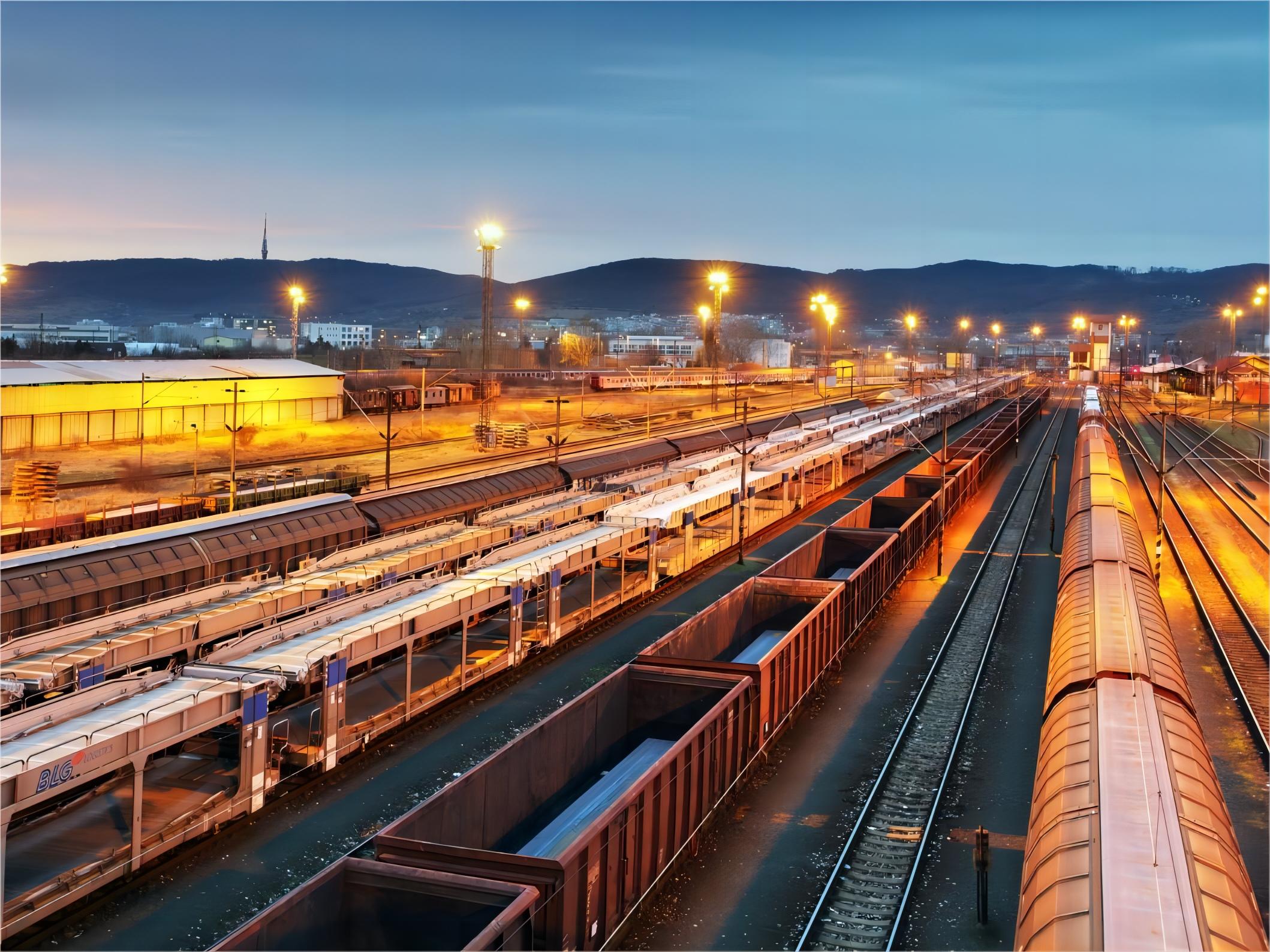
Case Study 2: Industrial Machinery from Ningbo to Duisburg. A manufacturing plant required urgent equipment components. They utilized rail freight to save time over the ocean. The shipment consisted of 5 CBM at a cost of $1,800. Transit time from the rail terminal in China to Duisburg was 18 days, allowing the plant to resume operations much faster than expected.
Case Study 3: E-commerce Samples from Guangzhou to Berlin. A startup needed product samples for a trade show. They used express air service to ensure arrival within 3 days. Although the cost was high at $650 for a 40kg box, the speed was essential for their marketing timeline. The shipment cleared customs in Berlin in less than 24 hours.
Cost-Saving Strategies for 2026
Reducing your logistics spend requires proactive planning and negotiation. First, always consolidate smaller shipments into a single larger one whenever possible. This reduces the per-unit cost of documentation and handling fees, which can be quite high for individual small parcels.
Secondly, optimize your packaging to maximize container space. Wasted air in boxes translates to wasted money in the shipping world. Moreover, using lightweight but durable materials can help reduce the chargeable weight for air freight shipments, leading to immediate savings.
Finally, maintain a strong relationship with your freight forwarder. Reliable partners can provide early warnings about rate increases or port strikes. By staying informed, you can adjust your shipping schedule to avoid peak prices and ensure your door to door delivery remains on track.
Final Thoughts on Importing from China to Germany
To summarize, successful import shipping China to Germany depends on balancing speed, cost, and reliability. By understanding the nuances of sea, air, and rail freight, you can choose the method that best aligns with your business goals. Furthermore, staying updated on 2026 market trends and customs regulations will help you avoid common pitfalls.
Indeed, the logistics landscape is constantly changing, but with the right information and partners, you can navigate it with confidence. Whether you are a small e-commerce seller or a large industrial manufacturer, optimizing your shipping strategy is key to long-term success. Always prioritize clear documentation and proactive communication to ensure a smooth delivery process.

Ready to streamline your logistics?
Ready to optimize your supply chain? Contact our team today for a customized quote on import shipping China to Germany and discover how we can streamline your international logistics. Visit our website to learn more about our comprehensive freight solutions.
Request Quote