
China to Germany Shipping Quote: 2026 Rates and Logistics Guide
Navigating the complexities of international logistics requires a precise china to Germany shipping quote to ensure your business remains profitable in 2026. At Top China Freight, we specialize in streamlining the supply chain process between these two global economic powerhouses. Obtaining an accurate estimate allows importers to manage their budgets effectively while maintaining a reliable delivery schedule. This guide explores the various factors influencing costs and the best methods to move your cargo efficiently.

How Does Sea Freight Compare to Other Shipping Options?
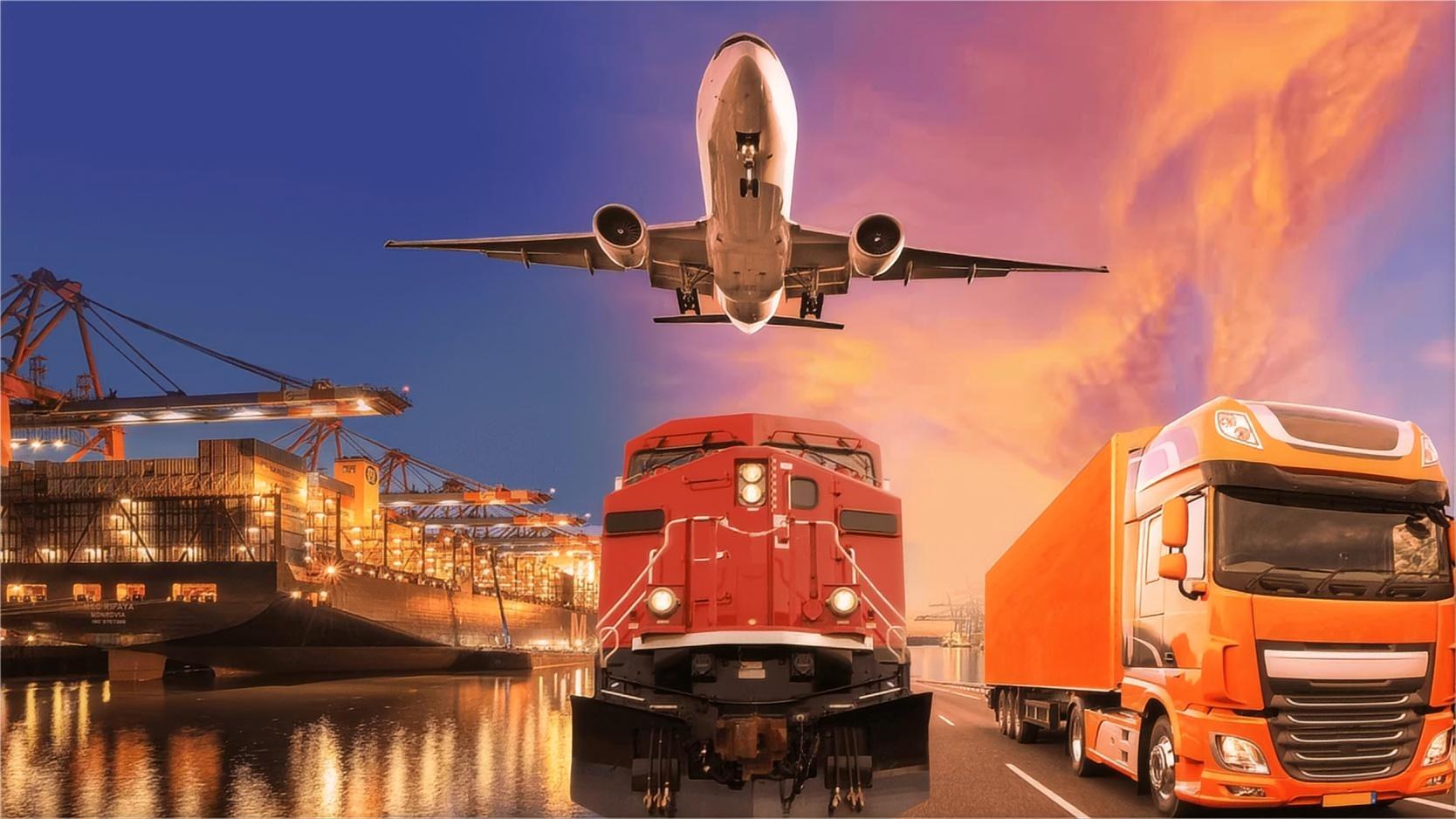
Choosing the right transportation method is the first step in securing a competitive china to Germany shipping quote. While sea freight remains the most popular choice for high-volume shipments, it is essential to weigh it against air and rail alternatives. Sea transport offers the lowest cost per unit, making it ideal for bulk commodities and large consumer goods.

However, the transit time for ocean shipments is significantly longer than other modes, typically ranging from 30 to 45 days depending on the port of loading. Consequently, businesses with urgent inventory needs might find the slower pace challenging for their supply chain agility. In contrast, air freight provides rapid delivery but at a much higher price point, while rail freight serves as a balanced middle ground.
| Shipping Method | Cost Range (2026) | Transit Time | Best For |
|---|---|---|---|
| Sea Freight (FCL) | $3,000 – $4,500 | 30 – 40 Days | Large volumes, heavy cargo |
| Rail Freight | $2,200 – $3,500 | 18 – 22 Days | Mid-range budget and speed |
| Air Freight | $4.50 – $8.00/kg | 5 – 8 Days | High-value, urgent goods |
| Express Service | $8.00 – $12.00/kg | 3 – 5 Days | Small parcels, documents |
Comparison of Shipping Methods for 2026
Analyzing the trade-offs between speed and cost is vital for making an informed decision. The following table provides an objective overview of the current market landscape for 2026.
What Factors Influence Your China to Germany Shipping Quote?
Several variables determine the final price you see on a china to Germany shipping quote. Fuel surcharges, known as the Bunker Adjustment Factor, fluctuate based on global oil prices and directly impact ocean and air rates. Moreover, seasonal demand plays a significant role, with prices often spiking during the peak season from August to October.
Container availability and port congestion also contribute to price volatility in the current 2026 market. Furthermore, the weight and volume of your cargo are the primary metrics used to calculate the base freight rate. Carriers use a chargeable weight system, which considers either the actual weight or the volumetric space the goods occupy.
Understanding Surcharges and Fees
Beyond the base freight cost, you must account for origin and destination charges. These include terminal handling charges, documentation fees, and customs brokerage services. Additionally, insurance premiums should be included in your budget to protect against potential cargo damage or loss during transit.
When Should You Choose Rail Freight for German Imports?
Utilizing rail freight has become an increasingly attractive strategy for companies looking to bridge the gap between sea and air. This method, often referred to as the Iron Silk Road, connects major Chinese hubs like Chengdu and Xi’an directly to German terminals in Duisburg and Hamburg. It offers a faster transit time than sea freight while remaining significantly cheaper than air transport.
Modern rail infrastructure in 2026 has improved reliability and reduced the risk of delays at border crossings. Therefore, it is an excellent choice for automotive parts, electronics, and seasonal fashion items that require a quicker turnaround than a ship can provide. In addition, rail transport is considered more environmentally friendly than air freight, aligning with many corporate sustainability goals.
The Benefits of Air Freight for Urgent Cargo
Selecting air freight is the most effective strategy when time is the most critical factor in your logistics chain. This method ensures that high-value or perishable goods reach the German market in less than a week. While the cost is higher, the reduced transit time can lead to lower inventory holding costs and faster capital turnover.
Security is another major advantage of air transport, as airports maintain strict cargo handling protocols. Consequently, the risk of theft or damage is minimal compared to other modes of transport. For businesses operating in the technology or pharmaceutical sectors, the speed and safety of air cargo are often worth the premium price reflected in a china to Germany shipping quote.
Which Option Should You Choose? Decision Framework
Determining the best shipping route depends on your specific business priorities and cargo characteristics. If your primary goal is cost minimization and you have flexible deadlines, sea freight is the logical recommendation. On the other hand, if you are facing a stock-out or launching a new product, air freight becomes the necessary choice despite the expense.
Consider rail freight if you need a balanced approach that offers predictable schedules and moderate pricing. For those shipping to Europe, hybrid solutions like sea-air or rail-sea combinations can also be explored to optimize both time and money. Always evaluate the total landed cost rather than just the initial freight rate to understand the true impact on your margins.
Realistic Case Studies for 2026 Logistics
Examining real-world examples helps clarify how a china to Germany shipping quote translates into actual expenditures. These cases reflect typical market conditions and pricing as of early 2026. Note that freight rates are subject to change based on fuel costs, carrier capacity, and seasonal demand. Contact us for a current quote tailored to your specific shipment.
Case Study 1: Industrial Machinery via Sea Freight
Route: Shanghai, China to Hamburg, Germany. Cargo: Industrial CNC Machine, 12 CBM, 4,500 kg. Container: LCL (Less than Container Load). Shipping Details: Major carrier, direct route. Ocean Freight: $1,250. Origin Charges: $350. Destination Charges: $450. Customs and Duties: $1,100. Total Landed Cost: $3,150. Timeline: 38 days door-to-door. Key Insight: Choosing LCL saved the client 40 percent compared to booking a full 20GP container.
Case Study 2: Consumer Electronics via Rail Freight
Route: Shenzhen, China to Duisburg, Germany. Cargo: Smart Home Devices, 25 CBM, 3,200 kg. Container: 40GP (Full Container). Shipping Details: Rail transit via Kazakhstan and Poland. Rail Freight: $3,200. Origin Charges: $400. Destination Charges: $550. Customs and Duties: $2,800. Total Landed Cost: $6,950. Timeline: 21 days door-to-door. Key Insight: Rail provided the necessary speed to meet a retail launch deadline without the extreme cost of air freight.

Navigating Customs and Documentation for Germany
Completing the necessary paperwork is a critical component of every china to Germany shipping quote. German customs authorities require precise documentation, including the commercial invoice, packing list, and bill of lading. Additionally, a Certificate of Origin may be required to benefit from specific trade agreements or to comply with import regulations.
Failure to provide accurate information can result in costly delays and additional storage fees at the port. Therefore, partnering with a knowledgeable freight forwarder who understands EU customs regulations is essential. They will ensure that your goods are classified correctly under the Harmonized System (HS) codes to avoid overpaying duties or facing penalties.
Final Thoughts on Shipping from China to Germany
Summarizing your options is the best way to prepare for a successful import journey in 2026. Whether you prioritize the affordability of sea freight, the speed of air cargo, or the efficiency of rail transport, obtaining a detailed china to Germany shipping quote is the foundation of your planning. By understanding the market trends and cost drivers, you can make strategic decisions that enhance your competitive edge.
Indeed, the logistics landscape continues to evolve, but with the right partner and a clear strategy, your business can thrive. Always remember to factor in customs, insurance, and local delivery to get a complete picture of your shipping expenses. We invite you to reach out to our team for the most up-to-date rates and professional guidance for your next shipment to Germany.

Need a tailored shipping solution?
Ready to optimize your supply chain and secure a competitive china to Germany shipping quote? Our team of logistics experts is standing by to provide you with a customized solution that meets your budget and timeline. See: Visit https://Top China Freight.net/ to request your personalized quote today and experience seamless international shipping. Send Inquiry: