
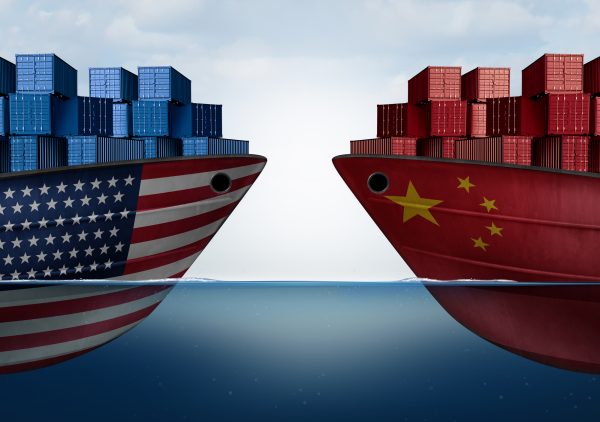
FCL Container China to USA Cost: 2026 Complete Shipping Guide
Navigating the complexities of FCL container china to USA cost is essential for businesses aiming to optimize their global supply chain in 2026. Working with a reliable partner like Top China Freight ensures that you receive competitive pricing and transparent service for your international logistics needs. As global trade routes evolve, understanding the nuances of full container load shipments becomes a competitive advantage for importers seeking to maintain healthy margins. This comprehensive guide breaks down the current market rates, surcharges, and strategic considerations for shipping from the worlds manufacturing hub to the American market.
What Determines the FCL Container China to USA Cost?
Calculating the total FCL container china to USA cost involves more than just looking at the base ocean freight rate provided by carriers. Several variables influence the final invoice, including bunker adjustment factors, terminal handling charges, and seasonal surcharges that fluctuate throughout the year. Furthermore, the specific port of origin in China and the final destination port in the United States play a massive role in determining the base price.

Choosing sea freight remains the most cost-effective method for transporting large volumes of goods across the Pacific. However, importers must account for inland trucking costs on both ends of the journey, which can sometimes equal the cost of the ocean leg itself. Therefore, a holistic view of the supply chain is necessary to understand the true landed cost of your products.
Market conditions in 2026 have stabilized significantly following the technological integration of smart containers and automated port handling. Consequently, while rates are more predictable than in previous years, they still respond to global energy prices and labor availability. Importers should monitor these trends closely to time their bookings for maximum cost efficiency.
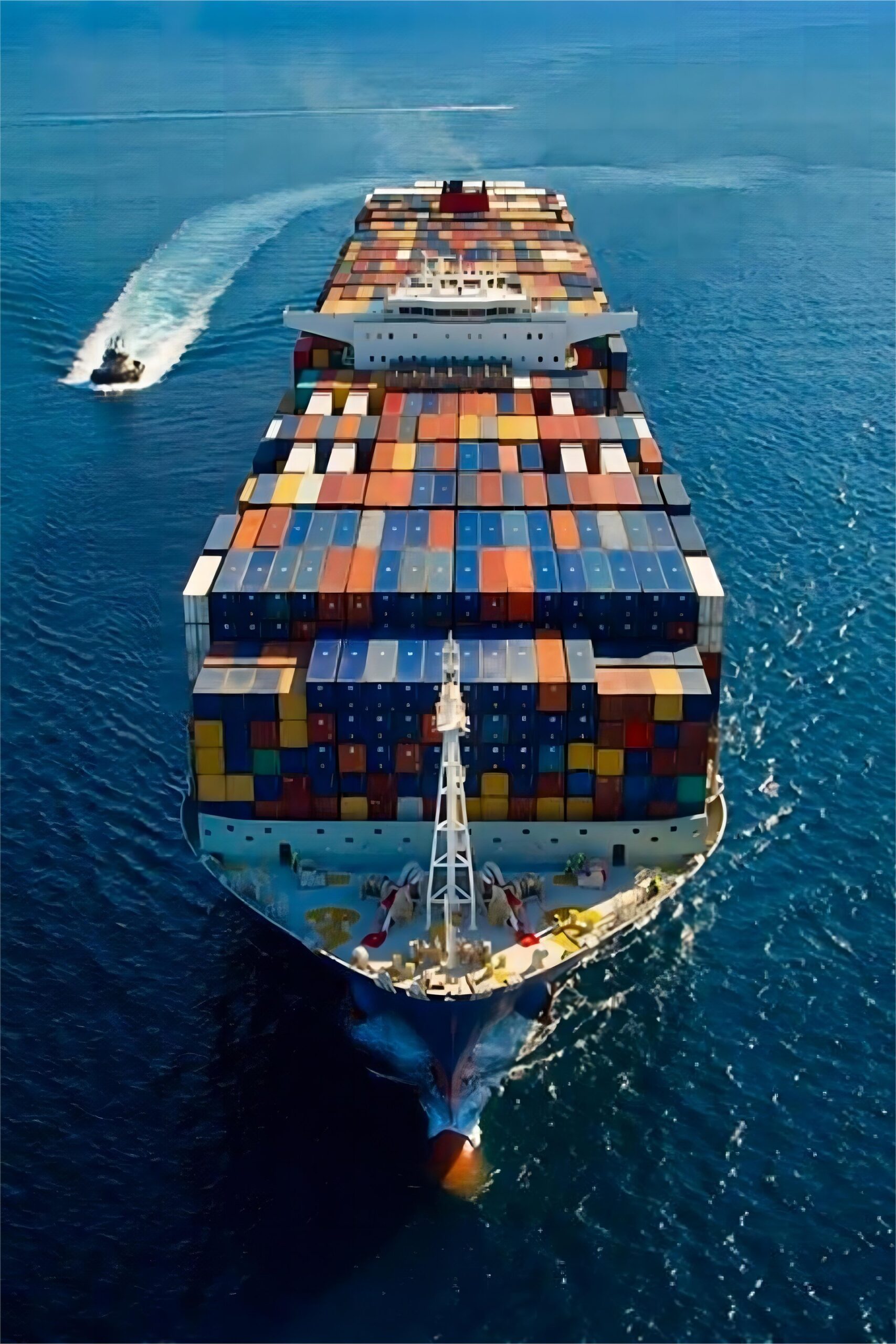
Average Pricing for 20GP and 40HQ Containers in 2026
Standard container sizes like the 20ft General Purpose (20GP) and the 40ft High Cube (40HQ) serve as the backbone of international trade. For most businesses, the 40HQ offers the best value per cubic meter, especially for lightweight but bulky items. In contrast, the 20GP is ideal for heavy machinery or dense materials that would exceed weight limits in a larger container.
Based on current market rates as of early 2026, shipping a container to the US West Coast is significantly cheaper than shipping to the East Coast. This price disparity exists because of the shorter sailing distance and the high volume of traffic handled by ports like Los Angeles and Long Beach. Additionally, transit times to the West Coast are roughly half of those to the East Coast via the Panama Canal.
| Route | 20GP Cost Range | 40HQ Cost Range | Avg. Transit Time |
|---|---|---|---|
| China to USA West Coast | $1,600 – $2,300 | $2,900 – $3,900 | 14-18 Days |
| China to USA East Coast | $2,700 – $3,700 | $4,600 – $6,200 | 30-35 Days |
| China to USA Gulf Coast | $2,400 – $3,400 | $4,200 – $5,800 | 28-32 Days |
How Does FCL Compare to Other Shipping Options?
Analyzing the FCL container china to USA cost alongside alternative methods like LCL or air freight reveals distinct advantages for high-volume shippers. While FCL requires you to pay for the entire container, it offers better security and faster transit times because your goods are not handled at consolidation warehouses. Moreover, the risk of damage is lower since the container is sealed at the factory and only opened at the final destination.
For smaller shipments, air freight provides unmatched speed, but the cost per kilogram is exponentially higher than sea freight. Businesses must weigh the urgency of their inventory needs against the significant savings offered by ocean transport. In many cases, a hybrid strategy using both methods helps maintain stock levels while keeping overall logistics costs manageable.
| Shipping Method | Cost Range | Transit Time | Best For |
|---|---|---|---|
| FCL (Full Container) | $3,000 – $6,000 | 15-35 Days | Large volumes (>15 CBM) |
| LCL (Less Container) | $60 – $120 per CBM | 20-40 Days | Small shipments (1-15 CBM) |
| Air Freight | $4.50 – $9.00 per kg | 3-7 Days | Urgent or high-value goods |
| Express Service | $7.00 – $12.00 per kg | 2-5 Days | Samples and documents |
Understanding Surcharges and Hidden Fees
Budgeting for FCL container china to USA cost requires a detailed breakdown of local charges that occur before the ship even leaves the port. These include the Terminal Handling Charge (THC), documentation fees, and the Automated Manifest System (AMS) filing fee. Specifically, in 2026, many carriers have also introduced environmental surcharges to comply with new carbon emission regulations.
Destination charges in the United States can also surprise unprepared importers. You must account for harbor maintenance fees, merchandise processing fees, and potential demurrage if your container sits at the port for too long. Utilizing a professional customs brokerage service is the most effective way to navigate these complexities and avoid costly delays or penalties.
Real-World Case Studies for 2026
Case Study 1: Electronics Shipment from Shenzhen to Los Angeles. Route: Shenzhen Port to Port of Los Angeles. Cargo: Consumer electronics, 65 CBM, 12,000 kg. Container: 40HQ. Shipping Details: Major carrier, direct route. Cost Breakdown: Ocean Freight $3,100, Origin Charges $350, Destination Charges $450, Customs and Duties $2,200. Total Landed Cost: $6,100. Timeline: 16 days port-to-port, 22 days door-to-door. Key Insight: Booking 3 weeks in advance secured a lower rate before a mid-month GRI.
Case Study 2: Textile Import from Ningbo to Savannah. Route: Ningbo Port to Port of Savannah via Panama Canal. Cargo: Cotton apparel, 28 CBM, 8,500 kg. Container: 20GP. Shipping Details: Transshipment via Busan. Cost Breakdown: Ocean Freight $2,850, Origin Charges $300, Destination Charges $500, Customs and Duties $1,800. Total Landed Cost: $5,450. Timeline: 33 days port-to-port, 40 days door-to-door. Key Insight: Using an East Coast port saved $1,200 in cross-country trucking costs compared to a West Coast entry for this Georgia-based warehouse.
Which Option Should You Choose?
Determining the right shipping strategy depends on your specific business priorities and cargo characteristics. If your primary goal is cost reduction and you have a volume exceeding 15 cubic meters, FCL is almost always the superior choice. Furthermore, for e-commerce sellers using Amazon FBA, FCL provides the consistency needed to meet strict delivery windows at the lowest possible price point.
Speed-oriented businesses might prefer air freight for product launches, while budget-conscious startups might start with LCL. However, as your business scales, transitioning to FCL allows for better inventory control and significant economies of scale. Always calculate the total cost per unit rather than just the shipping price to see the true impact on your profitability.
Strategies to Reduce Your FCL Container China to USA Cost
Implementing a few strategic changes can lead to substantial savings on your annual shipping budget. One of the most effective methods is optimizing your packaging to ensure you are utilizing every cubic inch of the container space. Additionally, choosing door to door services can often be cheaper than booking each leg of the journey separately because freight forwarders have better bargaining power with local truckers.
Planning your shipments outside of peak seasons is another proven way to lower costs. Traditionally, the months leading up to the Lunar New Year and the Golden Week holiday see a massive spike in rates due to high demand. By scheduling your production to avoid these windows, you can often save 20 percent or more on ocean freight. Finally, always request multiple quotes and maintain a good relationship with your logistics provider to access the best available spot rates.

Final Thoughts on FCL Container China to USA Cost
Summarizing the current landscape, the FCL container china to USA cost remains a dynamic variable that requires constant monitoring and strategic planning. While base rates have stabilized in 2026, the inclusion of various surcharges and inland costs means that importers must remain vigilant to maintain their margins.
Successfully managing your international logistics involves more than just finding the lowest price. It requires a balance of speed, reliability, and cost-efficiency. By leveraging the insights in this guide and partnering with experienced professionals, you can navigate the complexities of the trans-Pacific trade route with confidence and achieve long-term growth for your business.
Start Your Shipment
Ready to optimize your supply chain and reduce your FCL container china to USA cost for your next shipment? Contact our expert team today for a personalized quote and professional logistics advice tailored to your 2026 business goals. Visit Top China Freight to get started now.
Request Quote