Sea Freight Rates China to USA: 2026 Comprehensive Shipping Guide
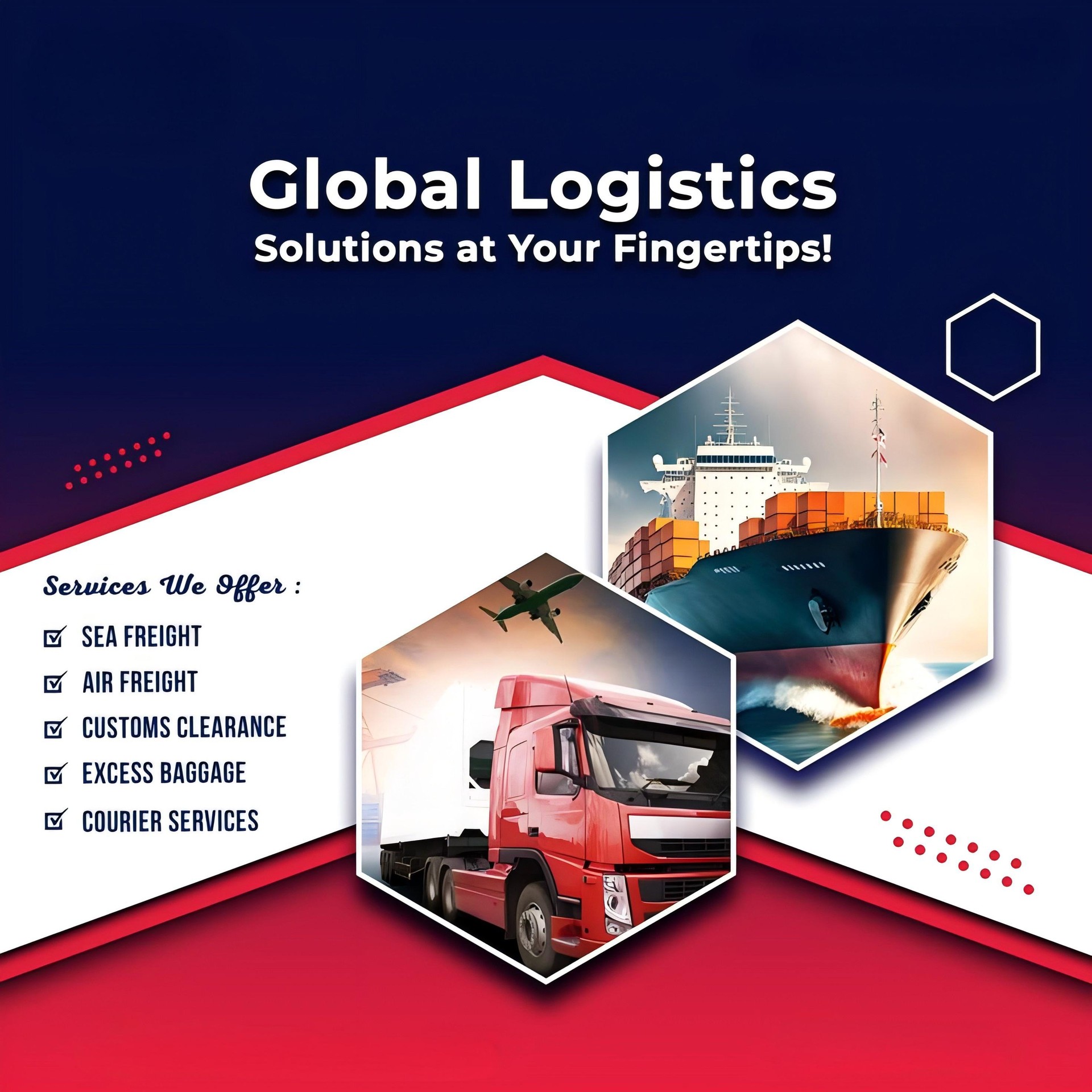
Sea freight rates China to USA are a critical component for businesses managing global supply chains in 2026. Navigating these costs requires a deep understanding of market fluctuations and carrier capacity. Top China Freight provides the expertise needed to optimize your logistics budget while ensuring timely delivery across the Pacific. Understanding the nuances of ocean transport is essential for maintaining a competitive edge in the North American market.
✦
What Factors Influence Sea Freight Rates China to USA in 2026?
Fuel costs and global demand significantly impact pricing structures for transpacific routes this year. Furthermore, port congestion in major hubs like Los Angeles or Savannah can lead to unexpected surcharges for importers. Carriers often adjust their General Rate Increases based on seasonal volume spikes throughout the fiscal year. Consequently, staying informed about these shifts is vital for accurate budgeting.
Market data suggests that environmental regulations have also introduced new compliance costs for vessel operators. Additionally, the availability of empty containers in key Chinese ports affects the base price of every booking. Indeed, shippers must account for these variables when planning their annual logistics expenditures. Proper forecasting helps mitigate the risks associated with volatile market conditions.
How Much Does a Container Cost from China to the USA?
Full Container Load prices vary depending on the destination port and the specific size of the equipment used. For instance, shipping a 40HQ container to the West Coast is generally more affordable than routing it to the East Coast. Moreover, the choice between a 20GP and a 40GP container involves analyzing the weight and volume of your specific cargo. Selecting the right sea freight option ensures you do not pay for unused space.
According to industry benchmarks, the current market for 2026 shows a stabilization in rates after the disruptions seen in previous years. Nevertheless, peak season shipping surcharges during August and October can still inflate costs by up to 25 percent. Therefore, booking several weeks in advance is a proven strategy for securing lower rates. Many businesses now utilize long-term contracts to avoid the volatility of the spot market.
| Route | 20GP Container | 40GP Container | 40HQ Container |
|---|---|---|---|
| China to USA West | $1,500 – $2,200 | $2,500 – $3,500 | $2,800 – $3,800 |
| China to USA East | $2,500 – $3,500 | $4,000 – $5,500 | $4,500 – $6,000 |
| China to Gulf Coast | $2,200 – $3,000 | $3,800 – $4,800 | $4,200 – $5,200 |
Is LCL Shipping More Economical for Smaller Shipments?
Less than Container Load services allow businesses to share space with other shippers, reducing individual costs for small volumes. Specifically, LCL freight rates per CBM are ideal for cargo that does not fill at least half of a 20ft container. However, handling fees at consolidation centers can sometimes make LCL more expensive per unit than FCL for larger batches. It is important to calculate the total landed cost before deciding on this method.
Transit times for LCL are often slightly longer due to the necessary consolidation and deconsolidation processes at both ends. Additionally, there is a higher risk of cargo handling issues when multiple shipments are packed together. In contrast, businesses shipping high-value items might prefer air freight to minimize handling and transit time. Every logistics manager should weigh the cost savings of LCL against the potential for minor delays.

How Does Sea Freight Compare to Other Shipping Options?
While sea freight offers the lowest cost per unit for bulk items, it is significantly slower than alternative transport modes. For example, express services can deliver goods within days, whereas ocean transit takes several weeks. Furthermore, sea-air hybrid solutions have emerged as a middle ground for those needing a balance of speed and cost. Understanding these trade-offs is essential for effective supply chain management.
Rail freight remains an option for inland China, but it is not a direct alternative for transpacific shipping to North America. Consequently, the primary choice for US importers remains between the ocean and the air. Businesses often use sea freight for replenishment and air freight for urgent stockouts. This multi-modal approach helps maintain inventory levels without overspending on transport.
| Shipping Method | Cost Range | Transit Time | Best For |
|---|---|---|---|
| Sea Freight | $2,800 – $6,000 | 14 – 35 Days | Bulk Shipments |
| Air Freight | $15,000 – $25,000 | 3 – 7 Days | Urgent Goods |
| Sea-Air Hybrid | $8,000 – $12,000 | 12 – 18 Days | Balanced Needs |
| Express Service | $20,000+ | 2 – 4 Days | Small Samples |
Which Option Should You Choose for Your Business?
Budget priority usually dictates a preference for sea freight due to its unmatched economy for large volumes. If your cargo exceeds 15 CBM, FCL is almost always the most cost-effective choice for your bottom line. On the other hand, speed-sensitive products like fashion or electronics might require faster transit to meet market demand. Logistics trends in 2026 suggest a shift toward more flexible shipping schedules.
Cargo type also plays a significant role in the decision-making process for international trade. For instance, heavy machinery is restricted to ocean vessels, while small high-value components are better suited for air. Additionally, Amazon FBA sellers must consider the strict delivery windows required by fulfillment centers. Choosing the right method involves balancing these operational requirements with your financial goals.
What Are the Transit Times for Sea Freight from China to the USA?
Ocean transit from Shanghai to Los Angeles typically takes between 12 and 18 days depending on the carrier service. In contrast, routes to the East Coast via the Panama Canal can take 30 to 35 days to complete. Moreover, inland destinations in the Midwest require additional rail transport, adding another 7 to 10 days to the schedule. These timelines must be factored into your production and sales cycles.
Direct routes are faster but often come with a premium price tag compared to transshipment options. Specifically, ships stopping in intermediate ports like Busan or Kaohsiung may offer lower rates but extend the journey. As a result, importers must decide if the time savings justify the extra expense. Market data confirms that transit time reliability has improved significantly in early 2026.
Realistic Case Studies of Shipping from China to the USA
Case Study 1: Consumer Electronics from Shenzhen to Long Beach. Route: Shenzhen, China to Long Beach, USA. Cargo: Electronics, 28 CBM, 4500 kg. Container: 40HQ. Shipping Details: Major carrier, direct route. Ocean Freight: $3,200. Origin Charges: $450. Destination Charges: $600. Customs: $1,200. Total Landed Cost: $5,450. Timeline: 18 days door-to-door. Key Insight: Utilizing a direct route saved 5 days of transit time during a critical product launch.
Case Study 2: Apparel from Ningbo to New York. Route: Ningbo, China to New York, USA. Cargo: Fashion Apparel, 12 CBM, 2000 kg. Container: LCL 12 CBM. Shipping Details: Transshipment via Busan. Ocean Freight: $1,440 ($120/CBM). Origin Charges: $300. Destination Charges: $550. Customs: $800. Total Landed Cost: $3,090. Timeline: 34 days door-to-door. Key Insight: LCL was chosen over a 20GP to save approximately $800 in total costs for this mid-sized shipment.
Note: Freight rates are subject to change based on fuel costs, carrier capacity, and seasonal demand. Contact us for a current quote tailored to your specific shipment.
How to Navigate Customs and Documentation for US Imports?
Customs clearance is a mandatory step that can cause significant delays if the paperwork is incorrect. Essential documents include the Commercial Invoice, Packing List, and the Bill of Lading provided by the carrier. Furthermore, an ISF filing must be completed at least 24 hours before the ship leaves the Chinese port. Engaging a professional Customs Brokerage service helps ensure all regulations are met.
Duties and taxes are calculated based on the HTS code assigned to your specific products. Consequently, misclassifying goods can lead to heavy fines or seizure by US Customs and Border Protection. Additionally, certain products may be subject to anti-dumping duties or Section 301 tariffs. Navigating these complexities requires up-to-date knowledge of trade policies in North America to avoid unexpected costs.
Final Thoughts on Sea Freight Rates China to USA
Managing sea freight rates China to USA requires a proactive approach and a reliable logistics partner. By understanding the factors that drive costs, from fuel surcharges to port congestion, you can make more informed shipping decisions. Whether you choose FCL for its efficiency or LCL for its flexibility, the goal remains the same: reducing costs while maintaining a stable supply chain.
Logistics trends will continue to evolve, but the importance of the transpacific trade lane remains constant. Staying ahead of market changes and utilizing cost-saving strategies will ensure your business remains profitable. Top China Freight is here to help you navigate the complexities of 2026 shipping with ease and transparency.