

Logistics Company China to USA: 2026 Shipping Rates and Guide
Navigating the transpacific trade route in 2026 requires a strategic partnership with a reliable Top China Freight expert. A professional logistics company China to USA provides the necessary infrastructure to manage complex supply chains while maintaining cost-efficiency. As global markets stabilize following the shifts of the previous year, businesses must understand the nuances of freight modes, customs regulations, and delivery timelines to remain competitive. This comprehensive guide explores how to optimize your shipping strategy from major Chinese hubs to the United States.
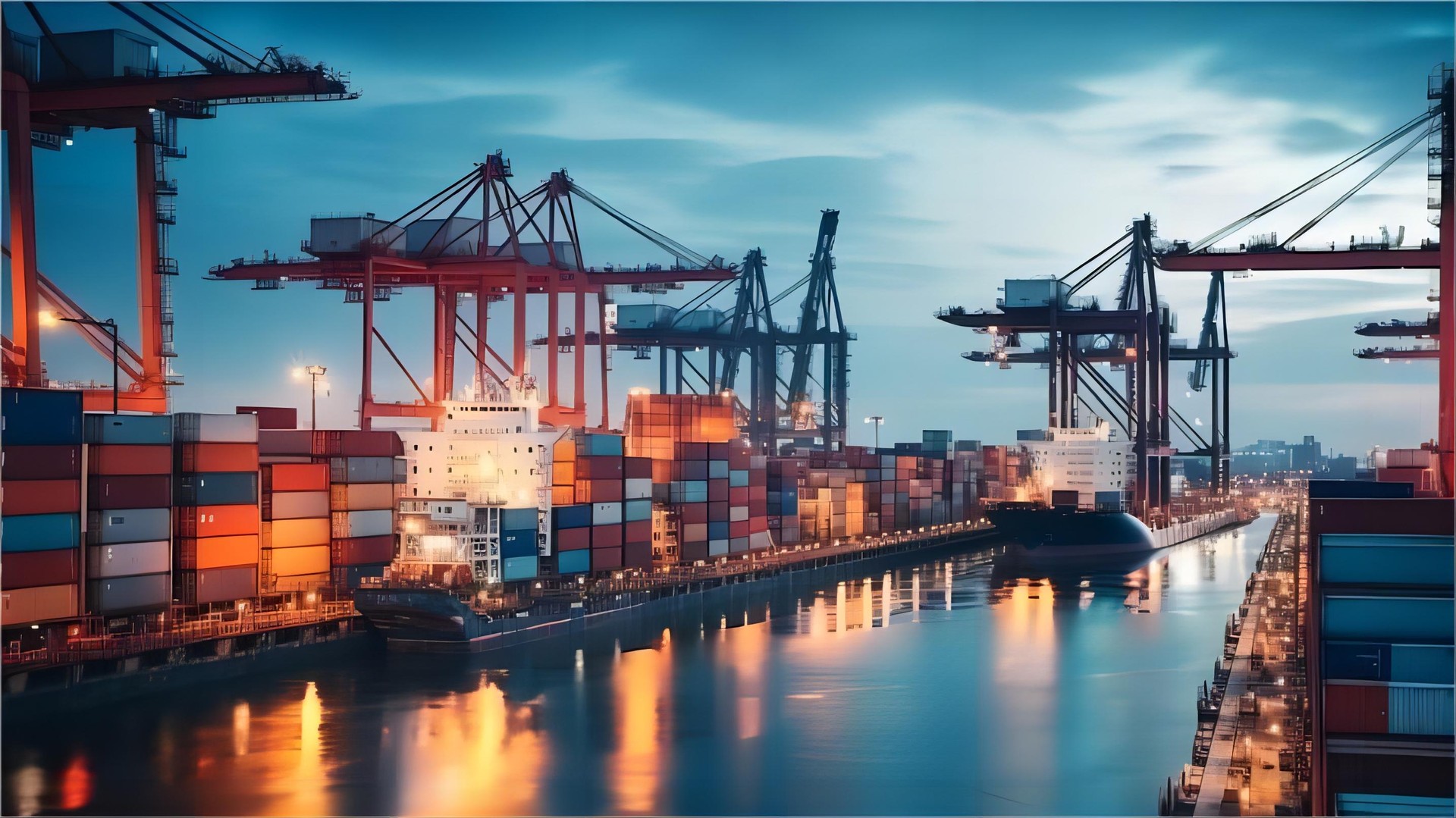
Choosing the Right Logistics Company China to USA in 2026
Managing international trade involves more than just moving boxes from one point to another. Moreover, the 2026 logistics landscape is characterized by increased digitalization and stricter environmental compliance standards across the Pacific. Consequently, working with an experienced partner allows importers to mitigate risks associated with port congestion and evolving regulatory changes.
Furthermore, these specialists offer local expertise in Chinese manufacturing hubs such as Shenzhen, Ningbo, and Shanghai. Specifically, they understand the local port operations and can secure space on vessels even during peak seasons. Therefore, selecting a provider with a strong presence in both countries is essential for long-term success.
In addition, modern logistics providers utilize advanced tracking technologies to provide real-time visibility into your cargo’s journey. Indeed, knowing the exact location of your shipment helps in managing inventory levels and meeting customer expectations. Clearly, the role of a freight forwarder has evolved into a comprehensive supply chain consultancy.
How Does Sea Freight Compare to Other Shipping Options?
Choosing the right mode of transport depends heavily on your budget, cargo volume, and the urgency of your delivery schedule. For instance, sea freight remains the most economical choice for high-volume shipments exceeding 15 cubic meters. In contrast, air freight offers unparalleled speed for high-value or perishable items that require immediate delivery.
Meanwhile, hybrid solutions like sea-air combinations have gained popularity in early 2026 for balancing cost and speed. These strategies involve shipping by sea to a hub like Korea or Dubai and then flying the cargo to the USA. Consequently, this method can reduce transit times compared to pure ocean freight while keeping costs lower than pure air freight.
Ultimately, the decision should be based on a thorough analysis of your landed costs and inventory turnover requirements. Specifically, businesses must weigh the savings of ocean transport against the potential lost sales of a slower delivery. Historically, sea freight has been the backbone of China-US trade, and this trend continues into 2026.
| Shipping Method | Cost Range (2026) | Transit Time | Best For |
|---|---|---|---|
| Sea Freight (FCL) | $2,500 – $5,500 per container | 18 – 35 Days | Bulk and heavy goods |
| Air Freight | $5.00 – $11.00 per kg | 3 – 7 Days | High-value electronics |
| Express Service | $8.50 – $16.00 per kg | 2 – 5 Days | Small urgent parcels |
| Sea-Air Hybrid | $3.50 – $6.50 per kg | 12 – 18 Days | Mid-range urgency |
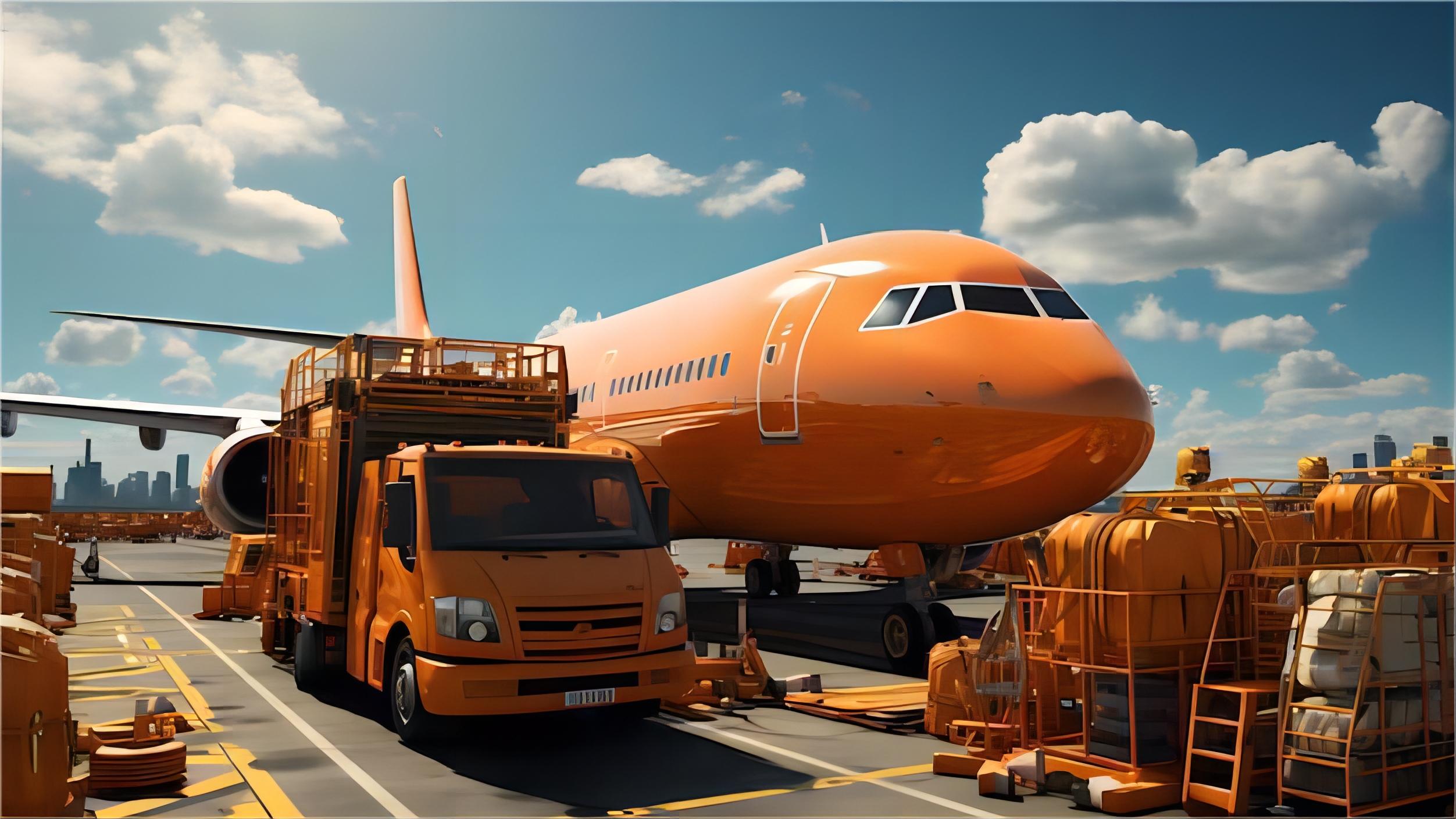
Understanding Sea Freight: FCL versus LCL
Full Container Load (FCL) shipping is ideal for businesses that can fill an entire 20ft or 40ft container with their products. Indeed, FCL offers better security and faster transit times because the container remains sealed from the origin factory to the final destination. Moreover, the price per cubic meter is typically lower when you utilize the entire container capacity.
On the other hand, Less than Container Load (LCL) allows smaller businesses to share container space with other shippers. Although this makes it a cost-effective alternative for shipments under 15 CBM, it often involves longer transit times. Consequently, the consolidation and deconsolidation processes at the ports can add several days to the overall schedule.
Regardless of the method, understanding the current freight rates is vital for accurate budgeting. As of Q1 2026, FCL rates to the US West Coast have stabilized, while East Coast routes remain slightly higher due to Panama Canal transit fees. Therefore, importers should consult with their logistics company China to USA to determine the most efficient port of entry.
Air Freight and Express Services for Urgent Needs
When time is of the essence, air freight serves as the fastest method to move goods across the Pacific. Specifically, 2026 market data suggests that air cargo transit times currently average between 3 to 7 days depending on the service level chosen. Additionally, major carriers have increased their flight frequencies from Shanghai and Hong Kong to meet rising demand.
Furthermore, for smaller parcels weighing less than 100kg, using an express service provides a seamless experience. These services include integrated customs clearance and door-to-door delivery, making them perfect for samples or urgent replacements. Consequently, many e-commerce businesses rely on express shipping to maintain high customer satisfaction levels.
However, the high cost of air transport means it should be used strategically for specific product categories. For example, fashion retailers and electronics manufacturers often use air freight to stay ahead of fast-moving market trends. In contrast, heavier industrial components are better suited for sea transport unless a production line stoppage is imminent.
The Role of Amazon FBA in Modern Logistics
E-commerce sellers increasingly rely on specialized Amazon FBA logistics to meet strict delivery windows. Furthermore, shipping directly from China to US fulfillment centers requires meticulous labeling and packaging compliance to avoid penalties. As a result, professional freight forwarders now offer specialized prep services in China to ensure goods are ready for immediate intake.
Specifically, these services include palletizing, labeling, and quality inspections before the goods leave the factory. Consequently, utilizing a specialized logistics company China to USA reduces the risk of Amazon rejecting shipments upon arrival. Moreover, many providers offer bonded warehousing solutions to help sellers manage their inventory flow more effectively.
Therefore, e-commerce entrepreneurs should look for partners who have a deep understanding of the Amazon Seller Central requirements. Indeed, a smooth FBA delivery process is critical for maintaining high seller ratings and ensuring product availability during peak shopping seasons. Clearly, specialized logistics are the backbone of the modern online retail industry.
Navigating Customs Brokerage and Regulatory Compliance
Navigating the US Customs and Border Protection (CBP) requirements is often the most challenging part of the import process. Specifically, a dedicated customs brokerage service ensures that all documentation is accurate and submitted on time. Moreover, understanding the latest Section 301 tariffs and HTS codes is vital for calculating the total landed cost of your goods.
Consequently, errors in documentation can lead to costly delays, storage fees, or significant fines at the port of entry. In addition to the standard Commercial Invoice and Bill of Lading, certain products may require specialized permits or certificates of origin. Furthermore, the 2026 regulatory environment has introduced new requirements for sustainability reporting that importers must follow.
Indeed, a professional customs broker acts as a bridge between the importer and the government authorities. By ensuring compliance with all local laws, they help facilitate a faster release of cargo from the terminal. Ultimately, investing in expert brokerage services pays for itself by preventing expensive logistical bottlenecks.

Which Option Should You Choose? Decision Framework
Selecting the ideal shipping method requires a balanced evaluation of several key factors. Primarily, you must consider your total budget and how shipping costs will impact your product’s retail price. If your margins are tight and the goods are not time-sensitive, sea freight is almost always the preferred choice. Conversely, if you are shipping high-value items with a short shelf life, air freight is necessary.
In addition, the volume and weight of your cargo play a significant role in the decision-making process. For shipments under 100kg, express services are often the most economical when considering the total door-to-door cost. Meanwhile, shipments between 100kg and 500kg may benefit from air freight, while anything over 15 CBM should definitely go via FCL sea freight.
Finally, consider the destination within the USA. Shipping to the West Coast is faster and cheaper from China than shipping to the East Coast. If your warehouse is in New York, you must choose between a longer all-water route through the Panama Canal or a faster ‘mini-landbridge’ via rail from California. Each option has its own trade-offs in terms of time and expense.
Real-World Case Studies: Logistics Company China to USA
Case Study 1: High-Volume Electronics Distribution
Route: Shenzhen, China to Los Angeles, USA. Cargo: Consumer Electronics, 45 CBM, 8,500 kg. Container: 40GP. Shipping Details: Carrier: Maersk; Port of Loading: Shenzhen; Port of Discharge: Los Angeles; Route Type: Direct. Cost Breakdown: Ocean Freight: $3,200; Origin Charges: $450; Destination Charges: $600; Customs and Duties: $1,200; Total Landed Cost: $5,450. Timeline: Booking to Loading: 4 days; Sea Transit: 15 days; Customs Clearance: 2 days; Total Door-to-Door: 21 days. Key Insight: Direct routing to the West Coast minimized transit time for time-sensitive electronics in early 2026.
Case Study 2: LCL Furniture Shipment
Route: Ningbo, China to New York, USA. Cargo: Office Furniture, 8 CBM, 1,200 kg. Container: LCL. Shipping Details: Carrier: COSCO; Port of Loading: Ningbo; Port of Discharge: New York; Route Type: Transshipment via Panama Canal. Cost Breakdown: Ocean Freight: $1,100; Origin Charges: $250; Destination Charges: $400; Customs and Duties: $350; Total Landed Cost: $2,100. Timeline: Booking to Loading: 6 days; Sea Transit: 32 days; Customs Clearance: 3 days; Total Door-to-Door: 41 days. Key Insight: LCL was 40 percent cheaper than a 20GP for this volume, despite the longer transit time.
How a Logistics Company China to USA Handles Door to Door Delivery
Choosing a door to door service model simplifies the entire logistics chain by providing a single point of contact. Specifically, the logistics provider manages everything from factory pickup in China to final delivery at your US warehouse. Consequently, this approach is particularly beneficial for small to medium-sized enterprises that lack a dedicated logistics department.
Moreover, the transparency provided by modern tracking systems ensures you always know the status of your cargo. In addition, door-to-door services often include ‘DDP’ (Delivered Duty Paid) terms, where the forwarder handles all taxes and duties on your behalf. Therefore, you receive a single invoice that covers the entire journey, making accounting and financial planning much simpler.
Indeed, the convenience of a managed solution allows business owners to focus on sales and marketing rather than shipping paperwork. While the service may carry a slight premium, the reduction in administrative burden and the prevention of delays often result in a higher return on investment. Clearly, door-to-door logistics is the gold standard for modern importers.

Current Market Trends and 2026 Rate Forecasts
As of early 2026, the transpacific shipping market has seen a stabilization of freight rates after the volatility of previous years. Specifically, the introduction of new eco-friendly vessels has increased capacity while slightly raising fuel surcharges. Moreover, port automation projects in Long Beach and Savannah have improved container throughput speeds by 15 percent compared to historical averages.
Consequently, importers can expect more predictable transit times, although seasonal spikes around Chinese New Year and the Q4 peak remain a factor. Furthermore, the shift toward regionalizing supply chains has led to more diverse port calls, reducing the reliance on a single gateway. Therefore, staying informed about these trends is essential for making strategic logistics decisions.
Note: Freight rates are subject to change based on fuel costs, carrier capacity, and seasonal demand. Contact us for a current quote tailored to your specific shipment.
Summary of 2026 Logistics Strategies
To summarize, selecting the right logistics company China to USA involves balancing speed, cost, and reliability in an ever-changing market. Whether you choose sea freight for its economy or air freight for its speed, understanding the 2026 market context is essential for your success. By leveraging professional brokerage services and specialized FBA solutions, you can ensure your goods arrive safely and on time.
Ultimately, a strategic logistics partnership is the foundation of successful transpacific trade. As technology continues to improve visibility and efficiency, businesses that adapt their shipping strategies will gain a significant competitive advantage. Always prioritize transparency and compliance to ensure your supply chain remains resilient against future global disruptions.
Need a tailored shipping solution?
Partnering with a professional logistics company China to USA is the most effective way to streamline your 2026 supply chain and reduce overhead costs. Contact our team today to receive a personalized freight quote and discover how we can optimize your shipping strategy for maximum efficiency. Send Inquiry to start your journey toward hassle-free international trade.