

Amazon FBA Shipping China to Germany: 2026 Strategy Guide
Navigation of the complex logistics landscape for amazon fba shipping china to Germany requires precision and expertise to ensure your inventory reaches its destination on time. By partnering with Top China Freight, you can streamline your supply chain and focus on scaling your business in the European market. Our comprehensive solutions address the unique challenges of international logistics while maintaining cost-efficiency for every shipment.

What Are the Primary Methods for Amazon FBA Shipping China to Germany?
Sellers frequently choose between several transportation modes based on their specific budget and timeline requirements for the 2026 market. Consequently, selecting the right method is the most critical decision in your logistics planning phase.
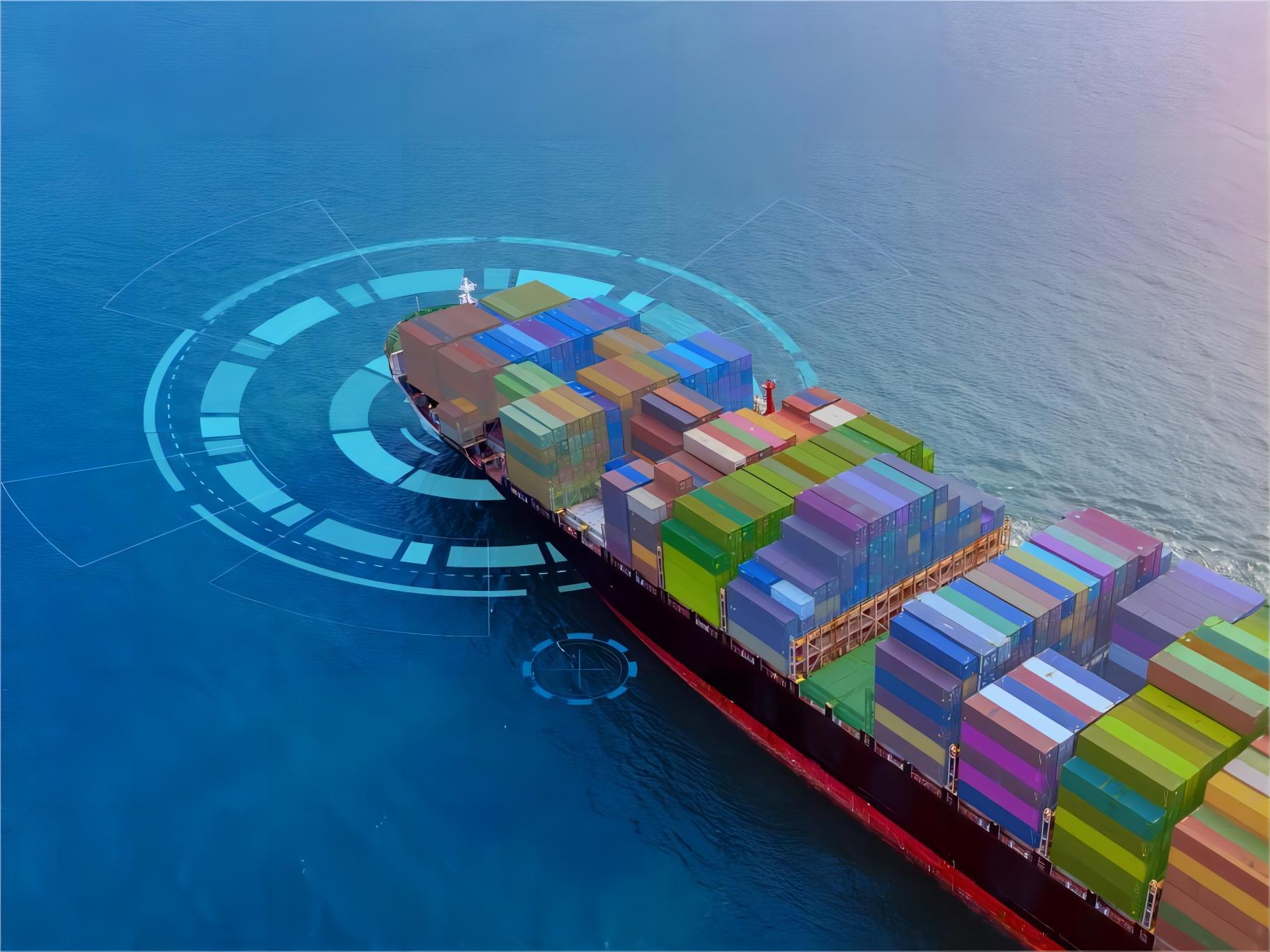
Sea freight remains the most popular choice for large volume shipments due to its unmatched cost-efficiency for heavy cargo. Moreover, sea freight provides the capacity needed for massive inventory restocks during peak shopping seasons.
Rail freight offers a balanced middle ground, providing faster transit than ocean transport while remaining significantly cheaper than air options. Therefore, many European sellers utilize the Silk Road rail networks to maintain a steady flow of goods without the high costs of flight.
Air freight serves as the fastest solution for urgent inventory needs or high-value products that require immediate market entry. However, you must account for higher freight rates when choosing air freight to ensure your profit margins remain healthy.
How Much Does Amazon FBA Shipping China to Germany Cost in 2026?
Shipping costs fluctuate based on fuel surcharges, carrier capacity, and seasonal demand throughout the year. Specifically, the rates for early 2026 have stabilized following previous global disruptions, allowing for better budget forecasting.
In addition to base freight rates, you must consider origin charges, documentation fees, and destination handling costs. Furthermore, VAT and customs duties in Germany can significantly impact your total landed cost.
Market data suggests that FCL shipments offer the best value for sellers moving more than 15 cubic meters of inventory. Meanwhile, LCL options allow smaller sellers to share container space and reduce their upfront logistics investment.
| Container Type | Average Cost (USD) | Transit Time | Best For |
|---|---|---|---|
| 20GP FCL | $1,900 – $2,600 | 30-35 Days | Heavy Bulk Goods |
| 40GP FCL | $3,000 – $4,000 | 30-35 Days | Large Volume |
| 40HQ FCL | $3,200 – $4,500 | 30-35 Days | High Volume Light |
| LCL (per CBM) | $90 – $150 | 35-40 Days | Small Shipments |
How Does Sea Freight Compare to Other Shipping Options?
Comparing different logistics modes requires an objective analysis of speed, cost, and reliability for the China-Germany route. Indeed, while sea freight is the most economical, it lacks the agility of air or express services.
Rail freight has become a formidable competitor to sea freight for German destinations like Hamburg and Duisburg. As a result, sellers can save nearly two weeks of transit time by paying a moderate premium over ocean rates.
Air freight remains the undisputed leader for speed, yet its environmental impact and high cost make it less suitable for low-margin products. Nevertheless, it is indispensable for product launches and preventing out-of-stock scenarios.
| Method | Cost Range | Transit Time | Limitations |
|---|---|---|---|
| Sea Freight | Low | 30-40 Days | Slowest Speed |
| Rail Freight | Medium | 18-25 Days | Terminal Congestion |
| Air Freight | High | 5-8 Days | Weight Limits |
| Express | Very High | 3-5 Days | Expensive Bulk |
Which Option Should You Choose for Your FBA Business?
Choosing the right method depends largely on your inventory turnover rate and available capital. For instance, if your priority is the lowest possible cost, Amazon FBA sea shipping is your primary choice.
Speed priority dictates the use of air or express services, especially for seasonal goods or trending items. Conversely, a balanced strategy often involves using rail freight to maintain inventory levels with predictable arrival dates.
Hybrid solutions are also gaining popularity in 2026, where sellers split shipments between air and sea to manage cash flow and stock availability simultaneously. Consequently, you can ensure a small portion of stock arrives quickly while the bulk follows at a lower cost.
Understanding Customs Clearance and VAT for German FBA Shipments
Customs regulations in Germany are notably strict, requiring accurate documentation and compliance with EU standards. Therefore, working with a specialist in door to door logistics can prevent costly delays at the border.
Importing into Germany requires a valid EORI number and a clear understanding of the Value Added Tax (VAT) system. Furthermore, the 19 percent VAT rate must be calculated correctly to avoid penalties from the German tax authorities.
Documentation such as the commercial invoice, packing list, and bill of lading must match exactly to pass through customs smoothly. In contrast, any discrepancies can lead to cargo inspections and additional storage fees at the port of entry.
Real Case Studies: Successful FBA Deliveries in 2026
Case Study 1: Electronics from Shenzhen to Hamburg. Cargo: Smart Home Devices, 12 CBM LCL. Shipping Method: Sea Freight. Total Landed Cost: $2,150. Transit Time: 34 days. Key Insight: Consolidating LCL shipments reduced costs by 15 percent compared to individual express parcels.
Case Study 2: Textiles from Ningbo to Duisburg. Cargo: Apparel, 20GP Container. Shipping Method: Rail Freight. Total Landed Cost: $3,400. Transit Time: 21 days. Key Insight: Rail freight allowed the seller to meet the spring collection launch deadline without the expense of air freight.
Case Study 3: High-Value Tools from Shanghai to Berlin. Cargo: Precision Drills, 500kg. Shipping Method: Air Freight. Total Landed Cost: $2,800. Transit Time: 6 days. Key Insight: Rapid delivery prevented an out-of-stock situation during a major Amazon promotion.
How to Save Money on Your Amazon FBA Logistics
Optimizing your packaging is one of the most effective ways to reduce shipping costs from China to Germany. Since freight rates are often calculated by volume, minimizing wasted space in your boxes directly lowers your expenses.
Booking your shipments at least 3-4 weeks in advance allows you to secure better rates and guaranteed space on vessels. Additionally, avoiding the peak season between August and October can save you up to 25 percent on freight costs.
Consolidating orders from multiple suppliers into a single shipment can also lead to significant savings on documentation and handling fees. Therefore, many successful sellers use warehouse services in China to gather inventory before shipping it to Germany.
Essential Documentation for Importing to Germany
Preparing the correct paperwork is essential for a seamless amazon fba shipping china to Germany experience. Specifically, you will need a Commercial Invoice that clearly states the transaction value and product descriptions.
A detailed Packing List must accompany the invoice, outlining the weight, dimensions, and quantity of every carton. Moreover, the Certificate of Origin may be required to determine the applicable duty rates for your specific goods.
Compliance certificates, such as CE marking for electronics, are mandatory for the German market to ensure consumer safety. Consequently, failure to provide these documents can result in the destruction or return of your inventory at your expense.
Final Thoughts on Shipping from China to Germany
Mastering amazon fba shipping china to Germany is a continuous process of optimization and market awareness. By understanding the various shipping modes and staying updated on 2026 market trends, you can maintain a competitive edge in the German marketplace.
Professional logistics support is invaluable for navigating customs and ensuring timely deliveries to Amazon warehouses. Ultimately, a strategic approach to shipping will protect your margins and support the long-term growth of your FBA business.
Start Your Shipment
Ready to optimize your supply chain and reduce costs? Contact our experts today for a customized quote on your amazon fba shipping china to Germany and experience seamless logistics.
Request Quote