
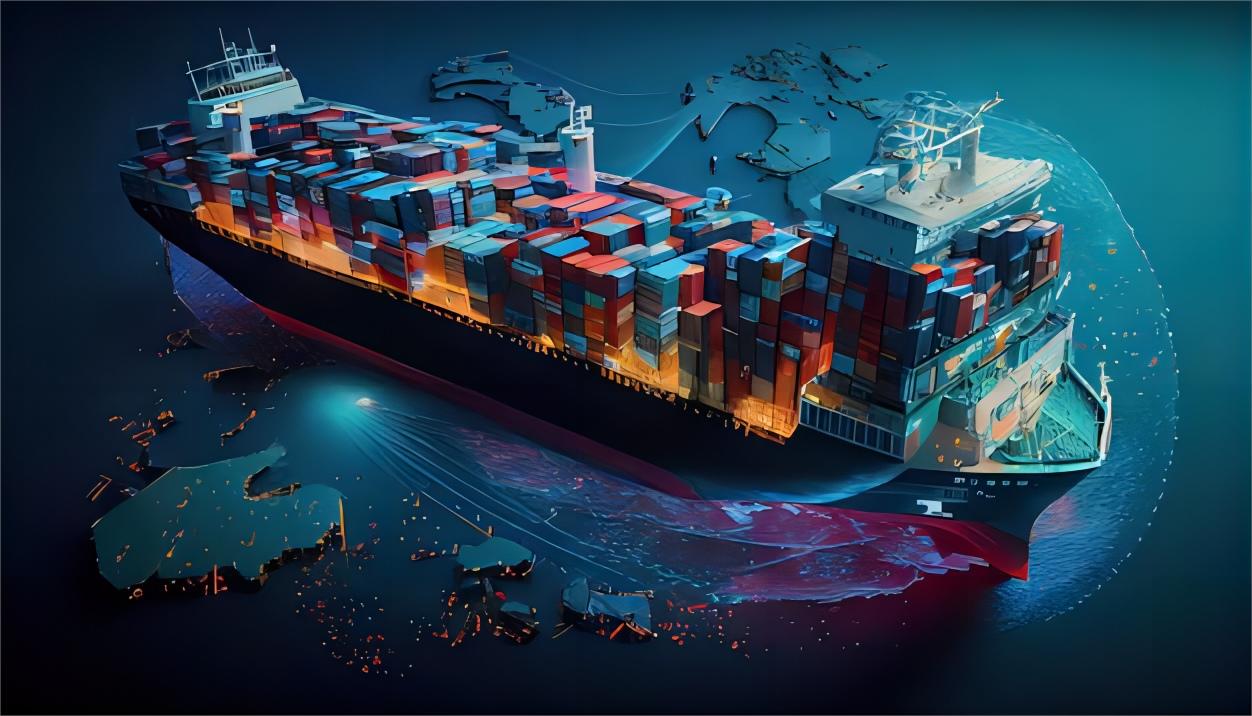
Average Transit Time for Door to Door Logistics China Supplier to Munich
Navigating international trade requires a clear understanding of the average transit time for door to door logistics China supplier to Munich to ensure timely inventory management. Whether you are a seasoned importer or a first-time buyer, partnering with a reliable partner like Top China Freight can streamline your entire shipping process. Consequently, this guide provides a detailed breakdown of transit durations, costs, and the most efficient shipping methods available for the German market today.
What Is the Average Transit Time for Door to Door Logistics China Supplier to Munich?
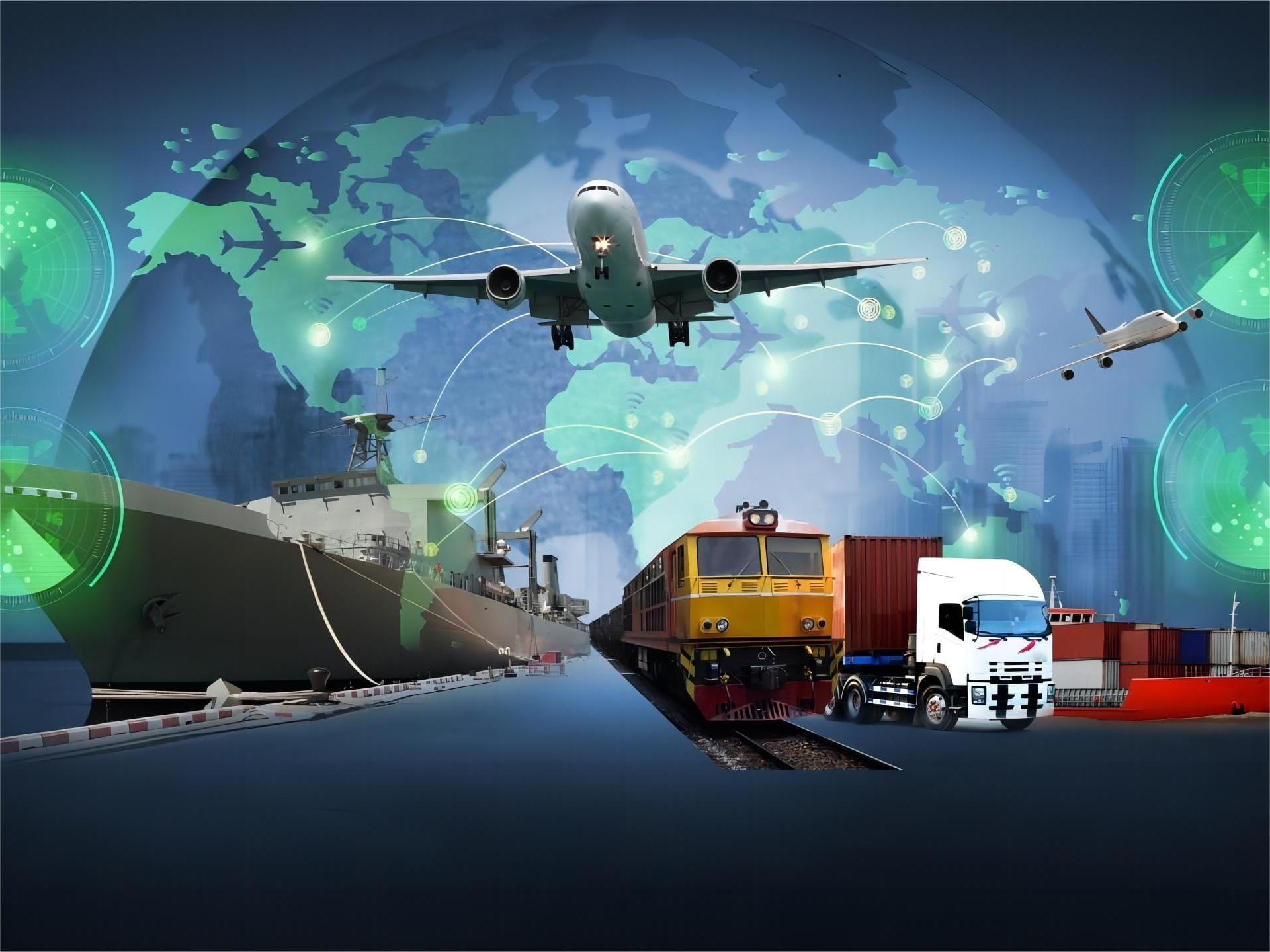
Determining the average transit time for door to door logistics China supplier to Munich involves calculating several distinct stages of the journey. Specifically, the total time includes factory pickup, export customs clearance, the main international transit, import clearance in Germany, and final delivery to Munich.
Generally, air freight remains the fastest option, while sea freight serves as the most economical choice for high-volume shipments. Meanwhile, rail freight has emerged as a popular middle-ground solution for businesses looking to balance speed and budget constraints.

Choosing the right door to door service ensures that all these logistical steps are managed by a single entity, which significantly reduces the risk of communication breakdowns. Therefore, understanding the nuances of each mode is essential for accurate planning.
Air Freight: The Rapid Solution for Urgent Munich Shipments
When speed is the primary concern for your business, air freight is the most reliable method to transport goods from China to Munich. Typically, the door-to-door transit time for air shipments ranges from 5 to 10 business days, depending on the specific service level selected.
Direct flights from major Chinese hubs like Shanghai or Shenzhen to Munich Airport (MUC) can reduce this time even further. However, transshipment routes via Middle Eastern or other European hubs may add 2 to 3 days to the total schedule.
Moreover, air cargo is ideal for high-value items, electronics, or perishable goods that require immediate delivery. Although it is the most expensive option, the reduced transit time often justifies the investment for time-sensitive projects.
Sea Freight: Cost-Effective Shipping for Large Volumes
For bulk commodities and large inventory orders, sea freight offers the lowest cost per unit. Nevertheless, the average transit time for door to door logistics China supplier to Munich via ocean is significantly longer, usually spanning 40 to 55 days.
Shipments typically depart from ports like Ningbo or Shanghai and arrive at Northern European ports such as Hamburg or Rotterdam before being trucked to Munich. Consequently, the inland leg from the port to Bavaria adds several days to the total timeline.
Additionally, factors like port congestion or seasonal weather patterns can influence these durations. In light of this, businesses should plan their orders at least two months in advance to avoid stockouts during peak seasons.
Note: Freight rates are subject to change based on fuel costs, carrier capacity, and seasonal demand. Contact us for a current quote tailored to your specific shipment.

Rail Freight: The Strategic Alternative via the New Silk Road
Rail transport has become a highly effective alternative for the China-Germany route, offering a balance between air and sea. Using rail freight, the door-to-door transit time from a China supplier to Munich usually falls between 22 and 28 days.
Trains depart from inland hubs like Chengdu, Chongqing, or Xi’an and travel through Central Asia and Eastern Europe to reach German terminals. Furthermore, rail shipping is less affected by weather conditions compared to sea freight, providing a more consistent schedule.
Indeed, many automotive and machinery companies in Bavaria utilize rail to maintain a lean supply chain. This method is particularly efficient for shipments that are too heavy for air but too urgent for the slow ocean route.
How Does Sea Freight Compare to Other Shipping Options?
Analyzing the average transit time for door to door logistics China supplier to Munich requires a side-by-side comparison of all viable transport modes. Each method presents unique trade-offs regarding cost, speed, and reliability that every importer must consider.
While sea freight is the cheapest, it requires the most capital to be tied up in transit for nearly two months. In contrast, air freight provides immediate liquidity but at a premium price point that can erode profit margins for low-value goods.
Furthermore, hybrid solutions like sea-air or rail-sea are sometimes utilized to optimize the supply chain during periods of high demand or port strikes. Below is a detailed comparison to help you visualize these differences.
| Shipping Method | Cost Range | Transit Time | Best For |
|---|---|---|---|
| Air Freight | $5.50 – $9.00 / kg | 5 – 10 Days | High-value, urgent goods |
| Rail Freight | $150 – $250 / CBM | 22 – 28 Days | Mid-size industrial parts |
| Sea Freight | $2,500 – $4,200 / 40HQ | 40 – 55 Days | Bulk orders, low-value items |
| Express Service | $8.00 – $15.00 / kg | 3 – 5 Days | Samples, documents, small parcels |
Customs Brokerage and Its Impact on Delivery Schedules
The efficiency of customs brokerage plays a pivotal role in determining the final delivery date to your Munich warehouse. Any errors in documentation, such as incorrect HS codes or missing commercial invoices, can lead to lengthy delays at the German border.
Importing into Germany involves strict compliance with EU regulations, including VAT and customs duty assessments. Specifically, the ATLAS electronic system used by German customs requires precise data entry to facilitate quick clearance.
Consequently, working with an experienced broker ensures that your cargo moves through the port or rail terminal without unnecessary holds. This proactive approach is vital for maintaining the average transit time for door to door logistics China supplier to Munich.
Factors That Can Delay Your China to Munich Shipments
External factors often influence the delivery schedule, regardless of the chosen shipping method. For instance, peak seasons like the weeks leading up to the Chinese New Year or the Golden Week holiday can lead to severe capacity shortages and delays.
Global events, such as the Red Sea disruptions, have historically forced sea carriers to take longer routes around the Cape of Good Hope, adding 10 to 14 days to the transit. Additionally, weather events like typhoons in the South China Sea can temporarily halt port operations.
Meanwhile, labor strikes at major European ports or rail terminals can create bottlenecks that ripple through the entire logistics network. Therefore, building a buffer of 5 to 7 days into your supply chain planning is always a prudent strategy.
Which Option Should You Choose for Your Business?
Selecting the ideal shipping mode depends heavily on your specific business priorities, budget, and the nature of your cargo. If your priority is budget and you have a high volume of goods, sea freight is the logical choice despite the long wait times.
Speed priority dictates the use of air freight or express services to meet tight deadlines or product launches. For those seeking a compromise, rail freight offers a sustainable and relatively fast way to move goods into Southern Germany.
Volume thresholds also matter; for shipments under 100kg, express or air freight is usually more economical than sea freight LCL due to minimum handling fees. Conversely, once you exceed 15 CBM, a full container load (FCL) via sea or rail becomes the most cost-effective solution.
Real-World Case Studies: China to Munich Logistics
Case Study 1: Electronics from Shenzhen to Munich Route: Shenzhen (SZX) to Munich (MUC) Cargo: High-end consumer electronics, 2.5 CBM, 500 kg Shipping Method: Air Freight Cost Breakdown: – Air Freight: $3,250 – Origin/Destination Charges: $450 – Total Landed Cost: $3,700 Timeline: – Booking to Loading: 2 days – Air Transit: 2 days – Customs Clearance: 1 day – Total Door-to-Door: 6 days Key Insight: Direct flights significantly reduced the risk of damage and ensured the client met their product launch date.
Case Study 2: Auto Components from Ningbo to Munich Route: Ningbo to Munich via Hamburg Cargo: Steel automotive parts, 28 CBM (1x20GP Container) Shipping Method: Sea Freight FCL Cost Breakdown: – Ocean Freight: $2,100 – Port Charges: $600 – Customs/Duties: $1,200 – Total Landed Cost: $3,900 Timeline: – Booking to Loading: 5 days – Sea Transit: 35 days – Customs/Trucking: 6 days – Total Door-to-Door: 46 days Key Insight: Using FCL reduced handling risks, though the long transit required careful inventory planning.
Case Study 3: Industrial Machinery from Chengdu to Munich Route: Chengdu to Munich Terminal Cargo: CNC Machinery, 12 CBM Shipping Method: Rail Freight LCL Cost Breakdown: – Rail Freight: $2,400 – Documentation/Handling: $350 – Final Delivery: $500 – Total Landed Cost: $3,250 Timeline: – Booking to Loading: 4 days – Rail Transit: 18 days – Customs/Delivery: 4 days – Total Door-to-Door: 26 days Key Insight: Rail provided a 20-day saving over sea freight at a fraction of the air freight cost for heavy machinery.
Final Thoughts on Shipping from China to Munich
In summary, the average transit time for door to door logistics China supplier to Munich varies greatly depending on whether you choose air, sea, or rail transport. While air freight offers the fastest turnaround of 5 to 10 days, sea freight remains the go-to for cost-conscious businesses with 40 to 55-day lead times.
By understanding these timelines and the factors that influence them, you can build a more resilient and efficient supply chain. Partnering with a professional freight forwarder will further ensure that your goods arrive safely and on schedule in Munich.
Ready to streamline your logistics?
Optimizing your average transit time for door to door logistics China supplier to Munich is essential for staying competitive in the German market. Our team of experts is ready to provide you with a customized shipping strategy that meets your specific timeline and budget requirements. Visit our website to request a personalized quote and experience seamless international logistics today. Send Inquiry: https://Top China Freight.net/
Request Quote