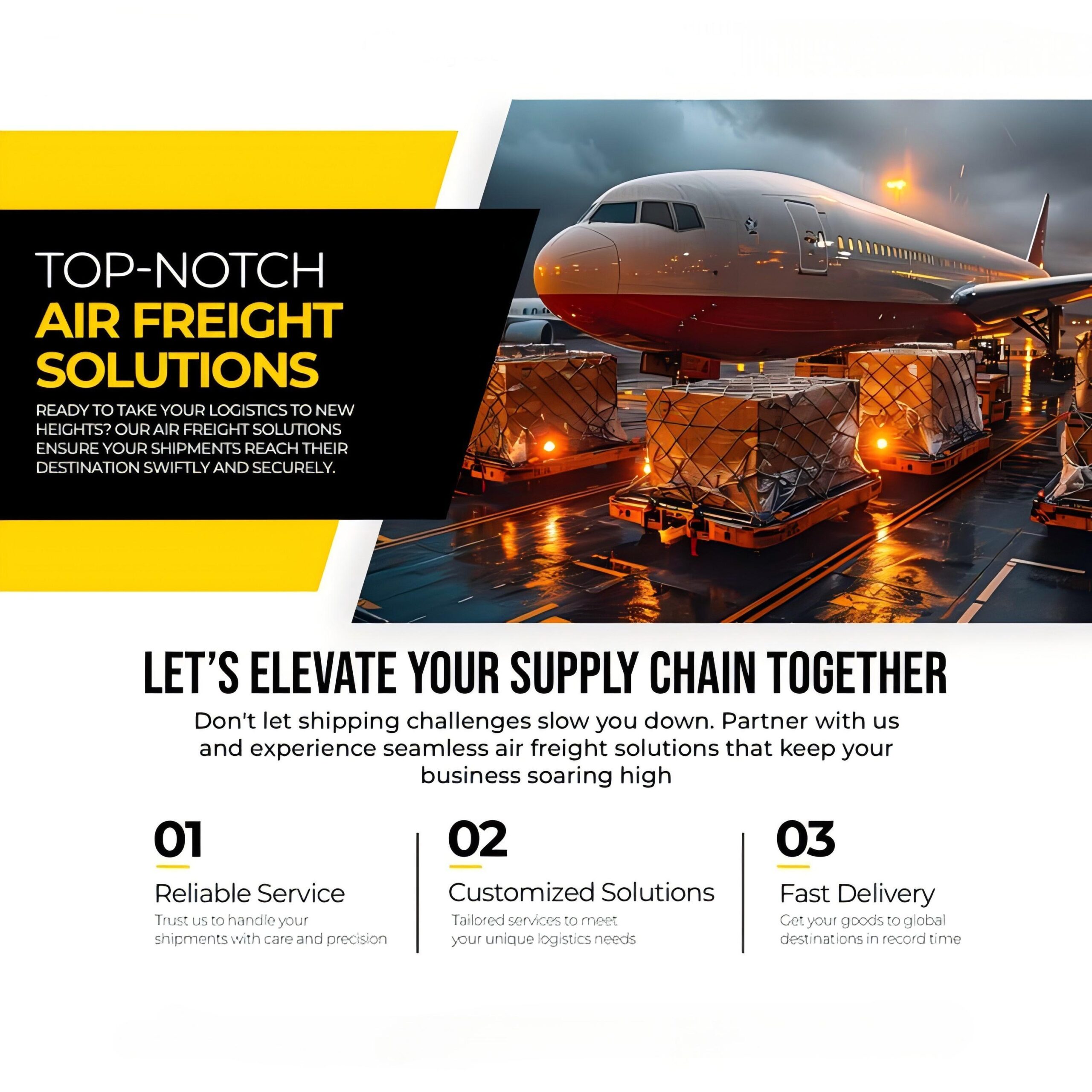
China FCL Door to Port to USA: Complete 2025 Shipping Guide
Optimizing your supply chain requires a deep understanding of Top China Freight logistics solutions and how they impact your bottom line. Shipping via China FCL door to port to USA remains one of the most reliable methods for moving high-volume cargo across the Pacific Ocean. This comprehensive guide explores every aspect of the process, from picking up goods at your factory to delivering them to major American maritime hubs.

What is China FCL Door to Port to USA Shipping?
Full Container Load (FCL) shipping involves renting an entire 20ft or 40ft container for your exclusive use. Unlike shared shipments, your goods are the only items inside the unit, reducing handling risks and potential damage. Furthermore, the door to port model means the freight forwarder handles the pickup from the Chinese supplier and manages the ocean transit to the US port.

Consequently, this method offers a balance between control and cost-efficiency for large-scale importers. Most businesses prefer this arrangement when they have enough volume to fill at least 15 cubic meters of space. Indeed, selecting sea freight for FCL shipments is often the most economical choice for heavy or bulky industrial components.
How Does FCL Compare to Other Shipping Options?
Choosing the right shipping method depends heavily on your budget, timeline, and cargo volume. While FCL offers security, Less than Container Load (LCL) might be cheaper for very small batches. However, FCL is generally faster than LCL because it avoids the consolidation and deconsolidation processes at the warehouse.
Moreover, air freight remains the fastest alternative but comes with significantly higher price tags. For shipments destined for North America, the trade-off between speed and cost is a primary consideration for logistics managers. Therefore, evaluating all viable alternatives is essential for maintaining a competitive edge.
| Shipping Method | Cost Range | Transit Time | Best For | Limitations |
|---|---|---|---|---|
| FCL (40HQ) | $3,500 – $5,500 | 18 – 35 Days | Large volumes | Requires full container |
| LCL (per CBM) | $80 – $150 | 25 – 45 Days | Small shipments | Higher damage risk |
| Air Freight | $5 – $10 / kg | 3 – 7 Days | Urgent goods | Extremely expensive |
| Sea-Air Hybrid | Moderate | 12 – 18 Days | Mid-range urgency | Complex scheduling |
Understanding China FCL Door to Port to USA Costs
Freight rates fluctuate based on fuel surcharges, seasonal demand, and port congestion levels. In early 2025, market data suggests that rates have stabilized compared to previous years of volatility. Nevertheless, importers must account for origin charges, ocean freight, and destination port fees when calculating their total landed cost.
Additionally, the port of entry in the USA significantly impacts the final price. Shipping to the West Coast is typically cheaper and faster than shipping to the East Coast via the Panama Canal. To manage these expenses, many companies utilize customs brokerage services to ensure accurate tariff classification and avoid costly penalties.
| Route | 20GP Container | 40GP Container | 40HQ Container |
|---|---|---|---|
| Shenzhen to LA | $1,600 – $2,300 | $2,600 – $3,400 | $2,900 – $3,700 |
| Shanghai to NY | $2,700 – $3,600 | $4,200 – $5,400 | $4,700 – $5,900 |
| Ningbo to Savannah | $2,500 – $3,400 | $3,900 – $5,100 | $4,400 – $5,600 |
Transit Times and Major Shipping Routes
Transit times vary depending on the specific port pair and the carrier’s schedule. A direct vessel from Shenzhen to Los Angeles might take only 14 to 16 days on the water. In contrast, shipments to the East Coast can take upwards of 35 days due to the longer distance and canal crossings.
Furthermore, you must factor in the time required for factory pickup and port handling in China. Typically, the door to port process adds another 5 to 7 days to the ocean transit time. Consequently, planning your inventory levels around a 40 to 50-day lead time is a prudent strategy for most US-based importers.
Key Steps in the Door to Port Logistics Chain
The process begins with the freight forwarder coordinating with your Chinese supplier for container loading. Once the container is sealed, it is transported via truck to the designated departure port. After passing through Chinese export customs, the cargo is loaded onto the vessel for its trans-Pacific journey.
Upon arrival at the US port, the importer or their agent takes over the responsibility for customs clearance and final delivery. This door to door transition at the origin simplifies the first half of the journey significantly. Meanwhile, the importer maintains control over the final mile delivery from the port to their own warehouse or fulfillment center.
Which Option Should You Choose?
Deciding on the best shipping strategy requires evaluating your specific business needs. If your priority is minimizing costs and you have high volume, China FCL door to port to USA is the clear winner. However, if you are shipping small batches to Amazon warehouses, you might consider Amazon FBA specialized shipping services instead.
Budget-conscious shippers should aim for the West Coast and use rail or truck for inland transport. Conversely, if your warehouse is located in the Tri-State area, a direct sea route to New York might save on domestic trucking costs despite the longer sea transit. Always analyze the total landed cost rather than just the ocean freight rate.
Real-World Case Studies
Case Study 1: Electronics from Shenzhen to Los Angeles. A tech distributor shipped 25 CBM of consumer electronics in a 40GP container. The total ocean freight was $3,100 with a transit time of 16 days. By using a direct route, they avoided transshipment delays and successfully met their Q4 launch deadline.
Case Study 2: Furniture from Ningbo to Savannah. A home decor retailer moved two 40HQ containers filled with wooden furniture. The total landed cost per container was $5,800, including customs duties. Despite a 32-day transit time, the FCL method protected the fragile items better than LCL would have.
Case Study 3: Machinery from Shanghai to New York. An industrial plant imported heavy equipment in a 20GP container. The ocean freight cost $2,900, but port congestion in New York added 4 days to the schedule. Detailed documentation prepared in advance ensured customs clearance was completed in under 48 hours.
Alternative Strategies and Cost-Saving Tips
To save money, consider booking your shipments at least 3 to 4 weeks in advance. Rates typically spike during the peak season from August to October, so shipping during the off-season can save you 20% or more. Additionally, consolidating multiple suppliers into one FCL container at a China warehouse is a highly effective strategy.
Another alternative is the sea-air hybrid solution, which is useful when sea freight is too slow but air freight is too expensive. This involves shipping by sea to a hub like Dubai or Korea and then flying the goods to the USA. While complex, it can cut transit times by half compared to pure ocean freight. Note: Freight rates are subject to change based on fuel costs, carrier capacity, and seasonal demand. Contact us for a current quote tailored to your specific shipment.
Final Thoughts on FCL Shipping
Navigating the complexities of China FCL door to port to USA shipping requires a balance of timing, cost management, and reliable partnerships. By choosing the right container size and port of entry, you can significantly reduce your logistics expenses. Moreover, staying informed about market trends and transit times allows you to make data-driven decisions for your business.
In conclusion, FCL remains the gold standard for high-volume imports from China. Whether you are moving electronics, furniture, or machinery, the security and efficiency of a full container are unmatched. Start planning your next shipment today to take advantage of the current market stability.
Ready to streamline your logistics?
Are you ready to streamline your supply chain with a reliable China FCL door to port to USA solution? Contact our expert team today to receive a competitive quote and personalized logistics advice. Visit our website to start your inquiry and secure the best rates for your next shipment.
Request Quote