
40HQ FCL transit time for auto parts from China to Florida: 2025 Guide
Navigating the international logistics landscape requires precise planning and reliable partnerships. When you partner with Top China Freight, you access premium shipping solutions specifically designed for the automotive sector. Understanding the 40HQ FCL transit time for auto parts from China to Florida is vital for maintaining your inventory levels and meeting market demand. This guide provides comprehensive insights into durations, costs, and the most efficient routes for your vehicle components.

Understanding the 40HQ FCL Transit Time for Auto Parts from China to Florida
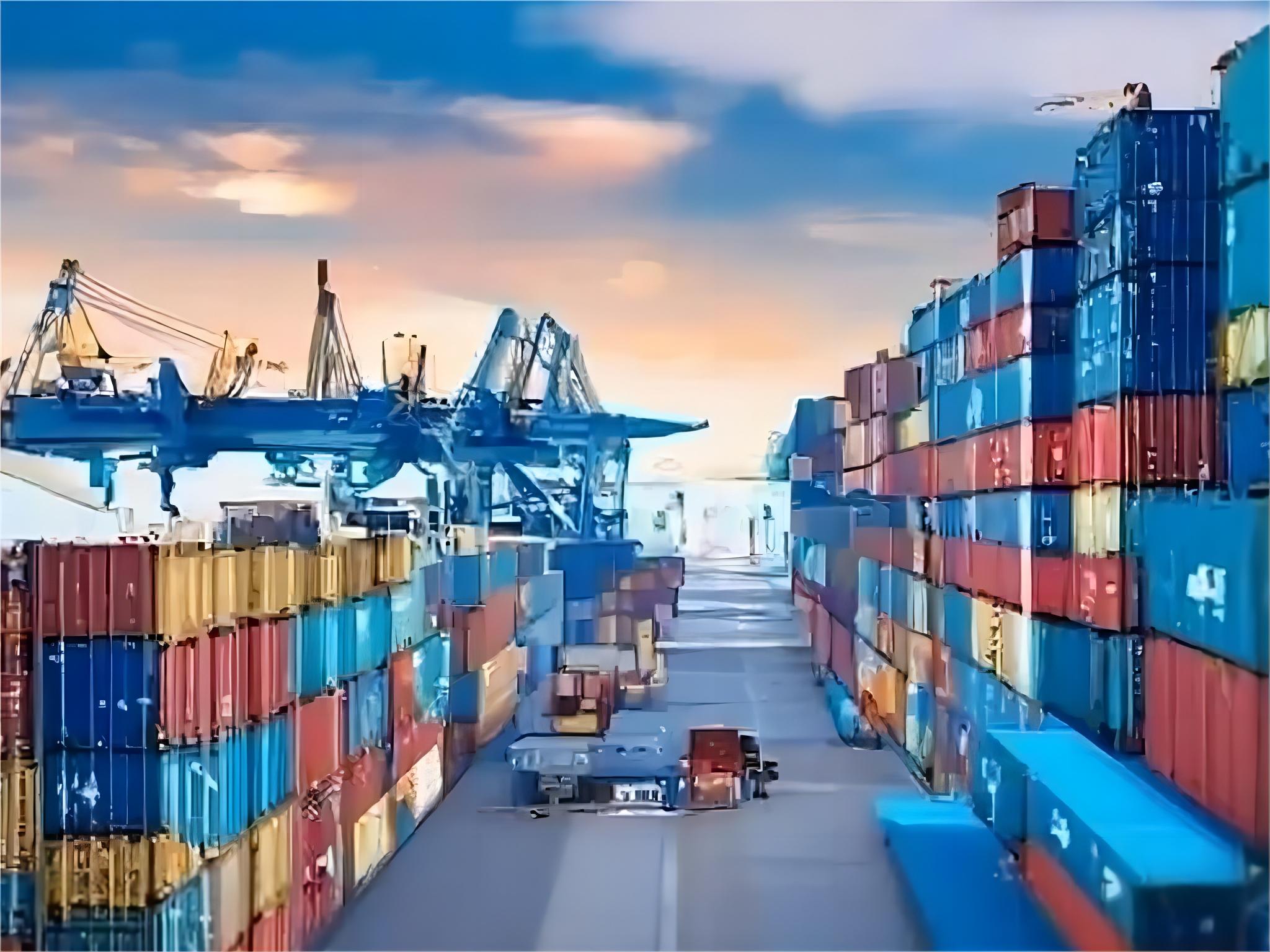
Shipping large volumes of automotive components typically involves using a 40HQ container to maximize space and efficiency. Consequently, the 40HQ FCL transit time for auto parts from China to Florida usually ranges between 30 and 45 days depending on the specific route. Most vessels depart from major hubs like Shanghai or Shenzhen before crossing the Panama Canal to reach the East Coast.
Furthermore, choosing sea freight ensures that you can move heavy engines, body panels, and tires at the lowest possible cost per unit. Although the duration is longer than air transport, the stability of ocean routes makes it the preferred choice for the automotive supply chain. Indeed, consistent scheduling allows businesses to plan their distribution cycles with high accuracy.
How Does Sea Freight Compare to Other Shipping Options?
Analyzing different transportation modes is essential for optimizing your logistics budget and meeting tight deadlines. While ocean freight offers the best value for bulk shipments, air freight provides unmatched speed for urgent replacement parts. Additionally, hybrid solutions like sea-air can bridge the gap between cost and speed for specific inventory needs.
Moreover, the choice between FCL and LCL depends largely on your total cargo volume and budget constraints. For shipments exceeding 15 cubic meters, a full container is almost always more economical and faster due to fewer handling steps. Nevertheless, you must weigh the transit time against the urgency of your stock requirements.
| Shipping Method | Cost Range | Transit Time | Best For |
|---|---|---|---|
| Sea Freight (FCL) | $4,500 – $6,200 | 30-45 Days | Bulk Auto Parts |
| Air Freight | $15,000 – $25,000 | 5-9 Days | Urgent Repairs |
| LCL Shipping | $60 – $120/CBM | 40-50 Days | Small Inventories |
| Sea-Air Hybrid | $8,000 – $11,000 | 18-22 Days | Balanced Priority |
Key Factors Influencing Your Shipping Schedule
Several variables can significantly impact the 40HQ FCL transit time for auto parts from China to Florida during the journey. For instance, port congestion at transshipment hubs or the destination port can add several days to the total duration. Therefore, working with an experienced customs brokerage is necessary to prevent administrative delays upon arrival.
Weather conditions in the Pacific or the Caribbean also play a major role in maritime scheduling. Specifically, hurricane season in the Atlantic can occasionally force vessels to reroute or wait in safe zones. As a result, you should always include a buffer of 5 to 7 days in your supply chain planning to account for these unpredictable events.
Primary Shipping Routes from China to Florida Ports
Carriers utilize different maritime paths to reach the Florida peninsula, with the Panama Canal being the most common link. Typically, ships sailing from Ningbo or Shanghai will reach the Port of Miami or Port Everglades in approximately 32 to 38 days. In contrast, routes originating from Southern China ports like Yantian may offer slightly faster transit times due to their geographic position.
Additionally, some shipments might involve a rail bridge across the United States, though direct water routes remain more popular for Florida destinations. Choosing a door to door service simplifies this process by managing every leg of the journey from the factory to your warehouse. Consequently, this integrated approach reduces the risk of communication gaps between different carriers.
| Origin Port | Destination Port | Avg. Transit Time | Route Type |
|---|---|---|---|
| Shanghai | Miami | 35 Days | Direct via Panama |
| Shenzhen | Tampa | 32 Days | Direct via Panama |
| Ningbo | Jacksonville | 38 Days | Transshipment |
| Qingdao | Miami | 42 Days | Direct via Panama |
Which Option Should You Choose?
Determining the right shipping strategy depends on your specific business priorities and the nature of your cargo. If your primary goal is cost reduction for a large stock of brake pads or filters, sea freight is the logical choice. On the other hand, if you are launching a new product line in North America, you might consider a split shipment strategy.
Specifically, you could send a small portion via air to meet immediate demand while the bulk of the order follows via FCL. This approach ensures you never run out of stock while keeping your average landed cost manageable. Furthermore, always verify the current carrier capacity as rates and space availability fluctuate during peak seasons like the months leading up to the holidays.
Real-World Case Studies for Florida Shipments
Reviewing actual shipping scenarios helps in setting realistic expectations for your own logistics operations. Below are two recent examples of automotive part shipments from China to Florida hubs. These cases reflect the current market conditions in early 2025 and highlight the importance of efficient route selection.
Case Study 1: Guangzhou to Miami Route: Guangzhou, China to Miami, USA Cargo: Aluminum Alloy Wheels, 68 CBM, 14,000 kg Container: 40HQ FCL Shipping Details: – Carrier: COSCO – Port of Loading: Nansha – Port of Discharge: Miami – Route Type: Direct via Panama Canal Cost Breakdown: – Ocean Freight: $5,150 – Origin Charges: $450 – Destination Charges: $600 – Customs Duties: $1,200 – Total Landed Cost: $7,400 Timeline: – Sea Transit: 33 days – Customs Clearance: 3 days – Total Door-to-Door: 42 days Key Insight: Early booking during the off-peak season saved the client 15% on ocean freight costs.
Case Study 2: Shanghai to Port Everglades Route: Shanghai, China to Fort Lauderdale, USA Cargo: Transmission Components, 65 CBM, 18,500 kg Container: 40HQ FCL Shipping Details: – Carrier: Maersk – Port of Loading: Shanghai – Port of Discharge: Port Everglades – Route Type: Direct Cost Breakdown: – Ocean Freight: $5,400 – Origin Charges: $500 – Destination Charges: $650 – Customs Duties: $2,100 – Total Landed Cost: $8,650 Timeline: – Sea Transit: 36 days – Customs Clearance: 4 days – Total Door-to-Door: 48 days Key Insight: Utilizing a specialized carrier for heavy automotive parts ensured no damage during the long transit across the Pacific.
Customs Documentation and Compliance for Auto Parts
Importing automotive components into Florida requires strict adherence to federal regulations and meticulous paperwork. You must provide a Commercial Invoice, Packing List, and a Bill of Lading to the authorities upon arrival. Additionally, many auto parts must meet Department of Transportation (DOT) standards to be legally sold in the United States.
Failure to provide the correct documentation can lead to expensive storage fees or even the seizure of your goods. Consequently, many importers use Amazon FBA logistics or similar professional services to handle the complexities of final delivery. Indeed, having a professional team manage your compliance reduces the stress associated with international trade significantly.
Final Thoughts on Shipping Auto Parts to Florida
To summarize, the 40HQ FCL transit time for auto parts from China to Florida is a manageable factor if you plan ahead. By choosing the right ports and carriers, you can optimize both your budget and your delivery schedule. Remember that factors like weather and customs play a critical role in the final arrival date.
Ultimately, successful importing relies on clear communication and expert logistics management. Whether you are shipping wheels, engines, or small accessories, the right container strategy will ensure your products arrive safely and on time. Let us help you streamline your supply chain and achieve your business goals in the competitive Florida market.

Ready to streamline your logistics?
Managing the 40HQ FCL transit time for auto parts from China to Florida is simple with the right partner. Our team provides transparent pricing and reliable schedules to keep your automotive business moving forward. Contact Top China Freight today to receive a customized quote for your next shipment. Visit our website to learn more about our comprehensive logistics solutions.
Request Quote