
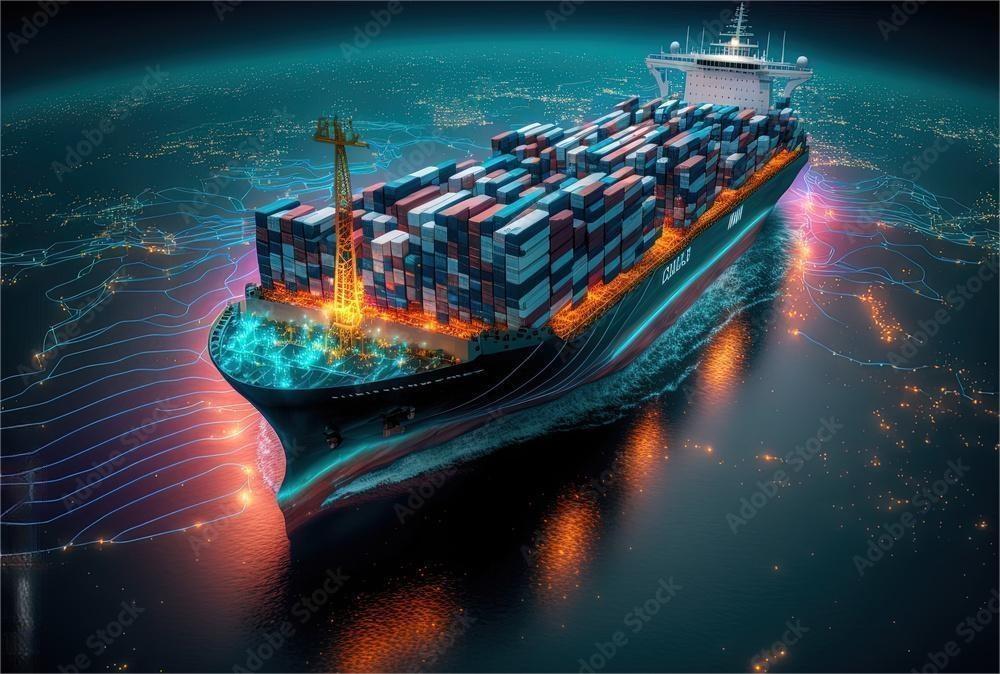
20GP FCL Container Shortage Solution for Solar Panels from China to Netherlands
The global renewable energy market faces significant logistics hurdles, particularly regarding equipment transport from Asia to Europe. Finding a 20GP FCL container shortage solution for solar panels from China to Netherlands is essential for maintaining project timelines and budget integrity. Top China Freight provides specialized expertise to navigate these supply chain disruptions effectively while ensuring your cargo arrives safely.

Why is there a 20GP container shortage for solar exports?
Current market dynamics have led to a significant imbalance in equipment availability across major Chinese ports. Specifically, the high demand for renewable energy products has exhausted the local supply of smaller 20GP units in manufacturing hubs like Ningbo and Shanghai.
Importers looking for shipping from China to Europe often prefer 20GP containers for smaller solar installations or residential projects. However, carriers frequently prioritize 40HQ containers because they offer better profit margins and more efficient deck space utilization.
Moreover, the seasonal surge in global trade further exacerbates the scarcity of these specific units. Consequently, solar panel distributors must adapt their procurement strategies to avoid lengthy delays at the port of loading.
How to overcome the 20GP FCL container shortage for solar panels?
One effective strategy involves transitioning from 20GP units to 40HQ containers whenever volume permits. While this may seem more expensive initially, the cost per solar module often decreases due to the significantly larger capacity of the 40HQ unit.
Additionally, shippers can explore the use of Non-Operating Reefers (NORs) as an alternative to standard dry containers. These units are often more available during peak seasons and can accommodate palletized solar modules with minimal adjustments to the loading plan.
Furthermore, flexible booking windows allow freight forwarders to secure equipment as it becomes available through repositioning. Therefore, planning your shipment at least three to four weeks in advance is highly recommended to mitigate equipment risks.
Optimizing Pallet Dimensions for 40HQ Containers
Standard solar panel pallets are often designed specifically for the dimensions of a 20GP container. To utilize a 40HQ effectively, you should work with your manufacturer to adjust the stacking height and pallet orientation.
In addition, using specialized loading equipment can prevent damage to the fragile photovoltaic cells during the transition to larger containers. This approach ensures that the increased vertical space of the 40HQ is fully utilized without compromising safety.
What are the shipping alternatives for solar panels to the Netherlands?
When ocean equipment is unavailable, exploring sea freight alternatives becomes a necessity for maintaining a healthy supply chain. Less than Container Load (LCL) shipping is a viable option for smaller batches that do not require a full 20GP unit.
However, LCL involves more frequent handling, which increases the risk of micro-cracks in solar cells. For instance, using dedicated crating or reinforced packaging can significantly reduce these risks during the consolidation process.
Another alternative is the use of Breakbulk shipping for massive utility-scale projects. Although this method requires specialized port facilities, it bypasses the need for standard containers entirely, offering a robust 20GP FCL container shortage solution for solar panels from China to Netherlands.

How does sea freight compare to other shipping options?
Comparing different transport modes is vital for determining the most cost-effective path to Rotterdam. While ocean transport remains the most popular, rail freight offers a middle ground between speed and cost.
Specifically, the New Silk Road rail routes can deliver cargo to the Netherlands in roughly 18 to 22 days. This is significantly faster than the traditional 35-day sea voyage, making it an excellent fallback when container shortages occur at sea ports.
Nevertheless, rail freight has its own equipment constraints and may not always be cheaper than sea freight. Importers must weigh the urgency of their project against the prevailing market rates for each mode of transport.
| Shipping Method | Cost Range (USD) | Transit Time | Best For |
|---|---|---|---|
| Sea Freight (20GP) | 1,800 – 2,500 | 30 – 38 Days | Small FCL Projects |
| Sea Freight (40HQ) | 3,000 – 4,200 | 30 – 38 Days | Bulk Solar Shipments |
| Rail Freight | 4,500 – 6,000 | 18 – 22 Days | Urgent Deliveries |
| Air Freight | 15,000+ | 5 – 7 Days | Emergency Spares |
Which option should you choose for solar panel logistics?
Selecting the right method depends largely on your budget priority and the specific volume of your cargo. If cost-saving is your primary goal, waiting for a 20GP or optimizing a 40HQ is the most logical path.
On the other hand, if you are facing stiff penalties for project delays, rail freight provides the reliability you need. Most solar developers in the Netherlands find that a hybrid approach—shipping the bulk by sea and urgent components by rail—yields the best results.
Furthermore, you should consider the cargo type and fragility. Solar modules require steady handling, meaning direct routes are always preferable to transshipment options that involve multiple crane moves.
Real-World Case Studies for Solar Shipping to the Netherlands
Analyzing past shipments helps clarify the current market landscape and provides a benchmark for your own logistics planning. Below are two scenarios involving different approaches to the 20GP FCL container shortage solution for solar panels from China to Netherlands.
Note: Freight rates are subject to change based on fuel costs, carrier capacity, and seasonal demand. Contact us for a current quote tailored to your specific shipment.
Case Study 1: Transitioning to 40HQ for Cost Efficiency
Case Study 1: Route: Shanghai, China to Rotterdam, Netherlands. Cargo: 540W Monocrystalline Solar Panels, 65 CBM. Container: 1 x 40HQ (Optimized from 2 x 20GP).
Shipping Details: Carrier: COSCO. Port of Loading: Shanghai. Port of Discharge: Rotterdam. Route Type: Direct.
Cost Breakdown: Ocean Freight: 3,850 USD. Origin Charges: 450 USD. Destination Charges: 550 USD. Customs and Duties: 1,200 USD. Total Landed Cost: 6,050 USD.
Timeline: Booking to Loading: 5 days. Sea Transit: 33 days. Customs Clearance: 2 days. Total Door-to-Door: 40 days. Key Insight: By consolidating two 20GP shipments into one 40HQ, the client saved 15% on total freight costs and avoided a 2-week wait for 20GP equipment.
Case Study 2: Rail Freight for Urgent Project Deadlines
Case Study 2: Route: Xi’an, China to Tilburg, Netherlands. Cargo: Solar Inverters and Modules, 28 CBM. Container: 1 x 20GP (Rail).
Shipping Details: Carrier: China Railway Express. Port of Loading: Xi’an Inland Terminal. Port of Discharge: Tilburg Rail Terminal. Route Type: Direct Rail.
Cost Breakdown: Rail Freight: 5,200 USD. Origin Charges: 300 USD. Destination Charges: 400 USD. Customs and Duties: 800 USD. Total Landed Cost: 6,700 USD.
Timeline: Booking to Loading: 7 days. Rail Transit: 19 days. Customs Clearance: 3 days. Total Door-to-Door: 29 days. Key Insight: Despite the higher cost compared to sea freight, the client met a critical installation deadline that would have been missed due to ocean container shortages.
Navigating customs and documentation in the Netherlands
Importing solar technology into the European Union requires meticulous attention to detail regarding paperwork and compliance. Engaging a professional customs brokerage service is often the best way to ensure your shipment clears Rotterdam without delay.
Specifically, you must provide a valid Commercial Invoice, Packing List, and Bill of Lading. Furthermore, solar panels may require a Certificate of Origin to comply with specific EU trade regulations or anti-dumping measures.
Consequently, ensuring that all HS Codes are correctly classified is vital for determining the accurate duty rates. Mistakes in documentation can lead to expensive storage fees at the port, which quickly erode the savings gained from your container strategy.
Cost-saving strategies for solar importers
To minimize expenses during a container shortage, consider negotiating ‘All-In’ rates with your freight forwarder. This prevents unexpected surcharges from being added during the transit period when equipment is scarce.
Moreover, utilizing door to door services can streamline the entire process by consolidating trucking, shipping, and customs into a single quote. This holistic approach often reveals hidden efficiencies in the local drayage phase.
Indeed, choosing the right port of loading can also impact your bottom line. For instance, while Shanghai is the largest port, smaller ports like Xiamen might have better 20GP availability depending on the specific carrier’s equipment flow.
Securing Your Solar Supply Chain
Successfully managing a 20GP FCL container shortage solution for solar panels from China to Netherlands requires a combination of flexibility and expert planning. By considering alternative container sizes like the 40HQ or switching to rail freight, importers can maintain their project schedules despite market volatility.
Ultimately, the key to success lies in working with an experienced logistics partner who understands the nuances of the renewable energy sector. We encourage you to stay informed about logistics trends and remain proactive in your booking strategies to ensure a smooth transition to a greener future.
Ready to streamline your logistics?
Are you struggling to find equipment for your next solar shipment? Our team specializes in providing the perfect 20GP FCL container shortage solution for solar panels from China to Netherlands. Contact us today for a personalized quote and let us help you optimize your renewable energy supply chain. Send Inquiry: https://Top China Freight.net/contact-us/
Request Quote