
40HQ FCL Demurrage Prevention for Auto Parts from China to USA
Managing international logistics requires precision to avoid unexpected costs that can erode your profit margins. For businesses importing vehicle components, 40HQ FCL demurrage prevention for auto parts from China to USA is a critical strategy to maintain financial health. Top China Freight provides the expertise needed to navigate the complexities of transpacific shipping routes. This guide explores how you can streamline your operations and ensure your containers move swiftly through major American ports without incurring excessive storage charges.
What Is 40HQ FCL Demurrage and Why Does It Matter?
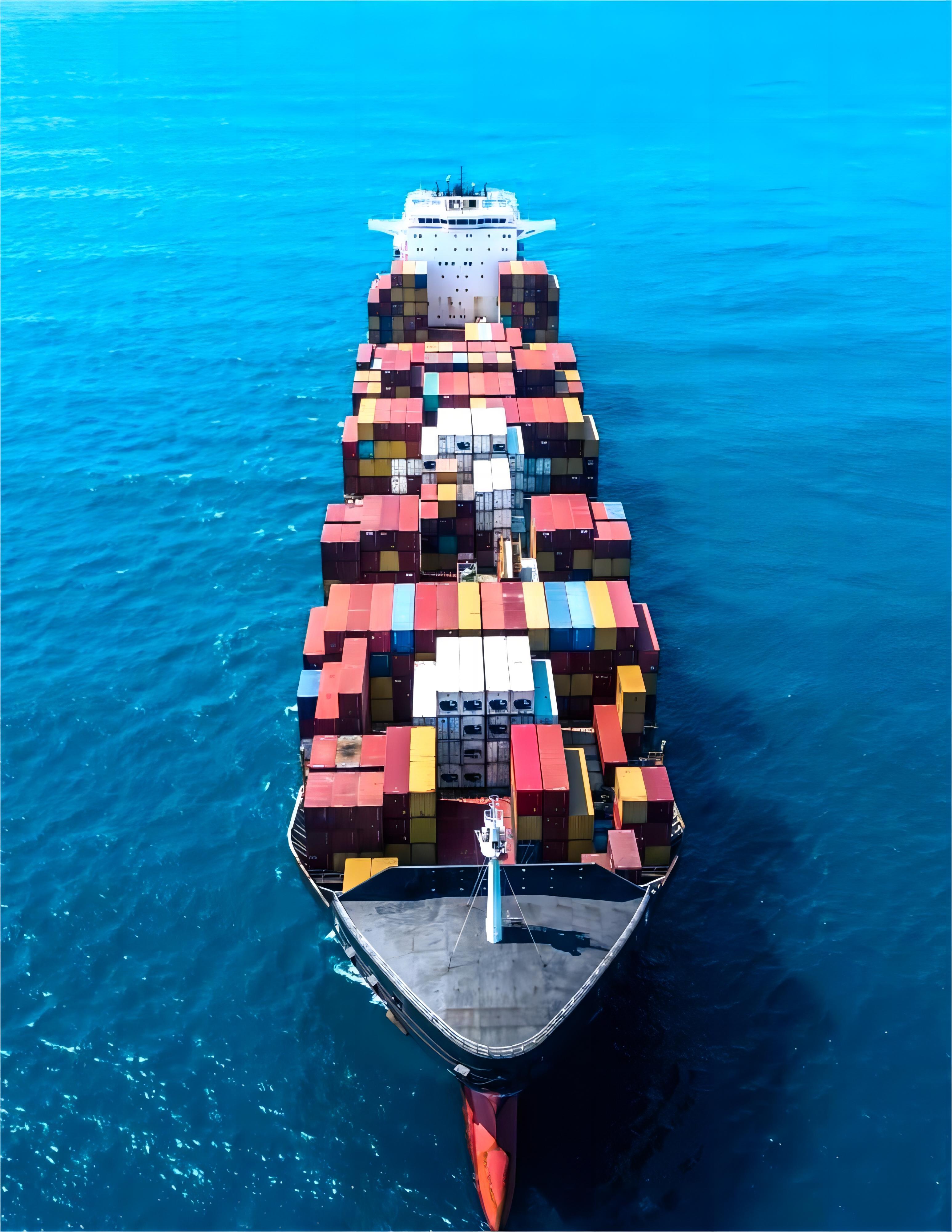
Demurrage refers to the fees charged by shipping lines when a container remains inside the port terminal beyond the allotted free time. Specifically, for a 40HQ (High Cube) container, these daily costs can escalate quickly, often starting at 150 to 300 dollars per day. Consequently, failing to move your auto parts out of the port promptly can result in thousands of dollars in avoidable expenses. Understanding the distinction between demurrage and detention is the first step in protecting your bottom line.
Auto parts logistics often involve complex customs classifications and high volumes of stock-keeping units. Therefore, any delay in documentation or inspection can trigger these penalties almost immediately after the free period expires. Importers must proactively manage their delivery schedules to ensure that drayage drivers are ready the moment the cargo is discharged from the vessel. Efficient planning remains the most effective defense against these mounting terminal storage fees.
Common Causes of Delays for Auto Parts from China
Documentation errors represent one of the most frequent reasons for container holdups at the port of entry. For instance, an incorrect Harmonized System (HS) code for engine components can lead to an intensive customs exam. Furthermore, if the bill of lading does not match the commercial invoice exactly, US Customs and Border Protection may hold the shipment for further verification. Such administrative oversights directly contribute to missed pickup windows and subsequent demurrage charges.
Port congestion also plays a significant role in shipping delays, especially during the ocean freight peak season. During these periods, terminals in Los Angeles or Long Beach may experience labor shortages or equipment scarcity. As a result, even if your paperwork is perfect, your container might be buried in a stack that is inaccessible to your truck driver. Maintaining constant communication with your freight forwarder helps you anticipate these bottlenecks before they become financial liabilities.
How Does Sea Freight Compare to Other Shipping Options?
Choosing the right mode of transport is essential for balancing cost and speed in your supply chain. While sea freight is the standard for large-scale auto parts distribution, it is not the only option available to modern importers. Specifically, comparing Full Container Load (FCL) against Less than Container Load (LCL) or air transport reveals different risk profiles for demurrage. Each method offers unique advantages depending on your current inventory levels and delivery deadlines.
Moreover, the choice of shipping method impacts your overall landed cost and the likelihood of terminal delays. FCL shipments generally move faster through the port than LCL shipments because they do not require off-site devanning at a Container Freight Station. However, the financial stakes are higher with FCL because the entire container is subject to daily fees if not moved. Analyzing these trade-offs allows you to select the most resilient strategy for your specific cargo volume.
| Shipping Method | Cost Range (40HQ) | Transit Time | Demurrage Risk |
|---|---|---|---|
| Sea Freight FCL | $2,800 – $4,500 | 18 – 35 Days | High |
| Sea Freight LCL | $50 – $150/CBM | 25 – 45 Days | Moderate |
| Air Freight | $5.00 – $12.00/kg | 3 – 7 Days | Very Low |
| Sea-Air Hybrid | $1,500 – $2,500 | 12 – 18 Days | Low |
Which Option Should You Choose for Auto Parts?
Budget priority usually dictates a preference for 40HQ FCL shipping due to its lower cost per unit for heavy auto parts. If your primary goal is to minimize expenditure, sea freight remains the most viable path from China to the United States. Nevertheless, you must factor in the potential for demurrage when calculating your total logistics budget. For high-value or urgent components like electronic control units, air freight might be a safer choice despite the higher upfront price.
Volume thresholds also determine when you should switch from LCL to FCL shipping. Generally, if your cargo exceeds 15 to 20 cubic meters, a full container becomes more economical and easier to manage from a demurrage perspective. Additionally, consider the geographical location of your warehouse when selecting a port of discharge. Shipping to the West Coast is faster and cheaper, but the East Coast might offer better proximity to your final destination, reducing inland drayage risks.
Alternative Strategies for Avoiding High Costs
Implementing a diversified shipping strategy can significantly reduce your exposure to port-related penalties. For example, utilizing Amazon FBA logistics frameworks can sometimes offer more predictable delivery windows for smaller auto accessories. Furthermore, negotiating extended free time with your carrier before the ship leaves China is a powerful but often underused tactic. Many carriers will grant 10 to 14 days of free time if you have a consistent shipping volume.
Another effective approach involves using off-dock storage facilities to avoid high terminal storage fees. Once the container is picked up, it can be moved to a nearby yard where daily rates are much lower than at the port. Consequently, you gain more time to arrange final delivery to your warehouse without the pressure of mounting demurrage. This strategy is particularly useful when your own facility is at capacity or facing labor shortages during peak seasons.
Essential Documentation for Smooth Customs Clearance
Accurate paperwork is the foundation of 40HQ FCL demurrage prevention for auto parts from China to USA. You must ensure that your commercial invoice, packing list, and certificate of origin are prepared well in advance of the vessel’s arrival. Specifically, providing a detailed description of the auto parts, including their material composition and intended use, helps customs officials process the entry quickly. Any ambiguity in these documents can lead to requests for information and costly delays.
Additionally, working with an experienced customs brokerage ensures that all regulatory requirements are met before the container hits the dock. They can help you navigate complex import duties for auto parts and ensure compliance with Environmental Protection Agency (EPA) or Department of Transportation (DOT) standards. Proactive filing of the Importer Security Filing (ISF) is also mandatory to avoid heavy fines and hold-ups. Proper preparation ensures that your cargo is cleared for pickup the moment it is unloaded.
| Document Type | Required For | Key Information | Impact of Error |
|---|---|---|---|
| Bill of Lading | Carrier / Customs | Consignee details | Release Delay |
| Commercial Invoice | Customs / Duties | Unit value, HS codes | Exam / Fines |
| Packing List | Terminal / Inspection | Weight, Dimensions | Handling Errors |
| ISF (10+2) | US Customs | Supplier details | $5,000 Fine |
Case Study 1: Optimizing Port of Los Angeles Arrivals
Case Study 1: Brake System Components from Shanghai Route: Shanghai, China to Los Angeles, USA Cargo: Brake Rotors and Pads, 65 CBM, 18,500 kg Container: 40HQ FCL Shipping Details: – Carrier: COSCO Shipping – Port of Loading: Shanghai – Port of Discharge: Los Angeles – Route Type: Direct Cost Breakdown: – Ocean Freight: $3,150 – Origin Charges: $420 – Destination Charges: $580 – Customs and Duties: $1,200 – Total Landed Cost: $5,350 Timeline: – Booking to Loading: 4 days – Sea Transit: 16 days – Customs Clearance: 2 days – Total Door-to-Door: 25 days Key Insight: By pre-clearing customs 5 days before arrival, the importer avoided $900 in potential demurrage during a period of high port congestion in late 2024.
Case Study 2: Navigating East Coast Port Logistics
Case Study 2: Engine Parts to Savannah Route: Ningbo, China to Savannah, USA Cargo: Gaskets and Seals, 58 CBM, 12,000 kg Container: 40HQ FCL Shipping Details: – Carrier: Maersk Line – Port of Loading: Ningbo – Port of Discharge: Savannah – Route Type: Transshipment via Panama Cost Breakdown: – Ocean Freight: $4,800 – Origin Charges: $350 – Destination Charges: $650 – Customs and Duties: $2,100 – Total Landed Cost: $7,900 Timeline: – Booking to Loading: 6 days – Sea Transit: 32 days – Customs Clearance: 3 days – Total Door-to-Door: 45 days Key Insight: Utilizing a North America focused logistics partner allowed for early drayage booking, preventing storage fees despite a 4-day vessel delay.

Strategies for Effective Drayage Management
Drayage is the short-haul movement of your container from the port terminal to a nearby warehouse or rail ramp. To prevent demurrage, you must have a reliable trucking partner who can secure appointments at the terminal as soon as the container is available. Specifically, using door to door services can simplify this process by putting one company in charge of the entire journey. This reduces the communication gaps that often lead to containers being left at the dock too long.
Furthermore, you should implement a tracking system that provides real-time updates on your container’s status. Knowing exactly when your 40HQ is discharged from the ship allows your drayage provider to optimize their schedule. If a terminal is known for long wait times, consider using a carrier that offers a ‘fast track’ or ‘peel-off’ pile service. These premium options allow trucks to pick up containers more quickly, significantly lowering the risk of exceeding your free time.
Market Intelligence: Ocean Freight Rates 2025
According to industry benchmarks, freight rates from China to the USA have shown moderate volatility as we enter early 2025. While the extreme spikes of previous years have subsided, seasonal demand still influences the cost of a 40HQ FCL shipment. Specifically, rates typically increase by 15 to 25 percent during the months leading up to the Lunar New Year and the autumn peak season. Staying informed about these trends helps you time your shipments to avoid both high prices and increased port congestion.
Market data suggests that capacity management by major carriers will keep rates stable but firm throughout the first half of the year. Therefore, securing long-term contracts or booking at least 3 to 4 weeks in advance is recommended for auto parts importers. Note: Freight rates are subject to change based on fuel costs, carrier capacity, and seasonal demand. Contact us for a current quote tailored to your specific shipment. Maintaining flexibility in your port of entry can also yield significant cost savings.
Mastering Your Auto Parts Logistics
Successful 40HQ FCL demurrage prevention for auto parts from China to USA requires a combination of early planning, accurate documentation, and strong local partnerships. By understanding the causes of delays and implementing the strategies discussed, you can protect your supply chain from unnecessary expenses. Whether you choose sea freight or explore alternative modes, the key is to remain proactive and informed. Partnering with a dedicated logistics provider like Top China Freight will ensure your auto parts arrive on time and within budget, allowing your business to thrive in a competitive market.
Ready to streamline your logistics?
Take control of your logistics costs and ensure 40HQ FCL demurrage prevention for auto parts from China to USA today. Contact our expert team for a customized shipping quote and professional guidance on your next shipment.
Request Quote