
40GP FCL Sailing Schedule for Toys from China to Denmark
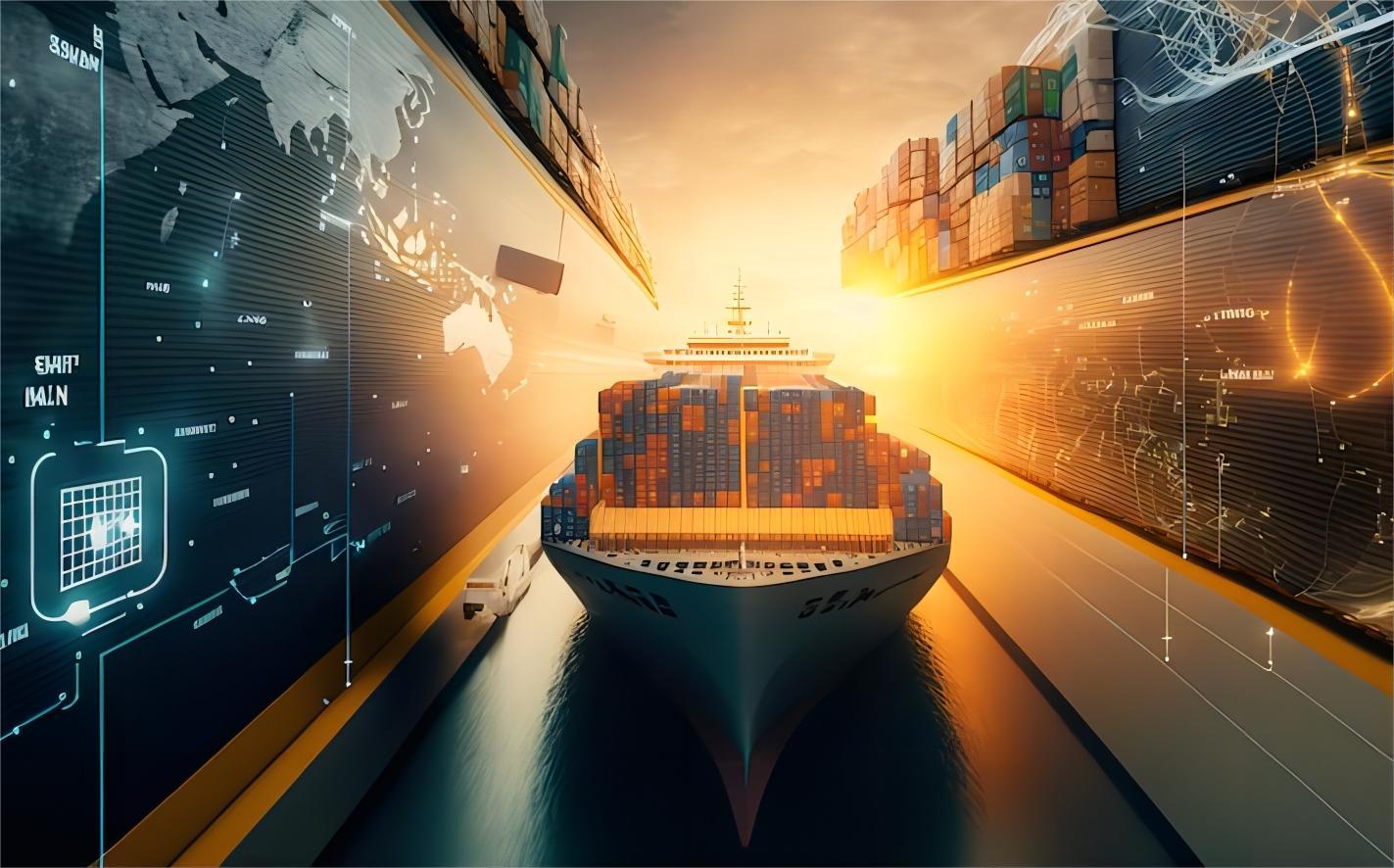
Managing a 40GP FCL sailing schedule for toys from China to Denmark requires meticulous planning and a deep understanding of international logistics. At Top China Freight, we specialize in streamlining these complex supply chains to ensure your cargo arrives safely and on time. This comprehensive guide explores every aspect of the shipping process, from port selection to final delivery in the Danish market. Consequently, importers can make informed decisions that balance speed and cost-effectiveness.
What is the Typical 40GP FCL Sailing Schedule for Toys from China to Denmark?
The standard 40GP FCL sailing schedule for toys from China to Denmark usually spans between 30 and 45 days. This duration depends heavily on the specific port of loading and the chosen shipping line. For instance, direct services from major hubs like Shanghai or Ningbo tend to be faster than those requiring transshipment in Singapore or Colombo.
Moreover, seasonal demand significantly influences the frequency of departures. During the peak toy production months between August and October, carriers often increase their frequency to accommodate the holiday rush. However, this increased volume can also lead to port congestion and potential delays in the overall schedule.
Therefore, we recommend booking your space at least three to four weeks in advance. This proactive approach ensures you secure a spot on the most efficient vessels. Additionally, it provides a buffer for any unforeseen administrative or logistical hurdles at the origin port.
Furthermore, understanding the difference between the estimated time of departure and the actual time of departure is crucial. While schedules are generally reliable, weather conditions and terminal productivity can cause minor shifts. Consequently, maintaining constant communication with your freight forwarder is essential for real-time updates.
Why Choose 40GP FCL for Toy Shipments to Denmark?
Choosing a 40GP container is often the most economical choice for large-scale toy importers. Toys are typically voluminous but relatively light, meaning they fill up space quickly before reaching weight limits. As a result, the 67-68 cubic meter capacity of a 40GP container provides excellent value for money.
In addition, sea freight offers a level of security that is vital for retail-ready goods. Because the container is sealed at the factory and only opened at the destination, the risk of damage or theft is significantly reduced. This is particularly important for high-value electronic toys or delicate collectibles.
Similarly, FCL shipping allows for better control over the loading process. You can dictate exactly how your products are stacked to maximize space and minimize the risk of crushing. Consequently, this leads to lower insurance claims and higher customer satisfaction upon delivery.
Nevertheless, it is important to consider the total volume of your order. If your shipment is less than 15 cubic meters, you might consider other options. However, for most bulk toy orders, the 40GP container remains the industry standard for efficiency.
Key Ports Involved in the China to Denmark Shipping Route
Most toy shipments originating in China depart from the eastern and southern coastal ports. Shanghai, Ningbo, and Shenzhen are the primary hubs for these operations due to their massive infrastructure. These ports offer the most frequent departures within the 40GP FCL sailing schedule for toys from China to Denmark.
On the Danish side, the Port of Aarhus and the Port of Copenhagen are the main arrival points. Aarhus is the largest container port in Denmark and handles the majority of deep-sea cargo from Asia. Meanwhile, Copenhagen serves as a vital gateway for the eastern regions and neighboring Scandinavian markets.
Shipping to Europe requires a clear understanding of these port dynamics. For example, choosing Aarhus might be faster if your final warehouse is located in Jutland. In contrast, Copenhagen might be more suitable for distribution centers near the capital.
Additionally, some shipments may arrive via larger European hubs like Hamburg or Bremerhaven. From there, the cargo is moved to Denmark via feeder ships or road transport. This multi-modal approach can sometimes offer more flexible scheduling options during busy periods.
| Port of Loading | Port of Discharge | Transit Time (Days) | Service Frequency |
|---|---|---|---|
| Shanghai | Aarhus | 32-38 | Weekly |
| Ningbo | Copenhagen | 34-40 | Weekly |
| Shenzhen | Aarhus | 30-35 | Bi-weekly |
| Qingdao | Aarhus | 38-45 | Weekly |
How Does 40GP FCL Compare to Other Shipping Options?
While 40GP FCL is the most common method, it is not the only way to move toys to Denmark. Air freight is an alternative when speed is the absolute priority. For instance, if you need to replenish stock for a sudden market trend, air transport can deliver goods in under a week.
On the other hand, rail freight via the China-Europe Railway Express has become increasingly popular. It offers a middle ground between the speed of air and the low cost of sea. Typically, rail transit takes about 18 to 22 days to reach central European hubs before final delivery to Denmark.
Furthermore, for smaller shipments, Less than Container Load (LCL) is a viable strategy. It allows you to pay only for the space you use. However, LCL often involves longer transit times due to the consolidation and deconsolidation processes at both ends of the journey.
To summarize, the choice depends on your specific budget and timeline. Most toy importers prefer sea freight for its balance of high volume and low cost. Nevertheless, having a backup plan involving air or rail is a wise strategy for supply chain resilience.
| Shipping Method | Cost Range | Transit Time | Best For |
|---|---|---|---|
| Sea Freight (40GP) | $2,800 – $4,200 | 30-45 Days | Bulk toy orders |
| Rail Freight | $4,500 – $6,500 | 18-22 Days | Mid-range urgency |
| Air Freight | $15,000+ | 5-8 Days | Urgent restocks |
| LCL Sea Freight | $50 – $90/CBM | 35-50 Days | Small trial orders |
Understanding Shipping Costs for Toys from China to Denmark
Shipping costs for a 40GP container are influenced by several variables beyond the base ocean freight. Fuel surcharges, known as BAF, fluctuate monthly based on global oil prices. Additionally, currency adjustment factors may apply if the exchange rate between the USD and local currencies shifts significantly.
Moreover, port charges at both the origin and destination can add hundreds of dollars to your bill. These include Terminal Handling Charges (THC) and documentation fees. In Denmark, you must also account for the cost of trucking the container from the port to your warehouse.
Consequently, it is vital to request an all-in quote to avoid hidden surprises. Market data suggests that rates for 40GP containers to Europe have stabilized in early 2025, but they remain sensitive to geopolitical events. For example, disruptions in the Red Sea can lead to surcharges and longer routes around the Cape of Good Hope.
Note: Freight rates are subject to change based on fuel costs, carrier capacity, and seasonal demand. Contact us for a current quote tailored to your specific shipment.
Factors Influencing Your 40GP FCL Sailing Schedule for Toys from China to Denmark
Several external factors can disrupt even the most reliable 40GP FCL sailing schedule for toys from China to Denmark. Weather events, such as typhoons in the South China Sea, often cause temporary port closures. Similarly, winter storms in the North Sea can delay vessel arrivals at Danish ports.
Furthermore, labor strikes or industrial action at major transshipment hubs can create significant bottlenecks. Even if the direct route is clear, a delay in a port like Rotterdam can ripple through the entire Scandinavian feeder network. Therefore, building a one-week buffer into your supply chain is a prudent move.
In addition, customs inspections can occasionally cause delays. Toys are subject to strict safety regulations in the European Union. If your documentation is incomplete, Danish customs may hold the container for physical inspection, which can add several days to the timeline.
Accordingly, working with an experienced partner who understands Danish import requirements is essential. They can ensure all paperwork is in order before the ship even docks. This proactive management minimizes the risk of expensive demurrage and detention charges.
Essential Documentation for Importing Toys into Denmark
To clear customs smoothly, you must provide a specific set of documents. The Bill of Lading is the most critical, acting as both a receipt for the cargo and a contract of carriage. Additionally, a detailed Commercial Invoice and Packing List are required for tax and duty assessment.
Because toys are sensitive products, you must also provide a Declaration of Conformity. This document proves that the goods meet EU safety standards, such as EN71. Without this, your shipment could be rejected or destroyed by authorities. Utilizing a professional customs brokerage service can help navigate these complex requirements.
Moreover, if you are importing wooden toys, you may need to comply with fumigation regulations. The ISPM 15 standard requires all wooden packaging materials to be treated and marked. Failure to comply can result in the entire container being sent back to the origin at your expense.
Indeed, the administrative side of shipping is just as important as the physical transport. Consequently, we recommend digitalizing your documentation process to speed up communication with customs officials. This ensures that the 40GP FCL sailing schedule for toys from China to Denmark remains on track.
Which Option Should You Choose? Decision Framework
Deciding on the best shipping method requires evaluating your business priorities. If your primary goal is to minimize landed costs, the 40GP FCL via sea freight is almost always the winner. It provides the lowest cost per unit for high-volume toy imports.
However, if you are launching a new product and need it in stores for a specific marketing event, speed might outweigh cost. In this scenario, rail freight or a sea-air hybrid solution could be more appropriate. These options offer a significant time saving over traditional ocean transport.
For those managing distribution for online platforms, Amazon FBA services can streamline the process. This involves shipping directly to fulfillment centers, which can be integrated into your 40GP FCL sailing schedule for toys from China to Denmark. Using a door to door service further simplifies the logistics by handling every step from factory to warehouse.
To summarize, use sea freight for your core inventory and reserve faster methods for emergencies or high-demand peaks. This balanced approach optimizes your capital and ensures product availability throughout the year.
Real Case Studies: China to Denmark Toy Logistics
Route: Ningbo, China to Aarhus, Denmark. Cargo: Wooden educational toys, 65 CBM, 11,500 kg. Container: 40GP FCL. Shipping Details: Direct service via Maersk. Port of Loading: Ningbo. Port of Discharge: Aarhus.
Cost Breakdown: Ocean Freight: $3,200. Origin Charges: $450. Destination Charges: $600. Customs and Duties: $1,200. Total Landed Cost: $5,450. Timeline: Booking to Loading: 5 days. Sea Transit: 33 days. Customs Clearance: 2 days. Total Door-to-Door: 42 days.
Key Insight: By choosing a direct route to Aarhus, the importer avoided transshipment delays in Germany. Based on Q4 2024 market rates, this was a highly cost-effective shipment during a period of rising demand.
Route: Shenzhen, China to Copenhagen, Denmark. Cargo: Remote-controlled cars, 62 CBM, 9,000 kg. Container: 40GP FCL. Shipping Details: Transshipment via Hamburg. Port of Loading: Shenzhen (Yantian). Port of Discharge: Copenhagen.
Cost Breakdown: Ocean Freight: $3,500. Origin Charges: $500. Destination Charges: $750. Customs and Duties: $2,100. Total Landed Cost: $6,850. Timeline: Booking to Loading: 7 days. Sea Transit: 38 days. Customs Clearance: 3 days. Total Door-to-Door: 50 days.
Key Insight: The use of a transshipment route was necessary due to limited direct space from Shenzhen. Despite the longer transit time, the client maintained their 40GP FCL sailing schedule for toys from China to Denmark by planning two months in advance.
Optimizing Your Toy Supply Chain to Denmark
Successfully navigating the 40GP FCL sailing schedule for toys from China to Denmark is a cornerstone of a profitable import business. By understanding the nuances of transit times, port selection, and documentation, you can avoid common pitfalls and reduce unnecessary costs.
Furthermore, staying adaptable to market changes and maintaining strong relationships with your logistics partners will provide a competitive edge. Whether you choose the cost-efficiency of sea freight or the speed of rail, planning remains the most important factor in your success.
In conclusion, a well-managed 40GP FCL sailing schedule for toys from China to Denmark ensures that your products reach Danish consumers exactly when they are needed most. Start your journey today by partnering with a freight forwarder that understands your unique needs.
Ready to streamline your logistics?
Planning your next shipment of toys from China to Denmark? Contact Top China Freight today for a customized 40GP FCL sailing schedule for toys from China to Denmark and a competitive quote. Our team of experts is ready to optimize your logistics and ensure your goods arrive on time and within budget. Visit our website to learn more or request a quote now.
Request Quote