
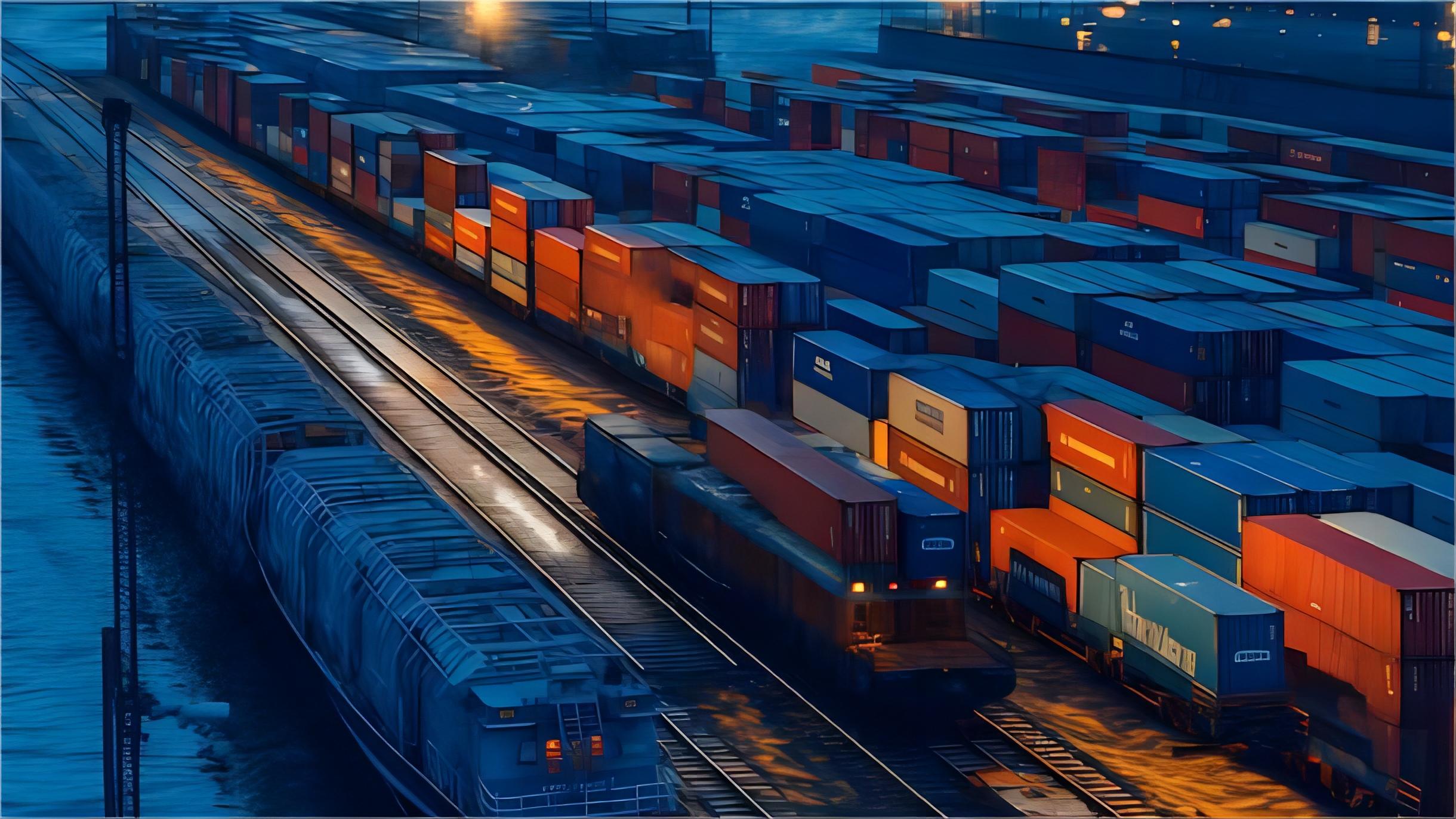
40HQ FCL Demurrage Prevention for Solar Panels from China to New York
Shipping renewable energy equipment requires meticulous planning to avoid expensive port delays. Top China Freight understands that 40HQ FCL demurrage prevention for solar panels from China to New York is critical for maintaining project timelines and profitability. By implementing proactive strategies, importers can navigate the complexities of international logistics without incurring unnecessary fees.
What Is 40HQ FCL Demurrage Prevention for Solar Panels from China to New York?
Demurrage refers to the fees charged by shipping lines when a container remains at the port beyond the allotted free time. For high-volume items like solar panels, these costs can accumulate rapidly and erode profit margins. Consequently, understanding the mechanics of 40HQ FCL demurrage prevention for solar panels from China to New York is essential for every renewable energy developer.
Typically, carriers provide a standard free period of four to seven days for containers to be picked up. If the cargo is not cleared and moved out of the terminal within this window, daily charges begin to apply. Furthermore, these rates often increase tiered over time, making early intervention vital.
Effective prevention starts with coordinating with your freight forwarder long before the vessel arrives in New York. Indeed, having a clear visibility of the supply chain allows for better resource allocation at the destination. Therefore, planning for the final mile delivery should happen while the ship is still in transit across the ocean.
Solar panels are particularly sensitive to handling and require specialized equipment for unloading. This means that any delay in securing a chassis or a truck can lead directly to demurrage penalties. Meanwhile, maintaining a buffer in your delivery schedule can help mitigate the impact of unforeseen port congestion.
Common Causes of Shipping Delays for Solar Panels at New York Ports
Port congestion remains one of the primary reasons why shipments fail to leave the terminal on time. New York and New Jersey ports handle massive volumes of cargo, leading to occasional bottlenecks at the gates. However, utilizing sea freight services with prioritized terminal access can help bypass some of these issues.
Customs examinations are another frequent cause of delay for solar energy products. Because solar panels are subject to specific trade regulations and duties, US Customs and Border Protection may flag containers for intensive inspections. Consequently, these inspections can take several days, quickly eating into your free time allowance.
Documentation errors often lead to administrative holds that prevent the release of the container. If the bill of lading or commercial invoice contains inaccuracies, the carrier will not allow the cargo to be picked up. Additionally, missing certificates of origin can trigger extensive audits by federal authorities.
Trucking capacity shortages in the New York metropolitan area also contribute significantly to demurrage. Finding a reliable driver who can handle a 40HQ container during peak season is often challenging. Nevertheless, booking your drayage services at least two weeks in advance can ensure that a truck is available when the container hits the ground.
How Does Sea Freight Compare to Other Shipping Options?
Choosing the right shipping method is the first step in 40HQ FCL demurrage prevention for solar panels from China to New York. While ocean transport is the most common, alternatives like air or multi-modal routes exist for urgent needs. However, the cost-benefit analysis usually favors the sea route for large-scale solar installations.
Air freight offers the fastest transit times but comes at a significantly higher price point. For a full 40HQ volume of solar panels, air transport is often cost-prohibitive unless the project is facing massive liquidated damages. Moreover, the environmental impact of air transport is much higher compared to maritime shipping.
Multi-modal solutions, such as shipping to a West Coast port and then railing the cargo to New York, can sometimes offer a balance of speed and cost. On the other hand, this adds more touchpoints where delays can occur. To summarize, the direct sea route to the East Coast remains the standard for reliability in the solar industry.
Market data suggests that ocean freight rates from China to the US East Coast have stabilized in early 2025. This stability allows for more accurate budgeting and better planning for demurrage-free periods. Always consult with a professional to understand the current market trends before finalizing your logistics strategy.
| Method | Cost Range (40HQ) | Transit Time | Best For |
| Sea Freight (Direct) | $4,500 – $6,000 | 30-35 Days | Bulk Solar Panels |
| Sea-Rail Hybrid | $5,200 – $6,800 | 22-28 Days | Mid-range Urgency |
| Air Freight | $45,000 – $60,000 | 5-8 Days | Emergency Repairs |
| LCL Shipping | $150 – $250 / CBM | 35-40 Days | Small Samples |
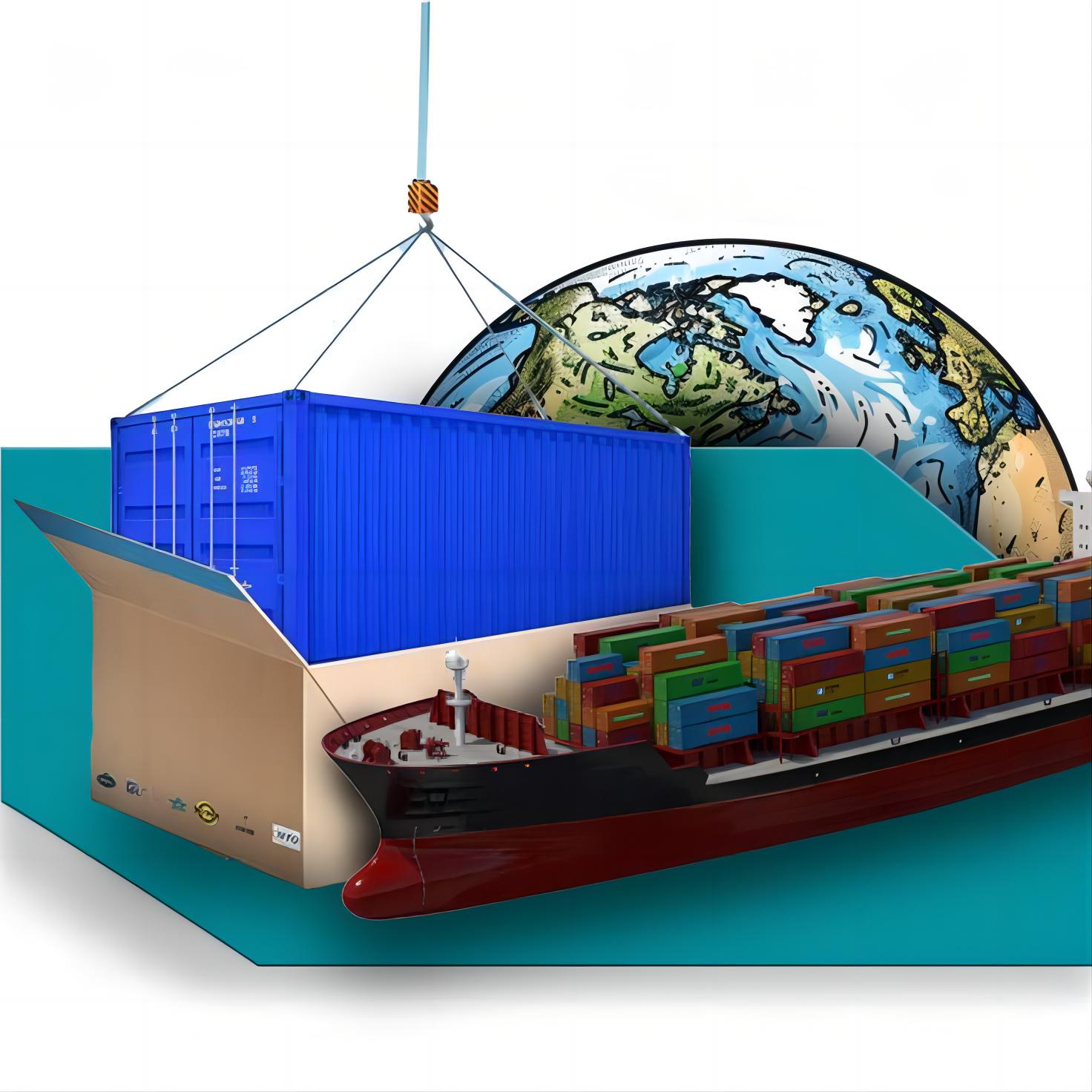
Essential Documentation for Smooth Customs Clearance
Accurate paperwork is the backbone of 40HQ FCL demurrage prevention for solar panels from China to New York. You must ensure that your customs brokerage team receives all documents at least a week before arrival. This proactive approach allows for the filing of the Entry Summary well in advance.
The Commercial Invoice must clearly state the value, country of origin, and detailed description of the solar panels. Any ambiguity here can lead to a Request for Information from customs officials. Furthermore, the Packing List should precisely match the contents of the 40HQ container to avoid discrepancies during a physical exam.
Specific to solar panels, you may need to provide documentation regarding anti-dumping and countervailing duties (AD/CVD). Failure to provide the correct declarations can result in the cargo being held indefinitely. Indeed, many importers face their highest demurrage bills due to missing regulatory paperwork.
To summarize the requirements, the following table provides a checklist of the most critical documents needed for US entry. Keeping these organized in a digital format will streamline the communication between all parties involved in the shipment.
| Document Name | Purpose | Required By | Timeline |
| Bill of Lading | Title of Goods | Carrier | At Departure |
| Commercial Invoice | Valuation | US Customs | 7 Days Pre-Arrival |
| Packing List | Inventory Verify | Port Authority | 7 Days Pre-Arrival |
| ISF (10+2) | Security Filing | US Customs | 24 Hours Pre-Loading |
Step-by-Step 40HQ FCL Demurrage Prevention Strategy
Implementing a robust strategy for 40HQ FCL demurrage prevention for solar panels from China to New York requires coordination across the entire supply chain. First, you should negotiate for extended free time with the shipping line at the point of booking. Often, carriers are willing to grant 10 to 14 days of free time for high-volume accounts.
Second, ensure that you are shipping to North America with a carrier that has a dedicated terminal in New York. This can reduce the time it takes for the container to be discharged and made available for pickup. Additionally, using a pre-pull strategy where the container is moved to a private yard can save money if your final warehouse is full.
Third, maintain constant communication with your drayage provider. They should have the container number and the estimated time of arrival weeks in advance. Consequently, they can schedule the pickup for the very first day the container is available. Meanwhile, always have a backup trucking company on standby in case of equipment failure.
Finally, monitor the vessel’s progress using real-time tracking tools. If the ship is delayed, adjust your warehouse labor and trucking schedules accordingly. Therefore, you avoid paying for a truck that arrives at the port when the container is still on the ship.
Real-World Case Studies for Solar Panel Logistics
Examining real-world examples helps illustrate the effectiveness of 40HQ FCL demurrage prevention for solar panels from China to New York. These cases highlight how different strategies impact the final landed cost of the equipment. We have compiled these based on market conditions from late 2024 and early 2025.
Case Study 1: Successful Direct Shipment. A developer imported 10 containers from Shanghai to New York. By using a door to door service, they integrated customs and trucking under one provider. As a result, they cleared customs three days before arrival and picked up all units within the 7-day free window, paying zero demurrage.
Case Study 2: Managing Port Congestion. A shipment from Ningbo faced a 5-day delay due to a strike at the New York terminals. However, because the importer had negotiated 14 days of free time in their contract, they still avoided all penalties. This case proves that contract negotiation is just as important as physical logistics.
Case Study 3: Documentation Recovery. An importer realized their certificate of origin was incorrect while the ship was mid-ocean. They worked with their agent in China to courier the correct documents to New York before the ship docked. Consequently, the cargo was released immediately upon arrival, avoiding a potential $2,000 demurrage bill.
Case Study 1: Direct Shanghai to New York
Route: Shanghai, China to New York, USA. Cargo: Monocrystalline Solar Panels, 68 CBM, 18,000 kg. Container: 40HQ FCL. Shipping Details: Direct service via Major Carrier. Port of Loading: Shanghai. Port of Discharge: New York. Cost Breakdown: Ocean Freight $5,200, Origin Charges $450, Destination Charges $600. Timeline: Transit 32 days, Customs 2 days. Total Door-to-Door: 38 days. Key Insight: Pre-filing customs allowed for immediate pickup.
Case Study 2: Ningbo via Savannah Transshipment
Route: Ningbo, China to New York, USA. Cargo: Solar Modules, 70 CBM, 19,500 kg. Container: 40HQ FCL. Shipping Details: Transshipment via Savannah. Port of Loading: Ningbo. Port of Discharge: New York (via rail). Cost Breakdown: Ocean Freight $5,800, Total Landed Cost $7,200. Timeline: Transit 38 days, Customs 4 days. Total Door-to-Door: 46 days. Key Insight: Extended free time at the rail ramp prevented storage fees.
Market Trends: Shipping Solar Panels from China to New York in 2025
The logistics landscape for renewable energy is constantly evolving. As of Q1 2025, freight rates from China to the US East Coast have stabilized after the disruptions seen in previous years. However, seasonal peaks during the late summer months still cause temporary spikes in both pricing and port congestion.
Industry trends suggest that more solar importers are moving toward digital freight platforms for better visibility. These platforms provide automated alerts for demurrage risks, allowing for faster decision-making. Additionally, the shift toward larger 40HQ containers continues to be the most efficient way to transport solar modules.
Environmental regulations are also influencing shipping routes. Some carriers are introducing green corridors that prioritize low-emission vessels for solar cargo. While these might carry a slight premium, they offer faster processing times in some terminals. Therefore, choosing a carrier based on more than just the base rate can be beneficial.
Note: Freight rates are subject to change based on fuel costs, carrier capacity, and seasonal demand. Contact us for a current quote tailored to your specific shipment.
Which Logistics Strategy Should You Choose?
Deciding on the best approach for 40HQ FCL demurrage prevention for solar panels from China to New York depends on your project’s specific needs. If your priority is the lowest possible cost, a standard direct sea freight service with negotiated free time is the best option. This requires the most advanced planning but offers the best margins.
For projects with tight deadlines, a premium service that guarantees terminal priority is worth the extra investment. While the upfront freight rate is higher, the risk of paying thousands in demurrage is significantly reduced. Consequently, the total landed cost often ends up being lower than the ‘cheap’ alternative.
Volume also plays a role in your decision. Large-scale developers should look into annual volume contracts with carriers to secure better terms and guaranteed equipment. In contrast, smaller importers might find better value through a freight forwarder who can consolidate their needs with other shipments.
Ultimately, the goal is to create a predictable and repeatable process. By standardizing your documentation and trucking partnerships, you can make demurrage a thing of the past. Always review your logistics performance after each shipment to identify areas for further improvement.
Final Thoughts on Demurrage Prevention
Mastering 40HQ FCL demurrage prevention for solar panels from China to New York is a vital skill for any successful importer. By focusing on early documentation, carrier negotiations, and reliable trucking, you can eliminate one of the most common hidden costs in international trade.
Remember that the cheapest freight rate is not always the most economical if it leads to port delays. Investing in quality logistics partnerships and maintaining clear communication will ensure your solar panels arrive on site without the burden of extra fees. Start planning your next shipment with these strategies in mind to maximize your project’s success.
Ready to streamline your logistics?
Ready to optimize your solar supply chain? Contact Top China Freight today for expert assistance with 40HQ FCL demurrage prevention for solar panels from China to New York and secure a competitive quote for your next shipment. Visit our website to learn more.
Request Quote