
20GP FCL Demurrage Prevention for Textiles from China to UK
Managing 20GP FCL demurrage prevention for textiles from China to UK is a critical task for any importer looking to protect their profit margins. High storage fees at ports like Felixstowe or Southampton can quickly erode the benefits of sourcing affordable garments from manufacturers in China. By partnering with a reliable partner like Top China Freight, you can streamline your logistics and avoid these unnecessary costs. This guide provides actionable strategies to ensure your textile shipments arrive smoothly without incurring penalty charges.
What is Demurrage and Why Does it Affect Textile Shipments?
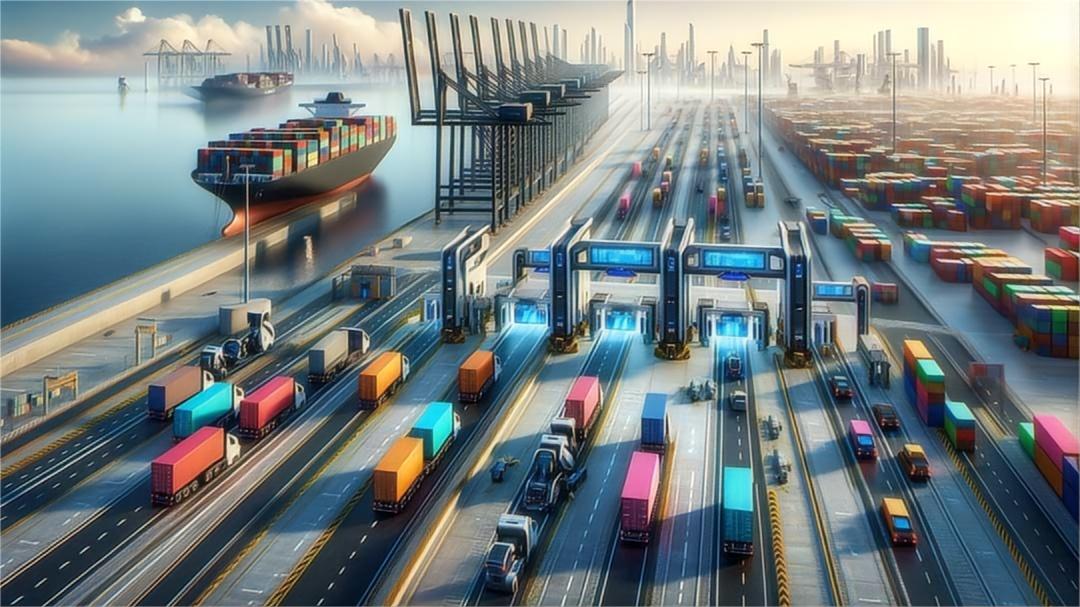
Demurrage refers to the fees charged by shipping lines when a container remains inside the terminal beyond the allotted free time. For textile importers, this usually happens when customs delays or transport issues prevent the 20GP container from leaving the port. Consequently, these costs can accumulate daily, sometimes reaching hundreds of pounds per container.
Textiles often face scrutiny because of complex tariff classifications and origin requirements. Choosing sea freight requires careful planning to ensure the free time offered by the carrier matches your inland haulage capabilities. Moreover, understanding the difference between demurrage and detention is vital for accurate budgeting.
Detention occurs when the container is outside the port but has not been returned to the carrier’s depot. Both fees represent significant risks in the textile supply chain. Therefore, proactive management of the container lifecycle is the only way to maintain profitability.
Why Are Textiles Prone to Demurrage Delays?
Garments and fabrics often involve multiple SKUs, which complicates the packing list and commercial invoice. If the description of goods is vague, UK Customs may flag the shipment for a physical inspection. This process takes time, often exceeding the standard 5 to 7 days of free time provided by shipping lines.
Additionally, seasonal peaks in the fashion industry often lead to port congestion in the UK. During these periods, finding a truck to haul a 20GP container from Felixstowe can become extremely difficult. As a result, containers sit idle at the quay while the demurrage clock ticks away.
Inaccurate Harmonized System (HS) codes also play a significant role in shipping delays. If the code on your documentation does not match the actual textile material, customs will demand a correction. Consequently, your cargo remains stuck at the terminal until the paperwork is rectified.
Essential Documentation for UK Customs Clearance
Preparation is the most effective tool for 20GP FCL demurrage prevention for textiles from China to UK. You must ensure that all documents are shared with your broker at least a week before the vessel arrives. Utilizing a professional customs brokerage service can help you identify errors before they cause a bottleneck.
Furthermore, certain textiles require specific certificates, such as a Certificate of Origin for preferential duty rates. If these documents are missing, the goods cannot be cleared for entry into the UK market. Meanwhile, the shipping line continues to charge for the container’s presence on the dock.
The following table outlines the critical documents needed to avoid delays.
| Document Type | Required Data | Source | Impact of Error |
|---|---|---|---|
| Commercial Invoice | Value, Currency, HS Code | Supplier | High – Valuation issues |
| Packing List | Weight, Volume, Pieces | Supplier | Medium – Inspection risk |
| Bill of Lading | Consignee, Notify Party | Carrier | Critical – Release delay |
| Cert. of Origin | Country of Production | Chamber of Commerce | High – Duty disputes |
How Does 20GP FCL Compare to Other Shipping Options?
While a 20GP container is standard for textiles, it is not always the most efficient choice for every volume. For smaller shipments, LCL might seem cheaper, but it often carries higher destination fees and longer clearance times. Conversely, for very urgent stock, rail freight offers a faster transit than sea.
Rail freight from China to the UK typically takes 18 to 22 days, compared to 35 to 40 days by sea. However, the cost is significantly higher, making it suitable only for high-value fashion items or late-season replenishments. Nevertheless, rail often has more predictable terminal handling, which can reduce the risk of demurrage.
Air freight remains the fastest option but is cost-prohibitive for bulk textile orders. Most importers use a hybrid strategy, sending the bulk by sea and urgent samples by air.
| Shipping Method | Cost Range (USD) | Transit Time | Best For |
|---|---|---|---|
| Sea (20GP FCL) | $2,200 – $2,800 | 35-42 Days | Bulk Inventory |
| Rail Freight | $3,800 – $4,800 | 18-25 Days | Mid-season Stock |
| Air Freight | $8.00 – $12.00/kg | 5-8 Days | Urgent Samples |
| Sea-Air Hybrid | $4.50 – $6.50/kg | 15-20 Days | Cost-Speed Balance |
Realistic Case Studies: Textile Shipping to the UK
Reviewing real-world examples helps illustrate the costs and timelines involved in textile logistics. These cases reflect market conditions from late 2024 to early 2025. Note: Freight rates are subject to change based on fuel costs, carrier capacity, and seasonal demand. Contact us for a current quote tailored to your specific shipment.
Case Study 1: Ningbo to Felixstowe (Standard Sea Freight)
Route: Ningbo, China to Felixstowe, UK. Cargo: 100% Cotton T-shirts, 28 CBM, 12,000 kg. Container: 20GP FCL. Shipping Details: Carrier: COSCO. Port of Loading: Ningbo. Port of Discharge: Felixstowe. Route Type: Direct. Cost Breakdown: Ocean Freight: $2,450. Origin Charges: $350. Destination Charges: $480. Customs and Duties: $1,200. Total Landed Cost: $4,480. Timeline: Booking to Loading: 5 days. Sea Transit: 36 days. Customs Clearance: 2 days. Total Door-to-Door: 48 days. Key Insight: Pre-clearing the shipment 3 days before arrival prevented any demurrage fees.
Case Study 2: Shanghai to Southampton (Urgent Rail-Sea Hybrid)
Route: Shanghai, China to Southampton, UK via Rail. Cargo: Synthetic Sportswear, 25 CBM, 9,000 kg. Container: 20GP FCL. Shipping Details: Carrier: China Railway Express. Port of Loading: Xi’an (Inland Rail Hub). Port of Discharge: Southampton (via feeder). Route Type: Transshipment. Cost Breakdown: Ocean Freight: $4,100. Origin Charges: $400. Destination Charges: $550. Customs and Duties: $1,800. Total Landed Cost: $6,850. Timeline: Booking to Loading: 7 days. Sea Transit: 22 days. Customs Clearance: 3 days. Total Door-to-Door: 35 days. Key Insight: Rail saved 12 days compared to sea, which was vital for a Q1 2025 product launch.
Which Option Should You Choose?
Choosing the right method depends on your specific business priorities and budget. If your primary goal is cost-saving, a 20GP FCL via sea is the industry standard for textiles. However, you must ensure your warehouse is ready to receive the goods immediately to avoid detention fees.
For those with a speed priority, rail freight is the middle ground between sea and air. It provides a significant time saving without the extreme expense of air transport. Additionally, consider the cargo type; high-fashion items with short shelf lives justify the higher costs of faster transit.
Budget priority: Recommend Sea Freight. Speed priority: Recommend Rail or Air. Volume threshold: For shipments over 15 CBM, always choose FCL over LCL to simplify the clearance process and reduce per-unit costs.

Top Strategies for Preventing Demurrage on Textile Imports
Requesting extended free time from your carrier is the first line of defense. Many shipping lines will grant 10 to 14 days of free time if requested at the time of booking. This buffer is invaluable if the UK port experiences sudden labor strikes or technical glitches.
Furthermore, utilizing a door to door service simplifies the entire process. When one company manages the sea freight, customs, and final delivery, the risk of communication gaps disappears. Consequently, the coordination between the port and the trucking company is much tighter.
Always verify your HS codes and duty rates before the cargo leaves China. Indeed, a small error in the percentage of synthetic fibers can lead to a complete re-evaluation by customs. Therefore, double-checking the technical specifications of your textiles is a mandatory step in your supply chain.
The Role of Market Trends in Textile Logistics
As of early 2025, freight rates from China to shipping from China to Europe have stabilized. However, geopolitical factors can still cause sudden shifts in transit times. Importers should monitor the Red Sea situation and UK port labor updates closely.
Additionally, sustainability is becoming a major factor in textile logistics. Some UK retailers now prefer rail freight because it has a lower carbon footprint than air freight. Consequently, your choice of transport might be dictated by your brand’s environmental commitments as much as by cost.
Digitalization of documentation is another trend helping to reduce demurrage. Electronic Bills of Lading (eBL) allow for instant transfer of ownership, removing the risk of delays caused by lost or late paper documents. Indeed, adopting these technologies is essential for modern textile importers.
Final Thoughts on Textile Shipping Efficiency
Successful 20GP FCL demurrage prevention for textiles from China to UK requires a combination of early documentation, carrier negotiation, and reliable local partners. By understanding the common pitfalls of textile imports, you can build a more resilient supply chain. Whether you choose sea, rail, or air, the key is proactive communication and meticulous planning.
Remember that the cheapest freight rate is not always the most economical if it leads to high demurrage charges. Invest in quality logistics services to protect your bottom line and ensure your fashion products reach the UK market without delay.

Ready to streamline your logistics?
Ready to streamline your textile imports and eliminate unnecessary port fees? Contact Top China Freight today for expert assistance with 20GP FCL demurrage prevention for textiles from China to UK. Our team ensures your cargo moves efficiently through customs and reaches your warehouse on time.
Request Quote