
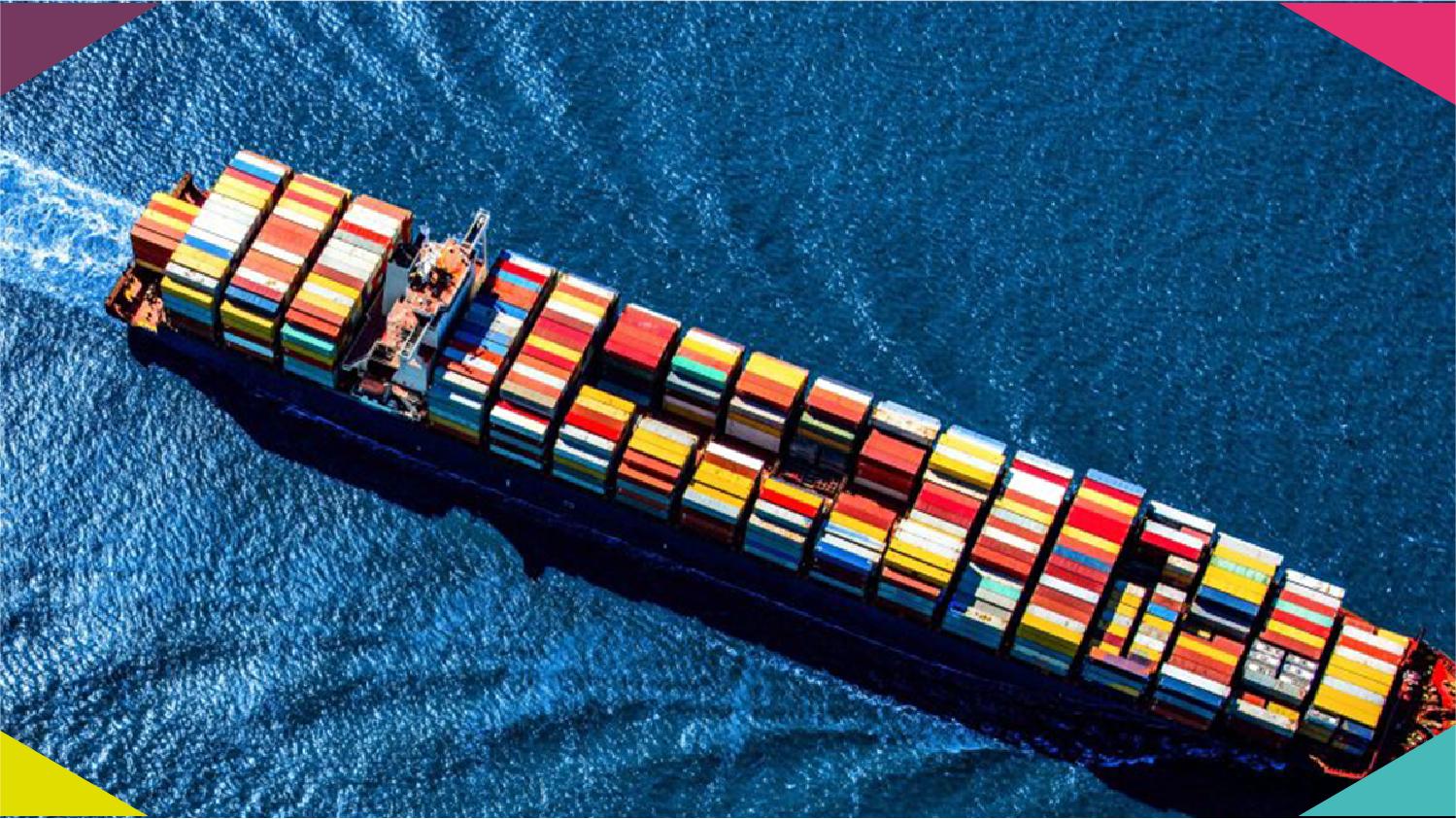
Demurrage Prevention for FCL Shipping from China to Savannah: 2025 Guide
Managing international logistics requires a deep understanding of potential hidden costs that can impact your profit margins. Specifically, demurrage prevention for FCL shipping from China to Savannah is a top priority for importers looking to streamline their operations at the Georgia Ports Authority. By working with a reliable partner like Top China Freight, you can navigate the complexities of ocean transport while avoiding unnecessary port penalties. This comprehensive guide explores the best practices to keep your containers moving and your costs under control.
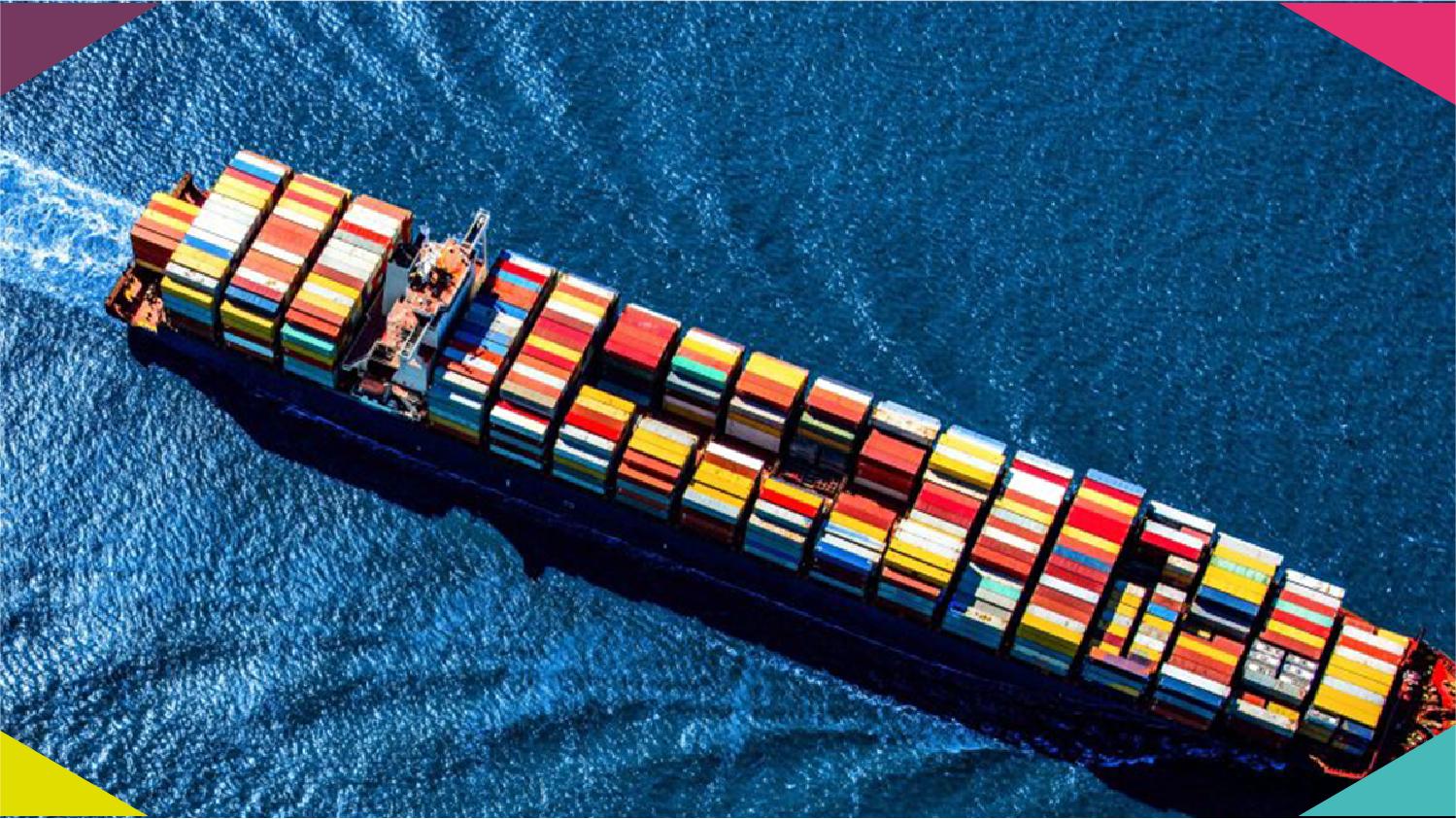
What is Demurrage and Why Does it Occur?
Demurrage refers to the fees charged by shipping lines when a container remains inside the port terminal beyond the allotted free time. Consequently, these charges accumulate daily and can quickly escalate into thousands of dollars if not managed proactively. Carriers typically provide a free period of 4 to 7 days for full container load shipments at the Port of Savannah.
Several factors contribute to these delays, including customs hold-ups, missing documentation, or lack of available trucking capacity. Moreover, port congestion during peak seasons often makes it difficult to retrieve containers within the standard window. Therefore, understanding the root causes is the first step toward effective demurrage prevention for FCL shipping from China to Savannah.
Importers must recognize that demurrage is distinct from detention, which applies to the time a container spends outside the port. Nevertheless, both fees represent significant risks to your overall shipping costs. By planning ahead, you can ensure your supply chain remains resilient against these common logistics hurdles.
The Critical Role of Demurrage Prevention for FCL Shipping from China to Savannah
Savannah is one of the fastest-growing ports in North America, handling massive volumes of containerized cargo every year. Because of this high volume, the port operates under strict schedules to maintain efficiency and prevent bottlenecks. Indeed, failing to move your cargo quickly can result in your container being moved to off-site storage, adding even more fees.
Effective demurrage prevention for FCL shipping from China to Savannah ensures that your goods reach their final destination without draining your budget. Furthermore, staying ahead of port deadlines helps maintain good relationships with carriers and terminal operators. Consequently, businesses that prioritize logistics planning often enjoy more reliable delivery schedules and lower overall freight rates.
Utilizing a professional sea freight service allows you to leverage expert knowledge of local port conditions. These experts can anticipate potential delays before they happen. As a result, you can focus on your core business while your logistics partner handles the intricacies of port operations.
How Does FCL Compare to Other Shipping Options?
Choosing the right shipping method is vital for both cost management and speed. While Full Container Load is the standard for large shipments, other options might be more suitable depending on your specific needs. For instance, smaller shipments might benefit from different consolidation strategies.
In contrast to air transport, ocean freight offers much lower costs for high-volume goods. However, the transit time is significantly longer, requiring better advance planning. Additionally, rail and sea combinations can sometimes offer unique benefits for inland destinations beyond Georgia.
Below is a detailed comparison of the primary shipping methods available for the China to Savannah route.
| Shipping Method | Cost Range (USD) | Transit Time | Best For | Limitations |
|---|---|---|---|---|
| FCL (40HQ Container) | $4,500 – $6,500 | 30 – 35 Days | Large inventory | Port congestion risk |
| LCL (Per CBM) | $150 – $300 | 35 – 42 Days | Small shipments | Multiple handling points |
| Air Freight (Per KG) | $8 – $14 | 5 – 10 Days | Urgent samples | Very high cost |
| Express Service | $12 – $18 | 3 – 7 Days | Small parcels | Weight restrictions |
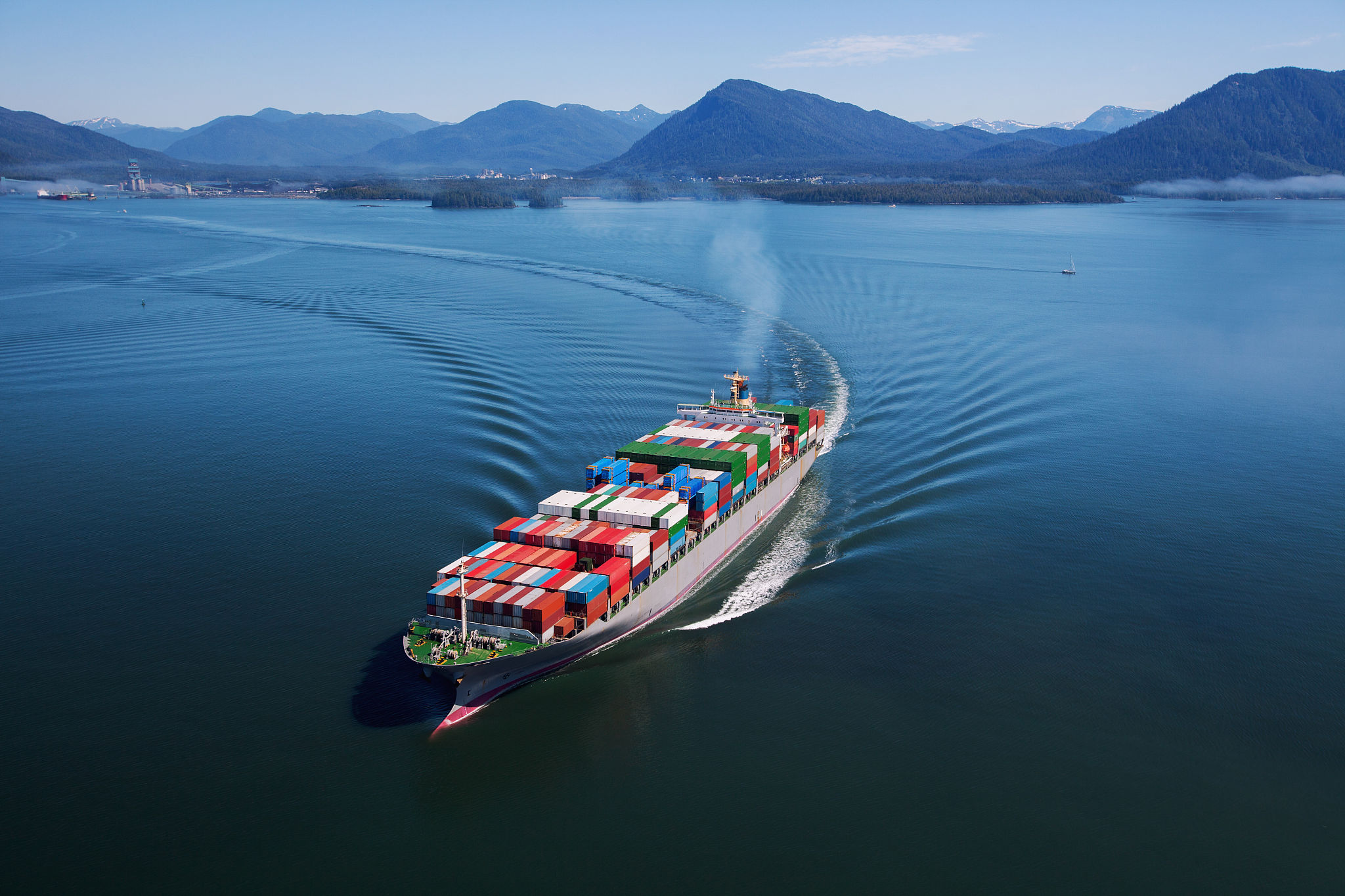
Strategic Decision Framework: Choosing Your Method
Determining the best shipping strategy depends on your budget, volume, and urgency. If your priority is the lowest possible cost per unit, FCL is almost always the superior choice for major imports. On the other hand, if you are testing a new product, LCL might reduce your initial financial exposure.
For shipments destined for the East Coast, North America logistics networks are well-equipped to handle FCL arrivals in Savannah. Specifically, if you have more than 15 cubic meters of cargo, FCL becomes more economical than LCL. Meanwhile, air freight should be reserved for high-value electronics or critical replenishment stock.
Note: Freight rates are subject to change based on fuel costs, carrier capacity, and seasonal demand. Contact us for a current quote tailored to your specific shipment.
Common Causes of Delays at the Port of Savannah
Understanding why delays happen is essential for demurrage prevention for FCL shipping from China to Savannah. One frequent issue is the late arrival of the Bill of Lading or other essential documents. Consequently, the customs broker cannot file the entry, and the container sits idle at the terminal.
Another major factor is the availability of chassis and truck drivers in the Georgia region. Specifically, during peak import seasons, the demand for drayage services often exceeds supply. Furthermore, intensive customs examinations can hold up a container for several days or even weeks.
To mitigate these risks, many importers use a customs brokerage service to handle all paperwork in advance. This ensures that the shipment is cleared before the vessel even docks. As a result, the container can be picked up immediately after it is discharged from the ship.
Essential Strategies for Demurrage Prevention
The most effective strategy is to negotiate extended free time with your carrier before the shipment departs China. While the standard is often 4 days, large-volume shippers can sometimes secure 10 or 14 days of free time. Additionally, always ensure that your documentation is 100% accurate to avoid manual reviews by customs officials.
Implementing a pre-pull strategy can also be highly beneficial. This involves moving the container to a private yard near the port before the free time expires. Moreover, utilizing door to door shipping services simplifies the process by putting one provider in charge of the entire journey.
Communication is another vital component of a successful logistics plan. You should maintain constant contact with your freight forwarder to track the vessel’s arrival and the container’s status. Consequently, you can react quickly if any issues arise during the discharge process at the Garden City Terminal.
Case Studies: Real-World Shipping Scenarios
Examining real-world examples helps illustrate how proactive management saves money. These cases show the difference between a well-planned shipment and one that encounters unexpected obstacles. Notably, the costs mentioned reflect market conditions in late 2024 and early 2025.
Case Study 1: Successful Furniture Import. Route: Ningbo to Savannah. Cargo: Office Furniture, 68 CBM. Container: 40HQ. Carrier: COSCO. Ocean Freight: $5,400. Origin Charges: $450. Destination Charges: $800. Customs and Duties: $1,200. Total Landed Cost: $7,850. Timeline: Booking to Loading: 5 days. Sea Transit: 32 days. Customs Clearance: 2 days. Total Door-to-Door: 39 days. Key Insight: Pre-filing customs allowed for immediate pickup, resulting in zero demurrage fees.
Case Study 2: Electronics Distribution. Route: Shenzhen to Savannah. Cargo: Consumer Electronics, 28 CBM. Container: 20GP. Carrier: Maersk. Ocean Freight: $3,600. Origin Charges: $400. Destination Charges: $750. Customs and Duties: $3,500. Total Landed Cost: $8,250. Timeline: Booking to Loading: 4 days. Sea Transit: 30 days. Customs Clearance: 5 days (Exam). Total Door-to-Door: 39 days. Key Insight: Despite a customs exam, the importer had negotiated 10 days of free time, avoiding $600 in potential demurrage charges.

Documentation Checklist for China to Savannah Routes
Accurate documentation is the backbone of any successful import operation. Even a small typo on a commercial invoice can lead to a multi-day delay at the port. Therefore, you must verify all details before the cargo leaves the factory in China.
For those shipping to fulfillment centers, using a specialized Amazon FBA service ensures that your labeling and packing meet specific requirements. This prevents secondary delays at the warehouse after the container has left the port. Specifically, the following documents are mandatory for every FCL shipment.
Note: Always keep digital copies of all documents to facilitate quick sharing with your logistics team and customs officials.
| Document Name | Required By | Purpose | Timing |
|---|---|---|---|
| Bill of Lading | Carrier/Customs | Proof of ownership | Before arrival |
| Commercial Invoice | Customs | Duty valuation | At time of booking |
| Packing List | Terminal/Customs | Cargo verification | At time of loading |
| ISF (10+2) Filing | US Customs | Security screening | 24 hours before loading |
Managing Last-Mile Delivery and Drayage
The final leg of the journey is often where demurrage prevention for FCL shipping from China to Savannah fails. If you do not have a truck ready to pick up the container as soon as it is cleared, the clock continues to tick. Consequently, securing a reliable drayage provider well in advance is essential.
Savannah’s infrastructure is modern, but the sheer volume of traffic can lead to gate delays. Furthermore, you must ensure that your warehouse is ready to receive the goods and unload the container quickly. This allows the driver to return the empty equipment and avoid detention charges as well.
Many successful importers use a ‘drop and pick’ system where the driver leaves a full container and picks up an empty one. This keeps the flow of goods moving and minimizes the time a driver spends waiting at your facility. Ultimately, this level of coordination requires a high-quality logistics partner with local assets in Georgia.
Summary of Effective Port Logistics
In conclusion, mastering demurrage prevention for FCL shipping from China to Savannah is a vital skill for any modern importer. By understanding the causes of delays and implementing proactive strategies, you can significantly reduce your landed costs. Remember to prioritize accurate documentation, negotiate extended free time, and partner with experienced freight forwarders.
The Port of Savannah offers incredible opportunities for businesses reaching the Eastern United States, provided you manage the risks of port congestion. Specifically, staying informed about logistics trends and market shifts will give you a competitive advantage. With the right planning and support, your FCL shipments will move smoothly from China to their final destination.
Ready to streamline your logistics?
Ready to optimize your supply chain and eliminate unnecessary port fees? Our team specializes in demurrage prevention for FCL shipping from China to Savannah to help you save time and money. Contact Top China Freight today for a customized quote and expert logistics support. Visit our website to learn more. Send Inquiry:
Request Quote