

40HQ FCL Best Route for Furniture from China to Houston Guide
Finding the 40HQ FCL best route for furniture from China to Houston requires a deep understanding of ocean logistics and port dynamics. Many importers struggle with rising costs and transit delays when moving bulky furniture across the Pacific. At Top China Freight, we specialize in streamlining this specific trade lane to ensure your goods arrive safely and on time. This guide explores the most efficient shipping strategies to help you navigate the complexities of international trade between China and Texas.
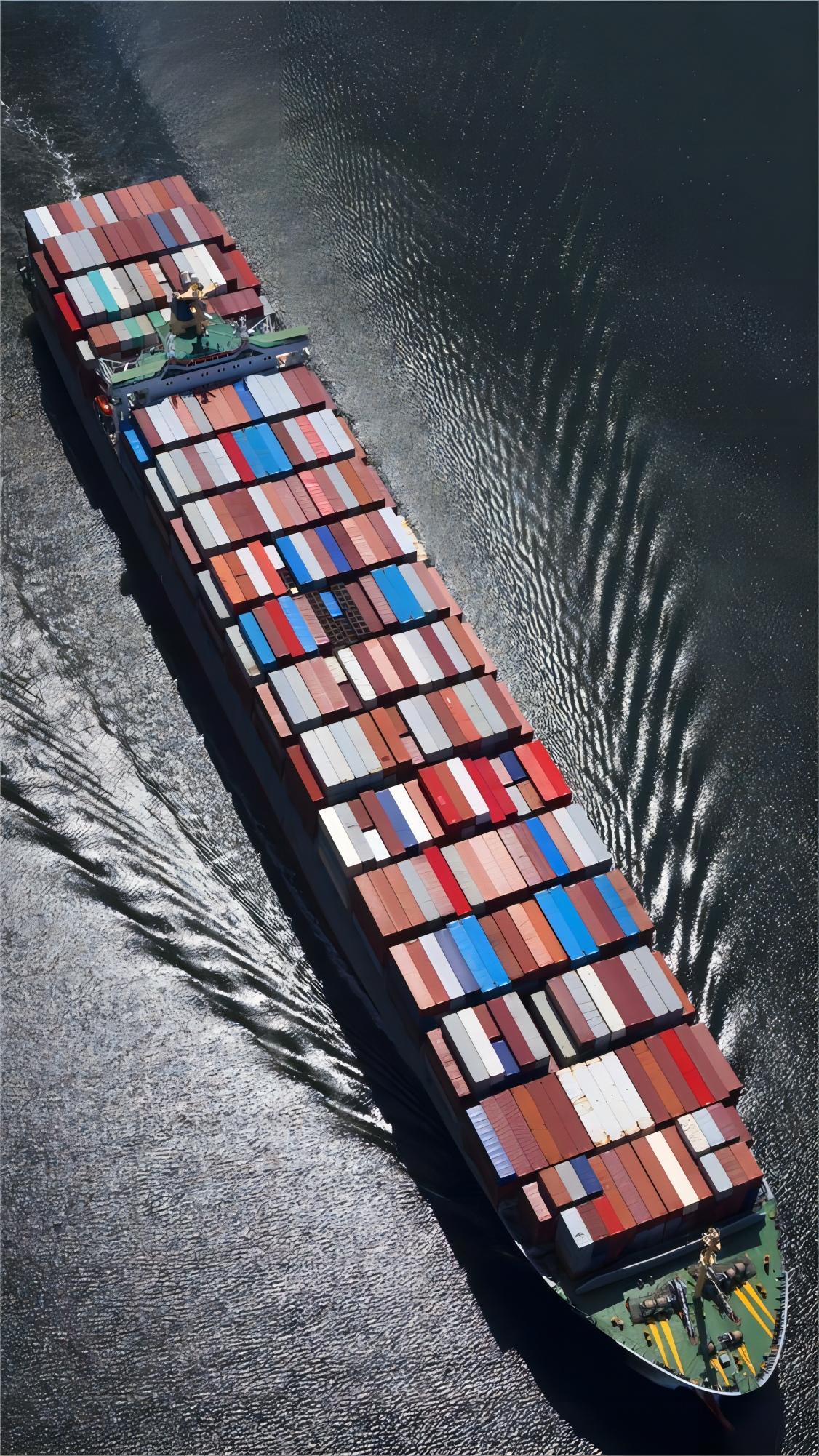
Why Choose a 40HQ FCL for Furniture Shipments?
Shipping furniture involves handling items that are often bulky, heavy, and susceptible to damage. Consequently, a 40HQ (High Cube) container offers the ideal volume for maximizing space while keeping individual unit costs low. This container type provides an extra foot of height compared to standard containers, which is essential for stacking chairs or fitting tall wardrobes.
Full Container Load (FCL) shipping ensures that your furniture remains undisturbed from the point of origin to the final destination. Moreover, using FCL reduces the risk of scratches or breakage that often occurs during the consolidation process of LCL shipments. Therefore, most professional importers prefer this method for high-value or large-volume furniture orders from manufacturing hubs like Foshan or Dongguan.
Exploring the 40HQ FCL Best Route for Furniture from China to Houston
When shipping to Houston, importers generally choose between two primary paths: the all-water route and the intermodal land bridge. Each option offers distinct advantages regarding transit time and total landed cost. Selecting the right one depends on your specific delivery schedule and budget constraints.
The all-water route typically involves sailing through the Panama Canal directly to the Port of Houston. This route is often considered the 40HQ FCL best route for furniture from China to Houston because it minimizes handling. However, it usually takes longer than routes involving West Coast discharge. You should consider North America logistics trends when making this decision.
| Route Type | Transit Time | Cost Level | Best For |
|---|---|---|---|
| All-Water (Panama) | 32-40 Days | Moderate | Cost-conscious shippers |
| Land Bridge (Rail) | 20-28 Days | High | Urgent inventory needs |
| Suez Canal Route | 45-55 Days | Variable | Alternative during canal delays |
The All-Water Route via Panama Canal
This route is the most popular for furniture because it avoids the physical stress of rail transport across the United States. Furthermore, the Port of Houston provides excellent infrastructure for handling large volumes of containerized cargo. Shipping directly to the Gulf Coast can often be more cost-effective for heavy furniture items that would incur high inland trucking fees from California.
The US West Coast Intermodal Land Bridge
Alternatively, you can ship your container to a West Coast port like Los Angeles or Long Beach and then move it by rail to Houston. This method is significantly faster, often shaving 10 to 14 days off the total transit time. Nevertheless, it involves higher costs due to the rail component and additional handling at the port of entry.

How Does 40HQ FCL Compare to Other Shipping Options?
While 40HQ FCL is the gold standard for furniture, other methods exist for different business needs. For instance, smaller shipments might utilize Less than Container Load (LCL) services. However, LCL often results in higher per-cubic-meter costs and increased handling risks for delicate furniture pieces.
Air freight remains an option for high-end designer pieces or urgent replacement parts. Nevertheless, the cost of air freight for a full container’s worth of furniture would be astronomical. Consequently, ocean freight remains the dominant choice for the furniture industry due to its balance of capacity and affordability.
| Shipping Method | Cost Range | Transit Time | Limitations |
|---|---|---|---|
| 40HQ FCL Sea | $4,500-6,500 | 30-40 Days | Requires full volume |
| LCL Sea | $150-250/CBM | 35-45 Days | High damage risk |
| Air Freight | $15,000+ | 5-8 Days | Extremely expensive |
| Sea-Air Hybrid | $8,000-10,000 | 18-22 Days | Complex logistics |
Factors Influencing Shipping Costs from China to Houston
Several variables impact the final price you pay for shipping a 40HQ container. Fuel surcharges, known as Bunker Adjustment Factors (BAF), fluctuate based on global oil prices. Additionally, peak season surcharges often apply from August through October as retailers prepare for the holiday season.
Port congestion and equipment availability also play critical roles in pricing. For example, a shortage of 40HQ containers in Shanghai can drive up local rates overnight. To secure the best pricing, we recommend booking your sea freight at least three to four weeks in advance of your required loading date.
Navigating Customs Brokerage and Documentation
Importing furniture into Houston requires meticulous documentation to avoid costly delays and penalties. You must ensure that all wood packaging materials comply with ISPM 15 heat treatment standards. Furthermore, furniture often falls under specific anti-dumping duty categories, particularly for wooden bedroom furniture from China.
Working with an experienced customs brokerage professional is essential for navigating these regulations. They will assist with ISF filings, bond requirements, and duty classifications. Indeed, a single error in your Bill of Lading or Commercial Invoice can result in your container being held for inspection, adding thousands of dollars in storage fees.
Comprehensive Door to Door Logistics for Furniture
Many modern importers prefer a streamlined solution that covers the entire journey from the factory floor to the Houston warehouse. Our door to door services manage every step, including local trucking in China, export clearance, ocean transit, and final delivery in Texas. This approach allows you to focus on sales while we handle the operational complexities.
Effective cargo handling is particularly important during the ‘last mile’ of delivery. Furniture containers often require specialized chassis or lift-gate trucks if the destination warehouse lacks a loading dock. Accordingly, detailed planning of the final delivery route in Houston ensures a smooth transition from the port to your facility.

Case Study 1: Shenzhen to Houston All-Water Success
Route: Shenzhen, China to Port of Houston, USA. Cargo: Luxury Sofa Sets, 68 CBM, 12,000 kg. Container: 40HQ FCL. Shipping Details: Carrier: COSCO. Port of Loading: Yantian. Port of Discharge: Houston. Route Type: All-Water via Panama Canal.
Cost Breakdown: Ocean Freight: $5,200. Origin Charges: $450. Destination Charges: $850. Customs and Duties: $1,200. Total Landed Cost: $7,700. Timeline: Booking to Loading: 5 days. Sea Transit: 35 days. Customs Clearance: 3 days. Total Door-to-Door: 43 days. Key Insight: By choosing the all-water route, the client saved $1,800 compared to intermodal rail, while the furniture arrived in pristine condition due to minimal handling.
Case Study 2: Ningbo to Houston Intermodal Speed
Route: Ningbo, China to Houston Warehouse, USA. Cargo: Ergonomic Office Chairs, 65 CBM, 9,500 kg. Container: 40HQ FCL. Shipping Details: Carrier: Maersk. Port of Loading: Ningbo-Zhoushan. Port of Discharge: Los Angeles (Intermodal to Houston). Route Type: US West Coast Land Bridge.
Cost Breakdown: Ocean Freight: $4,800. Rail and Trucking: $2,400. Origin/Destination Fees: $1,100. Customs and Duties: $900. Total Landed Cost: $9,200. Timeline: Booking to Loading: 4 days. Sea Transit: 16 days. Rail Transit: 7 days. Total Door-to-Door: 27 days. Key Insight: The client needed inventory for a major contract. The land bridge route delivered the goods 15 days faster than the all-water option, justifying the higher cost.
Which Option Should You Choose?
Deciding on the 40HQ FCL best route for furniture from China to Houston depends on your primary business driver. If your main goal is cost reduction and your inventory levels are healthy, the all-water route via the Panama Canal is the superior choice. This route offers the lowest risk of transit damage and the most predictable pricing.
On the other hand, if you are facing stockouts or have a strict seasonal deadline, the West Coast intermodal route is the better path. While more expensive, the time savings can be critical for maintaining customer satisfaction. Always consult with your freight forwarder to check current port congestion levels, as these can temporarily change which route is truly ‘best’ at any given moment.
Final Thoughts on Shipping Furniture to Houston
In summary, importing furniture from China to Houston requires a strategic approach to route selection and container management. Whether you prioritize the cost savings of the all-water route or the speed of the intermodal land bridge, understanding the trade-offs is vital for your bottom line. By focusing on the 40HQ FCL best route for furniture from China to Houston, you can optimize your supply chain and ensure your products reach the Texas market efficiently.
As logistics trends continue to evolve in 2025, staying informed about port conditions and carrier capacity will remain a competitive advantage. Partnering with a reliable freight forwarder like Top China Freight ensures that you have the expertise needed to navigate these challenges successfully.
Ready to streamline your logistics?
Ready to secure the 40HQ FCL best route for furniture from China to Houston for your next shipment? Contact our expert logistics team today for a customized quote and professional supply chain consultation. Send Inquiry
Request Quote