
20GP FCL Shipping from China to Netherlands: Your Ultimate Guide
Navigating Top China Freight, 20GP FCL shipping from China to Netherlands can seem complex, yet it is a vital artery for global trade. This comprehensive guide simplifies the process, offering insights into costs, transit times, and best practices. We aim to equip you with the knowledge needed for a smooth and efficient full container load import journey.
What is 20GP FCL Shipping and Why Choose It?
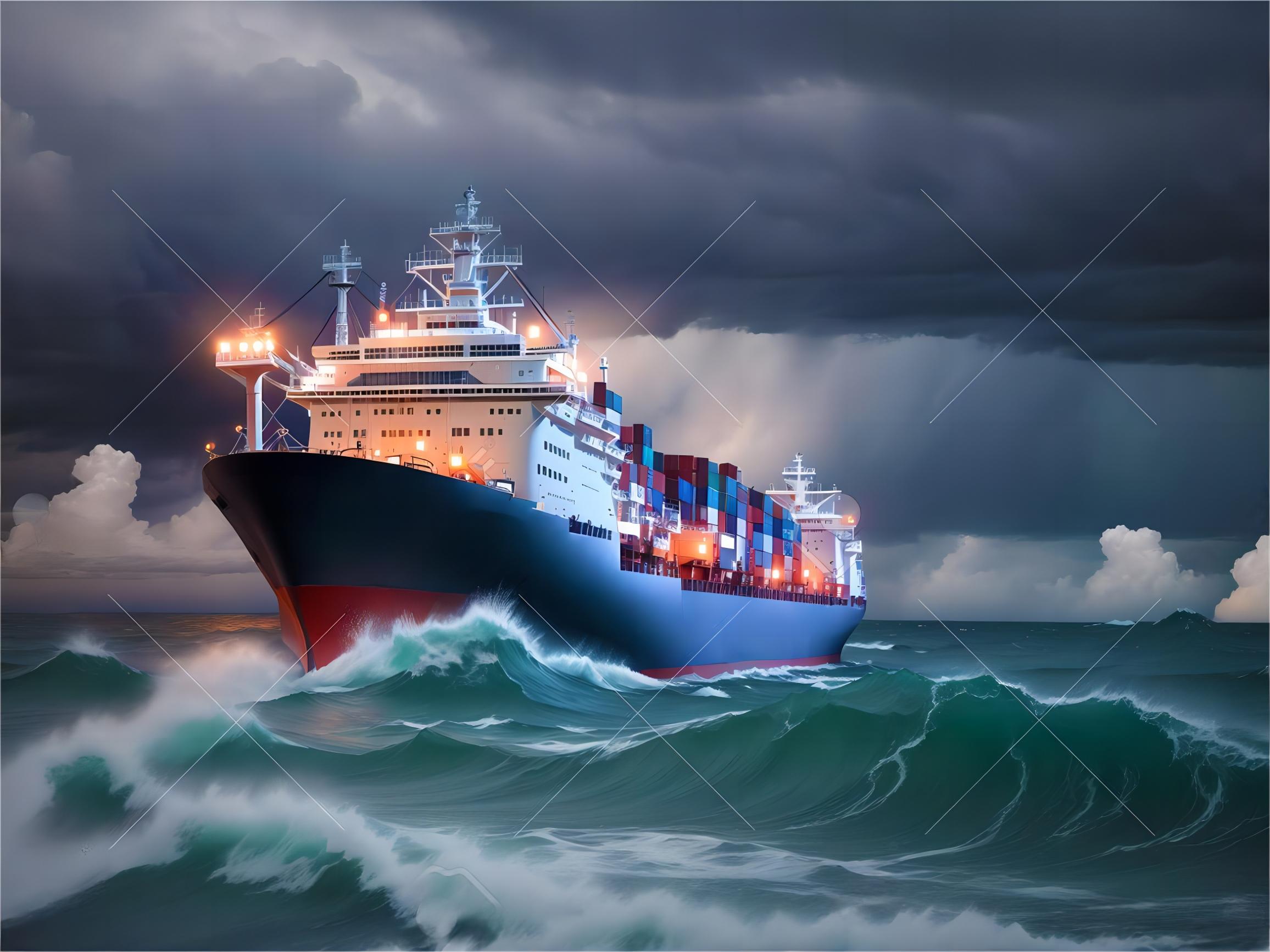
20GP FCL shipping refers to transporting goods using a 20-foot General Purpose Full Container Load. This means your cargo occupies the entire container, exclusively for your use. It is a popular option for businesses importing substantial volumes from China.
Opting for a full container load (FCL) offers distinct advantages over Less than Container Load (LCL) shipments. Primarily, it provides enhanced security and faster transit times. Your goods are not consolidated with other shippers’ cargo, reducing handling and potential delays.
Furthermore, FCL shipping often proves more cost-effective for larger volumes, typically exceeding 15-20 CBM. It simplifies logistics and reduces the risk of damage or loss, making it a preferred choice for many importers. Consider the overall efficiency and control it provides.
Understanding Your 20GP FCL Shipping Costs
The total cost for 20GP FCL shipping from China to Netherlands involves several components. These include ocean freight, origin charges, destination charges, and customs duties. Market conditions, fuel surcharges, and seasonal demand significantly influence these rates.
Ocean freight, typically the largest component, varies based on carrier capacity and current global trade lanes. Origin charges cover tasks like terminal handling, documentation, and drayage to the port. Destination charges encompass similar services upon arrival in the Netherlands.
Moreover, customs duties and VAT are critical considerations for importing goods into the EU. Importers must accurately declare their goods and pay applicable taxes. This ensures smooth clearance and avoids unexpected penalties. Always factor these into your overall budget.
Note: Freight rates are subject to change based on fuel costs, carrier capacity, and seasonal demand. Typical rates as of early 2025 reflect current market conditions, which have stabilized after the 2024 Red Sea disruptions. Contact us for a current quote tailored to your specific shipment.
| Cost Component | Description | Typical Range (USD) |
|---|---|---|
| Ocean Freight (20GP) | Main transport from China port to Rotterdam | $1,800 – $2,500 |
| Origin Charges | Terminal handling, documentation, China customs | $300 – $600 |
| Destination Charges | Terminal handling, local delivery, NL customs | $400 – $800 |
| Customs Duties & VAT | Taxes based on commodity and value | Variable (5% – 20% of CIF value) |
| Insurance (Optional) | Cargo protection against loss or damage | 0.3% – 0.5% of cargo value |
How Long Does 20GP FCL Shipping from China to Netherlands Take?
The transit time for 20GP FCL shipping from China to Netherlands typically ranges from 28 to 35 days. This duration primarily covers the sea journey itself. However, several factors can influence the overall delivery schedule.
Direct routes from major Chinese ports like Shanghai or Ningbo to Rotterdam offer the quickest transit. Transshipment routes, involving a stopover at another port, may add an extra 5-10 days. Port congestion and vessel schedules can also cause variations.
Furthermore, customs clearance procedures in the Netherlands, combined with local delivery arrangements, contribute to the total door-to-door time. Therefore, planning ahead and allowing for potential contingencies is always advisable for your import goods from China to Rotterdam.
| Origin Port (China) | Destination Port (Netherlands) | Estimated Sea Transit (Days) | Overall Door-to-Door (Days) |
|---|---|---|---|
| Shanghai | Rotterdam | 28-32 | 35-40 |
| Ningbo | Rotterdam | 29-33 | 36-41 |
| Shenzhen | Rotterdam | 30-35 | 37-43 |
| Qingdao | Rotterdam | 32-37 | 39-45 |

Essential Documentation and Customs Clearance
Successful import of your 20GP FCL shipment requires meticulous preparation of various documents. The Bill of Lading (B/L) is crucial, serving as a contract of carriage and title to the goods. Additionally, a Commercial Invoice details the transaction between buyer and seller.
A Packing List provides an inventory of the cargo within the container. The Certificate of Origin confirms where the goods were manufactured. These documents are vital for customs brokerage and duty assessment in the Netherlands.
Navigating complex customs regulations can be challenging for importers. Therefore, engaging a professional customs broker is highly recommended. They ensure compliance, calculate accurate duties, and expedite the clearance process, preventing costly delays. This is especially important for smooth supply chain management.
How Does 20GP FCL Compare to Other Shipping Options?
Choosing the right shipping method for your cargo is paramount for efficiency and cost-effectiveness. While 20GP FCL sea freight offers excellent value for bulk goods, other options might suit different needs. Each method presents unique trade-offs in terms of speed, cost, and capacity.
For instance, air freight provides unparalleled speed but at a significantly higher cost. LCL (Less than Container Load) shipping is economical for smaller volumes, yet involves more handling and potentially longer transit times. Understanding these distinctions is key to optimizing your logistics.
Furthermore, rail freight can be a viable alternative for certain routes within Europe, offering a balance between speed and cost compared to sea and air. Hybrid solutions, combining different modes, also present flexible options for complex supply chains. Let’s compare the main methods.
| Shipping Method | Cost Range (20GP Equivalent) | Transit Time (China-NL) | Best For | Limitations |
|---|---|---|---|---|
| FCL Sea Freight (20GP) | $1,800 – $2,500 (Ocean Freight) | 28-35 Days | Large volumes, heavy goods, cost-sensitive | Slowest transit time |
| LCL Sea Freight | $50 – $80/CBM | 35-45 Days | Small to medium volumes (under 15 CBM) | More handling, potential delays, higher per CBM cost |
| Air Freight | $15,000 – $25,000 (for similar volume) | 5-7 Days | Urgent, high-value, perishable goods | Very high cost, volume/weight restrictions |
| Rail Freight (China-Europe) | $5,000 – $8,000 (for 40GP) | 18-25 Days | Time-sensitive but not urgent, high-value goods | Limited direct routes to NL, transshipment required |
Which Option Should You Choose?
Your decision largely depends on your priorities. If budget is your primary concern and time allows, 20GP FCL sea freight is usually the most economical choice. It offers the lowest per-unit cost for bulk shipments, making it ideal for non-urgent inventory replenishment.
However, if speed is critical, perhaps for seasonal products or urgent components, air freight is indispensable, despite its higher expense. For cargo types like electronics or fashion, where market trends dictate rapid delivery, this premium is often justified.
Consider cargo type and volume thresholds carefully. For instance, if your shipment is under 15 CBM, LCL might be more economical than FCL. Conversely, for anything over 20 CBM, FCL becomes significantly more cost-effective. This framework helps you select the optimal shipping strategy.
Optimizing Your Supply Chain: Practical Case Studies
Real-world examples demonstrate how effective logistics planning can significantly impact your business. These case studies highlight various scenarios and successful approaches to door-to-door delivery from China to the Netherlands.
As a result, understanding these examples can help you anticipate challenges and identify opportunities for optimization. Furthermore, they showcase the benefits of partnering with an experienced freight forwarder like Top China Freight. We specialize in comprehensive logistics solutions.
Case Study 1: E-commerce Retailer Importing Home Goods
| Detail | Description |
|---|---|
| Route | Shanghai, China -> Rotterdam, Netherlands |
| Cargo | Ceramic mugs, 28 CBM, 9,500 kg |
| Container | 20GP FCL |
| Shipping Details | Carrier: Major carrier. Port of Loading: Shanghai. Port of Discharge: Rotterdam. Route Type: Direct. |
| Cost Breakdown | Ocean Freight: $2,200. Origin Charges: $450. Destination Charges: $600. Customs & Duties (estimated): $1,100. Total Landed Cost: $4,350 (excl. local delivery). Based on Q3 2024 market rates. |
| Timeline | Booking to Loading: 5 days. Sea Transit: 30 days. Customs Clearance: 3 days. Total Door-to-Door: 38 days. |
| Key Insight | Optimized container loading maximized space, reducing per-unit shipping cost. Regular updates mitigated peak season rate fluctuations. |
Case Study 2: Industrial Parts Manufacturer
| Detail | Description |
|---|---|
| Route | Ningbo, China -> Amsterdam, Netherlands |
| Cargo | Precision machined parts, 25 CBM, 15,000 kg |
| Container | 20GP FCL |
| Shipping Details | Carrier: Major carrier. Port of Loading: Ningbo. Port of Discharge: Rotterdam. Route Type: Direct sea + rail. |
| Cost Breakdown | Ocean Freight: $2,100. Origin Charges: $400. Destination Charges: $700. Customs & Duties (estimated): $1,800. Total Landed Cost: $5,000 (incl. rail to Amsterdam). Typical rates as of early 2025. |
| Timeline | Booking to Loading: 7 days. Sea Transit: 31 days. Customs Clearance: 4 days. Total Door-to-Door: 42 days. |
| Key Insight | Careful planning for heavy cargo and multimodal transport (sea-rail) ensured efficient inland delivery. Proactive customs declaration minimized delays. |
Case Study 3: Seasonal Goods Importer
| Detail | Description |
|---|---|
| Route | Qingdao, China -> Rotterdam, Netherlands |
| Cargo | Christmas decorations, 26 CBM, 7,000 kg |
| Container | 20GP FCL |
| Shipping Details | Carrier: Major carrier. Port of Loading: Qingdao. Port of Discharge: Rotterdam. Route Type: Transshipment via Singapore. |
| Cost Breakdown | Ocean Freight: $2,000. Origin Charges: $500. Destination Charges: $650. Customs & Duties (estimated): $900. Total Landed Cost: $4,050. Market data suggests slight increase in Q4 2024. |
| Timeline | Booking to Loading: 6 days. Sea Transit: 35 days. Customs Clearance: 3 days. Total Door-to-Door: 44 days. |
| Key Insight | Booking well in advance of peak season (Q4) secured better rates and avoided surcharges. Transshipment route was chosen for cost savings over direct, with adequate lead time. |
Navigating Challenges and Ensuring Smooth Delivery
Despite thorough planning, challenges can arise in international shipping. Port congestion, especially during peak seasons, can lead to unexpected delays. Moreover, unforeseen customs inspections or documentation discrepancies may also impact your delivery schedule.
To mitigate these risks, proactive communication with your freight forwarder is essential. They can provide real-time updates and offer alternative solutions if issues emerge. Furthermore, comprehensive cargo insurance offers financial protection against potential losses or damages.
Partnering with a reliable logistics provider, like Top China Freight, ensures expert handling of these complexities. Whether it’s managing your Amazon FBA shipments or providing comprehensive sea freight solutions, their experience is invaluable. They can guide you through every step of your 20GP FCL shipping journey.
Conclusion: Mastering Your China to Netherlands FCL Shipments
In conclusion, successful 20GP FCL shipping from China to Netherlands hinges on understanding the nuances of costs, transit times, and documentation. By partnering with an experienced freight forwarder, you can navigate these complexities with confidence. Optimize your supply chain and ensure your goods reach the Netherlands efficiently.
Ultimately, careful planning and expert support are key to a seamless import process. This approach minimizes risks and maximizes profitability for your business. Therefore, choose a partner who understands the intricacies of international freight.
Ready to streamline your logistics?
Ready to streamline your 20GP FCL shipping from China to Netherlands? Contact Top China Freight today for a personalized quote and expert guidance. Our team is dedicated to providing efficient and cost-effective logistics solutions tailored to your business needs.
Request Quote