
Tracking for FCL Shipping from China to Sweden: Your Complete Guide
Understanding the precise location and status of your Full Container Load (FCL) shipment is crucial for efficient supply chain management. Especially for the long journey from China to Sweden, robust tracking for FCL shipping provides invaluable peace of mind. This comprehensive guide will illuminate the intricacies of monitoring your cargo, ensuring you maintain control every step of the way. For reliable logistics solutions, consider Top China Freight as your trusted partner.
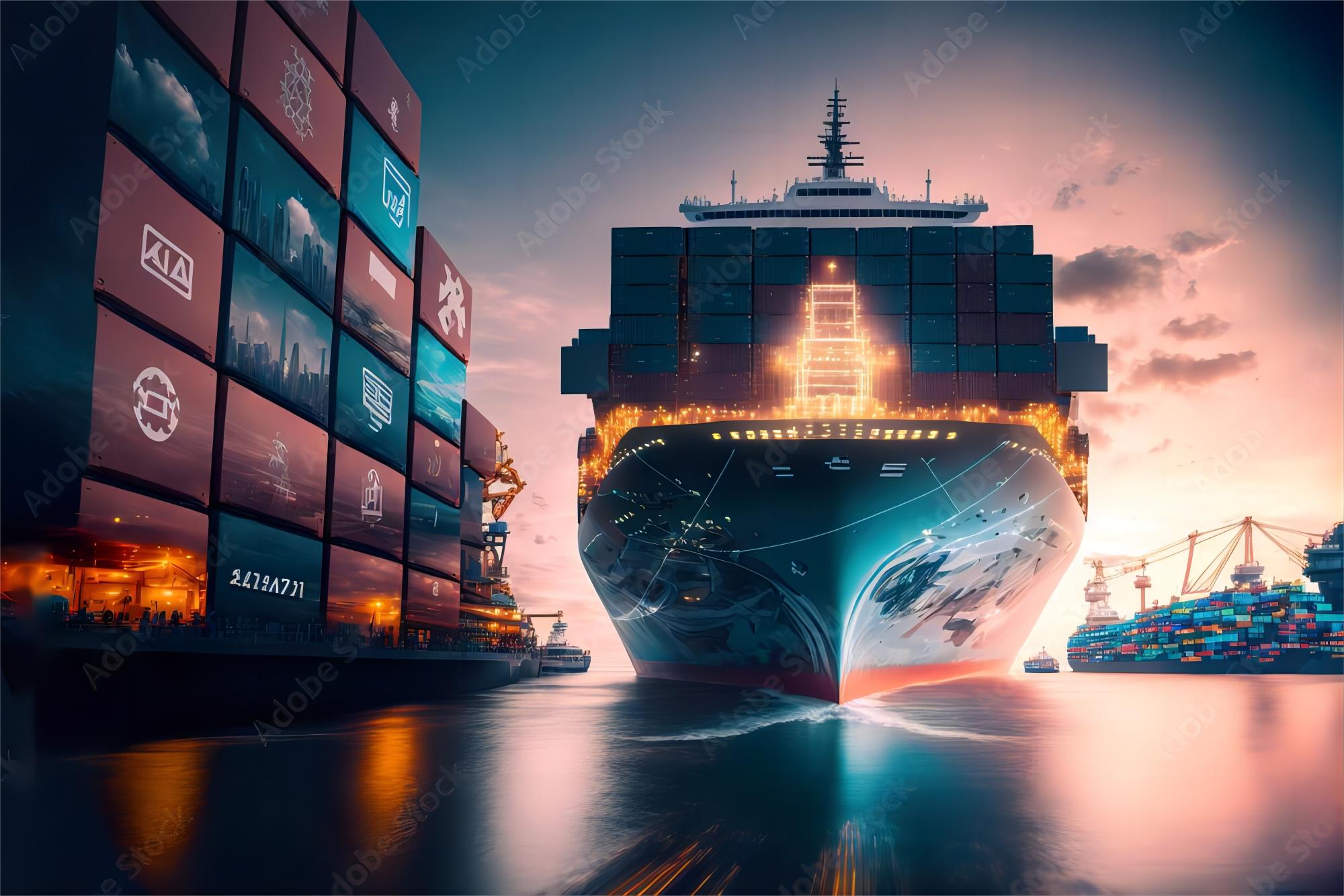
Why is Tracking for FCL Shipping from China to Sweden Essential?
Effective tracking for FCL shipping from China to Sweden is more than just knowing your container’s location. It offers unparalleled visibility into your supply chain, which is critical for planning and operational efficiency. Without this insight, businesses face increased risks of delays, unexpected costs, and dissatisfied customers.
Furthermore, real-time tracking empowers you to react swiftly to any disruptions, from port congestion to unforeseen weather conditions. Consequently, this proactive approach minimizes potential losses and keeps your inventory management precise. It truly transforms the logistics experience.
What Technologies Drive Modern FCL Shipment Tracking?
Modern FCL tracking relies on a sophisticated blend of technologies to provide comprehensive visibility. These tools ensure that every stage of your cargo’s journey is monitored and reported. Therefore, understanding these systems is key to leveraging their full potential for your China-Sweden route.

Indeed, GPS and IoT sensors are at the forefront, offering precise location data for your containers. Moreover, advanced carrier portals and Electronic Data Interchange (EDI) systems integrate this information seamlessly. This allows for automated updates and detailed reporting on your shipment’s progress. Such innovation enhances the accuracy of your delivery schedule.
How Does the FCL Tracking Process Work from China to Sweden?
The FCL tracking process begins the moment your container is loaded and sealed at the origin port in China. From this point, a unique container number and booking reference become your primary tracking identifiers. Subsequently, these details are used across various platforms to monitor progress.
As the vessel departs, its journey across the ocean is continuously monitored via satellite and port reporting systems. Upon arrival at a Swedish port, the container’s status is updated through customs clearance and onward to final delivery. This comprehensive oversight is a hallmark of efficient sea freight operations.
| Stage | Key Tracking Point | Information Provided |
|---|---|---|
| Booking Confirmation | Booking Reference | Vessel Name, ETD, ETA |
| Container Gate-in | Port of Loading | Container Received, Ready for Loading |
| Vessel Departure | Origin Port | Actual Departure Time (ATD) |
| Ocean Transit | Satellite/AIS | Real-time Vessel Position, Estimated Arrival (ETA) |
| Port Arrival | Port of Discharge | Actual Arrival Time (ATA), Unloading Status |
| Customs Clearance | Swedish Customs | Clearance Status, Holds, Release |
| Final Delivery | Destination Depot | Delivery Confirmation |

What Key Information Can You Track for Your FCL Cargo?
When tracking your FCL shipment, a wealth of critical information becomes accessible, enabling proactive supply chain management. You can typically monitor the vessel’s current position, its estimated time of arrival (ETA) at various ports, and any potential delays. This helps manage expectations.
Furthermore, you’ll receive updates on container status, including loading, discharge, and customs clearance events. Monitoring these milestones is essential for accurate inventory planning and ensuring timely delivery. Consequently, this detailed insight reduces uncertainty regarding your cargo handling.
Choosing a Reliable Tracking Provider for China to Sweden FCL
Selecting the right partner for tracking your FCL shipments from China to Sweden is paramount. A reputable freight forwarder offers not only tracking capabilities but also expertise in navigating complex logistics challenges. Look for providers with transparent systems and robust communication channels.
Indeed, a good provider will offer integrated solutions that connect directly with carrier systems, providing accurate and timely data. They should also provide proactive alerts for any deviations or delays. Customs brokerage expertise is also a significant advantage, streamlining the import process into Sweden. Ultimately, this partnership ensures peace of mind.
Case Study 1: Electronics Shipment from Shanghai to Gothenburg
| Detail | Value |
|---|---|
| Route | Shanghai, China -> Gothenburg, Sweden |
| Cargo | Consumer Electronics, 60 CBM, 15,000 kg |
| Container | 1 x 40HQ |
| Shipping Details | Carrier: MSC, Port of Loading: Shanghai, Port of Discharge: Gothenburg, Route Type: Direct |
| Cost Breakdown | Ocean Freight: $3,850, Origin Charges: $450, Destination Charges: $550, Customs & Duties (estimated): $1,200, Total Landed Cost: $6,050 |
| Timeline | Booking to Loading: 5 days, Sea Transit: 32 days, Customs Clearance: 3 days, Total Door-to-Door: 38 days |
| Key Insight | Real-time tracking of the vessel allowed for precise inventory scheduling in Sweden, avoiding warehouse overflow. Based on Q3 2024 market rates. |
Case Study 2: Industrial Machinery from Ningbo to Stockholm
| Detail | Value |
|---|---|
| Route | Ningbo, China -> Stockholm, Sweden |
| Cargo | Heavy Industrial Machinery, 25 CBM, 20,000 kg |
| Container | 1 x 20GP |
| Shipping Details | Carrier: COSCO, Port of Loading: Ningbo, Port of Discharge: Stockholm, Route Type: Transshipment via Hamburg |
| Cost Breakdown | Ocean Freight: $2,500, Origin Charges: $380, Destination Charges: $480, Customs & Duties (estimated): $1,500, Total Landed Cost: $4,860 |
| Timeline | Booking to Loading: 7 days, Sea Transit: 38 days, Customs Clearance: 4 days, Total Door-to-Door: 49 days |
| Key Insight | Tracking updates alerted the client to a one-week delay at Hamburg transshipment port. This allowed adjustment of local installation teams. Typical rates as of early 2025. |
How Does FCL Shipping Compare to Other Options for China to Sweden?
While FCL shipping is often the go-to for large volumes, understanding its alternatives is crucial for optimizing your logistics strategy. Each method offers distinct advantages and disadvantages regarding speed, cost, and capacity. Therefore, carefully evaluating these options ensures the best fit for your specific cargo. Consider the various air freight and rail freight alternatives.
Choosing between FCL, LCL, air, or rail freight significantly impacts your supply chain efficiency and freight rates. For instance, air freight offers speed but at a premium, whereas rail freight balances cost and transit time. Likewise, LCL is cost-effective for smaller volumes but lacks the dedicated space of FCL. This comparison helps in making informed decisions.
| Shipping Method | Cost Range (40HQ/CBM) | Transit Time (Days) | Best For | Limitations |
|---|---|---|---|---|
| FCL Sea Freight | $3,000-4,200 | 28-35 | Large volumes, cost-efficiency, non-urgent goods | Slowest transit time, port congestion risks |
| LCL Sea Freight | $50-80/CBM | 35-45 | Smaller volumes (under 15 CBM), budget-conscious | Longer transit, higher handling fees per CBM, potential consolidation delays |
| Rail Freight | $8,000-12,000 (40HQ) | 18-25 | Time-sensitive but not urgent, high-value goods, landlocked destinations | Limited capacity, specific routes, weather sensitivity |
| Air Freight | $15,000-25,000 (Equivalent 40HQ volume) | 5-7 | Urgent, high-value, perishable goods, small packages | Highest cost, volume/weight restrictions, environmental impact |
Which Option Should You Choose? A Decision Framework
Your ideal shipping method depends heavily on your priorities. Consider these factors to guide your decision.
If budget is your primary concern, FCL sea freight is usually the most economical option for large volumes. However, if speed is paramount for urgent shipments, air freight is unmatched, despite its higher cost. For a balance of speed and cost, especially for medium-sized loads, rail freight presents a viable alternative. Cargo type also influences the choice; fragile or high-value goods might benefit from more secure or faster transit methods. Lastly, volume thresholds are key; FCL is ideal for over 15-20 CBM, while LCL suits smaller consignments.
Maximizing Efficiency: Tips for Smooth FCL Shipments to Sweden
To ensure a seamless FCL shipping experience from China to Sweden, proactive planning and meticulous execution are vital. Start by thoroughly preparing all necessary documentation, including commercial invoices, packing lists, and certificates of origin. Errors in paperwork can lead to significant customs delays.
Moreover, maintaining open communication with your freight forwarder and suppliers is essential. Regular updates and clear instructions can prevent misunderstandings and expedite the process. Utilizing door-to-door services can further simplify logistics, offering a single point of contact and accountability. This comprehensive approach optimizes your import process.
Conclusion: Master Your FCL Shipments to Sweden
Ultimately, mastering tracking for FCL shipping from China to Sweden is indispensable for modern global trade. It provides the visibility and control necessary to navigate the complexities of international logistics. By leveraging advanced tracking technologies and partnering with experienced freight forwarders, businesses can significantly enhance their supply chain efficiency.
Indeed, effective FCL tracking minimizes risks, optimizes inventory, and ensures timely deliveries to your Swedish destination. This proactive approach strengthens your operations and builds trust with your customers. Embrace robust tracking solutions for a competitive edge in the market.
Get Your Shipping Quote Today
Ready to optimize your FCL shipping from China to Sweden with reliable tracking and expert support? Contact us today for a personalized quote and experience seamless logistics management. Our team is prepared to assist with your specific shipping requirements, ensuring transparency and efficiency for your valuable cargo.
Request Quote