
Demurrage Prevention for FCL Shipping from China to New York: A Complete Guide
Managing global logistics requires precision and foresight to maintain a healthy bottom line. Many importers face unexpected costs when their goods arrive at the Port of New York and New Jersey. You can find comprehensive logistics solutions at Top China Freight to streamline your international trade. Understanding demurrage prevention for FCL shipping from China to New York is essential for any business looking to optimize its supply chain. This guide provides actionable insights to help you navigate the complexities of ocean transport and terminal operations.
What is Demurrage in FCL Shipping?
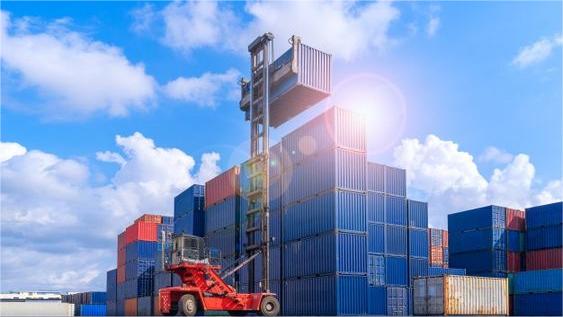
Demurrage refers to the fees charged by shipping lines when a container remains inside the terminal beyond the allotted free time. These charges start accruing the moment the free period expires and can escalate daily. Consequently, failing to move your cargo quickly results in significant financial penalties.
Moreover, you must distinguish between demurrage and detention to manage your costs effectively. While demurrage happens inside the port, detention applies to containers held outside the terminal past the return deadline. Utilizing professional sea freight services helps you monitor these timelines closely.
Carriers typically offer a standard free time of four to seven days at New York ports. However, this period can vanish quickly if customs issues or trucking shortages arise. Therefore, proactive planning serves as your first line of defense against these avoidable expenses.
Why Demurrage Prevention for FCL Shipping from China to New York Matters
New York serves as a primary gateway for goods entering the United States East Coast. Due to high traffic volumes, congestion at terminals like Maher or APM can lead to processing delays. Indeed, even a minor oversight in documentation can trigger a cascade of late fees.
Furthermore, demurrage rates at major U.S. ports are among the highest in the world. Importers might pay anywhere from 150 to 500 dollars per container per day. For a shipment of ten containers, a three-day delay could cost your business thousands of dollars in pure profit loss.
Additionally, consistent delays damage your reputation with suppliers and customers alike. Maintaining a smooth flow of goods ensures that your inventory levels remain stable and predictable. By focusing on demurrage prevention for FCL shipping from China to New York, you protect both your capital and your brand.
How Does FCL Compare to Other Shipping Options?
Choosing the right shipping method is the foundation of a successful logistics strategy. While Full Container Load (FCL) offers security and speed for large volumes, other methods might suit different needs. Specifically, businesses must weigh the trade-offs between cost, speed, and reliability when shipping to North America.
Air freight provides the fastest transit times but comes at a premium price point. In contrast, FCL shipping offers a balanced approach for bulk commodities and manufactured goods. Understanding these differences allows you to choose the most economical path for your specific cargo type.
| Shipping Method | Cost Range | Transit Time | Best For |
|---|---|---|---|
| FCL (40HQ) | $4,500 – $6,000 | 30-35 Days | Large bulk orders |
| LCL (per CBM) | $80 – $150 | 35-45 Days | Small shipments |
| Air Freight | $5 – $8 per kg | 5-7 Days | Urgent/High value |
| Express | $8 – $12 per kg | 3-5 Days | Samples/E-commerce |
Common Causes of Demurrage at New York Ports
Documentation errors represent one of the most frequent reasons for container delays. If the Bill of Lading or Commercial Invoice contains inaccuracies, customs will hold the shipment for inspection. Consequently, the container sits at the terminal while the clock on free time continues to tick.
Furthermore, lack of communication between the importer and the drayage provider can lead to missed pickup windows. New York ports require specific appointments for container retrieval, which are often difficult to secure during peak seasons. Without a confirmed slot, your container remains stuck regardless of your readiness.
Labor shortages and equipment availability also play significant roles in terminal congestion. Sometimes, a lack of available chassis prevents truckers from hauling containers out of the port. Preparing for these external factors is a vital part of demurrage prevention for FCL shipping from China to New York.

Step-by-Step Guide to Demurrage Prevention
Start by negotiating extended free time with your carrier before the ship leaves China. Large volume shippers often have the leverage to request ten to fourteen days of free time instead of the standard five. This extra cushion provides a safety net for unforeseen administrative or logistical hurdles.
Secondly, ensure that all paperwork is filed electronically well before the vessel arrives in New York. Using an experienced customs brokerage ensures that your ISF and entry filings are accurate and timely. Early clearance allows for immediate pickup the moment the container is discharged.
Thirdly, pre-pulling containers can be an effective strategy if your warehouse is not ready to receive them. This involves moving the container to a nearby private yard to stop the port demurrage clock. Although storage fees still apply at the private yard, they are usually much lower than terminal rates.
The Role of Door to Door Services in Reducing Risks
Selecting a comprehensive door to door service simplifies the entire transit process. When one provider manages the journey from the factory in China to your New York warehouse, accountability is centralized. This reduces the risk of communication gaps that often lead to demurrage.
Moreover, integrated logistics providers have established relationships with local truckers in the New York area. They can prioritize your shipments and secure scarce terminal appointments more effectively than independent operators. Consequently, you benefit from a more resilient supply chain and lower overall costs.
Without a doubt, the peace of mind offered by end-to-end management is invaluable. You can focus on growing your business while experts handle the technicalities of demurrage prevention for FCL shipping from China to New York.
Real Case Studies: Lessons from the Field
Case Study 1: Electronics from Shenzhen to New York. A tech retailer shipped five 40HQ containers of consumer electronics via a direct route. By utilizing pre-clearance strategies, they secured customs release three days before arrival. Total transit time was 32 days, and they paid zero demurrage fees despite high port congestion.
Case Study 2: Textiles from Ningbo to New York via Transshipment. A clothing brand faced a 7-day delay in Singapore due to vessel scheduling. However, because they had negotiated 14 days of free time at the destination, they avoided $2,800 in potential demurrage charges. This highlight the importance of contract negotiation in demurrage prevention for FCL shipping from China to New York.
Note: Freight rates are subject to change based on fuel costs, carrier capacity, and seasonal demand. Contact us for a current quote tailored to your specific shipment.

Which Option Should You Choose? A Decision Framework
If your primary goal is cost reduction and you have flexible timelines, FCL remains the best choice. For shipments exceeding 15 cubic meters, a full container is almost always more economical than LCL. However, you must ensure your warehouse can handle a full load quickly to avoid detention.
When speed is the priority for high-value items, air freight is the logical alternative. While expensive, it bypasses the port congestion issues that plague sea terminals. For many, a hybrid approach using Amazon FBA logistics can help manage inventory across different regions efficiently.
Consider your budget and the urgency of your inventory needs before making a final decision. Always verify the current market conditions, as transit times and rates fluctuate throughout the year.
Advanced Strategies for High-Volume Importers
Implementing a diversified port strategy can mitigate the risks associated with New York terminal congestion. Some importers choose to route cargo through smaller nearby ports or use rail connections from the West Coast. While this adds complexity, it provides alternatives when New York faces severe bottlenecks.
Furthermore, investing in supply chain visibility software allows you to track your containers in real-time. Knowing exactly when a vessel berths enables your drayage team to act instantly. Indeed, data-driven decision-making is the future of demurrage prevention for FCL shipping from China to New York.
Finally, maintain a list of backup trucking companies to ensure you always have capacity. During peak seasons, having multiple options prevents your cargo from sitting idle due to a single provider’s limitations.
Final Thoughts on Demurrage Prevention
Successfully avoiding extra fees requires a combination of early planning, accurate documentation, and strong partnerships. By understanding the specific challenges of the New York port system, you can implement effective demurrage prevention for FCL shipping from China to New York.
Remember that the cheapest freight rate is not always the most cost-effective if it leads to high terminal charges. Prioritize reliability and expertise to ensure your goods reach their destination without unnecessary delays or expenses. Start optimizing your China-to-New York shipping strategy now to stay ahead of the competition.
Ready to streamline your logistics?
Protect your profits and streamline your logistics today. Our team specializes in demurrage prevention for FCL shipping from China to New York, ensuring your cargo moves smoothly through every terminal. Visit Top China Freight to request a personalized quote and secure your supply chain. Send Inquiry: https://Top China Freight.net/contact-us/
Request Quote