

40HQ FCL Freight Rate for Solar Panels from China to Long Beach: 2025 Guide
Understanding the 40HQ FCL freight rate for solar panels from China to Long Beach is essential for importers seeking to manage their renewable energy supply chains efficiently. At Top China Freight, we provide transparent pricing and reliable logistics solutions for large-scale solar projects. Consequently, navigating the complexities of ocean transit requires up-to-date market intelligence and a strategic approach to container booking to ensure profitability.
Current Market Trends for Shipping Solar Panels to North America
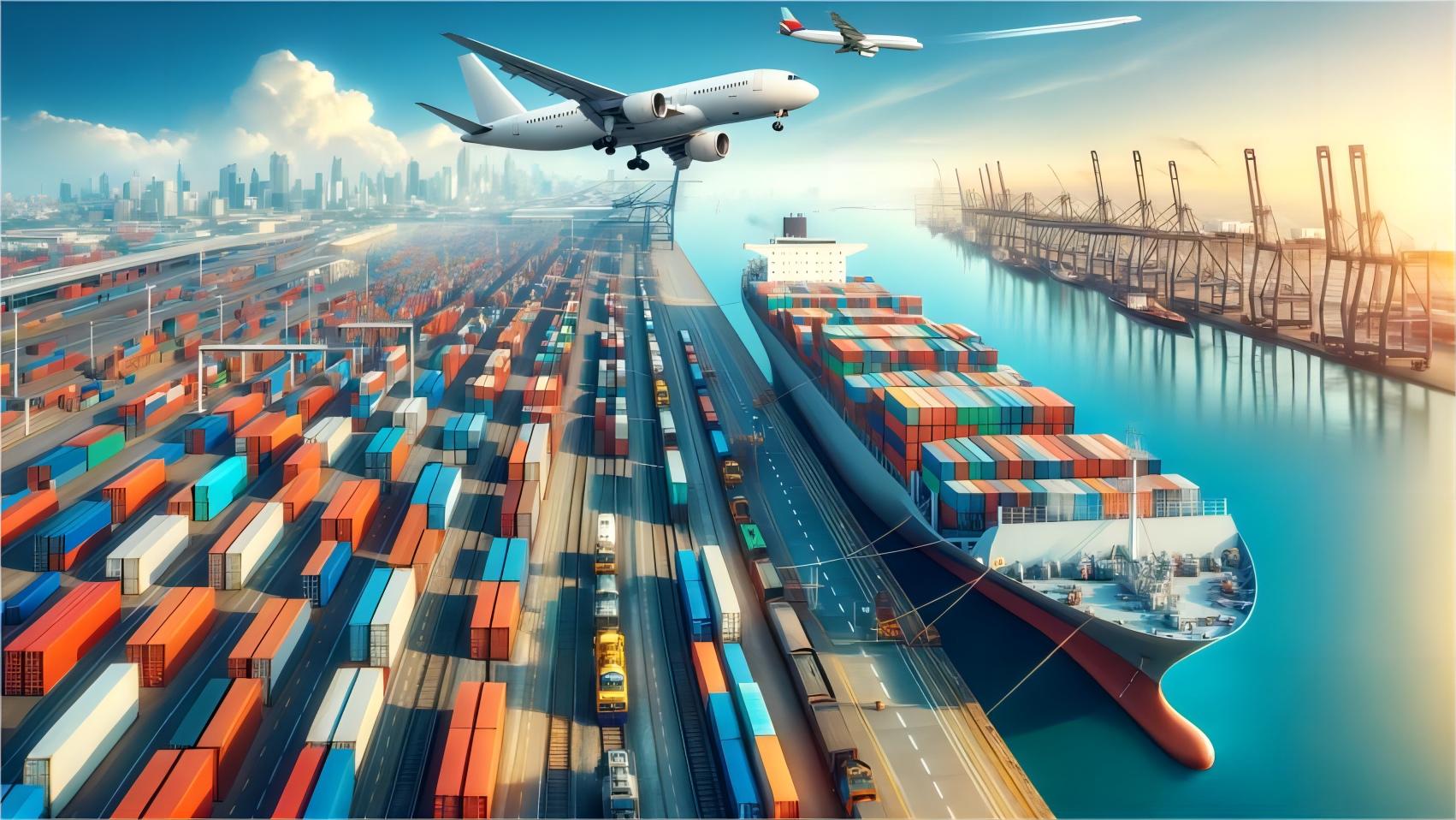
As of Q1 2025, the logistics landscape for renewable energy products remains dynamic due to fluctuating fuel prices and shifting trade policies. Importers focusing on shipping from China to North America must account for seasonal demand spikes that typically occur in late summer. Moreover, the global push for green energy has increased the volume of solar components moving through major gateways like the Port of Long Beach.
Furthermore, freight rates have stabilized compared to the volatility seen in previous years, yet they remain sensitive to geopolitical events. Indeed, the demand for 40HQ containers is particularly high because they offer the most cost-effective volume-to-price ratio for bulky solar modules. Therefore, staying informed about current market rates is vital for accurate project budgeting and timeline management.
Market data suggests that while capacity has increased, port congestion can still impact total transit times. Additionally, the integration of digital tracking technologies allows importers to monitor their shipments with greater precision than ever before. Consequently, choosing a forwarder with strong carrier relationships is the best way to secure competitive pricing during peak periods.
Factors Influencing the 40HQ FCL Freight Rate for Solar Panels from China to Long Beach
Several variables determine the final 40HQ FCL freight rate for solar panels from China to Long Beach, starting with the base ocean freight cost. In addition, fuel surcharges, known as Bunker Adjustment Factors (BAF), fluctuate monthly based on global oil prices. Using sea freight for these shipments is standard, but the specific service level chosen can significantly alter the total expense.
Moreover, the weight of the solar panels plays a crucial role in container loading and safety regulations. Since solar modules are relatively heavy and fragile, specialized packing materials are required to prevent damage during the long Pacific crossing. Consequently, these packing requirements can slightly reduce the total number of units per container, affecting the landed cost per panel.
Additionally, origin charges in China, including terminal handling and export documentation, must be factored into the initial quote. Meanwhile, destination charges at Long Beach, such as clean truck fees and chassis rental, add to the overall investment. Therefore, a comprehensive quote should always include both origin and destination fees to avoid unexpected costs.
| Origin Port | Destination | Est. Rate (USD) | Transit Time |
|---|---|---|---|
| Shanghai | Long Beach | $2,800 – $3,500 | 14-18 Days |
| Ningbo | Long Beach | $2,850 – $3,600 | 15-19 Days |
| Shenzhen | Long Beach | $2,600 – $3,300 | 12-16 Days |
| Qingdao | Long Beach | $2,950 – $3,700 | 18-22 Days |
How Does 40HQ FCL Compare to Other Shipping Options?
When evaluating the 40HQ FCL freight rate for solar panels from China to Long Beach, it is helpful to consider alternative shipping methods. For instance, smaller shipments might utilize Less than Container Load (LCL) services, though this is rarely efficient for large solar projects. Furthermore, some urgent components might require Amazon FBA style rapid delivery if they are part of a retail distribution network.
However, air freight remains a prohibitively expensive option for the bulk of a solar installation due to the extreme weight and volume of the panels. In contrast, 40HQ containers provide nearly 76 cubic meters of space, making them the industry standard for high-volume solar module transport. Consequently, the cost per watt of solar power is significantly lower when utilizing full container loads rather than fragmented shipping methods.
Moreover, direct sea routes to the West Coast are much faster than transshipment options through Southeast Asian hubs. While transshipment might offer a slight discount, the risk of delays and additional handling usually outweighs the marginal savings. Therefore, most professionals prefer direct 40HQ FCL services to ensure the integrity of their fragile cargo.
| Method | Cost Range | Transit Time | Best For |
|---|---|---|---|
| 40HQ FCL | $2,800-$3,800 | 14-20 Days | Large scale projects |
| LCL | $80-$150/CBM | 25-35 Days | Small replacements |
| Air Freight | $5-$8/kg | 3-7 Days | Urgent repairs only |
| Sea-Air Hybrid | $3-$5/kg | 10-15 Days | Medium urgency |
Decision Framework: Which Shipping Option Should You Choose?
Choosing the right shipping strategy involves balancing budget constraints with project deadlines. If your primary priority is cost-efficiency, then booking a 40HQ FCL during the off-peak season (February to April) is recommended. On the other hand, if you are facing a strict construction deadline, prioritizing speed through premium direct carriers like Matson may be necessary despite the higher price tag.
For shipments under 15 CBM, LCL might seem attractive, but the increased risk of damage during consolidation often makes it unsuitable for sensitive solar glass. Additionally, for massive utility-scale projects, chartering a dedicated vessel might be more economical than booking hundreds of individual containers. Consequently, the volume of your shipment is the primary driver in selecting the most appropriate logistics model.
Furthermore, consider the inland transport requirements after the container arrives at Long Beach. If your final destination is far from the port, using intermodal rail might save money compared to long-haul trucking. Therefore, evaluate the total door-to-door cost rather than just the ocean freight rate when making your final decision.
Customs Brokerage and Import Regulations for Solar Panels
Navigating the regulatory environment is just as important as securing a good 40HQ FCL freight rate for solar panels from China to Long Beach. Specifically, solar panels are subject to various trade actions, including Section 201 and Section 301 tariffs in the United States. Utilizing a professional customs brokerage service is essential to ensure all duties are calculated correctly and compliance is maintained.
In addition, importers must provide detailed documentation, including the commercial invoice, packing list, and bill of lading. Furthermore, certificates of origin are scrutinized closely to determine the applicability of specific trade agreements or anti-dumping duties. Consequently, any errors in paperwork can lead to expensive storage fees or ‘demurrage’ at the Port of Long Beach.
Meanwhile, the UFLPA (Uyghur Forced Labor Prevention Act) requires strict supply chain mapping for all solar components entering the US. Therefore, importers must work closely with their manufacturers to provide transparent evidence of the entire production process. Without this documentation, shipments may be detained indefinitely, regardless of the freight rate paid.
Real Case Studies: Shipping Solar Panels to Long Beach
Case Study 1: Residential Solar Project in California. Route: Shanghai to Long Beach. Cargo: 600 Solar Modules, 68 CBM. Container: 1 x 40HQ. Shipping Details: Direct carrier service. Ocean Freight: $3,150. Origin Charges: $450. Destination Charges: $600. Customs Duties: $2,200. Total Landed Cost: $6,400. Timeline: 16 days sea transit, 3 days customs. Key Insight: Early booking saved the client 15% compared to spot rates.
Case Study 2: Commercial Warehouse Installation. Route: Shenzhen to Long Beach. Cargo: 1,200 Solar Modules, 140 CBM. Container: 2 x 40HQ. Shipping Details: Premium fast-ship service. Ocean Freight: $7,200 (for both). Origin Charges: $900. Destination Charges: $1,300. Customs Duties: $4,500. Total Landed Cost: $13,900. Timeline: 12 days sea transit, 2 days customs. Key Insight: Using a premium carrier avoided a 10-day port congestion delay.
Note: Freight rates are subject to change based on fuel costs, carrier capacity, and seasonal demand. Contact us for a current quote tailored to your specific shipment.

Alternative Strategies for Reducing Shipping Costs
To optimize your logistics budget, consider diversifying your port of entry if Long Beach experiences significant congestion. While Long Beach is the primary gateway, nearby ports or even East Coast alternatives can sometimes offer lower total inland costs depending on the final destination. Additionally, implementing a door to door service model can simplify your supply chain and reduce the number of middle-men taking a margin.
Moreover, consolidating orders from multiple suppliers into a single 40HQ container can maximize space utilization. Furthermore, negotiating long-term contracts with freight forwarders can provide rate stability in a volatile market. Consequently, these strategic moves allow importers to maintain consistent pricing for their end customers.
Finally, always verify the container loading plan to ensure that every cubic meter of the 40HQ is utilized safely. Indeed, improper stacking can lead to wasted space and increased risk of breakage during the voyage. Therefore, investing time in the planning phase pays dividends in the form of lower overall freight expenses.
Final Thoughts on Solar Panel Logistics
In summary, securing a competitive 40HQ FCL freight rate for solar panels from China to Long Beach requires a combination of market timing, proper documentation, and strategic carrier selection. By understanding the factors that influence costs, from fuel surcharges to customs duties, importers can better navigate the complexities of international trade.
As the renewable energy sector continues to grow, the demand for efficient shipping solutions will only increase. Therefore, partnering with an experienced logistics provider is the best way to ensure your solar panels arrive safely and on time, helping you contribute to a more sustainable future.
Ready to streamline your logistics?
Are you ready to optimize your solar supply chain? Contact us today to receive a customized 40HQ FCL freight rate for solar panels from China to Long Beach tailored to your specific project needs. Visit our inquiry page to get started. Send Inquiry: Top China Freight.net/contact-us/
Request Quote